 FREE SHIPPING! Automatically Applied on Orders Over $74!



Access Denied
IMPORTANT! If you’re a store owner, please make sure you have Customer accounts enabled in your Store Admin, as you have customer based locks set up with EasyLockdown app. Enable Customer Accounts
5 Natural GLP-1 Supplements for Weight & Metabolism
Paula Gallagher on

Looking for natural GLP-1 support? GLP-1 (glucagon-like peptide-1) is a hormone that regulates insulin and controls appetite, making it crucial for weight management and blood sugar balance. While drugs like semaglutide are often prescribed to enhance GLP-1 activity, many people prefer natural alternatives to semaglutide that support GLP-1 secretion and overall metabolic health. Here are five supplements associated with boosting GLP-1 levels or enhancing similar metabolic pathways.
At Village Green Apothecary, we often see midlife women whose shifting hormones, disrupted sleep, and under-eating patterns blunt natural satiety signaling. A foundation of balanced meals, gut care, and restorative sleep may support how the body produces and responds to its own GLP-1.
1. Berberine
Berberine is a compound found in several plants, including goldenseal and barberry. It has been shown to improve insulin sensitivity and lower blood sugar levels, partly by boosting GLP-1 secretion. Berberine is used to support type 2 diabetes and metabolic syndrome. It may also help regulate appetite by improving gut health, as it has antimicrobial properties that promote a balanced microbiome.
Considerations: Berberine may interact with certain medications, such as blood thinners, and should be avoided during pregnancy. It's also advised to take berberine in cycles to avoid potential liver stress.
2. Curcumin
Curcumin, the active compound in turmeric, has powerful anti-inflammatory and antioxidant properties. Studies have suggested that it can help regulate blood sugar levels and increase GLP-1 secretion, contributing to better glucose metabolism. Additionally, curcumin supports gut health, which is crucial for maintaining optimal GLP-1 activity.
Considerations: Curcumin isn't easily absorbed by the body, so it's best taken with black pepper or in a liposomal form to enhance absorption. Excessive amounts may cause digestive upset.
sale
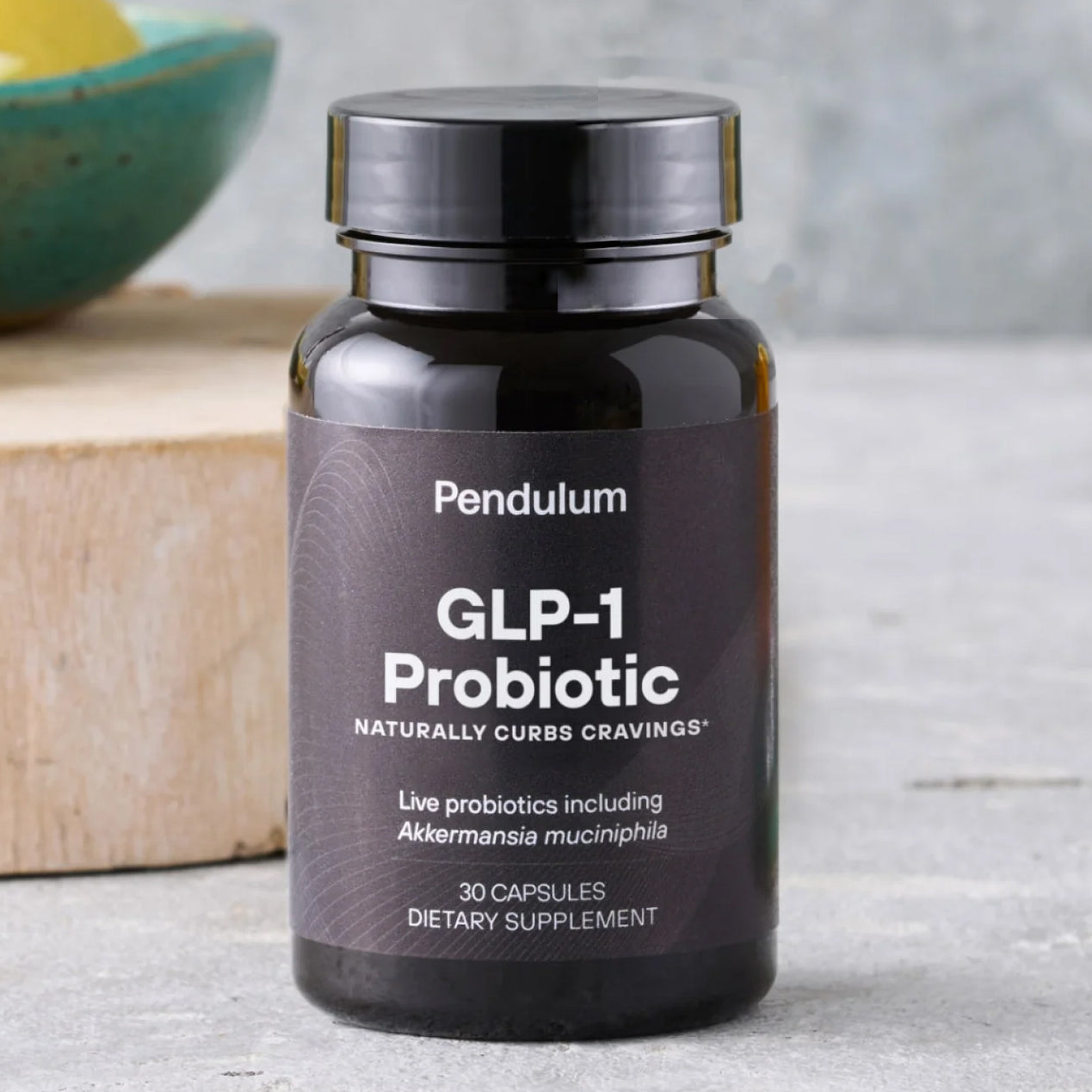
PENDULUM
GLP-1 PROBIOTIC
No reviews
$58.50
$78.00
NATURALLY CURBS CRAVINGS
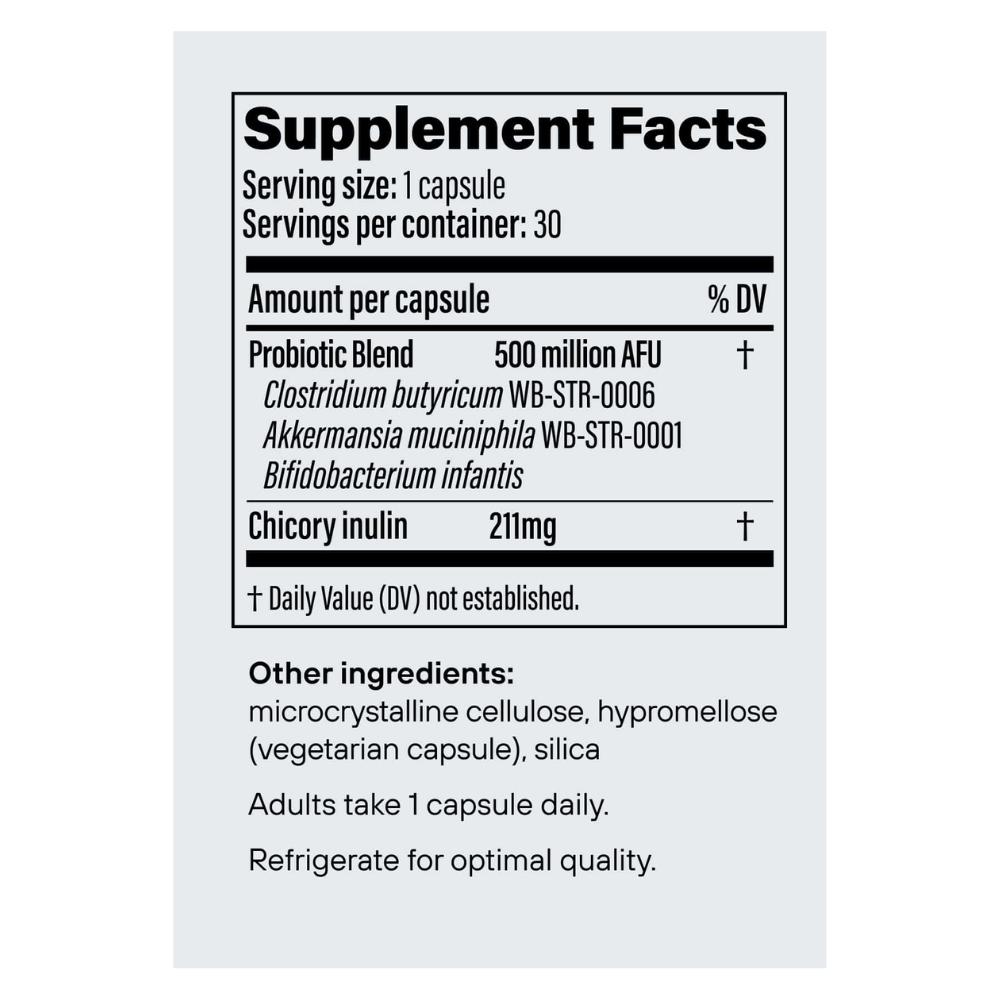
This multi-strain probiotic is formulated with beneficial bacteria that naturally increase GLP-1, the un-hunger hormone that helps curb cravings & appetite.
91% reported reduced overall food cravings
Helps maintain a healthy weight
Enhances natural GLP-1 production
sale
PATHWAY
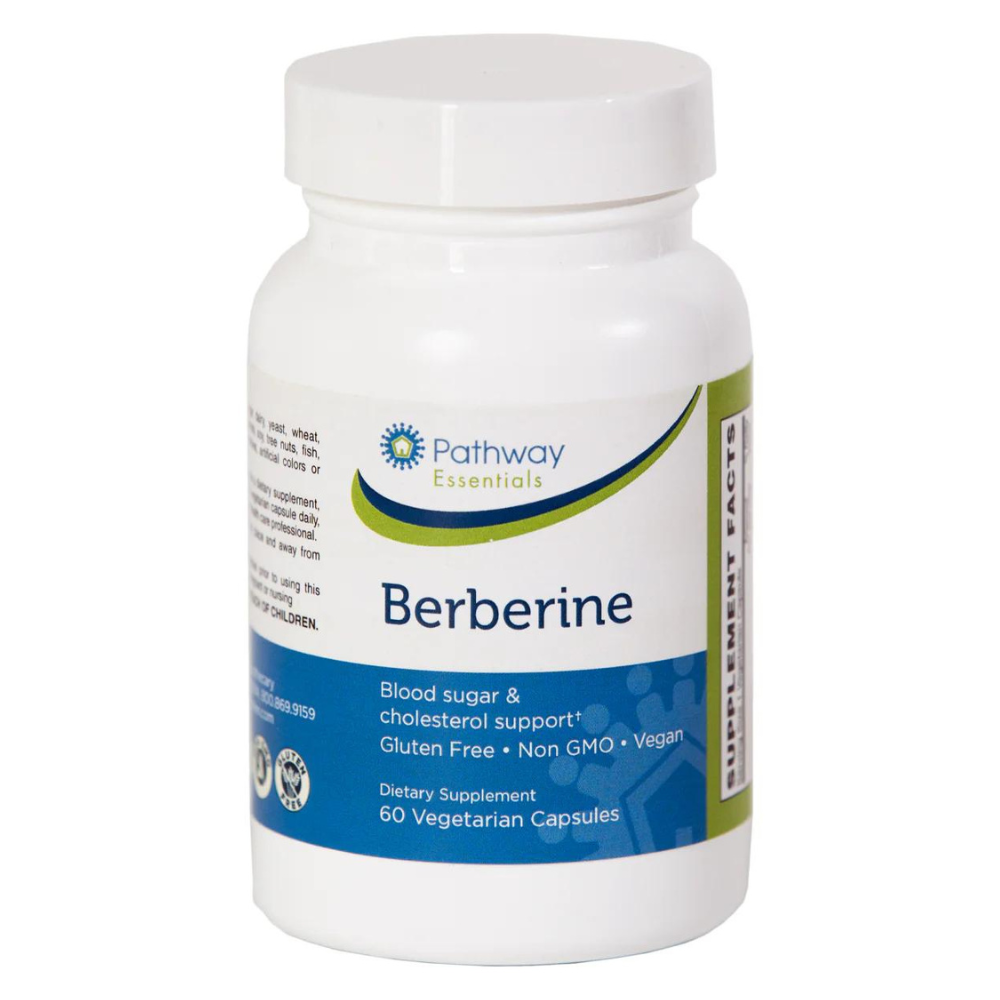
Berberine
1 review
$31.49
$44.99
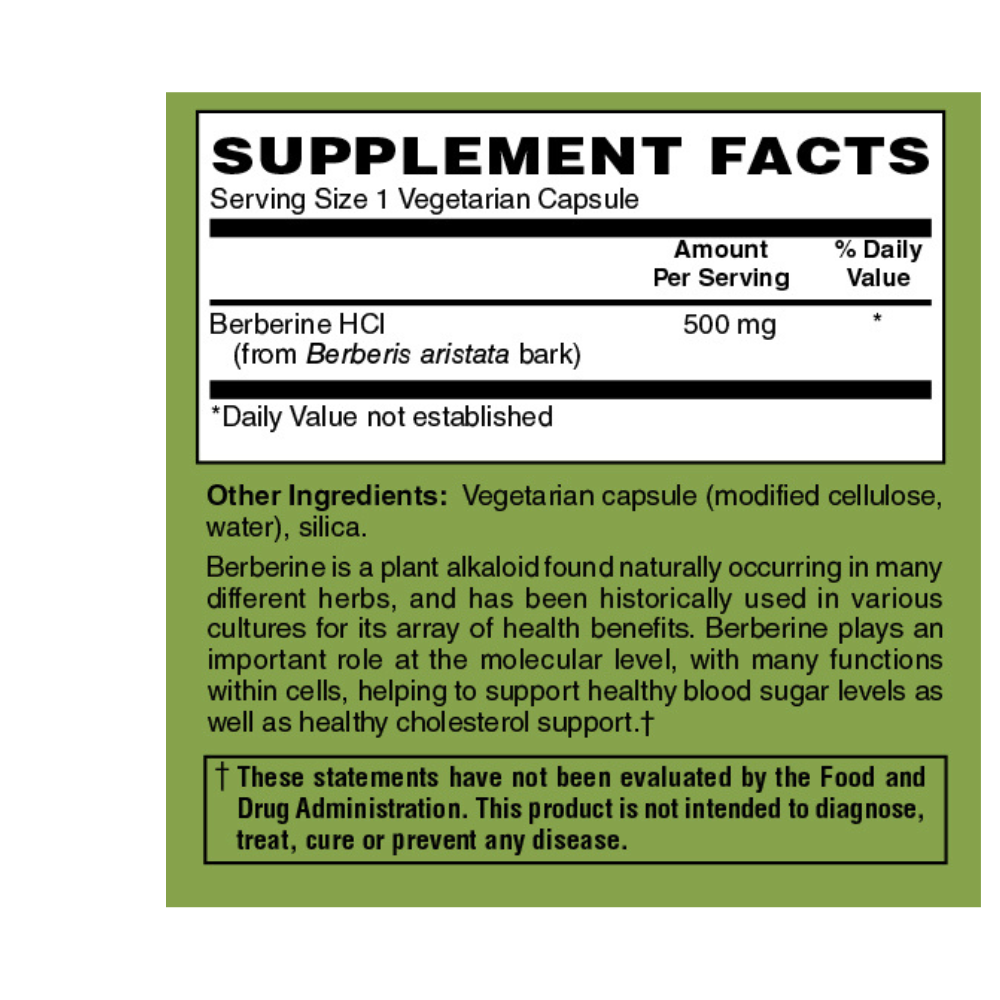
Berberine – Supports Blood Sugar & Cardiometabolic Health Berberine is a natural compound that is found in a variety of plants, such as goldenseal and barberry. It has a long history of use in both Chinese and Ayurvedic medicine. Studies show that berberine has many health benefits, including supporting cholesterol levels, blood sugar balance, GI microbial health, weight management, respiratory mucus membrane health, as well as providing support for immune system function. Pathway Berberine features 500 mg per capsule.
sale
PATHWAY
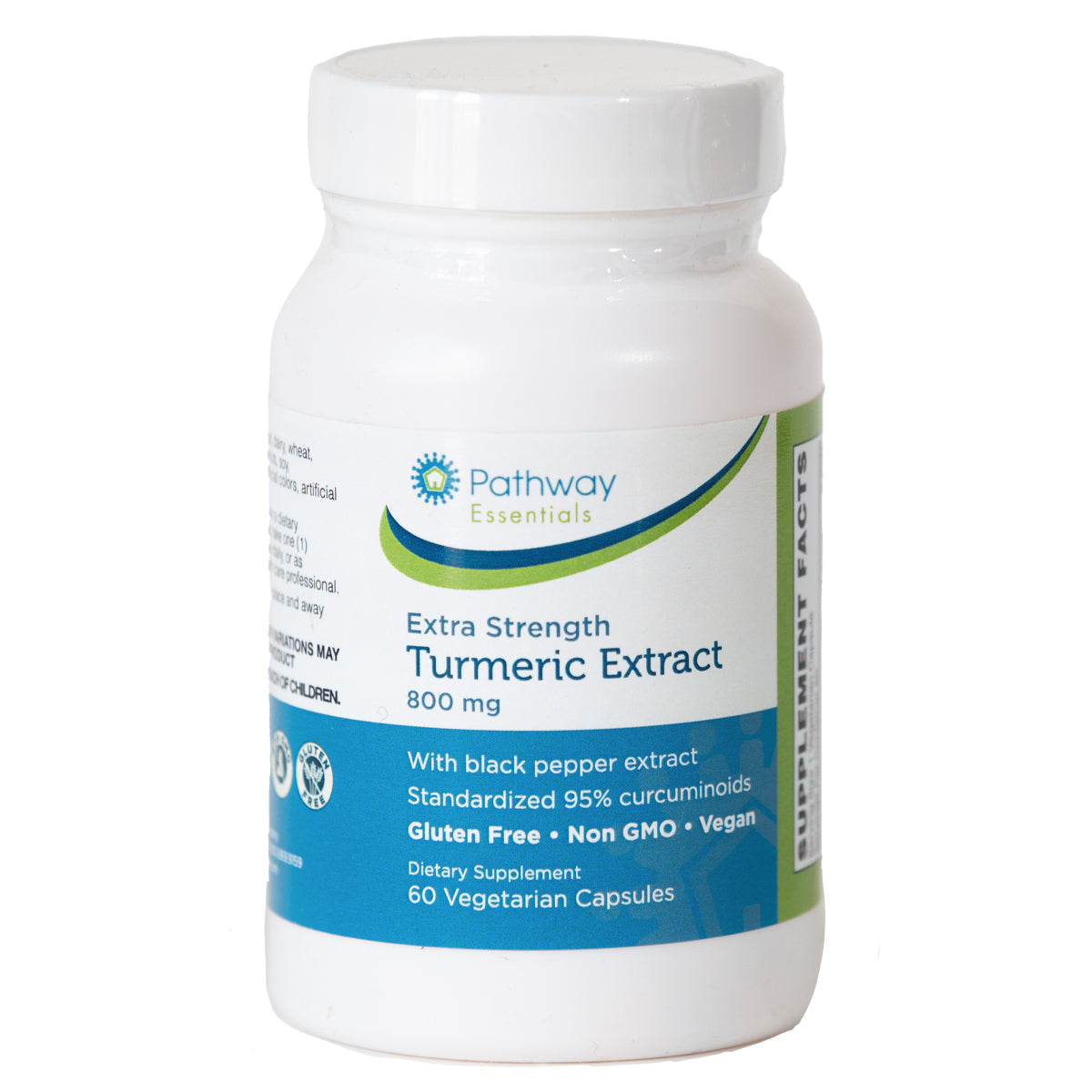
Extra Strength Turmeric Exrtact
No reviews
$53.42
$76.31
Turmeric has been trending for over a decade, but this powerful spice has been used to promote health and wellness for thousands of years. Turmeric is a traditional Indian culinary spice and Ayurvedic medicine that has been utilized for a wide array of medicinal purposes. Its most common traditional use has been to promote proper digestion. Even the German Commission E Monograph on turmeric describes it as an approved medicinal herb for dyspeptic (indigestion) conditions. In the last decade, turmeric has received more focused attention from the western scientific community and clinical studies have confirmed its health promoting effects. Bold in flavor and color, turmeric is an antioxidant due to its rich supply of curcuminoids. Delivering 800 mg of extra strength Turmeric which may help promote a healthy inflammatory response, provide cardiovascular support and aid healthy joint mobility.† Extra Strength Turmeric with Curcumin also contains BioPerine, enhancing turmeric’s absorption into your system. BioPerine is a standardized extract from the fruits of Piper nigrum L. (black pepper) or Piper Longum L. (long pepper). Containing a minimum piperine content of 95%, BioPerine may be co-administered with Turmeric for improved absorption.Features
800 mg Turmeric per capsule(standardized to 95% curcuminoids[760 mg])
5 mg Black Pepper Extract (BioPerine) (standardized to 95% piperine [4.75 mg])
Contains No sugar, salt, dairy, wheat, gluten, eggs, peanuts, soy, fish, shellfish, preservatives, artificial colors or flavors
Gluten Free, Non GMO, and Vegan
Benefits
Extra Strength Turmeric with BioPerine may promote normal, healthy cyclooxygenase-2 (COX-2) levels, an enzyme often associated with inflammation and pain.
May help recovery from the soreness of over-exertion.
Supplies powerful antioxidants that help to neutralize both water and fat-soluble free radicals. Numerous studies have demonstrated a supportive role for antioxidants in inflammatory related processes.
Supports the health of the gastrointestinal tract.
Supports the health and detoxification of the liver.
Supports normal, healthy cell growth and maturation.
3. Ginger
Ginger has been shown to increase GLP-1 secretion and improve insulin sensitivity. By slowing the rate at which food leaves the stomach, ginger helps you feel fuller for longer, making it useful for weight management. In addition, ginger's anti-inflammatory effects support overall metabolic health.
Considerations: While ginger is generally safe, high doses may cause heartburn or digestive issues in some people. If you're taking blood-thinning medications, consult your healthcare provider before use.
4. Probiotics
The gut microbiome plays a significant role in GLP-1 secretion, and probiotics that promote gut health may increase natural GLP-1 levels. Strains like Clostridium butyricum, Akkermansia muciniphila and Bifidobacterium infantis have been linked to improved glucose metabolism and weight management, possibly through enhanced GLP-1 production.
Considerations: The effectiveness of probiotics can vary widely depending on the strains used and your unique gut health. Opt for high-quality, multi-strain supplements, and consider consulting a healthcare professional for personalized guidance.
5. Green Tea Extract
Green tea extract, particularly its catechin EGCG, is often considered a best natural GLP-1 supplement option, shown to increase GLP-1 levels and improve insulin sensitivity. It's also linked to enhanced fat oxidation and weight loss.
Considerations: Green tea extract contains caffeine, so it might not be suitable for people sensitive to stimulants. Decaffeinated versions are available, but they may be less potent.
Lifestyle Strategies and Natural GLP-1 Foods
- Diet: A diet high in fiber, healthy fats, and lean protein can naturally boost GLP-1 secretion. Natural GLP-1 foods like oats, chia seeds, avocados, and legumes help stabilize blood sugar and support a balanced gut microbiome.
- Exercise: Regular activity increases GLP-1 secretion and improves insulin sensitivity. Strength training and HIIT are especially effective.
- Gut Health: Incorporate fermented foods like kimchi, kefir, and sauerkraut. Reduce processed foods and artificial sweeteners, which may disrupt beneficial gut bacteria.
- Sleep and Stress: Chronic stress and poor sleep can impair glucose metabolism and reduce GLP-1 secretion. Prioritize sleep and mindfulness practices like meditation or yoga.
Building a Complete GLP-1 Support Strategy
Berberine, curcumin, ginger, probiotics, and green tea extract are valuable tools for metabolic health when combined with balanced nutrition, exercise, and stress management. Always consult a health care practitioner before adding new supplements.
Frequently Asked Questions About Natural GLP-1
1. How can I increase GLP-1 naturally?
Lifestyle habits may support your body's natural GLP-1 activity. These include eating a diet rich in fiber, healthy fats, and lean protein, getting regular exercise, prioritizing quality sleep, managing stress, and nurturing a healthy gut microbiome. Certain supplements, including berberine, curcumin, ginger, probiotics, and green tea extract, are also commonly associated with supporting GLP-1 pathways.
2. What foods are commonly associated with supporting GLP-1?
Foods rich in soluble fiber, healthy fats, and quality protein are often associated with supporting natural satiety signaling and GLP-1 activity. Examples include oats, chia seeds, flaxseed, avocados, legumes, eggs, fatty fish, nuts, and fermented foods such as kimchi, kefir, and sauerkraut, which also help nurture a balanced gut microbiome.
3. How are natural GLP-1 supplements different from GLP-1 medications like semaglutide?
GLP-1 medications such as semaglutide are designed to amplify, extend, or mimic the body's existing GLP-1 signaling. Natural supplements like berberine, curcumin, ginger, probiotics, and green tea extract are associated with supporting the body's own GLP-1 secretion and related metabolic pathways, generally with a milder effect than prescription therapy.
4. Can I take natural GLP-1 supplements with my current medications?
Several of the supplements discussed, including berberine, curcumin, ginger, and green tea extract, may interact with certain medications. Consult your healthcare provider before combining any new supplement with your current prescriptions to ensure safety and appropriateness for your individual situation.
5. Can natural GLP-1 support help with perimenopause weight changes?
Midlife and perimenopausal hormonal shifts can disrupt digestion, satiety, and metabolic signaling, which may make weight management more challenging. Supporting natural GLP-1 activity through balanced nutrition, gut health, sleep, stress management, and targeted supplements may help, but a personalized plan with a qualified health care practitioner is recommended.
6. Does poor sleep affect GLP-1 and appetite?
Disrupted sleep can influence cortisol, insulin, and growth hormone, which are tied to appetite, cravings, and metabolism. Prioritizing consistent, high-quality sleep is associated with healthier hormonal signaling and may support natural GLP-1 function and satiety.
7. How long does it take natural GLP-1 supplements to work?
Response varies by individual, supplement, and overall lifestyle. Some people may notice changes in appetite or blood sugar within a few weeks of consistent use combined with diet and exercise, while broader metabolic benefits may take several months. Consult your health care practitioner for guidance tailored to your needs.
Categories
Categories
Humanized Health - NEW!
Learn about personalized health from top experts! Check out our fascinating new shows every week, available as videos, podcasts and transcripts.:
Our Bloggers
-
 Paula Gallagher
Paula is a highly qualified and experienced nutrition counselor on the staff at Village Green.
read more.. -
 Margo Gladding
Margo's impressive knowledge base is the result of a unique blend of educational and professional experience.
read more.. -
 Dr. Neal Barnard
Dr. Barnard leads programs advocating for preventive medicine, good nutrition, and higher ethical standards in research.
read more.. -
 Dr. Joseph Pizzorno
Dr. Joseph Pizzorno, ND is a pioneer of integrative medicine and a leading authority on science-based natural medicine.
read more.. -
 Debi Silber
Debi is a registered dietitian with a master’s degree in nutrition, a personal trainer, and whole health coach.
read more..
SEE ALL OF OUR BLOGGERS
Invalid password
Enter


Stay Connected
Village Green Apothecary
5415 W Cedar Ln
Bethesda, Maryland, 20814
(301) 530-0800
Toll Free: (800) 869-9159
The information provided on this site is not intended to be a substitute for advice or treatment from a qualified physician, nor is it intended to diagnose or treat a health problem or disease. Consult your physician prior to starting any new health program or if you any questions regarding a medical condition.
© 2025 Village Green Apothecary - All Rights Reserved.
