 FREE SHIPPING! Automatically Applied on Orders Over $74!



Attention-deficit/hyperactivity disorder (ADHD) affects millions of children, teens, and adults, influencing attention, focus, impulse control, mood, learning, and workplace performance. While ADHD is often viewed through a neurological and behavioral lens, growing evidence suggests that nutrition may also play an important role in supporting brain health. One area of increasing interest is the relationship between ADHD and omega-3 fatty acid deficiency.
At Village Green Apothecary, we take a whole-person approach to wellness by addressing nutritional foundations that support healthy cognitive function. Research continues to explore how imbalances in omega-3 and omega-6 fatty acids may influence attention, behavior, learning, and emotional regulation.
Why Omega-3 Fatty Acids Are Important for Brain Health and ADHD
The human brain is composed of nearly 60% fat, making essential fatty acids critical for healthy brain structure and function. Omega-3 fatty acids, particularly EPA (eicosapentaenoic acid) and DHA (docosahexaenoic acid), support:
-
Healthy brain development
-
Neurotransmitter function
-
Communication between brain cells
-
Mood and emotional regulation
-
Attention and cognitive performance
-
Healthy inflammatory balance
Research has found that some children and adults with ADHD may have lower blood levels of omega-3 fatty acids than individuals without ADHD. These deficiencies may contribute to challenges related to concentration, impulsivity, learning, and emotional regulation.
Common Signs of Omega-3 and Essential Fatty Acid Deficiency
Although no single symptom can confirm a fatty acid deficiency, low omega-3 status has been associated with:
-
Difficulty concentrating
-
Mood swings and irritability
-
Dry skin
-
Poor memory
-
Learning difficulties
-
Sleep disturbances
-
Fatigue
-
Increased inflammation
Many modern diets are high in omega-6 fats from processed foods and low in omega-3-rich foods such as fatty fish, walnuts, flaxseeds, and certain nutritional supplements. This imbalance may affect overall brain and nervous system health.
What Research Says About Omega-3s and ADHD Symptoms
Several clinical studies and meta-analyses have examined the effects of omega-3 supplementation in individuals with ADHD. While omega-3s should not be considered a replacement for medical treatment when necessary, research suggests they may provide supportive benefits, particularly for those with inadequate omega-3 intake.
Higher EPA intake has been associated with improvements in:
-
Attention
-
Hyperactivity
-
Emotional regulation
-
Reading and learning performance
-
Working memory
Researchers believe omega-3 fatty acids may help support dopamine and serotonin activity, two neurotransmitter systems closely involved in attention, behavior, and mood regulation.
EQUAZEN PRO: Targeted Fatty Acid Support for ADHD and Cognitive Health
One nutritional option available at Village Green Apothecary is EQUAZEN PRO, a specialized fatty acid formula developed to support cognitive function, focus, learning, and behavioral health.
EQUAZEN PRO contains a scientifically researched combination of:
-
EPA omega-3 fatty acids
-
DHA omega-3 fatty acids
-
GLA (gamma-linolenic acid), an omega-6 fatty acid
This unique fatty acid ratio was developed based on research examining concentration, learning, behavior, and emotional well-being.
Why EPA, DHA, and GLA Work Together
While omega-3 fatty acids often receive most of the attention, research suggests that combining EPA, DHA, and GLA may provide broader support for brain cell membrane health and neurotransmitter activity.
EPA may help support attention, mood, and behavioral regulation, while DHA plays a critical role in maintaining healthy brain structure and communication between neurons. GLA may help support a healthy inflammatory response, creating a more comprehensive approach to cognitive wellness.
Natural Strategies to Support ADHD and Cognitive Function
Nutritional supplementation is often most effective when combined with healthy lifestyle habits. Additional strategies that may support individuals with ADHD include:
-
Prioritizing protein-rich meals
-
Reducing ultra-processed foods
-
Supporting stable blood sugar levels
-
Improving sleep quality
-
Encouraging regular physical activity
-
Limiting excessive screen time
-
Addressing nutrient deficiencies such as iron, zinc, magnesium, and vitamin D
Functional and integrative healthcare practitioners may also evaluate gut health, inflammation, food sensitivities, and environmental factors that can influence cognitive and behavioral symptoms.
When to Consider Nutritional Support for ADHD
ADHD is a complex condition with no single solution that works for everyone. However, emerging research continues to highlight the connection between nutrition, essential fatty acids, and brain health. For some individuals, addressing omega-3 deficiency and fatty acid imbalances may provide meaningful support for attention, learning, emotional regulation, and overall cognitive performance.
Products such as EQUAZEN PRO may be valuable components of a personalized wellness plan designed to support healthy brain function and long-term cognitive health.
Could Nutritional Imbalances Be Affecting Focus and Brain Function?
If you would like personalized guidance on nutritional approaches to ADHD, omega-3 supplementation, or cognitive health support, Village Green Apothecary is here to help. Our experienced practitioners can evaluate your individual needs and recommend evidence-informed strategies to support brain health and overall wellness. Schedule a consultation today to learn more about creating a personalized plan for yourself or your child.
Frequently Asked Questions About ADHD and Omega-3 Fatty Acids
Can omega-3 deficiency cause ADHD?
Omega-3 deficiency is not considered a direct cause of ADHD. However, research suggests that lower omega-3 levels may contribute to symptoms such as poor attention, impulsivity, and emotional dysregulation.
Which omega-3 fatty acids are most important for ADHD?
EPA and DHA are the two omega-3 fatty acids most commonly studied for ADHD. EPA has shown particular promise in supporting attention and behavioral regulation.
Can omega-3 supplements replace ADHD medication?
No. Omega-3 supplements should not be considered a replacement for prescribed ADHD treatments. They may serve as part of a broader support plan under the guidance of a healthcare professional.
What foods are rich in omega-3 fatty acids?
Fatty fish such as salmon, sardines, and mackerel are excellent sources. Walnuts, flaxseeds, and chia seeds also provide omega-3 fats.
What makes EQUAZEN PRO different from standard fish oil supplements?
EQUAZEN PRO contains a researched combination of EPA, DHA, and GLA in a specific ratio designed to support cognitive function, focus, learning, and behavioral health.
sale

SFI Klaire Labs
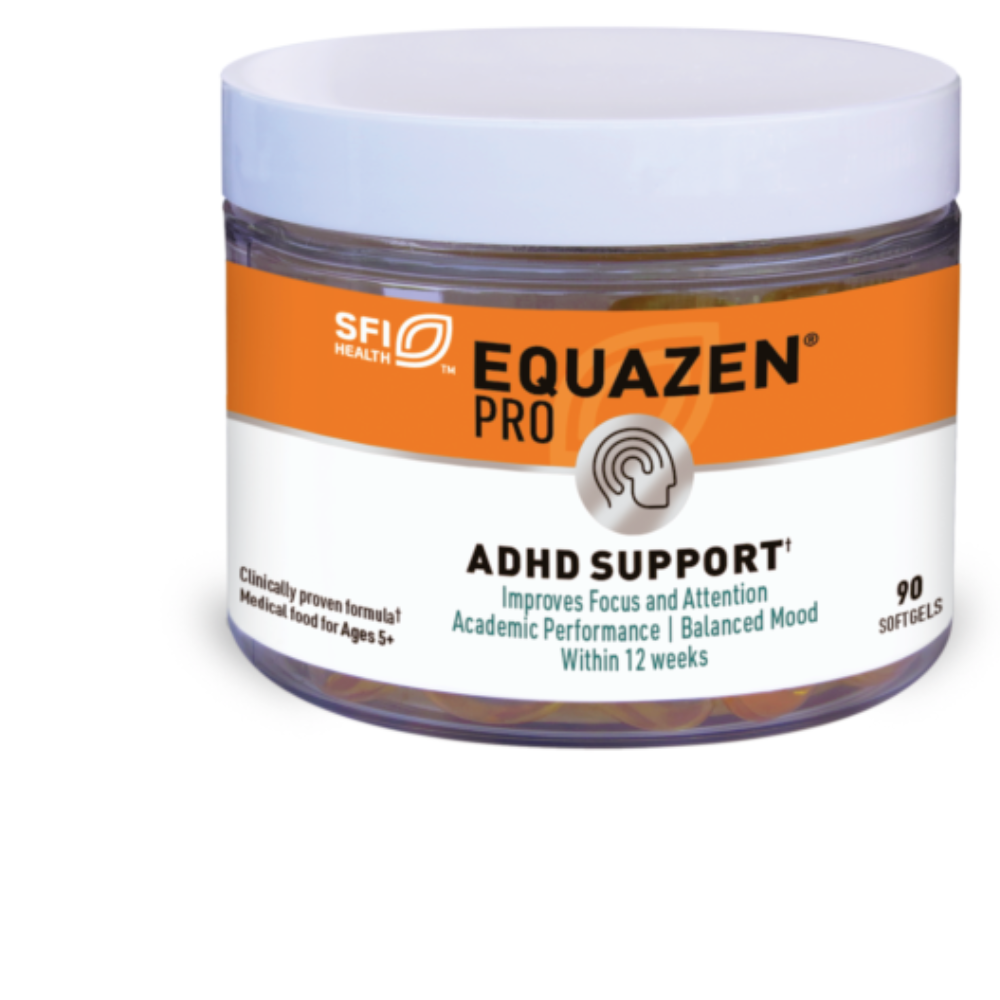
EQUAZEN PRO
No reviews
$50.99
$50.99
Improve ADHD symptoms within 12 weeks
EQUAZEN PRO is a medical food to address fatty acid deficiencies common in people with ADHD and some related neurodiverse conditions that cannot be resolved by normal diet modification alone. In clinical trials among kids and teens with ADHD, the EQUAZEN PRO formula showed on average significant improvements in focus, attention, academic performance, and balanced mood. USE UNDER MEDICAL SUPERVISION. 20 clinical studies include 6 ADHD clinical trials.
EQUAZEN PRO is well-established in Europe since 1999. With its entry into the US as a medical food in 2020, EQUAZEN PRO is now available as nutritional support for ADHD. EQUAZEN PRO is the only ADHD-specific medical food with the clinically proven ratio of omega-3 and omega-6 fatty acids, which includes GLA.
More often than not, traditional fish oil products contain only omega-3 fatty acids. A 2022 review, published in Nutrients concluded that taking omega-3 fatty acids alone might not be sufficient to effectively support patients with ADHD and neurodiverse conditions. Overall, studies show a combination of EPA and DHA with GLA in a 9:3:1 ratio is associated with
ADHD symptom improvement. This suggests a combination of PUFAs may lead to better outcomes.1
EQUAZEN PRO’s composition of omega-3 and omega-6 fatty acids—in the unique ratio of 9:3:1 of EPA:DHA: GLA—promotes healthy fatty acid metabolism and balanced omega fatty acid levels, and offers an additional means to support those with ADHD to reach their potential.
Product Features:
Supported by over 17 years of research and more than 20 clinical studies, including 6 ADHD clinical trials, which demonstrate improvements in focus, attention, academic performance, and balanced mood.
Safe & effective nutritional support when used alone or in combination with common prescription ADHD medications.
Our suppliers have been certified to Friend of the Sea criteria for responsible and sustainable sourcing.
Produced with novel patented purification processes that reduce contaminants, oxidative impurities, environmental pollutants, and toxins to ensure exceptional clarity, quality, taste, and smell. Furthermore, the production of fish oil utilizes technologies that run on 100% renewable energy.
Suggested Use:
Children 5 years of age and above: 3 softgels daily with food or as directed by a healthcare professional. Do not exceed the recommended amount.
Allergy Statement:
Made without the following common allergens: milk/casein, eggs, shellfish, tree nuts, peanuts, wheat, and gluten.
Caution:
If you are pregnant or lactating do not use EQUAZEN® PRO. It is contraindicated in consumers with a known hypersensitivity to the product, any of its ingredients or fish. If the consumer has any medical condition, taking prescription drugs, or under the age of 5 years, consult your physician before using this product.
Categories
Categories
Humanized Health - NEW!
Learn about personalized health from top experts! Check out our fascinating new shows every week, available as videos, podcasts and transcripts.:
Our Bloggers
-
 Paula Gallagher
Paula is a highly qualified and experienced nutrition counselor on the staff at Village Green.
read more.. -
 Margo Gladding
Margo's impressive knowledge base is the result of a unique blend of educational and professional experience.
read more.. -
 Dr. Neal Barnard
Dr. Barnard leads programs advocating for preventive medicine, good nutrition, and higher ethical standards in research.
read more.. -
 Dr. Joseph Pizzorno
Dr. Joseph Pizzorno, ND is a pioneer of integrative medicine and a leading authority on science-based natural medicine.
read more.. -
 Debi Silber
Debi is a registered dietitian with a master’s degree in nutrition, a personal trainer, and whole health coach.
read more..
SEE ALL OF OUR BLOGGERS
Invalid password
Enter


Stay Connected
Village Green Apothecary
5415 W Cedar Ln
Bethesda, Maryland, 20814
(301) 530-0800
Toll Free: (800) 869-9159
The information provided on this site is not intended to be a substitute for advice or treatment from a qualified physician, nor is it intended to diagnose or treat a health problem or disease. Consult your physician prior to starting any new health program or if you any questions regarding a medical condition.
© 2025 Village Green Apothecary - All Rights Reserved.
