 FREE SHIPPING! Automatically Applied on Orders Over $74!



At Village Green Apothecary, we believe that nutrition is one of the most powerful tools for long-term health. One of the easiest and most effective ways to improve your well-being? Eat more fiber.
Why Is Fiber Important for Digestive and Colon Health?
A good, high fiber diet for constipation plays a critical role in keeping your digestive system healthy and moving. Here’s how it helps:
-
Promotes regular bowel movements and prevents constipation
-
Helps reduce the risk of colorectal cancer by supporting a healthy colon
-
Feeds good gut bacteria, which produce short-chain fatty acids that protect your colon lining
These combined benefits make food rich in fiber for constipation essential for both daily comfort and long-term health.
In fact, there's hard science on this particular colon connection. Research on indigestible carbohydrates has been studied for suppressing colorectal cancer through the IRF6/TRAF3/IFN-alpha pathway, and work on the gut microbiome points to fiber-fed bacteria as part of colorectal cancer prevention. Short answer? What you feed your gut may help support the lining that protects your colon.
How Much Fiber Do You Need Per Day?
Here are the daily recommendations:
-
Adult women: at least 25 grams of fiber
-
Adult men: at least 38 grams of fiber
If you're increasing your fiber intake, start slowly and drink plenty of water. A sudden increase in fiber can lead to bloating and digestive discomfort.
Most North Americans fall short of these recommendations. If you want to increase your fiber intake, start off slowly and drink plenty of water. Consuming too much fiber at once can cause bloating and other digestive issues if you aren't used to it.
Best Sources of Dietary Fiber
A high-fiber diet should include a variety of whole, plant-based foods, such as:
-
Fruits
-
Vegetables
-
Whole grains
-
Legumes and beans
-
Nuts and seeds
Food high in fibre for constipation provides not only fiber but also essential vitamins, minerals, and antioxidants.
A brief caveat about the two types of fiber: you need both for this. Soluble fiber (e.g., oats, beans, and flax) creates a gel-like substance that can soften your stool. Insoluble fiber (e.g., whole grains, vegetable skin) helps create the bulky stool you need for your digestive tract to stay regular. Legumes are especially good. The beans of the Phaseolus vulgaris species, aka common bean, contain both soluble and insoluble fiber as well as various beneficial phytochemicals with known gut and metabolic benefits.
Sample High-Fiber Meal Plan (30 grams)
Here's an example of a fiber-rich day of eating:
Breakfast:
-
1 cup oatmeal (4 grams of fiber)
-
½ cup raspberries (4 grams)
-
1 tablespoon ground flaxseed (2 grams)
Mid-Morning Snack:
-
1 medium apple (4 grams)
Lunch:
-
1 cup cooked lentil soup (7 grams)
-
1 slice whole-grain bread (2 grams)
Afternoon Snack:
-
1 cup raw baby carrots (3 grams)
Dinner:
-
3 ounces grilled chicken (0 grams)
-
1 cup steamed broccoli (5 grams)
-
½ cup cooked quinoa (2 grams)
Total fiber intake: Approximately 33 grams
This meal plan shows that a balanced, plant-focused diet can easily meet daily fiber goals.
Lifestyle Tips to Support Digestive Health
In addition to eating more fiber, these simple habits can support a healthy digestive system:
-
Stay physically active, regular movement helps digestion
-
Limit alcohol consumption, excessive alcohol has been linked to higher colorectal cancer risk
-
Reduce intake of processed meats, items like bacon, deli meats, and sausages may increase cancer risk
What If You Struggle to Get Enough Fiber from Food?
If you’re having trouble reaching your fiber goals through food alone, fiber supplements can help. Common options include:
At Village Green Apothecary, we offer a curated selection of high-quality fiber supplements. These products can help fill nutritional gaps, but we always recommend focusing on whole food sources first for their added nutritional value.
Not Sure Which Fiber Fits You Best? We Can Help.
We’re here to help you build better digestive health. Whether you're trying to increase your daily fiber or choosing between psyllium and inulin, our team of nutrition experts is ready to guide you. Book a Personalized Wellness Consultation. Let’s create a nutrition plan tailored to your needs.
Frequently Asked Questions
Are high fiber foods good for constipation?
The best fiber foods for constipation are those that are whole, plant-based, and absorb water into the stool to create more bulk. Oatmeal, raspberries, apples, lentils, whole-grain bread, broccoli, quinoa and ground flaxseed are all great options. Aim for a combination of soluble fiber (oats, beans, flax) and insoluble fiber (whole grains, vegetable skins). Gradually increase fiber intake and consume plenty of fluids.
Yes, high fiber foods support regular bowel movements and may help with constipation, since fiber absorbs water into the stool to create more bulk that keeps your digestive tract moving. Include both soluble fiber like oats and beans and insoluble fiber like whole grains and vegetable skins, increase your intake gradually, and drink plenty of water.
These statements have not been evaluated by the Food and Drug Administration. This product is not intended to diagnose, treat, cure, or prevent any disease.
sale
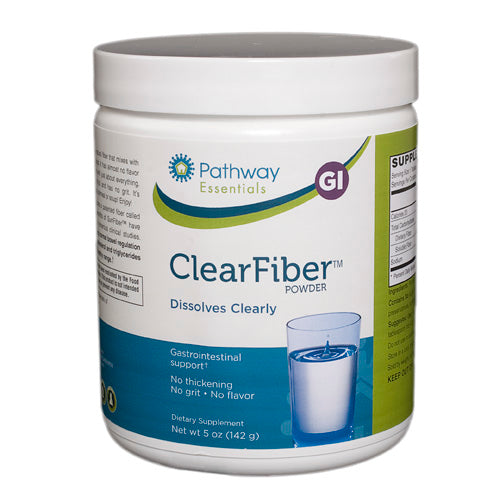
PATHWAY
Clearfiber
3 reviews
$19.59
$27.99
Invisible Fiber …Visible Benefits!ClearFiber contains clinically tested partially hydrolyzed guar gum that has numerous health benefits. For example, guar gum supports healthy cholesterol and triglyceride levels as well as digestive system functioning. ClearFiber dissolves clearly with no grit or thickening. It mixes easily into most foods and beverages without adding any taste. ClearFiber is an easy and convenient way to increase dietary fiber intake. Suggested Use: 1 tablespoon daily in 4 oz of liquid or soft food
sale
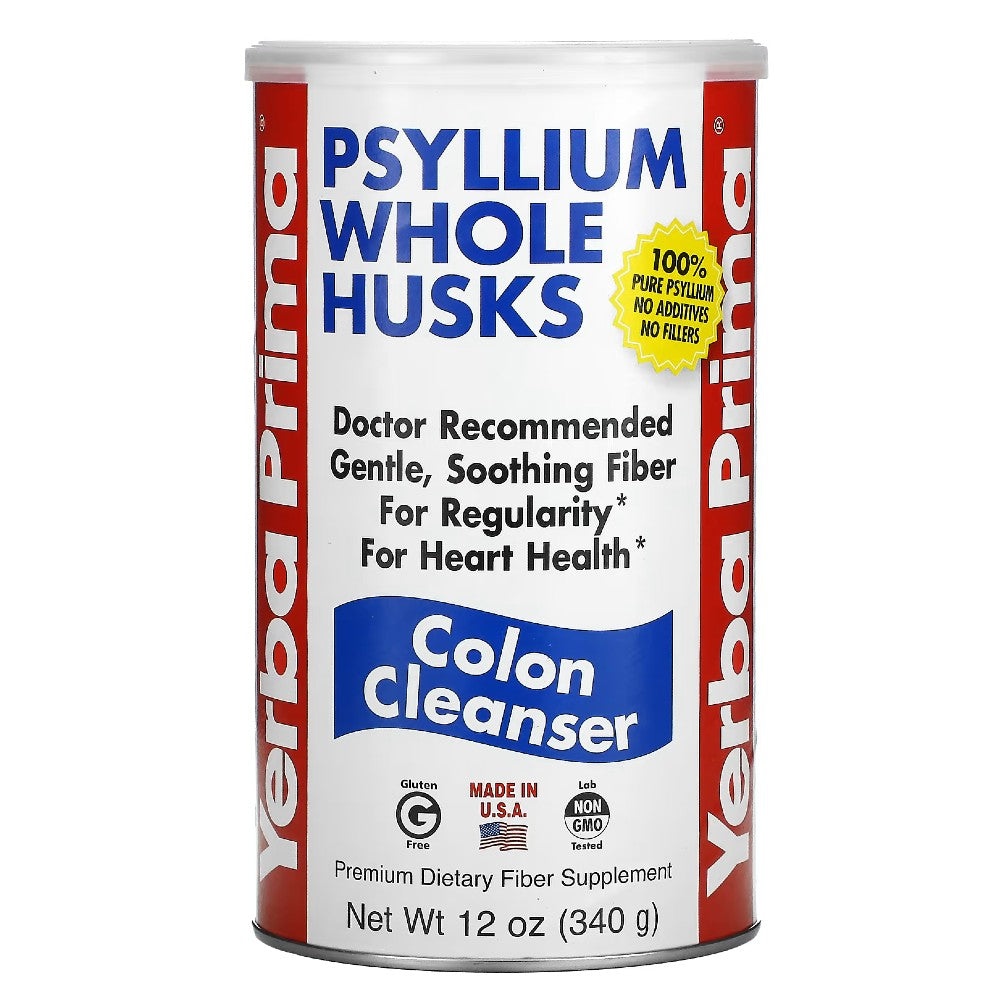
YERBA PRIMA
Psyllium Whole Husks, Colon Cleanser
No reviews
$17.59
$21.99
100% Pure Psyllium
No Additives
No Fillers
Doctor Recommended
Gentle, Soothing Fiber
For Regularity
For Heart Health
Gluten-Free
Non GMO Lab Tested
Premium Dietary Fiber Supplement
Great for Low Carb Diets!
Great for Athletes on High Protein Diets!
Great for People Eating Gluten Free Diets!
Great for Weight Loss and Maintaining Healthy Weight!
And of course, Great for Everyday Regularity!
Yerba Prima Psyllium Husks for Regularity and Colon Health: Psyllium husks promote easy, healthy elimination and sweep waste out of the colon more quickly. Psyllium husks provide gentle fiber to soothe and normalize the bowel when there is discomfort. To maintain regularity and colon health, take 1 to 3 servings a day, with meals or between meals.
Yerba Prima Psyllium Husks for Weight Maintenance: Dietary fiber plays an important role in weight loss and maintaining healthy weight. High fiber foods like psyllium husks help promote satiety (a feeling of fullness). To support weight maintenance, take 1 to 3 servings a day, shortly before meals or with meals.
Yerba Prima Psyllium Husks for Heart Health: To help support heart health, take 2 servings a day, with meals.
sale
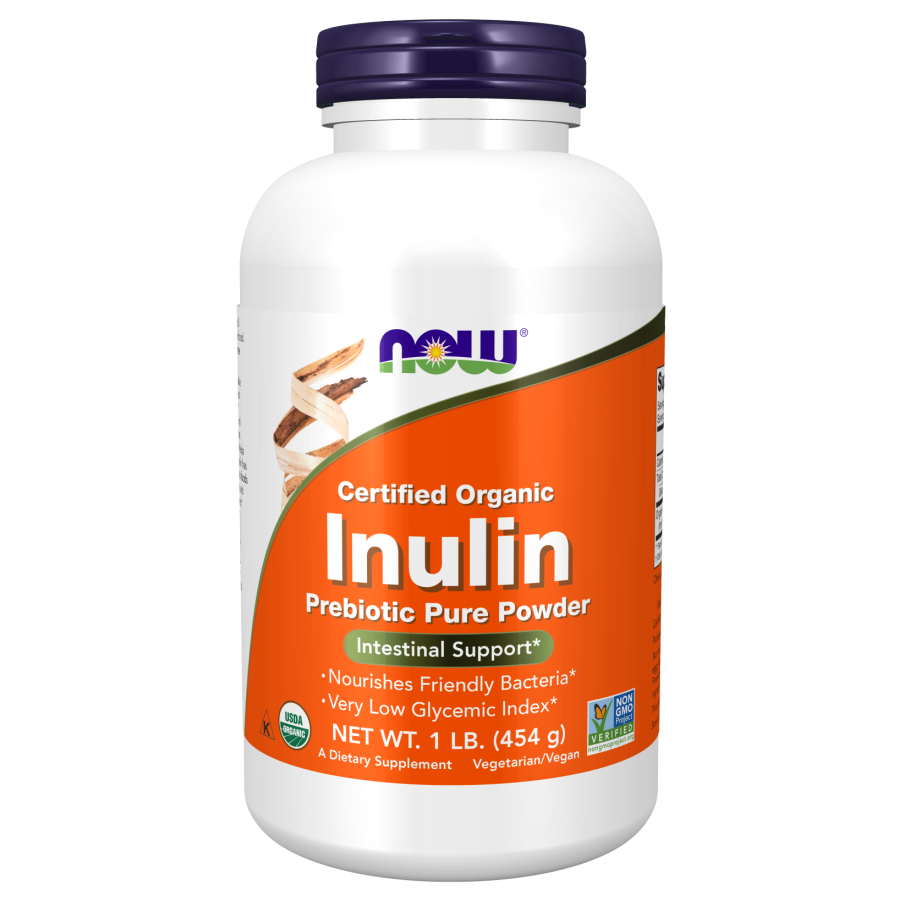
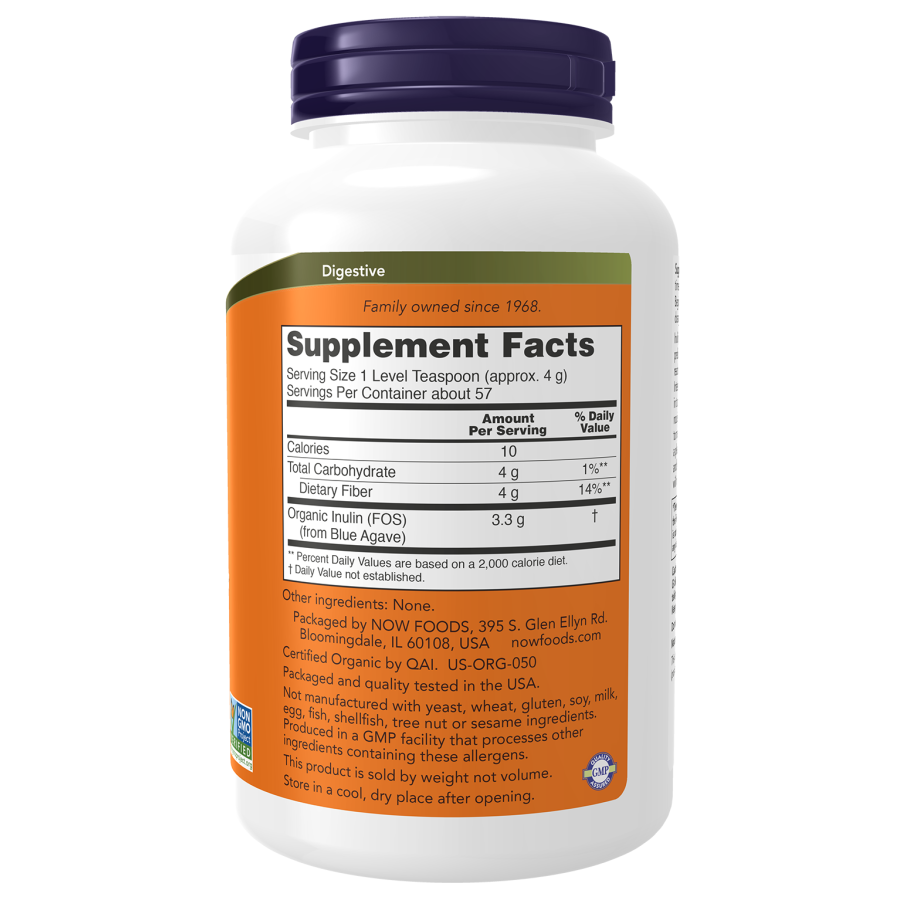
NOW FOODS
Org Inulin Powder
No reviews
$22.39
$27.99
Inulin, a fructooligosaccharide (FOS), is a soluble prebiotic fiber that is resistant to digestion and reaches the large intestine essentially intact. Intestinal probiotic bacteria consume inulin and in turn, produce the short-chain fatty acids that nourish the cells lining the colon. Inulin thus helps to maintain intestinal health and function. Inulin has a pleasant flavor that adds a mild sweetness to foods and drinks, but has a very low glycemic index and will not negatively impact serum glucose levels.
sale
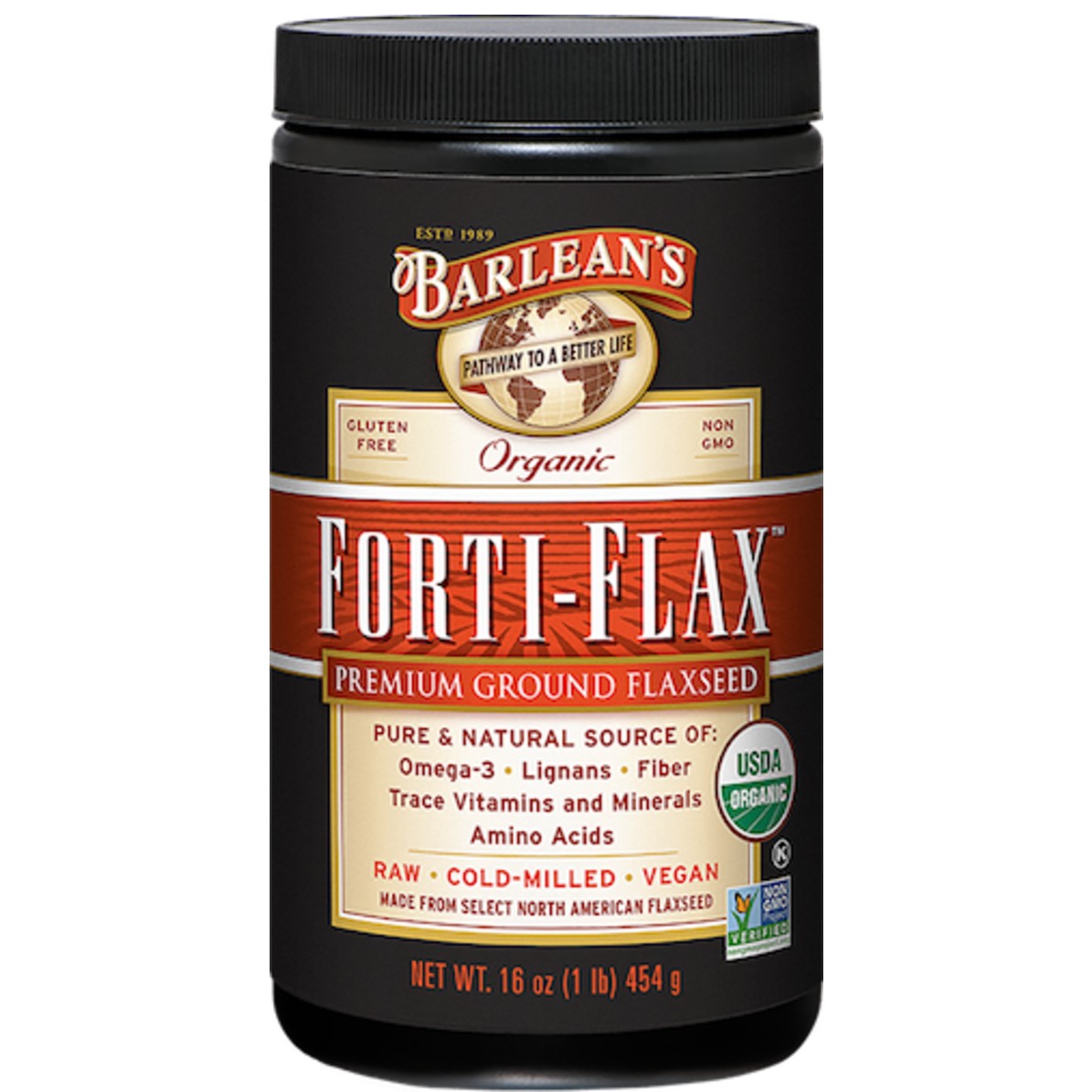
BARLEANS
Organic Forti-Flax Flax-Seed
No reviews
$11.69
$12.99
Raw, vegan source of omega-3 fatty acids, lignans and dietary fiber
Provides all 10 essential amino acids
USDA Organic, non-GMO Certified, gluten-free & kosher
Gently cold milled, sourced from North American seeds only
Freshness dated for maximum freshness & potency
References
- Position of the American Dietetic Association: health implications of dietary fiber
- Indigestible carbohydrates suppress colorectal cancer through IRF6/TRAF3/IFNα pathway
- Unmasking the microbiome: the hidden role of gut bacteria in the pathogenesis of colorectal cancer and its prevention strategies
- Dietary fiber -- in historical perspective
- Efficacy and Safety of Over-the-Counter Therapies for Chronic Constipation: An Updated Systematic Review
- Evidence-based treatment recommendations for OTC management of chronic constipation
- Microbiota modulation in disorders of gut-brain interaction
- Millet: a functional powerhouse against chronic lifestyle disease
Categories
Categories
Humanized Health - NEW!
Learn about personalized health from top experts! Check out our fascinating new shows every week, available as videos, podcasts and transcripts.:
Our Bloggers
-
 Paula Gallagher
Paula is a highly qualified and experienced nutrition counselor on the staff at Village Green.
read more.. -
 Margo Gladding
Margo's impressive knowledge base is the result of a unique blend of educational and professional experience.
read more.. -
 Dr. Neal Barnard
Dr. Barnard leads programs advocating for preventive medicine, good nutrition, and higher ethical standards in research.
read more.. -
 Dr. Joseph Pizzorno
Dr. Joseph Pizzorno, ND is a pioneer of integrative medicine and a leading authority on science-based natural medicine.
read more.. -
 Debi Silber
Debi is a registered dietitian with a master’s degree in nutrition, a personal trainer, and whole health coach.
read more..
SEE ALL OF OUR BLOGGERS
Invalid password
Enter


Stay Connected
Village Green Apothecary
5415 W Cedar Ln
Bethesda, Maryland, 20814
(301) 530-0800
Toll Free: (800) 869-9159
The information provided on this site is not intended to be a substitute for advice or treatment from a qualified physician, nor is it intended to diagnose or treat a health problem or disease. Consult your physician prior to starting any new health program or if you any questions regarding a medical condition.
© 2025 Village Green Apothecary - All Rights Reserved.
