 FREE SHIPPING! Automatically Applied on Orders Over $74!



GLP-1 medications have transformed how we approach weight management and metabolic health. By reducing appetite and slowing digestion, they can be effective tools. However, in real-world use, many people face setbacks—not because the medication "isn’t working," but because essential lifestyle foundations are overlooked.
Below are the top five mistakes people make while using GLP-1 medications—and what to do instead to support sustainable, long-term success.
Mistake #1: Eating Too Little—Especially Protein
One of the most noticeable effects of GLP-1 medications is appetite suppression. While this may seem beneficial, it can lead to undereating, particularly of protein.
Why This Matters
-
Inadequate protein intake increases the risk of muscle loss
-
Muscle mass is essential for metabolism, strength, and weight maintenance
-
Low protein can contribute to fatigue, weakness, and stalled progress
What to Do Instead
Prioritize protein at every meal—even if your portions are smaller. Aim for 25-30 grams of protein per meal across 3-4 meals daily to protect muscle mass during weight loss. Pair quality protein with fiber and healthy fats to support satiety, energy, and overall nourishment.
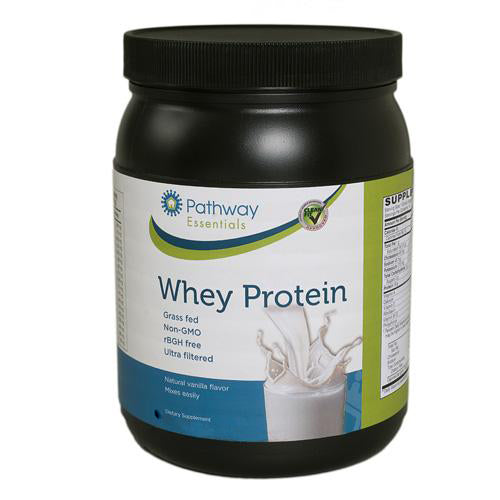
Make it easy: Incorporating a protein shake, such as Pathway Whey Protein (available in vanilla, chocolate, or unflavored), is a practical solution to help you meet your protein goals— it's easier to consume when nauseous and can be sipped throughout the day.
Why whey protein? Whey is one of the highest-quality proteins available, with studies showing it helps preserve lean muscle mass during weight loss. Key benefits include:
- Rich in BCAAs and leucine to fuel working muscles, stimulate protein synthesis, and maintain lean tissue
- High in glutamine to support muscle preservation, immune function, and gut health
- Source of glutathione precursors to support the body's natural antioxidant defenses and detoxification pathways
- Contains immunoglobulins that support healthy immune function
Mistake #2: Skipping Strength Training
Focusing solely on the scale can be misleading. Without resistance training, much of the weight lost may come from muscle.
Why This Matters
-
Muscle is critical for blood sugar control and metabolic resilience
-
Losing lean mass can increase the likelihood of weight regain
-
Strength supports mobility, energy, and long-term health outcomes
What to Do Instead
Incorporate strength training 2–3 times per week. Even brief sessions can make a significant difference in preserving muscle during weight loss.
Mistake #3: Fear of Fat or Over-Restricting Carbohydrates
With reduced hunger, some people fall into overly restrictive eating patterns—cutting out healthy fats or carbs entirely.
Why This Matters
-
Fats are essential for hormone production and nutrient absorption
-
Carbs support energy, mood, and thyroid health
-
Extreme restriction can stress the body and backfire
What to Do Instead
Adopt a balanced approach to macronutrients—protein, complex carbohydrates, and healthy fats—tailored to your appetite and lifestyle.
Mistake #4: Ignoring Digestive Changes and Gut Health
GLP-1 medications slow gastric emptying, which can lead to digestive discomfort such as nausea, bloating, constipation, or reflux.
Why This Matters
-
GI symptoms can reduce dietary variety and nutrient intake
-
Ongoing discomfort impacts quality of life
-
Gut health influences immunity, mood, and metabolism
What to Do Instead
Support your digestion by eating slowly, spacing meals, and staying hydrated. Prioritize fiber-rich foods—aim for 35-40 grams daily from sources like oats, chia seeds, vegetables, and legumes. Fiber not only supports regularity but also stimulates natural GLP-1 production in your gut.
Key supplements to consider:
-
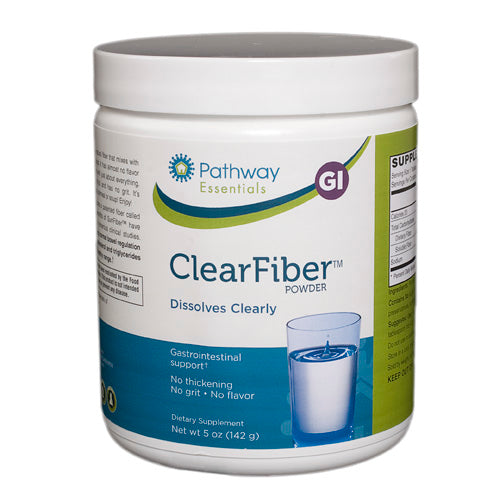
Pathway ClearFiber – A gentle, soluble fiber supplement that supports digestive regularity and enhances natural GLP-1 activity without causing bloating.
-
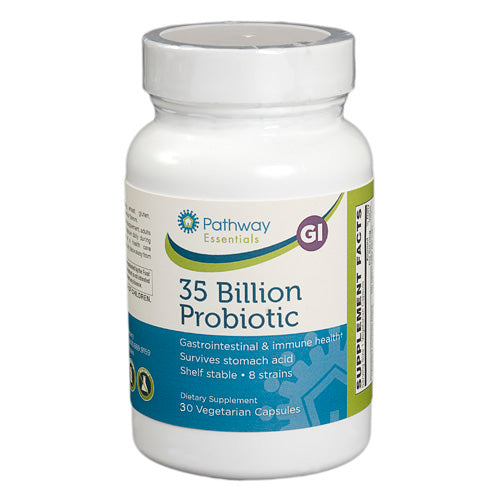
Pathway 35 Billion Probiotic – Multi-strain formula to help restore gut balance, reduce GI discomfort, and support nutrient absorption.
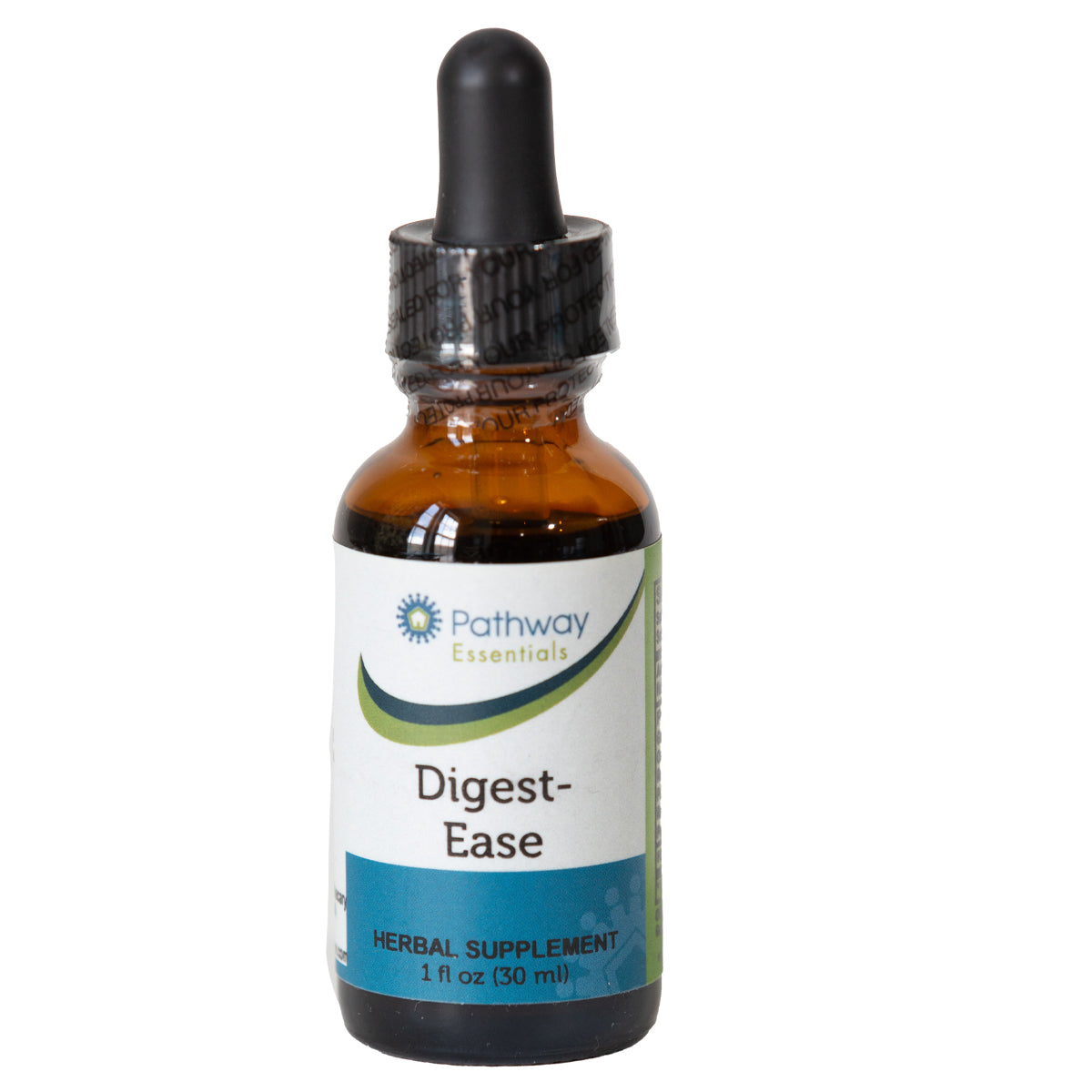
- Pathway Digest-Ease – Herbal digestive formula with ginger, fennel, and gentian that can be taken before or after meals to help ease nausea, reduce bloating, and support comfortable digestion.
If symptoms persist despite dietary changes, these targeted supplements can help you stay comfortable throughout your GLP-1 journey.
Mistake #5: Treating GLP-1 Medications as a Standalone Solution
Perhaps the most common mistake is expecting GLP-1 medications to do all the work.
Why This Matters
-
Metabolic health is shaped by nutrition, movement, sleep, stress, and micronutrient balance
-
Over 20% of GLP-1 users develop nutritional deficiencies within 12 months, with vitamin D, B12, magnesium, and iron being the most common gaps
-
Weight often rebounds after stopping GLP-1s if lifestyle habits aren't addressed
-
True wellness requires a comprehensive, personalized approach
What to Do Instead
Use GLP-1s as one part of a broader strategy that includes strength training, functional nutrition, targeted supplementation, and lab testing to guide your choices.
Essential foundation: A high-quality multivitamin
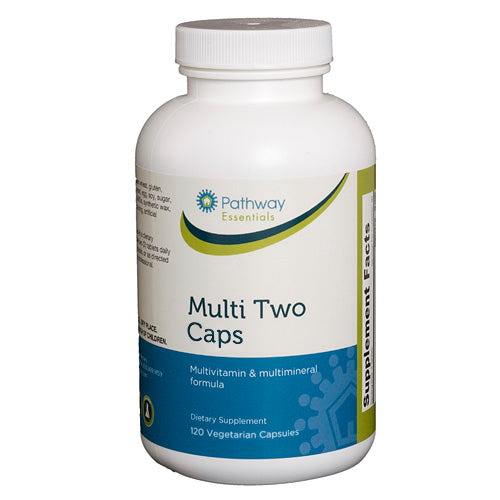
With reduced food intake, meeting all your micronutrient needs through diet alone becomes nearly impossible. Pathway Multi-Two provides comprehensive support with bioavailable forms designed for optimal absorption:
- Comprehensive B-complex including methylated forms of B12 and folate for energy support
- Vitamin D3, vitamin K2, calcium citrate, and magnesium malate to protect bone health during weight loss
- Betaine HCl to support digestion and nutrient absorption
- Chromium for blood sugar metabolism support
- Antioxidant blend with quercetin and grape extract for cellular protection
Go deeper when needed: Beyond a daily multivitamin, consider micronutrient testing to identify specific deficiencies and guide personalized supplementation.
A More Sustainable Approach to GLP-1 Use
At Village Green Apothecary, we believe better outcomes come from addressing the whole person—not just the scale. For those using or considering GLP-1 medications, we often explore:
-
Blood sugar markers
-
Inflammatory levels
-
Nutrient status
-
Lipid profiles
-
Thyroid and metabolic panels
When your appetite changes, the goal isn’t to eat less—it’s to eat smarter, move intentionally, and support your body’s adaptation.
GLP-1 medications can be powerful, but they work best when paired with a personalized, functional approach to health. Avoiding these common mistakes can mean the difference between temporary weight loss and long-term vitality.
Optimize Your GLP-1 Weight Loss Journey and Protect Your Health with Expert Support
Our functional nutritionists and wellness experts are here to support your journey. Book a personalized consultation today to optimize your results with GLP-1 medications and build a sustainable, holistic health plan.
Frequently Asked Questions (FAQ)
What should I eat while taking GLP-1 medications?
Focus on nutrient-dense meals with adequate protein, fiber, and healthy fats. Avoid ultra-processed foods and support digestion with hydrating and whole food choices.
Can I exercise while on GLP-1s?
Yes. Strength training is highly recommended to preserve muscle mass and improve metabolic health during weight loss.
How do I manage nausea or constipation from GLP-1 medications?
Stay hydrated, eat smaller meals slowly, and include fiber. Consider probiotics or gut support supplements if symptoms persist.
Will I regain weight after stopping GLP-1s?
Possibly—but pairing medication with lifestyle changes like movement, sleep, nutrition, and stress management significantly reduces this risk.
sale
PATHWAY
Whey Protein Vanilla Lg
No reviews
$80.54
$115.05
Non GMO Protein Powder
Whey protein contains all of the essential amino acids in biologically significant amounts and is simply one of the most complete sources of proteins and amino acids in the marketplace. It does not contain any synthetic hormones such as rBGH. The whey protein concentrate used in this formula is produced through an ion-exchanged, ultra filtration process that yields the highest level of protein and amino acids while preserving all the naturally occurring, immune enhancing and muscle nourishing bioactive. Derived from grass fed cattle, Pathway Whey Protein is one of the cleanest powders on the market.
Suggested Use: 1 level scoop in 8 oz. of water, milk or juice
sale
PATHWAY
Clearfiber
3 reviews
$19.59
$27.99
Invisible Fiber …Visible Benefits!ClearFiber contains clinically tested partially hydrolyzed guar gum that has numerous health benefits. For example, guar gum supports healthy cholesterol and triglyceride levels as well as digestive system functioning. ClearFiber dissolves clearly with no grit or thickening. It mixes easily into most foods and beverages without adding any taste. ClearFiber is an easy and convenient way to increase dietary fiber intake. Suggested Use: 1 tablespoon daily in 4 oz of liquid or soft food
sale
PATHWAY
35 Billion Probiotic
No reviews
$34.85
$49.79
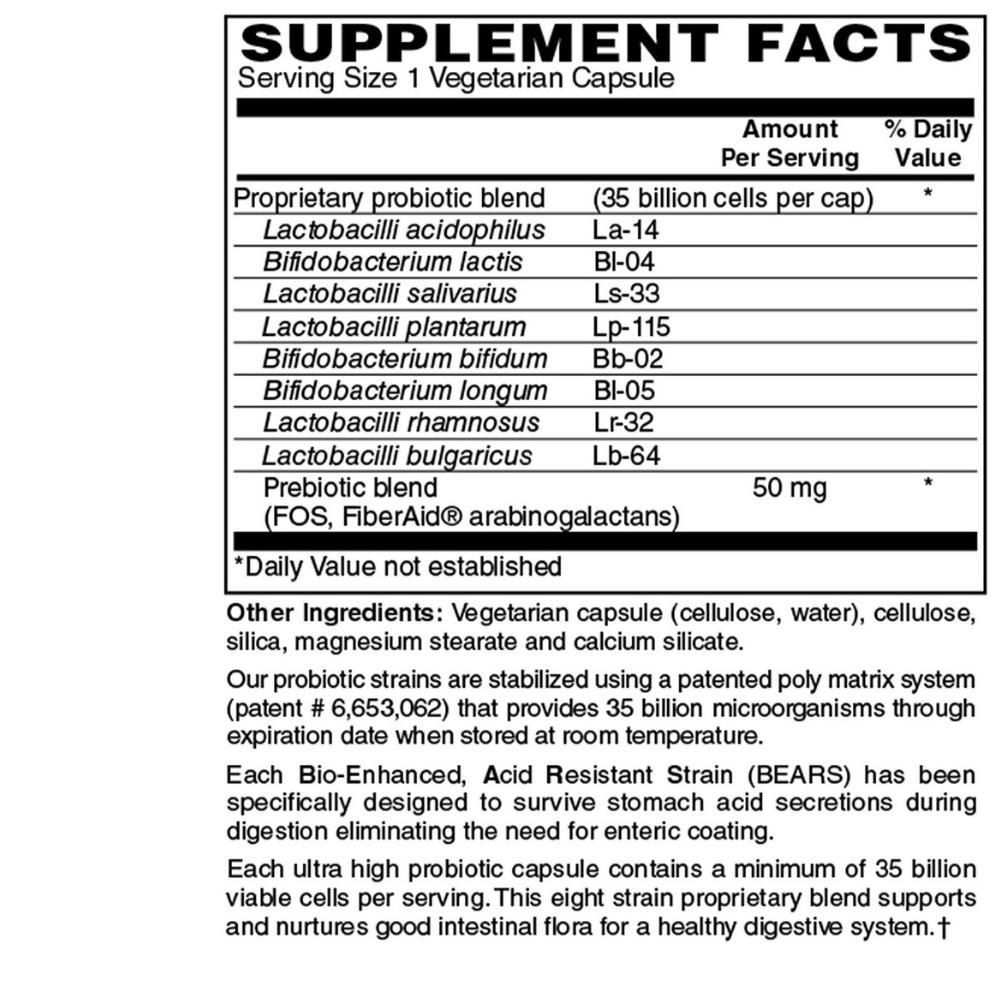
Ultra High Potency Probiotic for Extra Intestinal Support Beneficial bacteria are critical to a healthy digestive and immune system. This high potency probiotic blend is recommended when advanced support is needed due to antibiotic use, travel, or digestive concerns. Pathway 35 Billion Probiotic features 8 strains of beneficial bacteria that are stabilized so that no refrigeration is necessary. In addition, the bacteria are designed to survive stomach acids so that they can work effectively in your intestine. Suggested Use: 1 capsule during meals
sale
PATHWAY
Digest-Ease
No reviews
$13.29
$18.99
Stimulates Healthy DigestionGood digestive health is vital in obtaining optimum benefit from the food we eat. Proper digestion requires that sufficient enzymes be produced by the body. Pathway Digest-Ease promotes healthy digestive enzyme balance for protein, fat and carbohydrate digestion. Digest-Ease also contains fennel and peppermint to sooth an upset stomach, and can provide relief for those with gas and bloating.Suggested Use: 15-60 drops, 2-3 times per day before or after meals
sale
PATHWAY
Multi Two Caps
4 reviews
$31.49
$44.99
Balanced Foundation for Everyday SupportTo feel your best, you need more than the meager daily value of nutrients recommended by the government. That‘s why we created MULTI TWO from Pathway. With this revolutionary formula, you'll know you're getting the levels and the range of vitamins, minerals and cofactors we recommend for comprehensive everyday support. Plus, this formula incorporates the latest research on nutrient transport and interaction to enhance absorption, so you may actually feel the difference. Suggested Use: Take 4 capsules daily divided among meals
sale

LAB TEST
Micronutrient Analysis
No reviews
$352.00
$440.00
Cellular Micronutrient Assay
This comprehensive nutritional analysis measures over 50 micronutrients (vitamins, minerals, amino acids, and other key nutrients) at the cellular level. Compared to serum testing, which only gives a snapshot of one’s nutrient status, cellular testing provides insight into long-term, functional nutritional status.
Why is this test important?
Nutrients are vital to health and are required for every metabolic process in the body. Insufficiencies can negatively affect health and play a role in compromising immune health and setting the stage for degenerative processes, such as arthritis, cancer, cardiovascular disease, and diabetes.
Nutrient requirements are unique to each individual and are impacted by many factors, such as diet, age, digestion and absorption, medications, stress, genetics, pregnancy, activity levels, illnesses, sleep patterns, and toxin levels. Regularly evaluating one’s micronutrient status can help to determine optimal daily nutrient intake and allow for ongoing customized support.
The Cellular Micronutrient Assay measures the following nutrients:
Vitamins
Minerals
Amino Acids
Other Nutrients
Thiamine (vitamin B1)
Riboflavin (vitamin B2)
Biotin
Cobalamin (vitamin B12)
Folate (vitamin B9)
Nicotinamide (niacin, vitamin B3)
Pantothenic Acid
Pyridoxine (vitamin B6)
Vitamin C
Vitamin A
Vitamin D
Vitamin E (delta-tocotrienol)
Vitamin K1
Vitamin K2-MK7
Vitamin K2-MK4
Boron
Calcium
Chromium
Copper
Iodine
Iron
Lithium
Magnesium
Manganese
Molybdenum
Potassium
Selenium
Strontium
Vanadium
Zinc
Arginine
Asparagine
Cysteine
Glutamine
Glycine
Histidine
Isoleucine
Leucine
Lysine
Serine
Methionine
Phenylalanine
Taurine
Threonine
Tryptophan
Tyrosine
Valine
Alpha-ketoglutarate
Carnitine
Choline
Glutathione
Inositol
Test Type:
Blood – A test kit will be mailed to you along with instructions for having your blood drawn at a participating lab. We can also help connect you with a mobile phlebotomist, if you prefer. Please note an additional blood draw fee will be required.
Please note:
All tests are authorized and reviewed by a physician from our partner laboratory, DHA Laboratory.
Sample Test Report (only the Micronutrient Assay will be provided)
Results:
In approximately 14 business days, DHA Laboratory will email you your test results. For a detailed interpretation of your results as well as recommendations for next steps, please schedule a consultation with a Village Green nutritionist.
Questions?
Email a Village Green nutritionist or call 800-869-9159.
Categories
Categories
Humanized Health - NEW!
Learn about personalized health from top experts! Check out our fascinating new shows every week, available as videos, podcasts and transcripts.:
Our Bloggers
-
 Paula Gallagher
Paula is a highly qualified and experienced nutrition counselor on the staff at Village Green.
read more.. -
 Margo Gladding
Margo's impressive knowledge base is the result of a unique blend of educational and professional experience.
read more.. -
 Dr. Neal Barnard
Dr. Barnard leads programs advocating for preventive medicine, good nutrition, and higher ethical standards in research.
read more.. -
 Dr. Joseph Pizzorno
Dr. Joseph Pizzorno, ND is a pioneer of integrative medicine and a leading authority on science-based natural medicine.
read more.. -
 Debi Silber
Debi is a registered dietitian with a master’s degree in nutrition, a personal trainer, and whole health coach.
read more..
SEE ALL OF OUR BLOGGERS
Invalid password
Enter


Stay Connected
Village Green Apothecary
5415 W Cedar Ln
Bethesda, Maryland, 20814
(301) 530-0800
Toll Free: (800) 869-9159
The information provided on this site is not intended to be a substitute for advice or treatment from a qualified physician, nor is it intended to diagnose or treat a health problem or disease. Consult your physician prior to starting any new health program or if you any questions regarding a medical condition.
© 2025 Village Green Apothecary - All Rights Reserved.
