 FREE SHIPPING! Automatically Applied on Orders Over $74!



If you struggle with falling—or staying—asleep, you’ve likely seen magnesium and melatonin recommended as natural sleep aids. While both are popular, they work in very different ways. Understanding how each supports sleep can help you choose the right supplement for your needs.
At Village Green Apothecary, we often hear: “Should I take magnesium or melatonin for sleep?”
Here’s a breakdown to help you decide.
What Does Magnesium Do for Sleep?
Magnesium is an essential mineral involved in hundreds of body processes, including muscle relaxation, nervous system regulation, and brain function. Unfortunately, magnesium deficiency is common, especially in people dealing with stress, poor sleep, anxiety, or muscle tension.
How Magnesium Supports Better Sleep
-
Relaxes muscles: Magnesium helps reduce tightness and physical tension.
-
Calms the nervous system: It supports GABA activity, a neurotransmitter that eases mental chatter and promotes a calm mind.
-
Improves overall sleep quality: Magnesium enhances deep, uninterrupted sleep, not just the ability to fall asleep.
Best Types of Magnesium for Sleep
-
Magnesium Glycinate – Top choice for relaxation and insomnia; gentle on digestion.
-
Magnesium L-Threonate – Supports brain function and mental calm.
Who Should Consider Magnesium?
Magnesium may be best if you:
-
Feel “wired but tired”
-
Wake up frequently during the night
-
Struggle with stress-related insomnia
-
Have restless legs or muscle tension
-
Want long-term sleep support
What Does Melatonin Do for Sleep?
Melatonin is a hormone your body naturally produces in response to darkness. It tells your brain it’s time to sleep.
However, melatonin production can drop due to:
-
Late-night screen exposure
-
Jet lag or shift work
-
Chronic stress
-
Aging
A supplement can help get your internal clock back on track.
How Melatonin Helps You Sleep
-
Helps you fall asleep faster
-
Resets your circadian rhythm (ideal for jet lag or irregular sleep patterns)
-
Best for short-term sleep support
Who Should Use Melatonin?
Melatonin may be ideal for people who:
-
Can’t fall asleep on time
-
Travel across time zones
-
Work night shifts
-
Have a disrupted sleep-wake cycle
Magnesium vs. Melatonin: Which Should You Choose?
| Choose Magnesium if you... | Choose Melatonin if you... |
|---|---|
| Feel anxious or tense before bed | Struggle to fall asleep quickly |
| Wake frequently during the night | Have jet lag or shift work |
| Want to support long-term sleep health | Need short-term sleep schedule help |
| Experience tight muscles | Can’t fall asleep at all |
Can You Take Magnesium and Melatonin Together?
Yes. Many people benefit from combining magnesium (for full-body relaxation) with a low dose of melatonin (to fall asleep faster). Always start with a low dose and consult your healthcare provider if you have a medical condition or are on medications.
Both magnesium and melatonin can help with sleep—but they support your body in different ways. Magnesium is a calming mineral that improves sleep quality and helps the body relax. Melatonin is a hormone that resets your internal clock and helps you fall asleep.
Think of magnesium as your nightly wellness mineral, and melatonin as your short-term tool for getting back on track.
Need Personalized Sleep Support?
At Village Green Apothecary, our wellness consultants can help you choose the right sleep solution based on your unique needs. Book a free consultation here if you're struggling with sleep and want natural, personalized support.
FAQ: Magnesium vs. Melatonin for Sleep
Can I take magnesium and melatonin at the same time?
Yes, many people combine magnesium and melatonin. Magnesium relaxes your body, while melatonin helps reset your sleep cycle. Always consult with a healthcare provider first.
Is magnesium better than melatonin for sleep?
Magnesium supports long-term sleep quality, while melatonin is better for falling asleep fast or managing jet lag. Your best choice depends on your specific sleep challenges.
What’s the best type of magnesium for sleep?
Magnesium glycinate and magnesium L-threonate are top choices for sleep, especially if you're dealing with stress, anxiety, or brain fog.
Can melatonin be used every night?
Melatonin is generally recommended for short-term use, such as during travel or temporary sleep disruptions. Long-term use should be discussed with your healthcare provider.
sale
PATHWAY
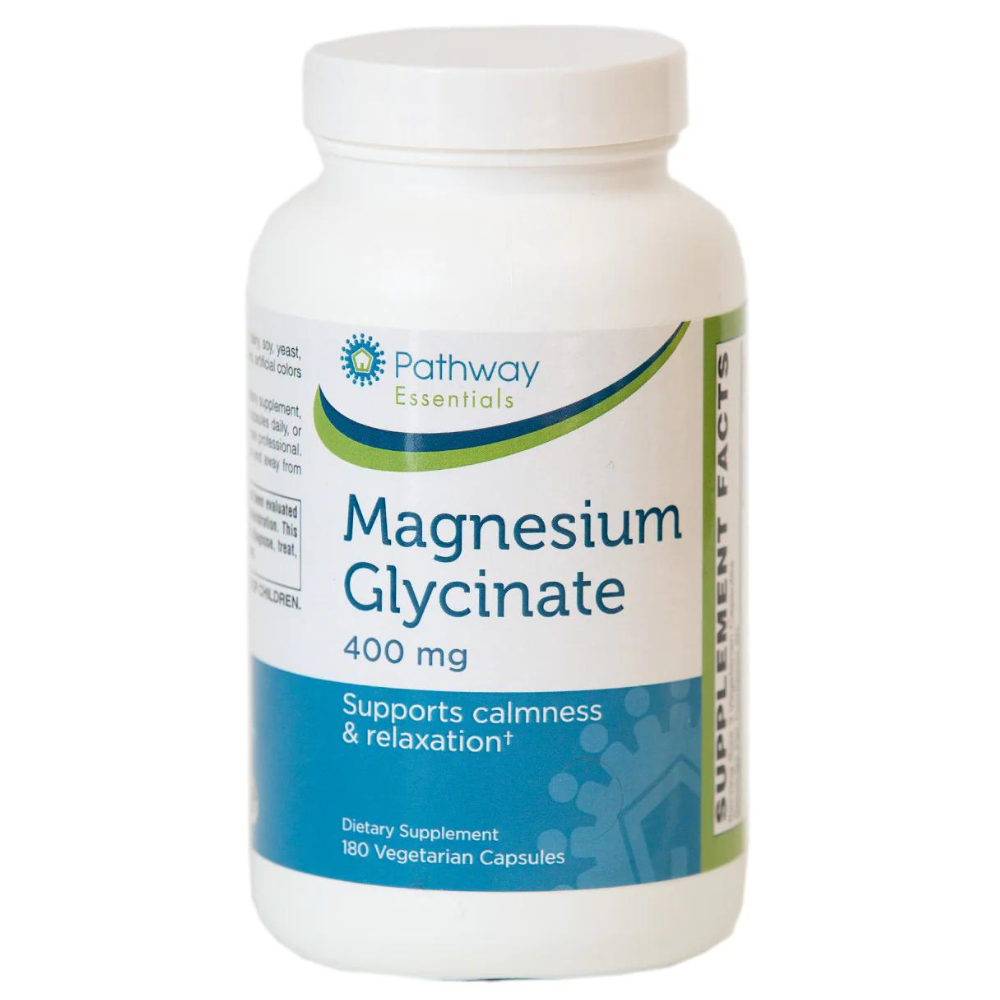
Magnesium Glycinate 400Mg
1 review
$32.89
$46.99
Highly Absorbable Magnesium
Magnesium plays an essential role in hundreds of cellular reactions in they body, and is considered one of the most important minerals. In the U.S., magnesium deficiency is common, and can result from depleted soil, digestive issues, chronic diseases, and medication use. Symptoms of magnesium deficiency include leg cramps, insomnia, muscle pain, anxiety, high blood pressure, blood sugar imbalances, fatigue, migraines, and osteoporosis. Pathway Magnesium Glycinate is a chelated form of magnesium which provides high levels of absorption and bioavailability and is an ideal recommendation for individuals wanting to correct a magnesium deficiency.
Suggested Use: 3 capsules daily
sale
LIFE EXTENSION
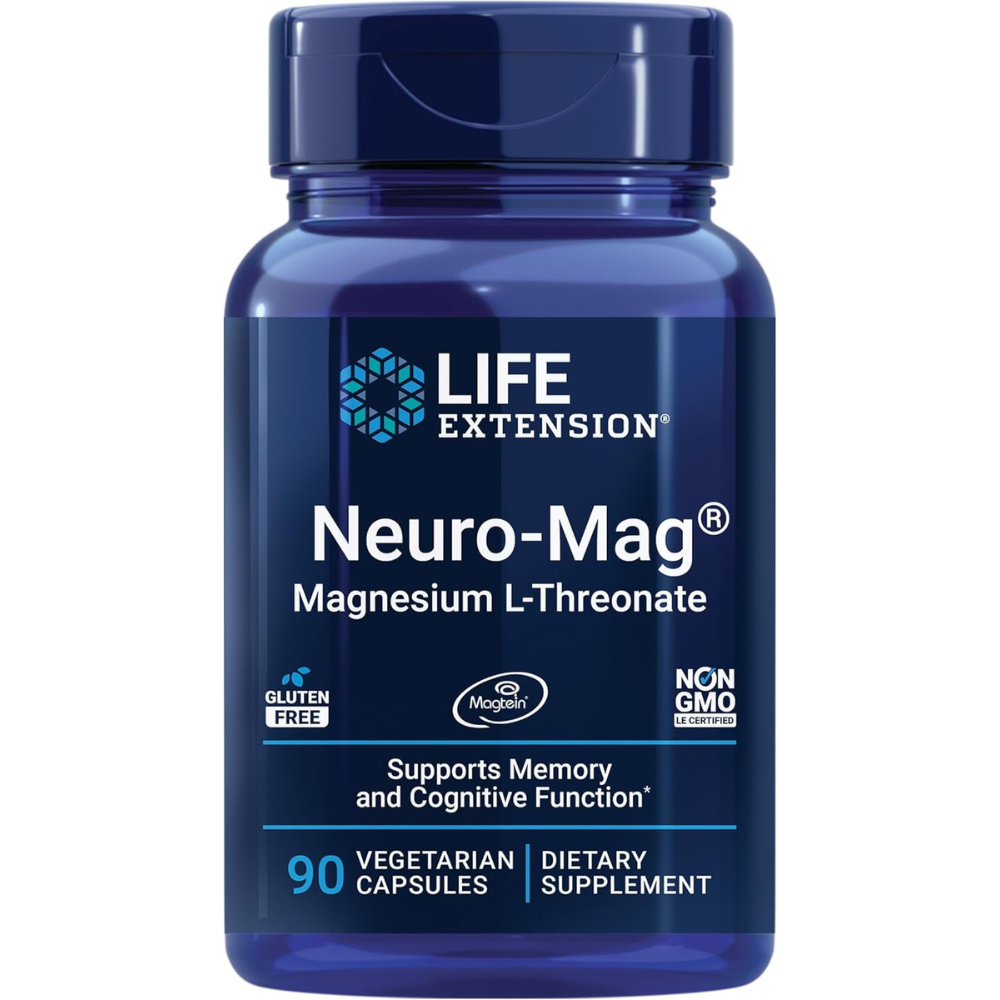
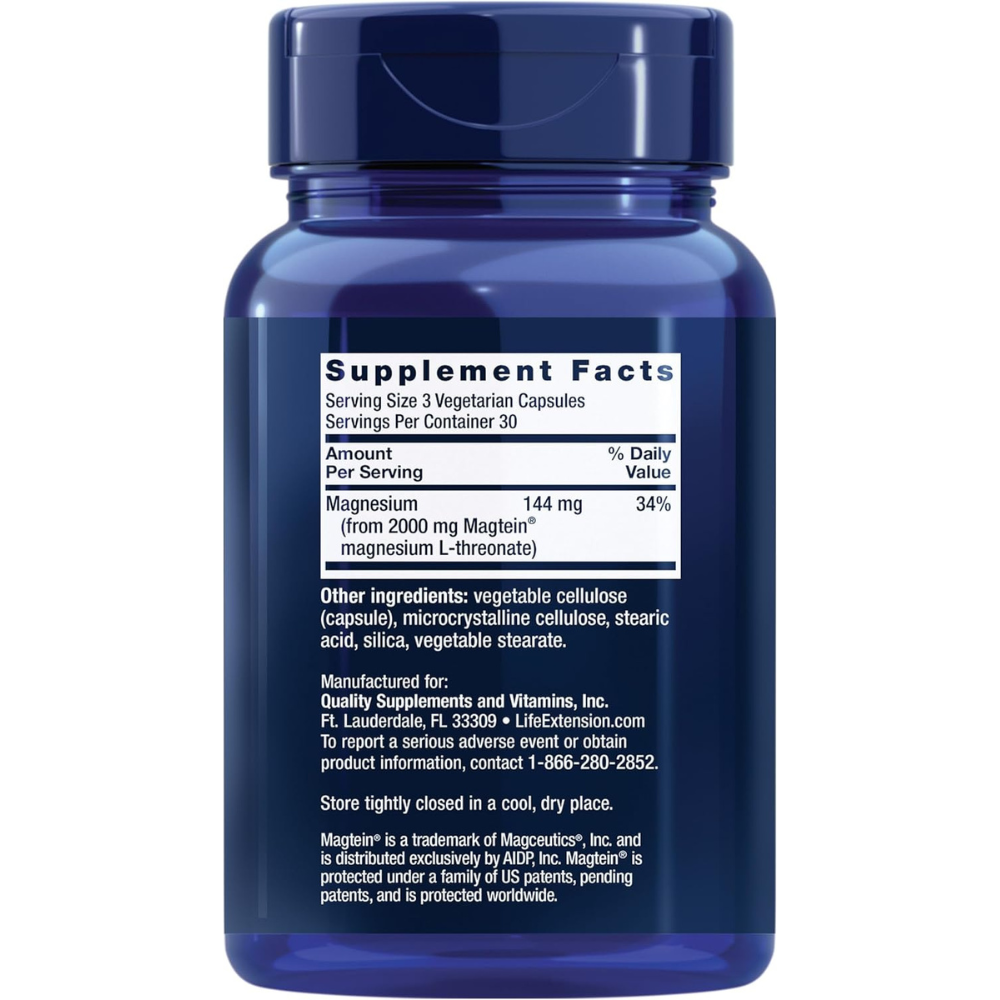
Neuro-Mag Magnesium L-Threonate
No reviews
$31.50
$42.00
It’s smart to supplement with magnesium—this essential mineral supports healthy memory and cognitive function. Neuro-Mag Magnesium L-Threonate is a special form of magnesium well-studied for cognitive health.
Magnesium is an essential mineral that plays an important role in the brain: it helps support short-term or “working” memory as well as healthy cognitive function. If you’re looking to support mind, memory, and encourage quick thinking, check out Neuro-Mag Magnesium L-Threonate.
Looking for a little short-term memory support? Neuro-Mag Magnesium L-Threonate is our customer-favorite form of brain-friendly magnesium.
Neuro-Mag Magnesium L-Threonate Benefits:
Promotes working (short-term) memory
Encourages quick thinking
Supports overall cognitive health
Also available in tropical punch flavored drink mix
Dosage and Use:
Take three (3) capsules daily, or as recommended by a healthcare practitioner.
Magnesium L-Threonate has less of a laxative effect than other forms of magnesium.
Warnings:
KEEP OUT OF REACH OF CHILDREN
DO NOT EXCEED RECOMMENDED DOSE
Do not purchase if outer seal is broken or damaged.
When using nutritional supplements, please consult with your physician if you are undergoing treatment for a medical condition or if you are pregnant or lactating.
sale
PATHWAY
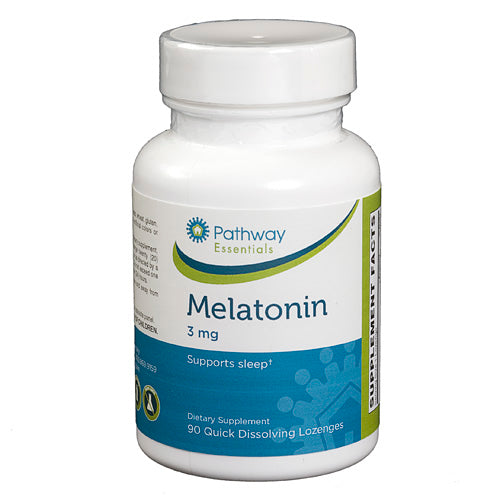
Melatonin 3 Mg
1 review
$11.89
$16.99
Regulate Sleep Naturally Melatonin is an important hormone normally secreted by the pineal gland in the brain. It is found in every cell of the body and is responsible for regulating circadian rhythms. Optimal levels of melatonin allow us to have restful and restorative sleep. Melatonin is also used when traveling to help with jet lag. Suggested Use: 1-2 capsules before bedtime or as directed
Categories
Categories
Humanized Health - NEW!
Learn about personalized health from top experts! Check out our fascinating new shows every week, available as videos, podcasts and transcripts.:
Our Bloggers
-
 Paula Gallagher
Paula is a highly qualified and experienced nutrition counselor on the staff at Village Green.
read more.. -
 Margo Gladding
Margo's impressive knowledge base is the result of a unique blend of educational and professional experience.
read more.. -
 Dr. Neal Barnard
Dr. Barnard leads programs advocating for preventive medicine, good nutrition, and higher ethical standards in research.
read more.. -
 Dr. Joseph Pizzorno
Dr. Joseph Pizzorno, ND is a pioneer of integrative medicine and a leading authority on science-based natural medicine.
read more.. -
 Debi Silber
Debi is a registered dietitian with a master’s degree in nutrition, a personal trainer, and whole health coach.
read more..
SEE ALL OF OUR BLOGGERS
Invalid password
Enter


Stay Connected
Village Green Apothecary
5415 W Cedar Ln
Bethesda, Maryland, 20814
(301) 530-0800
Toll Free: (800) 869-9159
The information provided on this site is not intended to be a substitute for advice or treatment from a qualified physician, nor is it intended to diagnose or treat a health problem or disease. Consult your physician prior to starting any new health program or if you any questions regarding a medical condition.
© 2025 Village Green Apothecary - All Rights Reserved.
