 ¡ENVÍO GRATIS! ¡Aplicado automáticamente en pedidos superiores a 74 $!



Access Denied
IMPORTANT! If you’re a store owner, please make sure you have Customer accounts enabled in your Store Admin, as you have customer based locks set up with EasyLockdown app. Enable Customer Accounts
Levotiroxina: Uno de los medicamentos recetados más comunes en los Estados Unidos.
Paula Gallagher on

La levotiroxina, una forma sintética de la hormona tiroidea tiroxina (T4), es uno de los medicamentos más recetados en los Estados Unidos. Su nombre de marca más común es Synthroid. Se utiliza principalmente para tratar el hipotiroidismo, una condición en la que la glándula tiroides no produce suficiente hormona tiroidea. Este medicamento es para pacientes cuyos cuerpos no pueden producir suficiente hormona tiroidea de forma natural, lo cual es crucial para regular el metabolismo, los niveles de energía y el bienestar general.
Cómo funciona la levotiroxina
La levotiroxina actúa reemplazando o suplementando la tiroxina que la glándula tiroides produce normalmente. Ayuda a restaurar los niveles hormonales normales, aliviando los síntomas del hipotiroidismo como la fatiga, el aumento de peso y la depresión. La dosificación adecuada de levotiroxina puede normalizar la función tiroidea, mejorando significativamente la calidad de vida de las personas afectadas por el hipotiroidismo.
Efectos secundarios comunes de la levotiroxina
Aunque la levotiroxina generalmente es bien tolerada, puede causar efectos secundarios, especialmente si la dosis no se ajusta correctamente. Los efectos secundarios comunes incluyen:
- Aumento del ritmo cardíaco (palpitaciones): Algunos pacientes pueden experimentar un aumento del ritmo cardíaco o palpitaciones, especialmente si la dosis es demasiado alta.
- Ansiedad o nerviosismo: Los niveles altos de hormona tiroidea pueden causar síntomas de ansiedad, nerviosismo o irritabilidad.
- Insomnio: Puede ocurrir dificultad para dormir, particularmente si el medicamento se toma demasiado tarde en el día.
- Pérdida de peso: Aunque se podría esperar cierta pérdida de peso a medida que el metabolismo se normaliza, una pérdida de peso excesiva podría indicar un tratamiento excesivo.
- Sudoración e intolerancia al calor: Algunos pacientes pueden experimentar sudoración excesiva o sensibilidad al calor.
- Caída del cabello: Puede ocurrir una caída temporal del cabello, especialmente en los primeros meses de tratamiento.
- Irregularidades menstruales: Las mujeres pueden experimentar cambios en su ciclo menstrual.
Deficiencias e interacciones de nutrientes
La levotiroxina puede interactuar con ciertos nutrientes y otros medicamentos, lo que podría provocar deficiencias de nutrientes o problemas de absorción:
- Calcio y hierro: Los suplementos de calcio y hierro, así como los alimentos ricos en estos minerales, pueden interferir con la absorción de levotiroxina. Se recomienda tomar estos suplementos al menos cuatro horas después de la levotiroxina para evitar una eficacia reducida.
- Vitamina D: Existe cierta evidencia que sugiere que el hipotiroidismo podría estar relacionado con la deficiencia de vitamina D. Aunque la levotiroxina en sí no causa esta deficiencia, es importante monitorear los niveles de vitamina D en pacientes hipotiroideos para la salud general.
- Soja: Los productos de soja también pueden interferir con la absorción de levotiroxina, por lo que se recomienda a los pacientes que consuman soja al menos cuatro horas después de tomar su medicamento.
- Yodo: El yodo es un componente crucial en la producción de hormona tiroidea. Sin embargo, la ingesta excesiva de yodo puede alterar la función tiroidea, por lo que los pacientes deben controlar cuidadosamente su ingesta de yodo, particularmente cuando toman levotiroxina.
venta
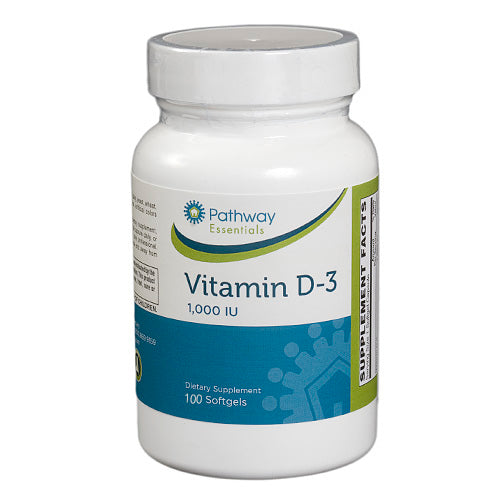

PATHWAY
Vitamina D-3 1000 UI
No reviews
$10.49
$14.99
La vitamina D juega un papel clave en el mantenimiento de la densidad y la fuerza óseas. También apoya la salud cardiovascular, la salud mental, la salud de la piel, así como la salud del sistema inmunológico. Aunque el cuerpo humano puede fabricar vitamina D en circunstancias ideales, gran parte de la población estadounidense sufre de una deficiencia de vitamina D. La vitamina D-3 es la forma más bioactiva de la vitamina D.Uso sugerido: 1 cápsula blanda al día
Other Considerations
- Timing: Levothyroxine is most effective when taken on an empty stomach, typically 30-60 minutes before breakfast. This allows for optimal absorption.
- Consistency: It’s important to take levothyroxine consistently at the same time each day to maintain steady hormone levels.
- Monitoring: Regular monitoring of thyroid hormone levels (TSH) is essential to ensure the correct dosage and to avoid the risks of over- or under-treatment.
Alternatives to Levothyroxine
Although levothyroxine is usually well tolerated, some patients find it isn’t the solution for them. There are alternatives to levothyroxine for treating hypothyroidism, but the choice of alternative treatments often depends on the patient’s specific needs, preferences, and how well they respond to levothyroxine.
Here are some common alternatives:
1. Natural Desiccated Thyroid (NDT)
Natural desiccated thyroid (NDT) is derived from the thyroid glands of pigs and contains both T4 (thyroxine) and T3 (triiodothyronine), along with other thyroid hormones. Brands like Armour Thyroid, Nature-Throid, and WP Thyroid are well-known examples of NDT.
- Advantages: Some patients feel better on NDT compared to levothyroxine because it provides a combination of T4 and T3, mimicking the natural thyroid hormone spectrum more closely.
- Disadvantages: The hormone content in NDT can vary slightly from batch to batch, and not all patients need the extra T3, which can cause symptoms of hyperthyroidism (e.g., heart palpitations, anxiety).
2. Liothyronine (Cytomel)
Liothyronine is a synthetic form of T3 (triiodothyronine). It is sometimes used in combination with levothyroxine for patients who don’t convert T4 to T3 efficiently.
- Advantages: It provides a direct source of T3, which is the active form of thyroid hormone that the body uses.
- Disadvantages: T3 has a shorter half-life than T4, requiring more frequent dosing, and it can lead to more fluctuations in thyroid levels.
3. Combination Therapy (Levothyroxine + Liothyronine)
Some patients may benefit from a combination of levothyroxine (T4) and liothyronine (T3). This approach aims to replicate the natural balance of thyroid hormones more closely.
- Advantages: It can provide better symptom relief for some patients who don't feel well on T4 alone.
- Disadvantages: Finding the right balance can be challenging, and it requires careful monitoring to avoid side effects from excess T3.
4. Compounded Thyroid Medications
Compounded thyroid medications can be customized to meet the specific needs of patients. They can include a mix of T4 and T3 in different ratios, and they are prepared by specialized compounding pharmacies.
- Advantages: Customizable dosages and hormone ratios tailored to individual needs.
- Disadvantages: They may be more expensive.
5. Over-the-Counter (OTC) Thyroid Support Supplements
There are OTC supplements marketed as thyroid support, often containing iodine, selenium, and other nutrients that support thyroid function. However, these are not replacements for prescription thyroid hormone therapy.
- Advantages: May support thyroid function in mild cases of thyroid dysfunction or for individuals looking to support thyroid health naturally.
- Disadvantages: These supplements are not regulated like prescription medications and are not suitable for treating hypothyroidism. They may also interact with thyroid medications.
When to Consider Alternatives
- Ineffective Symptom Management: If levothyroxine alone does not alleviate hypothyroid symptoms, alternatives like NDT or combination therapy may be considered.
- Side Effects: Patients experiencing side effects on levothyroxine may benefit from trying a different formulation or an alternative medication.
- Personal Preference: Some patients prefer natural alternatives like NDT over synthetic medications.
Consultation with a Healthcare Provider
It’s essential to consult with a healthcare provider before making any changes to thyroid medication. They can provide guidance based on individual thyroid levels, symptoms, and overall health to ensure the best treatment approach. Regular monitoring and adjustments are crucial when switching or combining thyroid medications to avoid under-treatment or over-treatment.
Categories
Categories
Humanized Health - NEW!
Learn about personalized health from top experts! Check out our fascinating new shows every week, available as videos, podcasts and transcripts.:
Our Bloggers
-
 Paula Gallagher
Paula is a highly qualified and experienced nutrition counselor on the staff at Village Green.
read more.. -
 Margo Gladding
Margo's impressive knowledge base is the result of a unique blend of educational and professional experience.
read more.. -
 Dr. Neal Barnard
Dr. Barnard leads programs advocating for preventive medicine, good nutrition, and higher ethical standards in research.
read more.. -
 Dr. Joseph Pizzorno
Dr. Joseph Pizzorno, ND is a pioneer of integrative medicine and a leading authority on science-based natural medicine.
read more.. -
 Debi Silber
Debi is a registered dietitian with a master’s degree in nutrition, a personal trainer, and whole health coach.
read more..
SEE ALL OF OUR BLOGGERS
Invalid password
Enter


Recursos de aprendizaje
Consultas
Farmacia/Preparación de medicamentos
Salud Humanizada
Blog de Village Green
Información general
Contáctenos
Sobre nosotros
Política de privacidad
Oportunidades de Empleo
Programa de afiliados
Mantente conectado
Village Green Apothecary
5415 W Cedar Ln
Bethesda, Maryland, 20814
(301) 530-0800
Número gratuito: (800) 869-9159
La información proporcionada en este sitio no pretende sustituir el consejo o tratamiento de un médico cualificado, ni pretende diagnosticar o tratar un problema de salud o enfermedad. Consulte a su médico antes de iniciar cualquier programa de salud nuevo o si tiene alguna pregunta sobre una afección médica.
© 2025 Village Green Apothecary - Todos los derechos reservados.
