 FREE SHIPPING! Automatically Applied on Orders Over $74!



La presión arterial es un signo vital que indica la fuerza de la sangre contra las paredes de las arterias a medida que el corazón bombea. Se mide en milímetros de mercurio (mmHg) y se registra con dos números: la presión sistólica (la presión cuando el corazón late) sobre la presión diastólica (la presión cuando el corazón descansa entre latidos). Mantener una presión arterial saludable es crucial para el bienestar general, pero lo que muchos no saben es el impacto significativo que puede tener en la salud cerebral, particularmente en relación con la enfermedad de Alzheimer.
El vínculo entre la presión arterial alta y la enfermedad de Alzheimer
La enfermedad de Alzheimer, una forma de demencia, es un trastorno neurológico progresivo que afecta la memoria, el pensamiento y el comportamiento. Desafortunadamente, actualmente no tiene cura, por lo que la prevención y la intervención temprana son fundamentales. Investigaciones previas han establecido que varias afecciones de salud, como la diabetes tipo 2, la obesidad, el colesterol alto y los accidentes cerebrovasculares, pueden aumentar el riesgo de desarrollar la enfermedad de Alzheimer.
Y ahora, un nuevo estudio ha demostrado que la presión arterial no tratada puede elevar significativamente el riesgo de Alzheimer. Específicamente, el estudio encontró que la presión arterial alta no tratada podría llevar a un aumento del 36% en el riesgo de enfermedad de Alzheimer en comparación con los individuos con presión arterial normal o baja.
venta
PATHWAY
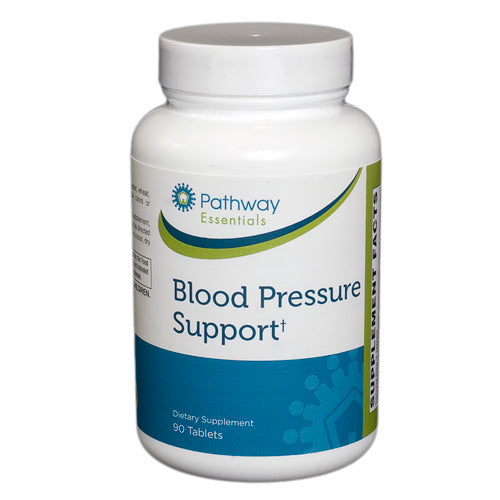
Apoyo para la Presión Arterial
No reviews
$29.39
$41.99
Apoyo sinérgico para la presión arterialBlood Pressure Support proporciona apoyo nutritivo para una presión arterial saludable. Coleus forskohlii ayuda a mantener un estado de ánimo saludable. Se incluye espino por sus beneficios estudiados para una circulación saludable. Se añaden magnesio y lúpulo para ayudar a la relajación del sistema nervioso central. Además, la taurina apoya el sistema nervioso central y se cree que es útil para lidiar con la ansiedad. Utilizamos el ingrediente registrado Forslean® que es el único Coleus forskohlii respaldado por una patente estadounidense. Uso sugerido: 1 tableta 3 veces al día con las comidas
The Importance of Managing Hypertension
Hypertension has been labeled as one of the most underdiagnosed and poorly controlled risk factors for dementia. Shockingly, it’s estimated that 46% of adults worldwide with hypertension are unaware of their condition, and among those diagnosed, only about one in five have their blood pressure adequately controlled. This statistic is concerning because untreated hypertension can have severe consequences, not only for cardiovascular health but also for cognitive function.
While the exact mechanism linking high blood pressure to Alzheimer’s disease is still being explored, it is believed that hypertension can damage the brain's blood vessels, leading to reduced blood flow and the accumulation of harmful proteins associated with Alzheimer’s. Over time, this damage can contribute to cognitive decline and the onset of dementia.
Taking Action: Early Detection and Treatment
Given the potential risks associated with untreated high blood pressure, it’s essential to prioritize regular health check-ups and monitor blood pressure levels. Early detection and intervention can make a significant difference in reducing the risk of developing Alzheimer’s disease and other related conditions.
For those diagnosed with hypertension, adhering to prescribed medications when necessary and making lifestyle changes—such as maintaining a healthy diet, exercising regularly, and reducing stress—can help manage blood pressure effectively and protect brain health.
Supplements can also be effective when used alongside healthy lifestyle changes. For example, Pathway Blood Pressure Support provides nutrients that support the central nervous system. Village Green Apothecary offers nutritionists and herbalists to help you identify supplements that may be beneficial for you.
High blood pressure is more than just a number; it’s a critical factor that can influence long-term health outcomes, including the risk of Alzheimer’s disease. By raising awareness of the importance of blood pressure management and encouraging proactive health measures, we can take steps to protect both heart and brain health.
Categories
Categories
Humanized Health - NEW!
Learn about personalized health from top experts! Check out our fascinating new shows every week, available as videos, podcasts and transcripts.:
Our Bloggers
-
 Paula Gallagher
Paula is a highly qualified and experienced nutrition counselor on the staff at Village Green.
read more.. -
 Margo Gladding
Margo's impressive knowledge base is the result of a unique blend of educational and professional experience.
read more.. -
 Dr. Neal Barnard
Dr. Barnard leads programs advocating for preventive medicine, good nutrition, and higher ethical standards in research.
read more.. -
 Dr. Joseph Pizzorno
Dr. Joseph Pizzorno, ND is a pioneer of integrative medicine and a leading authority on science-based natural medicine.
read more.. -
 Debi Silber
Debi is a registered dietitian with a master’s degree in nutrition, a personal trainer, and whole health coach.
read more..
SEE ALL OF OUR BLOGGERS
Invalid password
Enter


Learning Resources
Consultas
Farmacia/Preparación de medicamentos
Salud Humanizada
Blog de Village Green
General Information
Contáctenos
Sobre nosotros
Política de privacidad
Oportunidades de Empleo
Programa de afiliados
Stay Connected
Village Green Apothecary
5415 W Cedar Ln
Bethesda, Maryland, 20814
(301) 530-0800
Toll Free: (800) 869-9159
The information provided on this site is not intended to be a substitute for advice or treatment from a qualified physician, nor is it intended to diagnose or treat a health problem or disease. Consult your physician prior to starting any new health program or if you any questions regarding a medical condition.
© 2025 Village Green Apothecary - All Rights Reserved.
