 FREE SHIPPING! Automatically Applied on Orders Over $74!




Thyroid nutrient deficiencies can quietly stall thyroid function even when labs look fine, because a normal TSH doesn't confirm that the body is actually turning storage hormone into its active form. The thyroid mostly produces T4, a storage hormone, and the body needs to convert that T4 into T3, the active form, to actually benefit from it. Slow conversion can mean that even if your TSH looks normal, you might feel tired, mentally foggy, or sensitive to cold. Here’s what’s happening under the hood of that single number and why nutrients like selenium and zinc can help.
Why TSH Alone Misses the Story
TSH doesn't measure how much active thyroid hormone is actually present in the body's cells, it's a signal from the pituitary gland indicating how hard the brain is working to stimulate the thyroid. That's useful information, but it's just one number, and it comes well before anything that matters at the tissue level.
The trick is that TSH can be in range but T4-to-T3 conversion is still bad. The signal can be in range but the actual result isn't.
Where T4-to-T3 Conversion Actually Happens

The thyroid gland secretes almost exclusively T4, which is in itself biologically inactive, as it’s a precursor or storage form. In the liver, intestines, and other tissues, specific enzymes cleave off an iodine molecule from T4, turning it into T3, the active thyroid hormone that regulates body temperature, metabolism, and energy expenditure.
Once that conversion process slows, your active hormone levels drop even when TSH and T4 are still normal on bloodwork. You wouldn’t catch this on a single test. People experiencing this will usually tell you they have these symptoms:
-
Fatigue that doesn't resolve with rest
-
Brain fog or sluggish thinking
-
Feeling cold when others feel comfortable
-
Unexplained weight changes
A lot of people with a normal TSH but poor conversion from T4 to T3 remain symptomatic due to that poor conversion, with fatigue, brain fog, feeling cold, and weight gain/loss being some of the more common symptoms, and selenium and zinc are two of the key nutrient cofactors involved in that conversion process.
How Nutrient Deficiencies Stall Thyroid Health
Conversion enzymes, which convert T4 to T3, also require trace minerals to do their job. When those nutrients run low, the entire process slows down, even if the thyroid gland itself is perfectly healthy. Research on nutrient deficiencies and underactive thyroid health points to trace elements as key contributors to this mechanism, which is exactly why it's worth looking at the broader nutritional picture rather than a single lab result when someone feels unwell despite a normal TSH.
The Mineral That Suppresses Conversion When Low
This enzyme needs a selenium cofactor to convert T4 into T3, and thus selenium deficiency may hinder this process. I’ve seen recommendations to take 100-200 mcg of selenium to help with T4 to T3 conversion. However, there is a UL for selenium, and more isn’t necessarily better. It’s probably better to check your current intake and levels first with a health care provider before you start taking a supplement.
Several studies suggest that selenium is a trace element highly linked to thyroid hormone metabolism.
The Other Nutrients Your Thyroid Depends On

Selenium gets most of the credit, but zinc is an important supporting actor. It helps support the pituitary-thyroid axis, the feedback loop that keeps hormone signaling in balance. Zinc is commonly discussed in the 15–30 mg range, and low levels may contribute to sluggish thyroid signaling.
B vitamins matter here as well, since energy metabolism leans heavily on them, particularly when thyroid output is already reduced. A quality Coenzymated B-Complex may help support that broader metabolic load.
A few nutrients worth knowing in this space:
-
Selenium, a cofactor for T4-to-T3 conversion
-
Zinc, supports the pituitary-thyroid axis
-
Iodine, a raw material used directly in making thyroid hormone
-
Iron, supports the enzyme responsible for producing thyroid hormone in the first place
Tests Worth Asking Your Practitioner About
If your levels come back normal, but you’re still symptomatic, you might consider requesting a more extensive panel of tests. It could determine whether you have a conversion problem, instead of a thyroid problem, responsible for your ongoing symptoms.
Conversations worth having with a practitioner often include:
-
Free T4 and Free T3, to assess the relationship between stored and active hormone
-
improve T3, which can flag a conversion problem specifically
-
Selenium and zinc status, if deficiency in either is suspected
How Village Green Can Help
A compounding pharmacy with a dedicated clinical team is well positioned to look beyond TSH alone, checking thyroid labs more thoroughly and reviewing the specific nutrients involved in T4-to-T3 conversion that may help explain ongoing symptoms. From there, a personalized protocol can be built around actual labs and how someone genuinely feels, something a typical chain pharmacy generally isn't equipped to offer. A lab review consultation is a good starting point for going through those numbers together.
Selenium and the Conversion Enzyme
The deiodinases that convert T4 to T3 are actually selenoproteins, which means they rely on selenium as an active ingredient to work properly. Selenomethionine and selenium yeast are perhaps the two most commonly used forms of selenium supplementation; they’re also both highly bioavailable. Because the NIH has established the tolerable upper limit for adult daily intake of selenium at 400 mcg, checking your current levels before supplementing is probably the more cautious approach.
Key Takeaways
-
A normal TSH does not mean your body is converting T4 to T3 well.
-
The inability to convert T4 to T3 effectively can cause fatigue, brain fog, coldness, and weight gain even when thyroid labs are "normal."
-
A critical component of the T4-to-T3 conversion is selenium, usually given in the 100-200 mcg range.
-
Zinc helps with the pituitary-thyroid axis and is usually taken around 15-30mg.
-
Additional testing can help determine whether there is a conversion issue that wouldn't be identified with a single TSH test.
Frequently Asked Questions
Can I have a normal TSH and still have a thyroid problem?
Yeah, because TSH isn't a measurement of how much T3 you have, it's just your pituitary telling your thyroid to work. A lot of people can't convert their T4 to T3 well enough and still have symptoms despite a normal TSH level, so that's why many recommend doing a broader panel.
How much selenium is linked to thyroid conversion?
When we talk about selenium being a cofactor for the enzyme that converts T4 to T3 we usually see it discussed in the 100-200mcg range. Again, there is an upper limit to selenium intake, so more isn’t always better. Verifying your current intake and levels with your provider prior to supplementation is advised.
Does zinc affect thyroid function?
Yes, zinc supports the pituitary-thyroid axis, the signaling loop that helps coordinate hormone production. It's commonly discussed in the 15–30 mg range, and low levels may contribute to sluggish thyroid signaling.
What symptoms suggest poor T4-to-T3 conversion?
Other issues that may indicate a problem with conversion include chronic tiredness, mental cloudiness, low body temperature, or even weight gain without an obvious cause despite having a normal TSH level. Keep in mind that these symptoms are not unique to conversion problems and should be considered along with other results on the full thyroid panel and interpreted by a physician.
What actually causes poor T4-to-T3 conversion?
One of the main drivers is a lack of the micronutrients the enzymes need, for example, selenium is necessary for enzyme function, and zinc is required for the normal functioning of the pituitary-thyroid axis which controls the entire process. The conversion can be poor even in the presence of a perfectly functional thyroid gland, so it’s important to make sure your nutrient levels are also tested.
The purpose of this article is strictly educational, and does not constitute individualized medical advice. Consult your doctor or pharmacist before using any new supplement, including selenium, which has a small window of safety at high doses.
Conversion problems can also trace back to low iron, which supports the enzyme responsible for producing thyroid hormone in the first place, and to low iodine, the raw material used directly in making thyroid hormone. Because these issues can happen even with a healthy gland, it may help to test your nutrient levels with a practitioner rather than relying on a single TSH result.
sale
PATHWAY
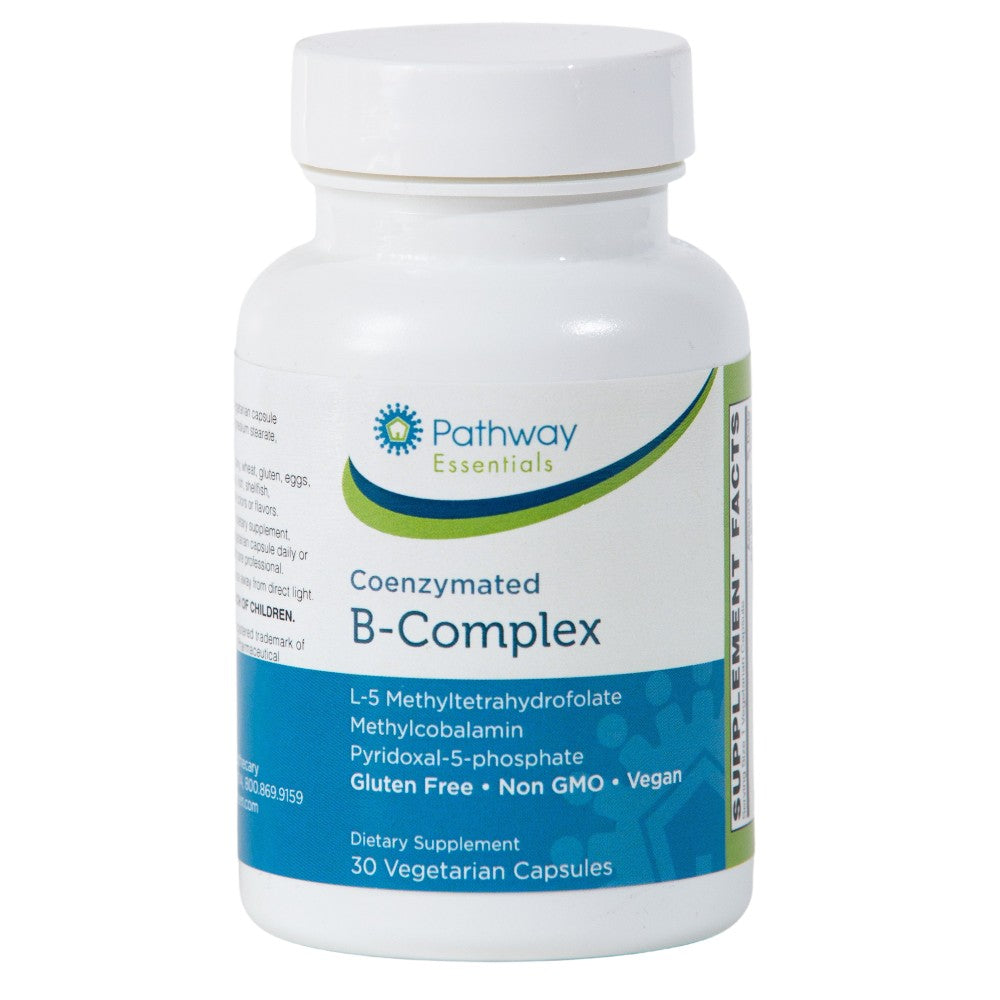
Coenzymated B-Complex
No reviews
$20.29
$28.99
Coenzymated B-Complex
High-potency, activated forms
B complex vitamins are a group of water-soluble vitamins that are involved in many important processes in the body, such as energy production, nervous system function, red blood cell production, DNA synthesis, immune system function, and mood regulation. Some individuals with certain genetic variations or digestive issues have difficulty converting standard B vitamins into their active forms. Taking coenzymated B vitamins provides the body with activated forms, which are more easily absorbed and utilized by the body, as they do not require any conversion.
Suggested Use: 1 capsule daily or as directed by your healthcare practitioner
References
- The Role of Nutrition on Thyroid Function (PubMed, 2024)
- Trace elements and the thyroid (PubMed, 2022)
- Selenium — Health Professional Fact Sheet, NIH Office of Dietary Supplements
- Zinc — Health Professional Fact Sheet, NIH Office of Dietary Supplements
- Nutritional deficiencies in women and their impact on thyroid disorders (PubMed, 2025)
- Metabolic Characteristics of Hashimoto's Thyroiditis Patients and the Role of Microelements and Diet (PubMed, 2022)
- Thyroid-Gut-Axis: How Does the Microbiota Influence Thyroid Function? (PubMed, 2020)
- Iodine — Health Professional Fact Sheet, NIH Office of Dietary Supplements
- Selected Essential and Toxic Chemical Elements in Hypothyroidism-A Literature Review (2001-2021) (2021)
- Iodine and Thyroid Dysfunction in Ageing: Nutritional, Pharmacologic, and Microbial Modifiers in Older Adults (2026)
Categories
Categories
Humanized Health - NEW!
Learn about personalized health from top experts! Check out our fascinating new shows every week, available as videos, podcasts and transcripts.:
Our Bloggers
-
 Paula Gallagher
Paula is a highly qualified and experienced nutrition counselor on the staff at Village Green.
read more.. -
 Margo Gladding
Margo's impressive knowledge base is the result of a unique blend of educational and professional experience.
read more.. -
 Dr. Neal Barnard
Dr. Barnard leads programs advocating for preventive medicine, good nutrition, and higher ethical standards in research.
read more.. -
 Dr. Joseph Pizzorno
, ND is a pioneer of integrative medicine and a leading authority on science-based natural medicine.
read more.. -
 Debi Silber
Debi is a registered dietitian with a master’s degree in nutrition, a personal trainer, and whole health coach.
read more..
SEE ALL OF OUR BLOGGERS
Invalid password
Enter


Stay Connected
Village Green Apothecary
5415 W Cedar Ln
Bethesda, Maryland, 20814
(301) 530-0800
Toll Free: (800) 869-9159
The information provided on this site is not intended to be a substitute for advice or treatment from a qualified physician, nor is it intended to diagnose or treat a health problem or disease. Consult your physician prior to starting any new health program or if you any questions regarding a medical condition.
© 2025 Village Green Apothecary - All Rights Reserved.
