 FREE SHIPPING! Automatically Applied on Orders Over $74!




Nitric oxide is a tiny gas molecule the body makes that helps relax and widen blood vessels, and certain foods, beet juice, arugula, garlic, pomegranate, and citrus among them, may help support how much of it gets produced. This effect is also increasingly pronounced as one ages. Studies have shown that your body's production of nitric oxide can decline significantly over the decades. People who produce lower amounts of nitric oxide also tend to have higher blood pressure and exhibit more inflammation in the walls of their blood vessels. The food on your plate affects how much nitric oxide your body creates.
What Nitric Oxide Really Does in Your Body

Nitric oxide is a signaling molecule secreted by the endothelium (the innermost layer of the blood vessel wall) that tells your blood vessels to relax. When blood vessels relax, they widen. Your blood flows better and blood pressure goes down. Nitric oxide is one of the key compounds associated with heart health because it keeps arteries from getting too hard over time.
The catch is that nitric oxide production naturally declines with age, and research suggests levels can drop significantly across the decades. Lower levels correlate with both higher blood pressure and greater arterial inflammation, which is why inorganic nitrate has become an active area of cardiovascular research.
The Best Natural Nitric Oxide Foods

The body can make nitric oxide from the amino acid L-arginine, or from dietary nitrates from plants, which the body converts into nitric oxide with the help of bacteria in the mouth. That second pathway is where food plays its biggest role. The strongest natural nitric oxide foods to build a routine around include:
Beet juice, one of the richest dietary nitrate sources
Arugula and other nitrate-dense leafy greens
Garlic, which may support the nitric oxide pathway
Dark chocolate, for its cocoa polyphenols
Citrus fruits like oranges and lemons
Pomegranate seeds
Fermented foods such as sauerkraut and kimchi
Why Beets Top the List
Beets earn their spot at the top of any list of nitric oxide foods because they're high in inorganic nitrate, which the body converts into nitric oxide. Research on dietary nitrate metabolism traces how ingested nitrate moves through the mouth, into circulation, and on to skeletal muscle, where it is associated with improved blood flow during exercise.
The most commonly studied forms of beet juice are concentrated, since dietary nitrate is abundant in that form and easily converted by the body. For anyone who isn't a fan of the earthy taste, roasted beets, grated raw beets on a salad, or beets blended into a smoothie all count just as well.
Pomegranate and the Leafy Greens
Pomegranate seeds are rich in polyphenols, which may help protect nitric oxide after it's been synthesized in the body. Leafy greens are the quiet workhorses of this whole system, arugula, spinach, and Swiss chard are all high in natural nitrate content.
A systematic review and meta-analysis of randomised controlled trials on food sources of nitrate, polyphenols, L-Arginine, and L-Citrulline found these are associated with endurance exercise performance. One easy habit to build up is one large salad a day with a few pomegranate seeds on top, which would cover both of these avenues.
Vegetarian Sources of Nitric Oxide
Here's the good news for vegetarians: most of these nitric oxide foods are vegetarian-friendly. Think beets, arugula, garlic, citrus, pomegranate, and fermented veggies.
For the L-arginine and L-citrulline pathway specifically, these plant sources are worth including:
Watermelon, a well-known source of L-citrulline
Walnuts and other nuts
Seeds like pumpkin and sunflower
Legumes such as chickpeas and lentils
Whole grains for a steady diet
How to Boost Nitric Oxide Through Diet
How to boost nitric oxide foods?
The first step is knowing which foods help boost your nitric oxide levels, but the second step is actually incorporating them into your diet. Here’s a simple, repeatable plan to help you get started:
Eat nitrate-rich greens or beets most days, not just occasionally
Add polyphenol-rich foods like pomegranate, citrus, and dark chocolate
Include garlic and fermented foods for variety
Go easy on harsh antibacterial mouthwash, since mouth bacteria play a direct role in converting nitrate into nitric oxide
Support the larger cardiovascular picture with the basics your body requires as a whole
Where Supplements Can Fit
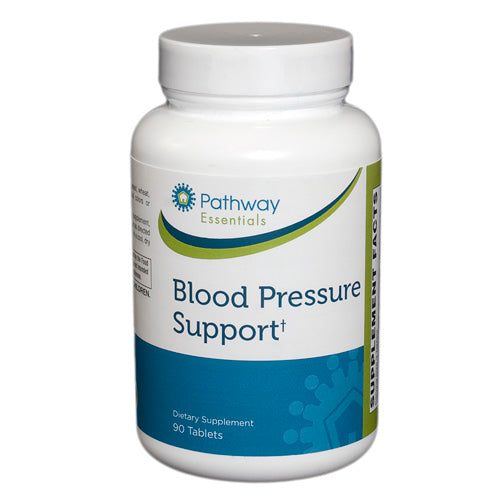
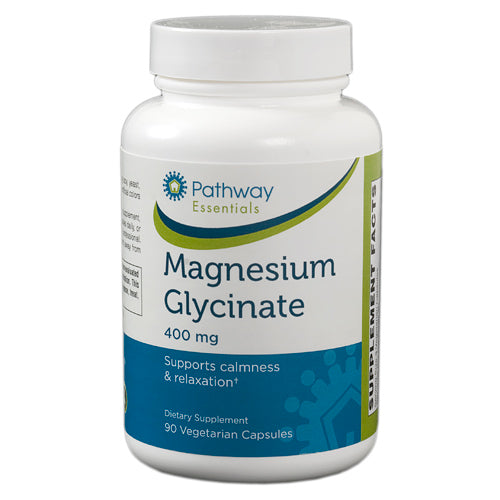
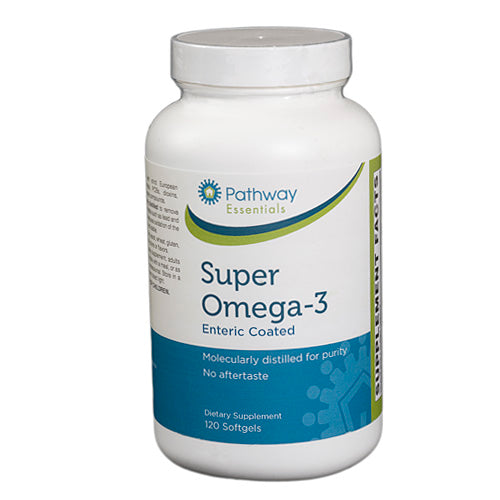
Food comes first, but some people layer in targeted support for the heart and vessels as well. For Blood pressure support, options from the blood pressure collection, including Blood Pressure Support, Magnesium Glycinate 400mg, or a quality fish oil like Super Omega-3 EC, are worth considering. Garlic lovers sometimes look at Allimed 450mg as a more concentrated option.
Everyone's numbers and needs differ, so a lab review consultation with a clinical team is a good way to build a plan tailored to individual labs and goals.
Key Takeaways
Nitric oxide is a chemical messenger that plays a key role in cardiovascular health and is known to decrease as people get older.
Low nitric oxide levels go hand in hand with higher blood pressure and more arterial inflammation.
Among the benefits of nitric oxide foods, the top ones include beet juice, arugula, garlic, dark chocolate, citrus, pomegranate seeds, and fermented foods.
Bacteria in your mouth also help convert the nitrate you ingest from food to nitric oxide. That’s another reason why dental hygiene is important.
Diet is a strong foundation, and a clinician can help personalize a broader plan.
Frequently Asked Questions
What is nitric oxide, and what counts as a nitric oxide food?
Nitric oxide is a signalling molecule your body makes that causes your blood vessels to relax and open up, which leads to better blood flow. The foods highest in dietary nitrates and other helpful nutrients are beets (beet juice), leafy greens (like arugula), garlic, dark chocolate, citrus fruits, pomegranate seeds and fermented foods (sauerkraut and kimchi). You won't find nitric oxide in these foods directly, but they do contain dietary nitrates, which are converted to nitric oxide by bacteria in your mouth. Your body also uses polyphenols to create nitric oxide. Nitric oxide production drops off as we age, so adding more nitric oxide foods to your diet can only help in the long run.
What's the best way to boost nitric oxide through diet?
Consistency matters more than any single food. Eating nitrate-rich greens or beets most days, adding polyphenol-rich foods like pomegranate and citrus, and including garlic and fermented foods regularly all support the process. It's also worth going easy on harsh antibacterial mouthwash, since the bacteria it targets are part of how the body converts dietary nitrate into nitric oxide in the first place.
Do all nitric oxide foods work the same way?
No, they generally work through one of two distinct pathways. Nitrate-rich beets and greens like arugula, spinach, and Swiss chard fuel one pathway, while watermelon, walnuts, seeds, and legumes supply L-citrulline and L-arginine to support the other. Combining foods from both pathways, used consistently, tends to offer broader support than relying on a single source.
Does timing matter, should nitric oxide foods be eaten at a specific time of day?
Not especially. The evidence points more toward consistency than timing, regularly working nitrate-rich greens and beets into a daily routine matters more than when during the day they're eaten.
What are high nitric oxide foods?
Beets, arugula, spinach, garlic, dark chocolate, citrus fruit, pomegranate seeds, fermented vegetables such as sauerkraut and kimchi are all good candidates, as they contain high levels of nitrate, the chemical signifier for nitric oxide foods. Concentrated beet juice is one of the most potent sources of dietary nitrate available. Watermelon, walnuts, seeds, and legumes also contribute to the mix with their L-citrulline and L-arginine, delivered via a different pathway, so blending a few of these sources into your diet is generally more effective than choosing only one.
The purpose of this article is educational only and is not meant to be a replacement for personalized medical advice. Consult your physician before making any major dietary changes or taking any supplements, especially if you are on medication to manage your blood pressure.
Some to start with include beet juice, arugula, spinach, and Swiss chard, plus garlic, dark chocolate, citrus fruits, pomegranate seeds, and fermented foods like sauerkraut and kimchi. Watermelon, walnuts, seeds, and legumes add support through the L-citrulline and L-arginine pathway, so mixing a few of these into your diet may help more than relying on just one.
sale
PATHWAY
Blood Pressure Support
No reviews
$29.39
$41.99
Synergistic Blood Pressure SupportBlood Pressure Support supplies nutrient support for healthy blood pressure. Coleus forskohlii helps in supporting a healthy mood. Hawthorn is included for its studied benefits for healthy circulation. Magnesium and hops are added to aid in the relaxation of the central nervous system. And, Taurine supports the central nervous system and is thought to be helpful in dealing with anxiety. We use the trademark ingredient Forslean® which is the only Coleus forskohlii supported by a US patent. Suggested Use: 1 tablet 3 times daily with meals
sale
PATHWAY
Magnesium Glycinate 400Mg
reviews
$18.89
$26.99
Highly Absorbable Magnesium
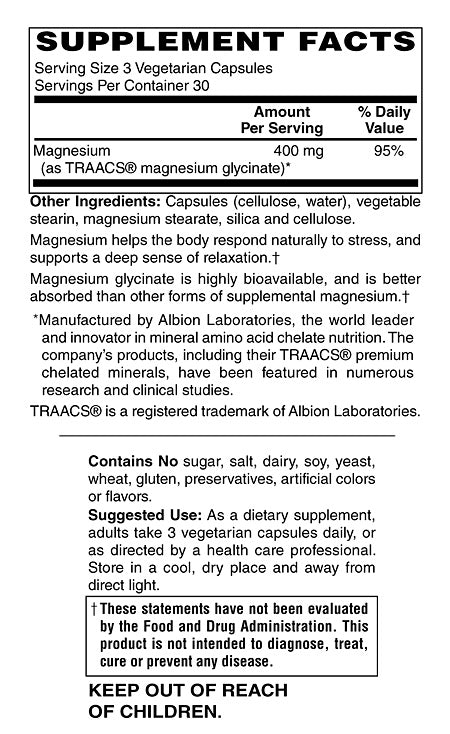
Magnesium plays an essential role in hundreds of cellular reactions in they body, and is considered one of the most important minerals. In the U.S., magnesium deficiency is common, and can result from depleted soil, digestive issues, chronic diseases, and medication use. Symptoms of magnesium deficiency include leg cramps, insomnia, muscle pain, anxiety, high blood pressure, blood sugar imbalances, fatigue, migraines, and osteoporosis. Pathway Magnesium Glycinate is a chelated form of magnesium which provides high levels of absorption and bioavailability and is an ideal recommendation for individuals wanting to correct a magnesium deficiency.
Suggested Use: 3 capsules daily
sale
PATHWAY
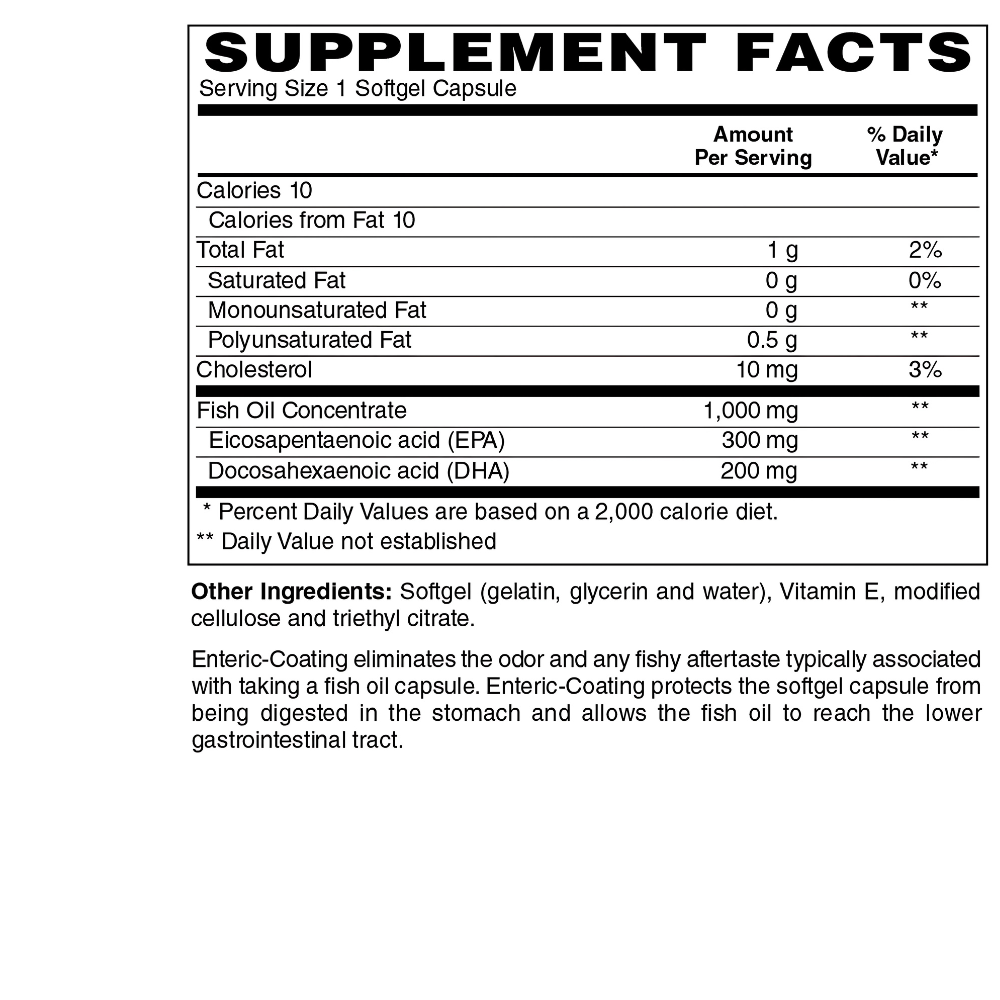
Super Omega-3 EC
review
$36.04
$51.48
Enteric Coating Reduces Fish Burps
Super Omega-3 is molecularly distilled for purity and contains high concentrations of the essential fatty acids Omega-3 EPA & DHA (300 mg & 200 mg respectively). Omega-3 fatty acids are very important, supportive nutrient of cardio health as well as brain and ocular health. Each softgel is enteric coated to eliminate the odor and fishy aftertaste typically associated with taking a fish oil capsule. Enteric coating also protects the softgel capsules from being digested in the stomach and allows the fish oil to reach to the lower GI tract for absorption.
Suggested Use: 1 softgel 2 times daily
sale
SINUS SURVIVAL
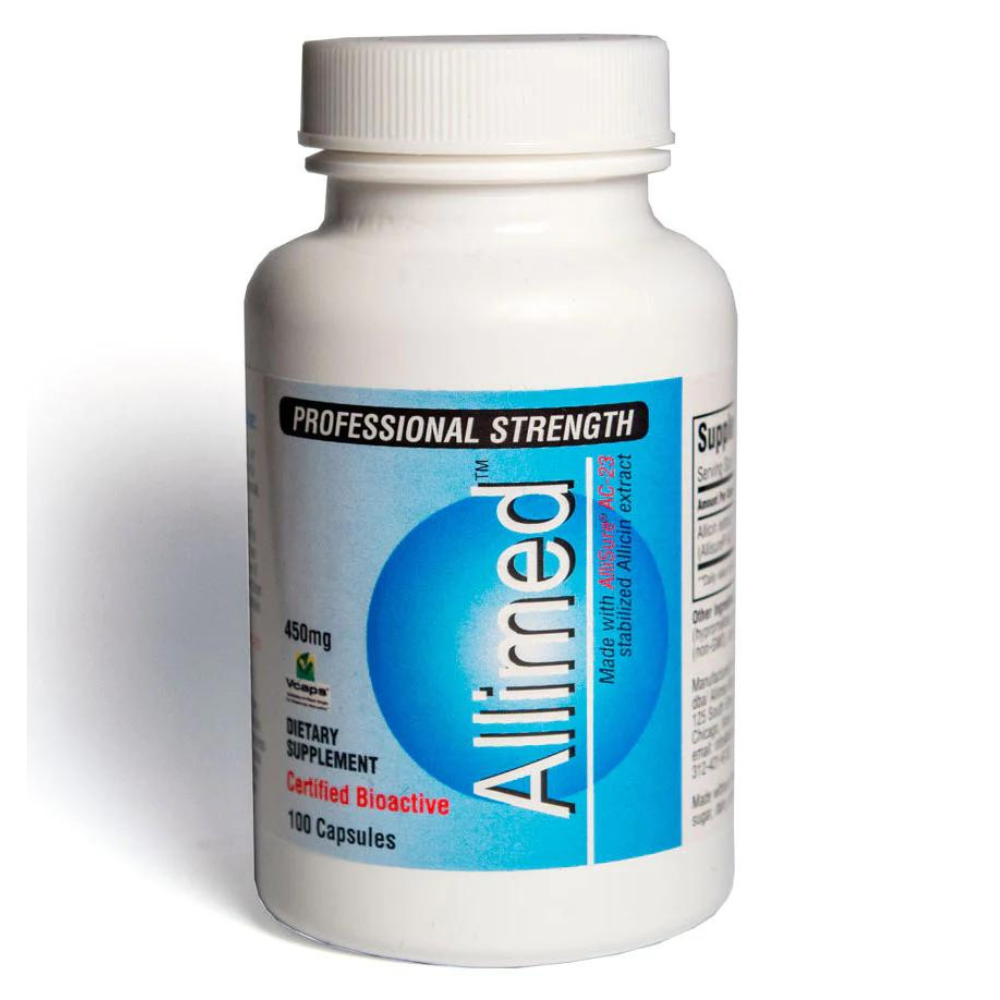
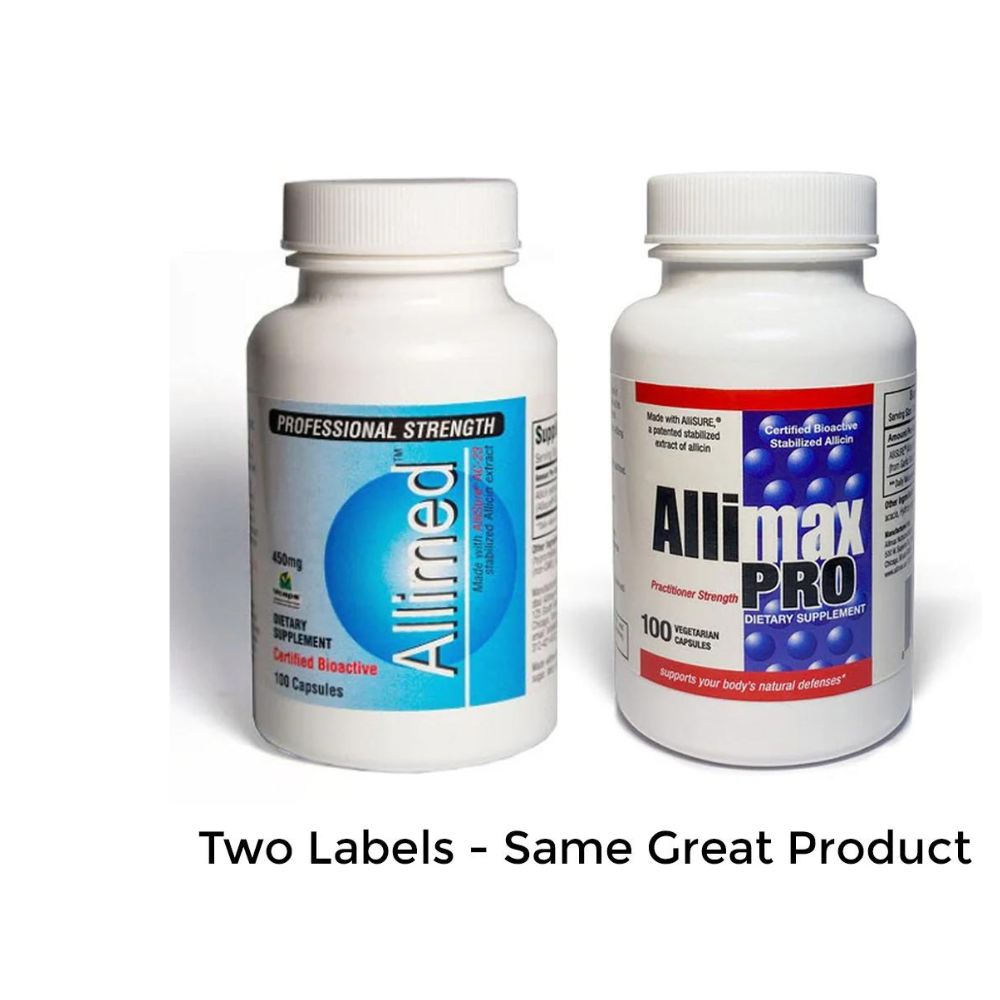
Allimed 450mg / Allimax Pro 450mg
reviews
$149.25
$199.00
Unlock The Power of Fresh Garlic Today!Allimed or Allimax Pro with Allisure AC-23 (450 mg) capsules 100 count (bottle)Allimed provides the body 100% yield of allicin. A patented extraction process produces allicin and locks all its benefits into convenient, one-a-day capsules designed for rapid absorption into your body.Allimed's sophisticated refinement allows us to capture garlic's active component, Allicin and deliver it directly to where your body needs it.Ingredients: Allimed Capsugel vegetarian size "0" capsules contain 450 mg Allisure AC-23 concentrated natural allicin extracted from fresh garlic. The casing is Non-GMO Maltodextrin. Free from artificial coloring, flavoring, salt, gluten, and preservatives. Suitable for vegans and vegetarians.Formulation: vegetarian capsule containing Maltodextrin, Gum Acacia, and Allicin.Dosage: Up to 8 capsules per day may be taken if needed, and just one capsule a day of Allimed with food can be beneficial for health and well-being. It is easily absorbed.
sale


SINUS SURVIVAL
Allimed 450 Mg
review
$96.75
$129.00
Studies have proven Allimed to be effective in treating and preventing the common cold (anti-viral properties), and in killing bacteria that have been resistant to antibiotics (anti-bacterial).
Other published studies have shown it to be effective against candida albicans (anti-fungal). It is also odor-free. Allimed serves as our "natural antibiotic." Allimed contains 100% pure allicin, the active ingredient in garlic. Allicin is the "mother" substance that breaks down to form a family of compounds that have a beneficial effect upon human health and general well-being. Garlic has been used for thousands of years to treat a variety of ailments from hypertension and coughs, to atherosclerosis (hardening of the arteries) and diarrhea. However, nearly all garlic supplements are largely inactivated by stomach acid rendering them incapable of producing any allicin. Recent studies have shown that less than 5% of the potential allicin is actually released by the vast majority of garlic supplements. Allimed, manufactured through a patented distillation process, is the first garlic supplement to produce a 100% allicin yield.
Suggested Use: For general immune support, take one capsule daily. For acute support, take up to 8 capsules daily.
References
- Dietary Nitrate and Nitric Oxide Metabolism: Mouth, Circulation, Skeletal Muscle, and Exercise Performance (PubMed)
- Effect of food sources of nitrate, polyphenols, L-arginine and L-citrulline on endurance exercise performance (PubMed)
- Supplementation with Nitric Oxide Precursors for Strength Performance (PubMed)
- Effects of low habitual cocoa intake on blood pressure and bioactive nitric oxide: a randomized controlled trial (PubMed)
- Acute effects of nitrate and breakfast on working memory, cerebral blood flow, and arterial stiffness (PLOS ONE)
- MedlinePlus
- MedlinePlus Drugs & Supplements: L-arginine
- USDA FoodData Central
Categories
Categories
Humanized Health - NEW!
Learn about personalized health from top experts! Check out our fascinating new shows every week, available as videos, podcasts and transcripts.:
Our Bloggers
-
 Paula Gallagher
Paula is a highly qualified and experienced nutrition counselor on the staff at Village Green.
read more.. -
 Margo Gladding
Margo's impressive knowledge base is the result of a unique blend of educational and professional experience.
read more.. -
 Dr. Neal Barnard
Dr. Barnard leads programs advocating for preventive medicine, good nutrition, and higher ethical standards in research.
read more.. -
 Dr. Joseph Pizzorno
, ND is a pioneer of integrative medicine and a leading authority on science-based natural medicine.
read more.. -
 Debi Silber
Debi is a registered dietitian with a master’s degree in nutrition, a personal trainer, and whole health coach.
read more..
SEE ALL OF OUR BLOGGERS
Invalid password
Enter


Stay Connected
Village Green Apothecary
5415 W Cedar Ln
Bethesda, Maryland, 20814
(301) 530-0800
Toll Free: (800) 869-9159
The information provided on this site is not intended to be a substitute for advice or treatment from a qualified physician, nor is it intended to diagnose or treat a health problem or disease. Consult your physician prior to starting any new health program or if you any questions regarding a medical condition.
© 2025 Village Green Apothecary - All Rights Reserved.
