 FREE SHIPPING! Automatically Applied on Orders Over $74!



It is 3 a.m., and you’re wide awake once more.
You aren't eating differently and you aren't training differently but something about your body has changed. Maybe your jeans no longer fit your body and your memory isn't what it used to be. You walk into a room this week and you don't even remember what you are looking for.
So when you did talk about it, someone would tell you that you were probably just stressed.
For a very large proportion of women in their forties, what they are experiencing isn't stress at all. It is perimenopause, one of the most unrecognized transitions in women's health, in part because it can start many years before it even occurs to anyone to call it that.
But that good news is: This stage is well-characterised and there is lots you can do to improve how you feel. Diet, exercise, sleep, and stress levels, alongside a few specific supplements, can all have a huge influence.
Key Takeaways
-
Perimenopause is the stage that comes before menopause. It typically starts in your 40s and lasts four to eight years.
-
The driver, the hormones, isn't steadily declining, it is fluctuating, hence why symptoms can flare up and down at any time.
-
You can't rule it out with a standard hormone blood test. The signs and symptoms of perimenopause and menopause are identified clinically, based on age, cycle patterns, and symptoms.
-
Testing still has its place in cases like thyroid conditions, iron deficiency or Vitamin D deficiency.
-
Bone loss occurs during this period but without any symptoms, so this is the time you should act.
-
The menopause transition is a time when lipid profiles and metabolic markers change significantly, and standard lipid testing may not fully capture that shift.
-
The way you experience the transition largely depends on how well your internal landscape is supported, such as your liver, gut, blood sugar, and adrenals.
-
You can mitigate this transition significantly with a balanced blood sugar diet, resistance exercise, sleep, managing stress, and the right nutrients.
What Is Perimenopause?

Perimenopause literally means "around menopause." It's the transitional phase when estrogen and progesterone begin to fluctuate, before menstrual periods stop completely.
Menopause is actually an event: specifically, it's recognized after a woman has gone 12 months without menstruating. All that leads up to the event, that period before menopause, is known as perimenopause, and that's when most symptoms arise.
When Do Perimenopause Symptoms Start?
Most women start experiencing perimenopause in their 40s, although some report signs beginning in their mid-to-late 30s. The duration is variable, ranging from a few years to more than a decade, but the average transition time for most women is four to eight years.
Common Signs and Symptoms of Perimenopause
Every woman's experience is different, but the most commonly reported signs of perimenopause symptoms include:
Changes in Menstrual Cycles
-
Irregular periods
-
Heavier or lighter bleeding
-
Changes in cycle length
-
Missed periods
Cycle changes are typically one of the first indicators, and often precede all others.
Hot Flashes and Night Sweats
Feelings of warmth can be sudden, leading to flushing and sweating and, paradoxically, chills. They can happen any time of day or night, but night sweats in particular can disrupt sleep. Poor sleep quality then magnifies fatigue, irritability, and brain fog the next day.
Mood Changes
Hormonal fluctuations affect neurotransmitters involved in mood regulation and may contribute to:
-
Irritability
-
Anxiety
-
Mood swings
-
Increased stress sensitivity
-
Low mood
When mood symptoms are severe, persistent, or interfering with life, they require evaluation by a healthcare provider as a primary concern, rather than being automatically attributed to hormones.
Sleep Disturbances
The inability to fall asleep, to remain asleep or to wake in the early hours of the morning and then be unable to return to sleep may occur before the first missed period. The calming and sleep-promoting properties of progesterone are well known, and it is one of the reasons why many women complain of poor sleep before their periods become erratic or absent.
Brain Fog and Memory Changes
Lots of women say they are finding it hard to focus on things, forget things easily, have difficulty recalling certain words, and have trouble thinking as clearly as before. It's all real stuff, it's very common and usually temporary.
Weight Gain and Body Composition Changes
Shifting hormones may contribute to increased abdominal fat, reduced muscle mass, a slower metabolic rate, and increased insulin resistance. Interestingly, body composition can change even if the scale remains the same; in fact, muscle can be lost while fat is gained at the same time.
Fatigue
Low energy can result from poor sleep, hormonal imbalance, chronic stress, and nutrient deficiencies.
Vaginal Dryness and Reduced Libido
When estrogen levels drop, it might influence how healthy your vaginal tissues are, your level of sexual comfort and your sex drive.
What Causes Perimenopause Symptoms?
Can perimenopause symptoms come and go
And here's where most women are surprised. They expect it to be the decline of their hormones that causes the symptoms. They don't expect it to be the fluctuations.
Estrogen in perimenopause doesn't decrease linearly, but it fluctuates. Sometimes it shoots way up high, even higher than in your childbearing years. Other times, it drops drastically. This can even happen within a single cycle. And progesterone, which follows a more predictable pattern, steadily decreases as ovulation gets less reliable. This causes the progesterone-to-estrogen ratio to shift.
And this is the reason why your symptoms appear to be so capricious. The good month and then the bad month is not you being paranoid; that is exactly what your hormones are doing.
Women in their 40s and 50s are juggling high-powered jobs, raising kids, caring for parents, dealing with economic issues, and have busy calendars. While it's true that perimenopause does not result from these factors, they can certainly have a magnified effect on symptoms.
Why "Normal" Lab Results Don't Rule It Out
A lot of women get blood work done, they’re told their hormones appear fine and then they walk out even more confused than when they walked in.
Here is where the issue comes in: Because estrogen levels and follicle-stimulating hormone levels jump around wildly during perimenopause, a single test can only give you a snapshot into what’s happening at that one moment in time. It is possible that you have an “unremarkable” test result in one month and have completely different ones in another. Neither is technically more accurate; they are each a snapshot.
That is why perimenopause is usually defined in a clinical setting using your age, the pattern of your cycles, and the presence of symptoms instead of relying on a solitary laboratory value. A normal result simply does not mean that nothing is going on.
It doesn't mean testing is worthless. It means testing is most useful for something else entirely, which we'll get back to in a moment.
What Else Is Changing Beneath the Surface
There are two changes in this period that don’t get the attention they deserve when compared to hot flashes. But they’re important for a longer-term view of your health. The good news is that neither one has any symptoms, so they’re not the kind of thing you’ll notice yourself.
The fastest bone loss occurs in the perimenopausal and the early post-menopausal period, so you will want to know the basics about how to maintain and maximize bone mass during these times; more than anything, you want to be physically fit, strong, and active. Weight-bearing exercises, strength building activities, calcium, vitamin D, and vitamin K2 are important at every stage of life but especially critical now. More important now than ten years ago? Protein.
The second factor is cardiometabolic and requires separate discussion.
Cholesterol and Metabolic Health
Heart disease is the number one killer of women, and the menopause transition is when the risk picture flips, not gradually with age, but in a relatively concentrated window.
A study of the Study of Women’s Health Across the Nation revealed that all the lipid measures we were looking at, total cholesterol, LDL cholesterol, apolipoprotein B, went up rapidly in the year before through the year after the final menses and then stabilized. There were also changes in fat deposition toward the abdomen, decreased insulin sensitivity, and a small increase in blood pressure.
What's important to know is that HDL cholesterol levels will often go up when you make these dietary shifts; that looks like a positive change when viewed on a basic lipid panel, yet the same study reported that HDL functionality decreased in tandem with this increase. A basic panel fails to capture what's really going on.
The bottom line is: get a base level during perimenopause so it won’t be a surprise later: lipid panel (ApoB) + fasting glucose + insulin (or A1c), hs-CRP, BP, and waist measurement.
When to Talk with Your Provider
Not every symptom in these years means that you are in perimenopause. Get in touch with your health care provider regarding:
-
Any bleeding in the vagina that occurs more than a year after the last menstrual period is an urgent condition and should be evaluated immediately.
-
Very heavy bleeding or bleeding that soaks through your sanitary pad or tampon every hour for several hours.
-
Bleeding that happens between periods, or after sex
-
Periods regularly closer together than 21 days
-
Severe or persistent mood symptoms
There can be other reasons that need to be looked at. Perimenopause can be a cause, but it’s not the one for every symptom.
Perimenopause Symptoms in Your 30s and 40s
Symptoms of perimenopause at 44 or 48 are extremely common and rarely surprise anyone. Symptoms appearing at the age of 41 or 42 are perfectly normal, as are many other changes that can be surprisingly sudden for women.
Symptoms before 40 are a different kettle of fish and call for a different approach. When ovulation and menstrual cycles decrease in the 30s, before age 40, it should be thought of as primary ovarian insufficiency and not early perimenopause. That's a separate diagnosis that may require assessment for risks related to bone density, cardiovascular disease, and fertility, and calls for different management. If you're in your 30s and noticing perimenopause symptoms at 34, such as irregular periods, hot flashes, or excessive fatigue, it's not worth waiting on those symptoms at this age. See your provider.
In all other cases, it's less about a specific birthday and more about the pattern, and no two people go through symptoms in the same order, so while some might experience a change in sleep habits, another person might cycle irregularity or mood changes first, but the source of it is that same shifting hormones.
Optimizing Your Internal Terrain
Which leaves us to ask: What accounts for the disparate lived experiences of women with the same hormone profiles?
Genetics is one factor, but there's another component that the functional community refers to as terrain, the internal environment in which your hormones travel and operate. No hormone is an island. Each is manufactured, circulated, utilized, metabolized, and finally excreted via separate systems that are either capable of or in dire need of support.
Four systems will be the most important during this transition:
-
Your liver, which metabolizes estrogen in two phases and then packages it for removal, needs nutrients for each of these steps; B vitamins for methylation, magnesium as a cofactor, sulphur-containing amino acids from adequate protein and nutrients and antioxidants found in brassicas.
-
The gut, the place where estrogen is meant to exit the body. Certain gut bacteria have the ability to create an enzyme that will take the packaged estrogen and release it back into your bloodstream. In other words, your fiber variety, microbial diversity, and regular pooping are very important.
-
Your blood sugar. Because insulin impacts sex hormone binding globulin and aromatase activity, so the regulation of blood sugar is what determines the quantity of hormones that remain unbound and accessible to your tissues.
-
Your adrenals, becoming relatively more important as your ovaries wobble in the later phases of reproductive life, are less effective when they’ve become depleted by the stress of chronic demands.
These recommendations aren’t a random assortment of healthy practices, but each is essential to a functioning of this machine.
Natural Ways to Support Perimenopause
Perimenopause is a normal part of life, though this doesn't mean you have to just live with the symptoms. Nutrition, movement, stress reduction, sleep, and targeted supplementation can all play a role in how you're feeling.
1. Prioritize Blood Sugar Balance
Probably one of the underappreciated aspects of hormone health and perimenopause is blood sugar levels.
That list of moodiness, anxiety, brain fog, fatigue, weight gain, and sugar cravings almost coincides 100 percent with the list of perimenopause symptoms, yet swings in blood sugar can be just as likely to drive these symptoms. In perimenopause, insulin sensitivity often becomes less optimal so blood sugar can become just as important to focus on.
Again, as described above, this effect isn’t limited to cravings and energy; insulin also impacts SHBG and the aromatase system, thereby dictating how much hormone is even available to the tissues, to begin with.
Build meals around:
-
Protein at every meal
-
Healthy fats
-
Fiber-rich vegetables
-
Whole-food carbohydrates
Beginning your day with a breakfast that is rich in protein can help you sustain better energy levels and minimize energy dips throughout the day.
2. Strength Train Regularly
Strength training is almost certainly the most crucial intervention at this stage of life. Such advantages include:
-
Preserving muscle mass
-
Supporting metabolic rate
-
Improving insulin sensitivity
-
Maintaining bone density
-
Supporting mood and cognitive function
Two or three sessions a week is enough to see significant change.
Protein deserves a mention alongside it: protein needs increase in midlife, and muscle preservation depends on getting enough. Many women at this stage are eating considerably less than would serve them.
3. Prioritize Quality Sleep
Sleep plays a critical role in hormones and recovery and is probably the first area people sacrifice. Habits that will help:
-
Maintaining a consistent sleep schedule
-
Avoid drinking alcohol before bed because it not only disrupts sleep but also aggravates hot flashes.
-
Reducing evening screen time
-
The bedroom should be kept cool, dark, and quiet.
-
Practicing relaxation techniques before bed
Especially if you struggle with night sweats, it is important to note a cool room.
4. Manage Stress
Stress can make some perimenopause symptoms worse. Activities such as walking outside, practicing yoga or meditation, deep breathing and mindfulness can be helpful in relieving stress.
The intent isn't to get rid of stress altogether, but to build in recovery intentionally during the week instead of leaving it up to chance.
5. Focus on Key Nutrients
Some nutrients are particularly important in midlife.
Magnesium may play a role in healthy sleep, mood, stress levels, muscle function and a healthy level of blood sugar.
A diet that’s rich in omega-3 may support brain function, positive mood, a healthy inflammatory response, and cardiovascular wellness.
The B vitamins help with energy production, the nervous system, cognitive function and mood.
Vitamin D supports bone health, immune function, muscle strength, and mood. Insufficiency is common enough that it's worth testing rather than guessing.
Vitamin K2 helps to work with the vitamin D to assist the body in its uptake of calcium into the bone, so it is particularly relevant to the time period when bone loss occurs.
6. Support Estrogen Metabolism and Elimination
This is the part of terrain management that most women never hear about, and it is actually pretty simple:
-
Eat cruciferous veggies such as broccoli, cabbage, Brussels sprouts, cauliflower, kale, and arugula frequently, to promote healthy estrogen metabolism in the liver.
-
Get fiber from different sources. Diversity counts too; different plants feed different bacteria.
-
Make sure to have a daily bowel movement. The estrogen that is ready for elimination needs to actually get out.
-
Add fermented food items in order to aid in the maintenance of microbial diversity.
-
Boost methylation with the active forms of B vitamins: 5-MTHF folate and methylcobalamin B12.
-
Even moderate alcohol consumes a portion of the same liver resources required by your hormones.
7. Consider Evidence-Based Herbal Support
Many women do find that herbal supplements tailored to perimenopause can be beneficial.
Depending on symptoms, options might be:
-
Black cohosh
-
Chaste tree berry (Vitex)
-
Rhodiola
-
Ashwagandha
-
Sage
-
Adaptogenic herbs

A Comprehensive Option: Pathway Advanced Fem Care
For women looking for well-researched botanical and nutrient support in a single formula, Pathway Advanced Fem Care provides a targeted combination of clinically studied, patented ingredients, herbal extracts and essential nutrients, formulated with the midlife transition in mind.
Each two-capsule serving combines:
-
EstroG-100® (515 mg), a patented combination of three classic herbal root extracts [Angelica gigas, Cynanchum wilfordii, and Phlomis umbrosa], resulted in considerable relief from physical, urogenital and emotional menopausal symptoms in a 12-week, double-blind, placebo-controlled trial with premenopausal, peri- or postmenopausal women.
-
Shoden Ashwagandha (120 mg) is standardised to 35% withanolide glycosides to help support a healthy response to stress and healthy, restful sleep. This makes it the most concentrated standardised ashwagandha extract currently available and the one used in almost all clinical trials conducted to date.
-
Serenzo™ (500 mg): A clinically studied, standardized sweet orange peel extract for emotional balance that relieves everyday stress.
-
5-MTHF, a form of folate that is methylated, and methylcobalamin, a form of B12 (Vitamin B12), which is active and methylated are both easily utilized by the body to promote energy, mood, and nerve cell health.
-
Vitamins D3 and K2 to support bone health which can become important as estrogen levels shift.
As hormone experiences and symptoms vary among women, individualized guidance on herbal supplementation is vital. Not every herb is ideal for certain individuals, or can mix with medications and health conditions, therefore speaking with a credentialed health practitioner before beginning a supplement is encouraged.

Should You Consider Testing?
As mentioned, it is rare for a single hormone panel to answer the question of "Am I in perimenopause?" It is, however, very often a very useful test for answering the question: "Am I perimenopausal AND [something else]?"
There are many conditions that cause nearly identical symptoms as perimenopause, and these can easily be overlooked if the symptoms are automatically attributed to hormonal fluctuation. Testing may help identify:
-
Thyroid issues, lack of energy, shifts in body weight, alterations in mood, and impaired cognitive clarity.
-
Symptoms include iron deficiency, fatigue, changes in hair, and reduced exercise capacity; excessive menstrual bleeding during perimenopause is frequently to blame.
-
Insufficient B12: tired and cognitively symptomatic
-
Vitamin D insufficiency : mood, bone health, muscle strength
-
Unstable blood sugar, fatigue, cravings, weight fluctuations
-
Markers of chronic stress
In addition, this time is appropriate for establishing a cardiometabolic baseline, lipid analysis with ApoB, fasting glucose/insulin or HbA1c, hsCRP. As mentioned above, these values will change during transition, and it is helpful to know where you began instead of years later when you are shocked to see your previous results.
In midlife, conditions such as thyroid issues become more prevalent; they are often misdiagnosed or overlooked for perimenopause. A good battery of tests may reveal root causes and set you on the path toward a truly individualized strategy.
When Symptoms Feel Like Pregnancy
Are perimenopause symptoms similar to pregnancy symptoms
Your period is late; your breasts are sore; you feel nauseous, tired, and irritable. All these symptoms can be due either to the menopause transition or early pregnancy. This overlap isn't surprising, as it's no easy feat to tell the difference: The symptoms of pregnancy and perimenopause are similar, and both are caused by dramatic changes in estrogen and progesterone levels.
Here is the main takeaway: pregnancy is still possible during perimenopause. So if your period is late and pregnancy is on the table, don’t think “it must be my hormones” and instead do a test just in case. And if you don’t want to get pregnant, you will still need contraception until you have gone 12 full months in a row without a period.
Supporting Your Health Through Perimenopause
Perimenopause is a natural part of life. It doesn't mean you have to accept fatigue, weight fluctuations, "brain fog," mood swings, sleeping difficulties, and hot flashes as your new reality.
You may find your experience of this shift and your future years following it to be more bearable, and to be more robust, when you prioritize the maintenance of healthy blood sugar, muscle mass, quality sleep, stress levels and nutritional adequacy.
Every woman's experience varies. Tailored support can help you figure out which strategies matter most for you.
Not Sure Where to Start?
That's the most common place to land after reading something like this, and it's a reasonable one. Perimenopause touches sleep, mood, metabolism, bone, and cardiovascular health all at once, and the strategies that matter most differ considerably from one woman to the next.
This is exactly what a consultation is for. Our practitioners look at your symptoms, your health history, any recent labs, and what you've already tried, then help you sort out what deserves your attention first. Which nutrients you actually need. What testing would tell you something useful. Where to begin, rather than attempting everything at once.
Whether your priority is hot flashes, brain fog, fatigue, mood, sleep, or changes in weight and body composition, you'll leave with a plan built around your situation rather than a general one.
And you don't need to arrive with your own plan already figured out. That's what the conversation is for.
Book a consultation with our team →
Frequently Asked Questions
What is perimenopause?
Perimenopause is the period prior to menopause that lasts several years and occurs as estrogen and progesterone levels begin to rise and fall. The term means “before menopause,” which refers to the time when menstrual periods stop permanently.
What causes perimenopause symptoms?
Hormones don't simply go down; they fluctuate. Oestrogen can spike or dip erratically as progesterone starts its descent, with ovulation becoming increasingly sporadic, and the impact is felt across your sleep, mood, temperature regulation and metabolism.
What are the first signs of perimenopause?
Menstrual cycle changes are usually the first to occur, alongside sleep problems, hot flashes, mood changes, mental fog and fatigue.
At what age does perimenopause start?
While perimenopause typically starts in the 40s, women sometimes start going through it in the mid to late 30s. It is important to talk to a health care provider if symptoms occur before age 40, because they could be due to an unrelated condition called primary ovarian insufficiency.
How long does perimenopause last?
Typically a span of four to eight years; however, a range from just a few years to more than 10 is not uncommon.
Can perimenopause symptoms come and go?
That said, this is also one of the most characteristic symptoms of the menopausal transition: Hormone levels fluctuate and don’t drop steadily, so symptoms can vary drastically from month to month. Being fine one month doesn't mean the transition has ended.
Can a blood test tell me if I'm in perimenopause?
Usually, the answer is a no. Because your hormone levels fluctuate significantly during perimenopause, a single test tells you little more than how you’re doing on that specific day. You’re typically told you’re in perimenopause based on your age, cycle history, and how you feel. Your healthcare provider may order a blood test, mainly to ensure other factors aren’t contributing to your symptoms (e.g., thyroid imbalance or iron, magnesium, or vitamin B12 deficiency).
Can I still get pregnant during perimenopause?
Yes, perimenopause causes your ovulation to become irregular, but it does not stop completely until you reach complete menopause. If pregnancy is not your goal, you should still use some form of birth control until you've gone a full year without menstruating.
Can lifestyle changes improve perimenopause symptoms?
Yes. Many common symptoms may improve or even resolve with a balanced diet, strength training, stress management, sleep and sufficient nutrient intake.
Should I get tested during perimenopause?
Testing may be helpful if symptoms are severe, or if there is a possibility that other factors like thyroid dysfunction, iron deficiency, or blood sugar irregularities may be contributing.
sale

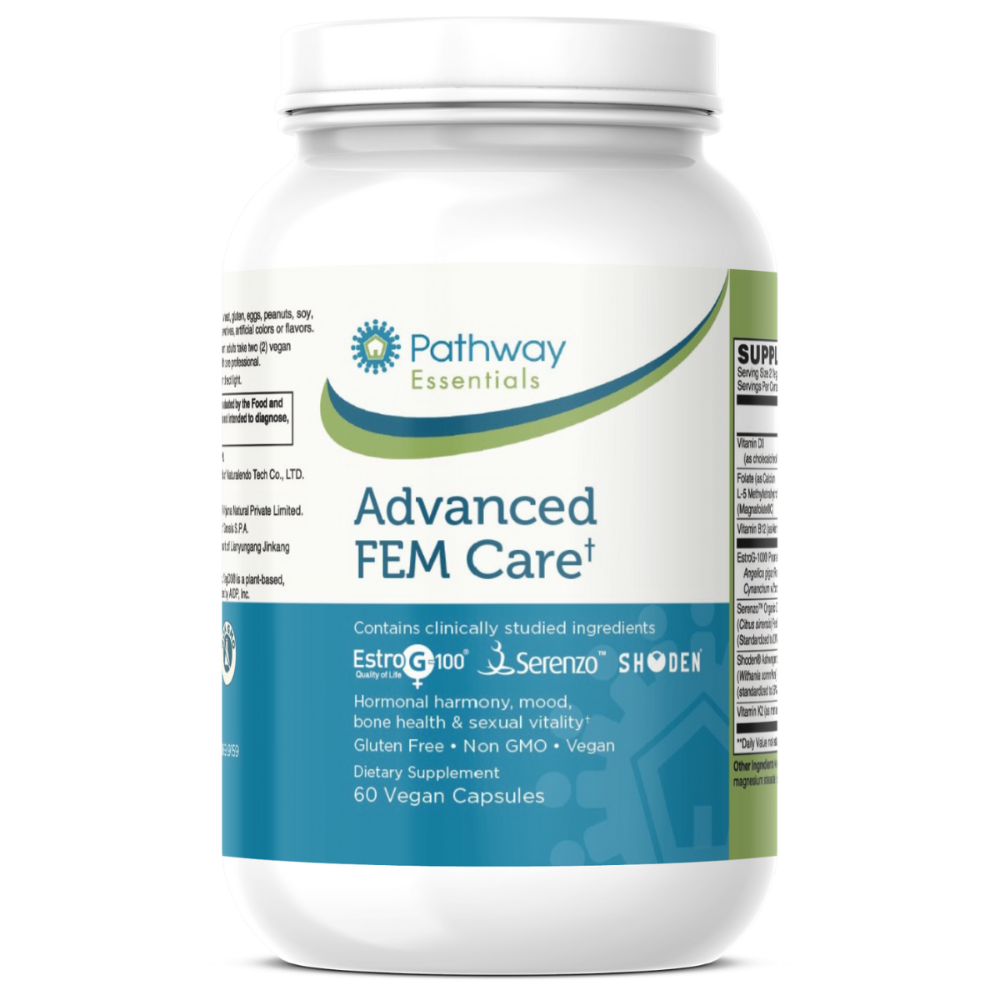
PATHWAY
Advanced FEM Care
No reviews
$43.59
$62.27
Advanced Fem Care is a scientifically formulated to support women’s health and well-being at every stage of life. Featuring EstroG-100 for hormonal harmony, Shoden Ashwagandha for stress management, and Serenzo to enhance emotional well-being, it also includes Vitamins D3 and K2 for bone health. This gluten-free, vegan blend is tailored to help manage hormonal fluctuations, support mood balance, and promote overall vitality. Perfect for women seeking holistic health support.
Features:
515 mg EstroG-100 (Standardized extract of Cynanchum Wilfordii, Phlomis umbrosa, Angelica gigas)
500 mg Serenzo (Citrus Sinensis essential oil, microencapsulated with Acacia Gum)
120 mg Shoden Ashwagandha Extract (Standardized to 35% Withanolide Glycosides)
1139 mcg DFE [670 mg Folate (as MagnafolateC 5-MTHF)]
500 mcg of B-12 (as Methycobalamin)
100 mcg vitaMK7 Vitamin K2 (menaquinone-7)
50 mcg (2000 IU) VegD3, a USDA certified organic, vegan.org approved cholecalciferol
Contains no sugar, salt, dairy, yeast, wheat, gluten, eggs, peanuts, soy, tree nuts, fish, shellfish, sesame, preservatives, artificial colors or flavors
Gluten Free, Non GMO & Vegan
Benefits:
Clinically studied ingredients support hormonal harmony, mood, bone health, & sexual vitality.
In a study of EstroG‑100 in peri- & menopausal women showed significant improvement in the somatic, urogenital, and psychological climacteric symptoms within 6 weeks, and a highly significant improvement within 12 weeks. 100% were Satisfied or Extremely Satisfied. 53.46% even reported increased interest in sex.
In 2022, a Serenzo consumer study conducted on 134 consumers showed a significant improvement on mental load and a significant boost of emotional well-being (assessed via DASS score variation) through time much greater than a placebo. In another study, Serenzo was evaluated in an open clinical trial for 12 weeks. The efficacy was assessed using normative psychological questionnaires and a physiological marker. The first benefits were demonstrated after only 6 weeks: a 50% reduction of subjective feeling of stress and a 53% reduction of global stress, measured via questionnaire. 96% were satisfied with their improvements.
Vitamins D3 and K2 support bone mineralization, lower fracture risk, the cardiovascular system as well as blood sugar balance already within normal levels.
At 35%, Shoden delivers the strongest concentration of Withanolide Glycosides, the actives that provide Ashwagandha’s ability to balance hormones. This is particularly beneficial for women’s health, aiding the stress response, sleep, menstrual symptoms, reproduction, and menopause.
Suggested Use:
As a dietary supplement, adults take two (2) vegan capsules daily, or as directed by a health care professional.
Storage Instructions:
Store in a cool, dry place
Keep away from direct light
KEEP OUT OF REACH OF CHILDREN.
sale
PATHWAY
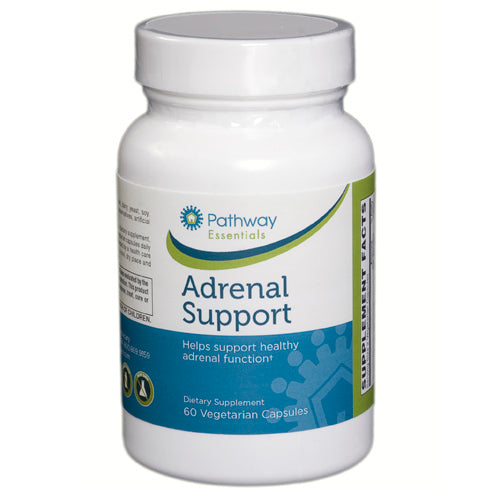
Adrenal Support
No reviews
$28.69
$40.99
Supports Healthy Stress Levels
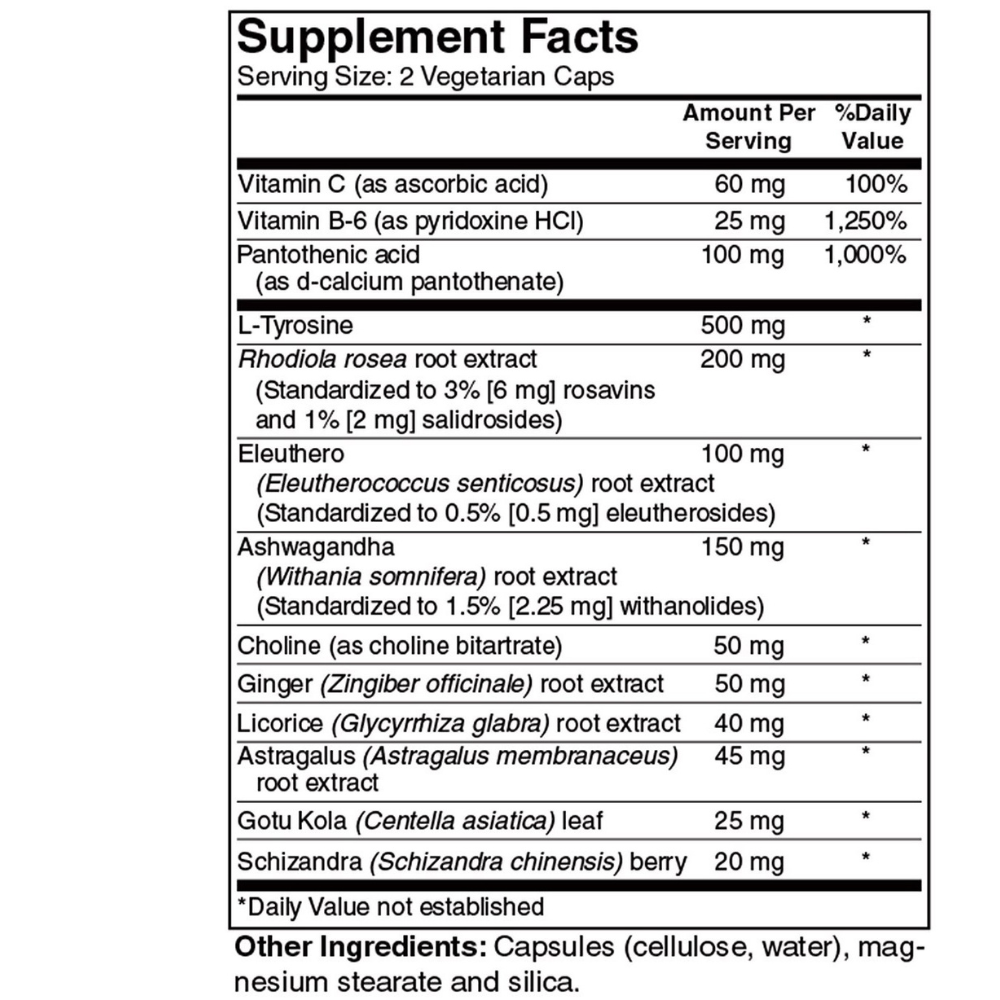
Stress can weaken your health by demanding excess work by the endocrine, nervous, and immune systems. Taking nutrients that help the body to adapt to stressful challenges may help restore energy and vitality. Pathway Adrenal Support contains key herbs along with select vitamins and amino acids to support the body’s stress response.
Suggested Use: 1 capsule 2 times daily
References
- Chang A, Kwak BY, Yi K, Kim JS. The effect of herbal extract (EstroG-100) on pre-, peri- and post-menopausal women: a randomized double-blind, placebo-controlled study. Phytotherapy Research. 2012;26(4):510–516.
- Matthews KA, Crawford SL, Chae CU, et al. Are changes in cardiovascular disease risk factors in midlife women due to chronological aging or to the menopausal transition? Journal of the American College of Cardiology. 2009;54(25):2366–2373.
- Baker JM, Al-Nakkash L, Herbst-Kralovetz MM. Estrogen–gut microbiome axis: physiological and clinical implications. Maturitas. 2017;103:45–53.
These statements have not been evaluated by the Food and Drug Administration. This product is not intended to diagnose, treat, cure, or prevent any disease.
Categories
Categories
Humanized Health - NEW!
Learn about personalized health from top experts! Check out our fascinating new shows every week, available as videos, podcasts and transcripts.:
Our Bloggers
-
 Paula Gallagher
Paula is a highly qualified and experienced nutrition counselor on the staff at Village Green.
read more.. -
 Margo Gladding
Margo's impressive knowledge base is the result of a unique blend of educational and professional experience.
read more.. -
 Dr. Neal Barnard
Dr. Barnard leads programs advocating for preventive medicine, good nutrition, and higher ethical standards in research.
read more.. -
 Dr. Joseph Pizzorno
Dr. Joseph Pizzorno, ND is a pioneer of integrative medicine and a leading authority on science-based natural medicine.
read more.. -
 Debi Silber
Debi is a registered dietitian with a master’s degree in nutrition, a personal trainer, and whole health coach.
read more..
SEE ALL OF OUR BLOGGERS
Invalid password
Enter


Stay Connected
Village Green Apothecary
5415 W Cedar Ln
Bethesda, Maryland, 20814
(301) 530-0800
Toll Free: (800) 869-9159
The information provided on this site is not intended to be a substitute for advice or treatment from a qualified physician, nor is it intended to diagnose or treat a health problem or disease. Consult your physician prior to starting any new health program or if you any questions regarding a medical condition.
© 2025 Village Green Apothecary - All Rights Reserved.
