 FREE SHIPPING! Automatically Applied on Orders Over $74!




If you have an underactive thyroid (hypothyroidism) and still experience fatigue, hair loss, low energy, constipation, or other symptoms despite treatment, your thyroid may not be the only factor worth investigating. Nutrient deficiencies associated with thyroid health, including low iron or ferritin, selenium, thiamine (vitamin B1), and magnesium, may contribute to symptoms that overlap with hypothyroidism.
They have separate functions in how your body uses energy, produces thyroid hormones and converts them to usable types. This doesn’t mean that all people with hypothyroidism require supplements. However, if you have continuing symptoms, that might be a good time to ask your doctor about nutrient testing or thyroid blood tests.
Below are 4 important nutrients that you should know more about and a brief review of what recent evidence suggests about them and their effect on thyroid health and hypothyroidism.
Why Nutrients Matter for Thyroid Function

The thyroid needs adequate nutrients to produce thyroid hormones and support their metabolism throughout the body. Several vitamins and minerals act as cofactors in the enzymes and metabolic processes involved in normal thyroid function.
A 2024 review, "The Role of Nutrition on Thyroid Function", discusses the relationship between nutritional status and thyroid function and the importance of micronutrients in thyroid health.
Some of the nutrients involved include:
-
Selenium, which is required for selenoproteins, including deiodinase enzymes involved in thyroid hormone metabolism
-
Iron, which is needed for normal thyroid hormone synthesis and many other metabolic functions
-
Thiamine (vitamin B1), which plays an important role in energy metabolism
-
Magnesium, which participates in hundreds of enzymatic reactions throughout the body
If you are on thyroid meds but don’t feel like you, it’s worth exploring beyond just your TSH and asking about your full nutrient profile.
Selenium for Thyroid Health: Why It Matters
Selenium and thyroid function are closely connected. The thyroid contains a high concentration of selenium, which is used to produce selenoproteins. These include deiodinases, enzymes involved in thyroid hormone metabolism and activation.
A review of trace elements and the thyroid describes selenium's role in the production of these important thyroid-related enzymes.
The mineral selenium has been studied specifically for its role in Hashimoto's thyroiditis, an autoimmune disorder and a leading cause of hypothyroidism. Researchers continue to study the effects of selenium on thyroid antibodies and other markers of thyroid function in people with Hashimoto's.
It is also important to note that more selenium is not always better. Selenium needs are not high, and too much can lead to detrimental side effects. Thus, supplementation of selenium needs to be personalized, rather than simply thinking "more is better".
What About Selenium and Myo-Inositol?
The combination of selenium and myo-inositol for thyroid health has also attracted research interest, particularly in people with autoimmune thyroiditis and subclinical hypothyroidism.
There have also been studies on whether myo-inositol and selenium together affect TSH and thyroid antibodies. While there were positive findings in certain groups, the studies are not yet definitive enough to say that the combination of these two supplements is right for all hypothyroid people.
This is one area where individualized dosing may be useful. A 503A compounding pharmacy can prepare selenium or a selenium-plus-myo-inositol formulation at a defined dose when prescribed for an individual patient.
Low Ferritin and Thyroid Symptoms

Another combination worth keeping in mind in case your symptoms don’t go away is low ferritin plus hypothyroidism.
Ferritin reflects the body's stored iron. Low ferritin or iron deficiency can cause symptoms that look remarkably similar to an underactive thyroid, including:
-
Fatigue and low energy
-
Hair shedding or hair loss
-
Weakness
-
Reduced exercise tolerance
-
Restless legs
-
Difficulty concentrating
Iron is also important for normal thyroid physiology. Research has found associations between iron deficiency and altered thyroid function, although this does not mean iron deficiency is responsible for every case of persistent hypothyroid symptoms.
The first step isn't to immediately take an iron supplement; the first step is to identify whether you're iron-deficient.
A blood test that includes ferritin can help assess iron stores. This can be particularly important because ferritin may be low even before more obvious signs of iron-deficiency anemia develop.
For additional information on iron, see the NIH Office of Dietary Supplements Iron Fact Sheet.
How Can Low Ferritin Be Raised?
Treatment depends on the cause and severity of iron deficiency and how well someone tolerates oral iron.
Treatment options can include oral iron pills or, in some circumstances, IV iron. Your doctor will be able to assess if you need to supplement and find out why your ferritin is low.
It’s worth noting that those taking thyroid medications should be cautious with iron as well because supplements can inhibit the absorption of levothyroxine if taken in quick succession. Consult with your doctor or pharmacist to determine the best way to time your medications and supplements.
Thiamine, Vitamin B1 and Persistent Fatigue
Thiamine (vitamin B1) is a co-factor that facilitates the transformation of food into cellular energy. A genuine thiamine deficiency may cause fatigue, weakness and neurological or cardiac symptoms.
Benfotiamine is a fat-soluble derivative of thiamine that is used in some nutritional supplements. However, persistent fatigue in someone with hypothyroidism should not automatically be assumed to represent a vitamin B1 deficiency.
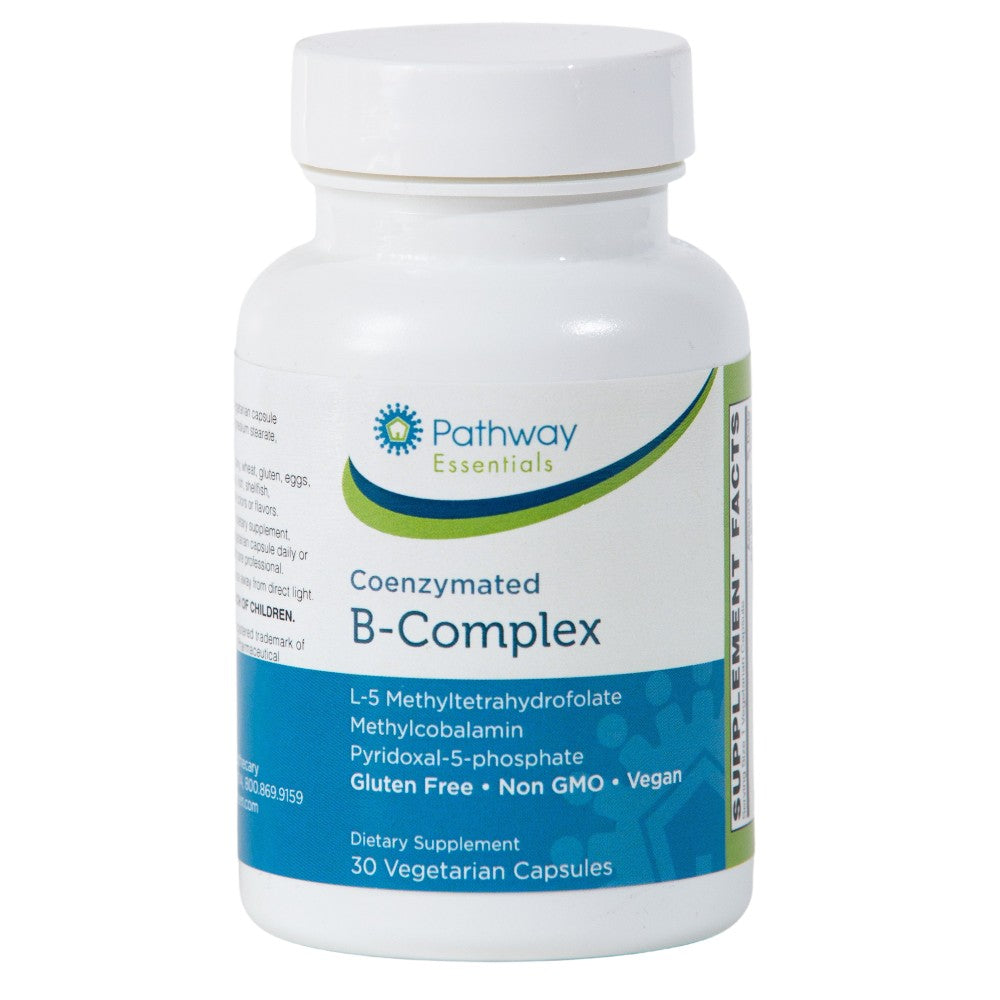
For people looking for broader B-vitamin nutritional support, Village Green's Pathway Coenzymated B-Complex provides activated and coenzyme forms of several B vitamins.
Just like any nutrient, everyone’s requirements will be different. Testing, medications, diet, medical conditions, and even problems absorbing the nutrient itself can all impact your status.
Magnesium and Hypothyroidism Symptoms
Magnesium is involved in hundreds of enzymatic reactions and contributes to normal muscle and nerve function, energy production, blood glucose regulation, and other essential processes.
Symptoms associated with inadequate magnesium intake or deficiency may overlap with complaints sometimes experienced by people with hypothyroidism. Depending on the individual, these may include muscle symptoms, fatigue, constipation, or sleep concerns.
Different forms of supplemental magnesium have different properties. For example, Magnesium Citrate is commonly used when bowel regularity is also a concern.
However, magnesium should not be viewed as a treatment for hypothyroidism itself. If symptoms continue despite thyroid treatment, it is more useful to investigate possible contributing factors than to assume that a particular supplement will solve the problem.
Still Having Hypothyroidism Symptoms With Normal TSH?
This is one of the most important questions to ask.
What should I do if my thyroid blood tests are normal but I still have fatigue, hair loss, constipation, low energy, brain fog and other hypothyroid symptoms? There might be several reasons for that.

Depending on your symptoms and medical history, your practitioner may consider iron status and ferritin, nutritional deficiencies, medication absorption, other medical conditions, or additional factors unrelated to the thyroid.
Instead of taking multiple supplements, try getting lab work done first.
Village Green Apothecary offers a lab review consultation for people who would like help reviewing laboratory results and understanding what they may mean.
Medications themselves can also influence nutritional status. For another perspective on this subject, read our article on nutrient depletion and antidepressants.
When Customized Thyroid Support May Be Helpful
Nutritional needs are not identical from one person to another. Age, diet, medications, absorption, health conditions, laboratory results and other factors can all influence what someone needs.
This is where personalized supplementation and compounding can sometimes be useful.
We also offer compounding services at Village Green Apothecary, where a prescription can be filled for individualized formulations, including selenium, benfotiamine, magnesium, and selenium-plus-myo-inositol formulations. By custom-compounding the medications, the strength of the ingredients as well as combinations can be adjusted to fit the individual, instead of simply relying on standardized commercial preparations.
Key Takeaways: Nutrient Deficiencies and Hypothyroidism
-
Selenium is required for selenoproteins involved in thyroid hormone metabolism, but supplementation is not necessary or appropriate for everyone.
-
Low ferritin and iron deficiency, which cause fatigue, hair loss and other symptoms that can overlap with those of hypothyroidism, may also influence normal thyroid function.
-
Thiamine (vitamin B1) is important for cellular energy production, and deficiency can contribute to fatigue and weakness.
-
Magnesium plays a role in hundreds of enzymatic reactions and contributes to metabolic function.
-
Selenium plus myo-inositol is being studied for autoimmune thyroid conditions, including Hashimoto's thyroiditis, but more research is needed to determine who benefits most.
-
If your thyroid hormone levels appear to be well-controlled, but you continue to experience symptoms, additional tests should be performed. It should not be a simple matter of simply increasing your thyroid medication dose or taking a supplement.
-
Blood testing and a review with a knowledgeable healthcare practitioner can help identify whether a true nutrient deficiency is present.
Frequently Asked Questions
What nutrient deficiencies are associated with hypothyroidism?
Other nutrients needed for normal thyroid function include iodine, selenium, iron, zinc and other vitamins and minerals. Low iron stores, which can be measured by checking your ferritin levels, may also cause symptoms like fatigue and hair loss, which can be confused with hypothyroidism. These tests are used to evaluate nutritional status, but don’t necessarily confirm nutrient deficiencies.
Can nutrient deficiencies cause hypothyroidism symptoms even if TSH is normal?
Lack of certain nutrients can lead to similar symptoms such as fatigue, weakness, hair loss and trouble focusing. Should your symptoms persist despite well-controlled thyroid blood test results, your doctor can help explore your iron status, any nutrient deficiencies, how medications are being absorbed or other underlying issues.
Can low ferritin affect thyroid function?
Iron is involved in normal thyroid physiology. Low ferritin indicates low iron stores. Iron deficiency can independently lead to fatigue, weakness and hair loss. If you still have these symptoms despite thyroid treatment, it might be appropriate to check ferritin levels and other iron markers.
Is selenium good for an underactive thyroid?
Selenium is important for normal thyroid function, as it is incorporated into selenoproteins that are involved in thyroid hormone metabolism and antioxidant defense. Studies of selenium supplementation have focused on patients with Hashimoto's thyroiditis, but intake should be individualized since too much can be harmful.
Which form of selenium has been studied for thyroid health?
Selenomethionine, an organic form of selenium, has been used in many thyroid research studies. It has also been studied in conjunction with myo-inositol in autoimmune thyroiditis and subclinical hypothyroidism. As always, talk with your doctor or health care professional about whether a selenium supplement would be right for you, as well as which type and dose to take.
What is the connection between selenium and myo-inositol?
Myo-inositol plus selenium has been studied with respect to TSH and thyroid autoimmunity, especially in Hashimoto’s thyroiditis and subclinical hypothyroidism. There are some promising findings, though evidence is still scarce. In any case, this combination should not replace conventional treatment.
What blood tests may be worth discussing if hypothyroid symptoms persist?
The right tests for you depend on your unique circumstances. Along with thyroid testing, your health care provider might also recommend a complete blood count, ferritin and other iron studies, or further nutrient testing depending on your symptoms, diet, medications, and medical history. All lab work should be reviewed within a clinical context.
sale
PATHWAY
Coenzymated B-Complex
No reviews
$20.29
$28.99
Coenzymated B-Complex
High-potency, activated forms
B complex vitamins are a group of water-soluble vitamins that are involved in many important processes in the body, such as energy production, nervous system function, red blood cell production, DNA synthesis, immune system function, and mood regulation. Some individuals with certain genetic variations or digestive issues have difficulty converting standard B vitamins into their active forms. Taking coenzymated B vitamins provides the body with activated forms, which are more easily absorbed and utilized by the body, as they do not require any conversion.
Suggested Use: 1 capsule daily or as directed by your healthcare practitioner
sale
PATHWAY
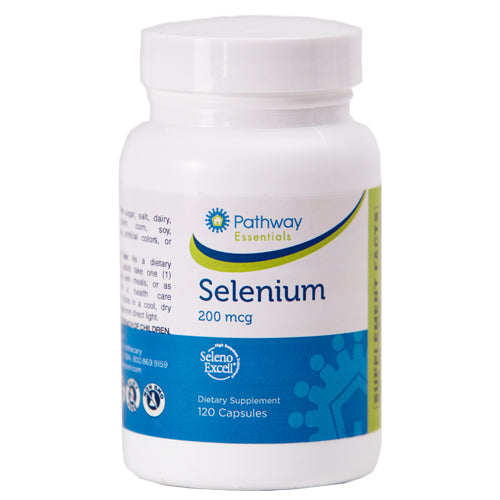
Selenium 200Mcg
review
$15.39
$21.99
Antioxidant and Immune Support
Selenium is an important antioxidant mineral that keeps cells healthy by preventing free radical production. It plays a protective role in cancer, fertility, eye health, liver disease, thyroid health, and inflammation. Pathway Selenium features SelenoExcell®, which is a bioavailable form of organically bound selenium yeast, replicating the natural food form. Recent studies show that this trademarked form is the most effective for reducing oxidative stress as compared to other forms of selenium. Suggested Use: 1 capsule daily
References
- The Role of Nutrition on Thyroid Function (PubMed, 2024)
- Trace Elements and the Thyroid (PubMed, 2022)
- Relationship Between Iron Deficiency and Thyroid Function: A Systematic Review and Meta-Analysis (PubMed)
- Metabolic Characteristics of Hashimoto's Thyroiditis Patients and the Role of Microelements and Diet (PubMed, 2022)
- Selenium Supplementation in Patients with Hashimoto Thyroiditis: A Systematic Review and Meta-Analysis of Randomized Clinical Trials
- Myo-Inositol Plus Selenium vs. Selenium Alone in Hashimoto's Thyroiditis with Subclinical Hypothyroidism: Systematic Review and Meta-Analysis
- Iron – Health Professional Fact Sheet, NIH Office of Dietary Supplements
- Selenium – Health Professional Fact Sheet, NIH Office of Dietary Supplements
This article is for educational purposes only and does not replace individualized medical advice. Consult your physician, pharmacist, or other qualified healthcare practitioner before starting supplements, changing supplement doses, or making changes to thyroid medication.
Categories
Categories
Humanized Health - NEW!
Learn about personalized health from top experts! Check out our fascinating new shows every week, available as videos, podcasts and transcripts.:
Our Bloggers
-
 Paula Gallagher
Paula is a highly qualified and experienced nutrition counselor on the staff at Village Green.
read more.. -
 Margo Gladding
Margo's impressive knowledge base is the result of a unique blend of educational and professional experience.
read more.. -
 Dr. Neal Barnard
Dr. Barnard leads programs advocating for preventive medicine, good nutrition, and higher ethical standards in research.
read more.. -
 Dr. Joseph Pizzorno
, ND is a pioneer of integrative medicine and a leading authority on science-based natural medicine.
read more.. -
 Debi Silber
Debi is a registered dietitian with a master’s degree in nutrition, a personal trainer, and whole health coach.
read more..
SEE ALL OF OUR BLOGGERS
Invalid password
Enter


Stay Connected
Village Green Apothecary
5415 W Cedar Ln
Bethesda, Maryland, 20814
(301) 530-0800
Toll Free: (800) 869-9159
The information provided on this site is not intended to be a substitute for advice or treatment from a qualified physician, nor is it intended to diagnose or treat a health problem or disease. Consult your physician prior to starting any new health program or if you any questions regarding a medical condition.
© 2025 Village Green Apothecary - All Rights Reserved.
