 FREE SHIPPING! Automatically Applied on Orders Over $74!




If you're bloated after a heavy meal and wondering about the best digestive enzymes for bloating, here's the short answer: enzymes act directly on the food just eaten, and they may help within hours. Probiotics work differently, they support gut flora over weeks and months, not tonight's dinner. The advice to "just take both" can feel like a non-answer when what's actually needed is relief from today's discomfort. Here's what each one actually does, and where to start.
Why You Bloat After Eating
Post-meal bloat is generally related to how well you digest your food. The heavier the meal (higher fat or starch), the more work your digestive system must do to break it down. If not completely digested, some of it ferments and produces gas, resulting in the pressure that makes you feel bloated one to two hours after eating.
Here's the part that's easy to overlook: digestion actually begins in the mouth, well before food ever reaches the stomach.
Eating too fast gives the gut more work to do at once, which may contribute to gas and bloating
The chewing action, which breaks down food into small particles, takes place before the food enters the stomach
Sipping water with meals may help support smoother digestion overall
What Digestive Enzymes Actually Do
It helps digest your food by breaking it down into smaller particles that your body can truly absorb. Your body makes these enzymes on its own, but they can also be taken as supplements when you’re eating a particularly heavy meal that’s difficult to digest.
A broad-spectrum enzyme supplement typically contains multiple enzymes, each targeting a specific type of food. For bloating tied to fatty or starchy meals specifically, this is exactly why enzymes tend to work well as a first line of defense, they're focused directly on the meal at hand rather than the gut environment more broadly. A range of options are available in the enzymes collection, including broad-spectrum blends like Superzymes.
Lipase works on fats
Protease and peptidases work on proteins
Amylase works on starches and carbohydrates
Betaine HCl helps to maintain proper levels of stomach acid needed for protein digestion.
A 2026 real-world cohort study of a FODMAP-specific digestive enzyme formula observed that participants noticed improvement in their GI symptoms after taking the enzyme. This is consistent with the fact that enzymes target the substrate they act on, such as certain types of carbohydrate, which are the ones that cause the most gas and bloating when they ferment.
The Enzyme and Probiotic Difference

Enzymes and probiotics are not the same; they serve very different purposes. Enzymes break down the food you recently consumed, while probiotics are live cultures which promote a healthy balance of bacteria in your intestines.
A useful way to think about it: enzymes are for tonight's dinner, while probiotics are for the gut's long-term health, built up gradually over weeks and months. Probiotics like 35 Billion Probiotic or 20 Billion Probiotic may help support a healthy microbiome overall, but they aren't designed to address bloating from a single meal.
When Enzymes Can Backfire
Can digestive enzymes cause gas and bloating? Taken correctly, digestive enzymes generally work well. But taking too much, or the wrong type, can cause problems, particularly with betaine HCl specifically.
Some practitioners recommend slowly titrating HCl supplements: starting with one capsule before a protein-containing meal (never on an empty stomach), then increasing by one capsule every one to three days. The key guardrail is simple, stop at the first sign of warmth, burning, or heaviness, and step back down by one capsule. That becomes the standard "full meal" dose going forward; smaller meals call for a lighter dose, and snacks generally don't need enzymes at all.
This is exactly the kind of situation where a pharmacist can help, since betaine HCl may interact with certain prescription medications. Anyone taking daily medications should check with a pharmacist before starting supplementation.
The Best Timing for Bloating Relief
The optimal time to take digestive enzymes is right before a meal, or as you begin eating. Once your stomach is full, enzymes will have less to digest; the key is to have them waiting for your food, not chasing it down.
To achieve consistent bloating relief, a consistent regimen before indulging in larger meals seems to be more effective than sporadic use:
Take a broad-spectrum enzyme at the start of the meal
Adjust the dose to the size of the meal, smaller meals need less
Skip enzymes for small snacks
For the biggest difference overall, combine it with slow eating and thorough chewing.
Building a Fuller Plan: Enzymes, Probiotics, and Prebiotic Fiber

If you want to develop a more complete digestion strategy, you should follow this order: Take digestive enzymes before every meal. Chew food properly and eat slowly. Then, if you still have symptoms, add a probiotic or prebiotic.
Prebiotic fiber feeds the beneficial bacteria already present in the gut and is another option some people use to support the microbiome over time, available to explore in the fiber collection. For anyone unsure where they fit in this sequence, a lab review consultation can help sort out a plan tailored to individual symptoms and goals.
Key Takeaways
Will digestive enzymes reduce bloating?
Digestive enzymes work on the food just consumed, which may help relieve bloating within a few hours of a meal.
Probiotics are not designed to help you with bloating from one meal; they work on balancing your gut flora over a longer period of time.
The usual strategy is to start with a broad-spectrum enzyme before eating, and to add a probiotic if you are still having problems with your digestion.
It’s important to titrate betaine HCl very slowly, and stop using it if you experience any feeling of warmth, burning, or heaviness in your stomach. Also, betaine HCl may interfere with some medications.
The most basic, cheapest way to start is by eating more slowly and chewing your food well, because that’s where the process of digestion begins.
Frequently Asked Questions
Which is better for bloating: digestive enzymes or probiotics?
This really depends on your goals. For symptoms of bloating immediately after you eat a particular meal, digestive enzymes would be the more appropriate choice as they will act on the food you just ate. Probiotics, however, won’t help with same-day bloating, but rather work over the long term to promote healthy gut bacteria. A good plan for the average person would be to start with digestive enzymes during meals for bloating, and if problems still persist past individual meals, consider adding a probiotic or prebiotic fiber supplement.
Can digestive enzymes actually help with bloating?
Generally speaking, yes, especially if the bloating happens after meals that are high in fat, starches, or both. Enzymes target these types of foods, which are most often responsible for that “stuffed” sensation following a meal. Since the enzymes take effect quickly, the benefit may be observed as early as several hours later. It’s best to take a broad-spectrum enzyme before more substantial meals on a regular basis rather than sporadically.
Can digestive enzymes make bloating worse?
In certain circumstances, yes, especially if you take too much or the incorrect dosage. Betaine HCl is often blamed for this. You need to begin with a small amount, build up slowly, and stop taking it (backing down by a capsule) as soon as you feel heat, burning, or fullness. A pharmacist can work out your optimum dose or find out if something else is going on if you continue to have symptoms.
When is the best time to take digestive enzymes for bloating?
Ideally, they should be taken just before or at the beginning of a meal when the enzymes are available to begin breaking down the food as it enters the digestive system. Taking them after a meal when your stomach is already full leaves the enzymes with far less to do. You may want to adjust enzyme dosing according to meal size, but I think it’s usually unnecessary for smaller meals/snacks. I’ve also noticed that this type of supplementation tends to be most effective when combined with slow eating and good chewing.
Are digestive enzymes and probiotics the same thing?
They do completely different things. Enzymes help to digest what you just ate so your body can absorb the nutrients, whereas probiotics are good bacteria that live in the intestines and help to keep them healthy over weeks and months. You eat enzymes for the food you had for dinner tonight, you take probiotics for the long-term health of your gut. Probiotics don't specifically target bloating from one specific meal.
Can digestive enzymes and probiotics be taken together?
Yes, and many people do both as part of a larger regimen, usually gradually over time rather than all at once. I would say the easiest place to start is eating slowly, chewing well, and taking a digestive enzyme pill prior to your meal. If you are still bloated after doing that, take a probiotic and/or prebiotic fiber. Enzymes deal with what is in front of you. Probiotics focus on long-term gut health.
The information provided here is general knowledge for informational and educational purposes only, and should not be taken as individual medical advice. Consult your healthcare professional or pharmacist before taking any new supplement, particularly if you’re on medication.
sale
PATHWAY
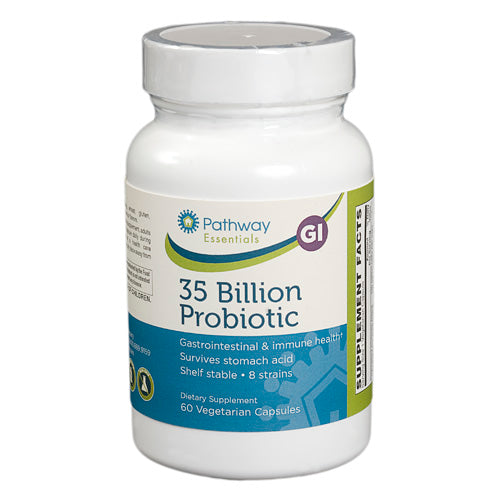
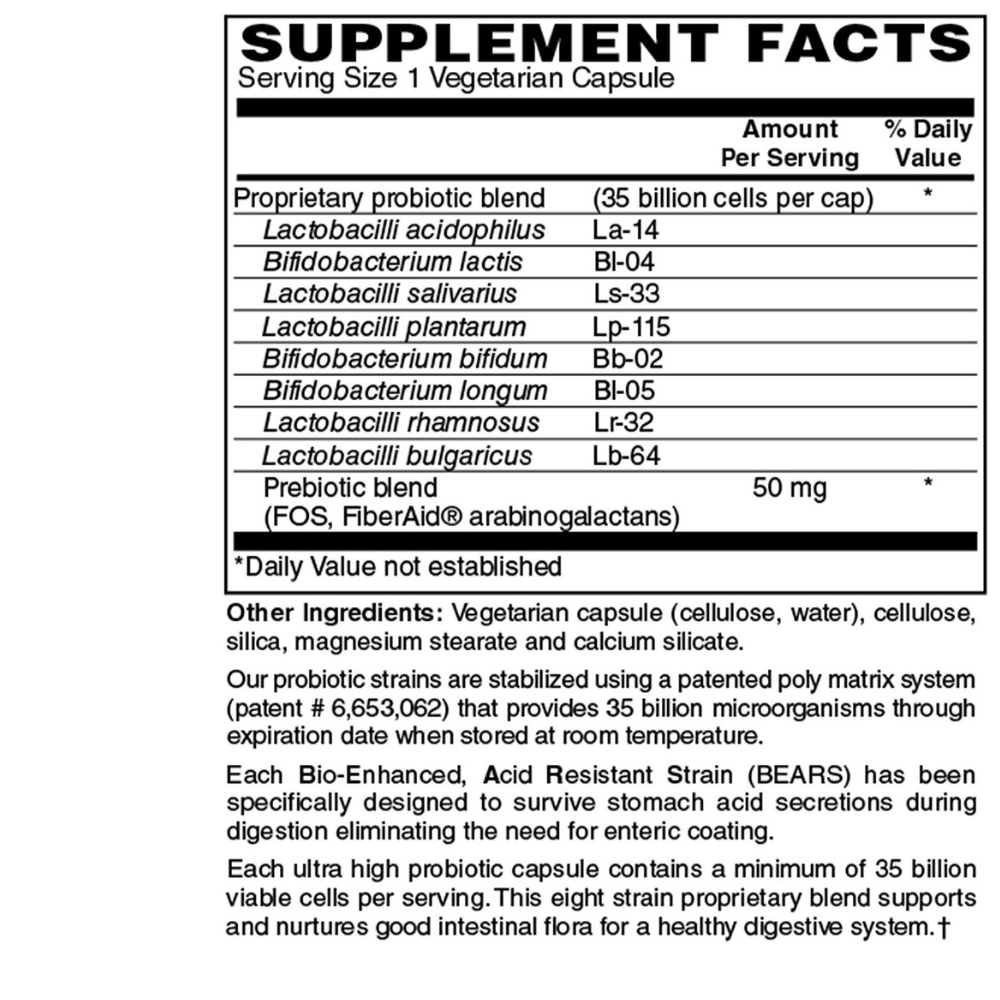
35 Billion Probiotic
reviews
$65.52
$93.60
Ultra High Potency Probiotic for Extra Intestinal Support Beneficial bacteria are critical to a healthy digestive and immune system. This high potency probiotic blend is recommended when advanced support is needed due to antibiotic use, travel, or digestive concerns. Pathway 35 Billion Probiotic features 8 strains of beneficial bacteria that are stabilized so that no refrigeration is necessary. In addition, the bacteria are designed to survive stomach acids so that they can work effectively in your intestine. Suggested Use: 1 capsule during meals
sale

PATHWAY
20 Billion Probiotic
No reviews
$44.79
$63.99
GI & Immune HealthPathway 20 Billion Probiotic is a high potency formula that features 9 strains of clinically researched probiotic strains. Through patented processes, these strains have been designed to survive stomach acid and are stabilized so that they do not require refrigeration. Pathway 20 Billion Probiotic also includes 2 sources of prebiotic fiber, which has been shown to increase the growth of beneficial flora while decreasing pathogenic bacteria. Suggested Use: 1 capsule daily with meals
sale
PATHWAY
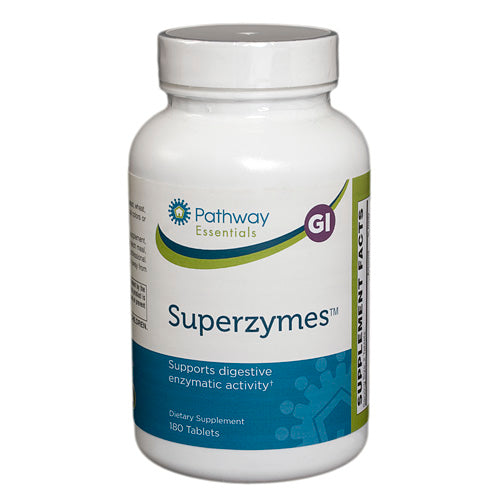
Superzymes
review
$37.79
$53.99
Supports Digestive Enzymatic Activity Digestive enzymes are vital to the proper digestion and absorption of nutrients from food. Pathway Superzymes contains powerful digestive enzymes such as amylase, protease, lipase, pepsin, bromelain, and papain for the breakdown of fats, proteins, and carbohydrates. This formula also includes betaine hycrochloride and ox bile, for enhanced support in emulsifying fats and breaking down proteins. Pathway Superzymes also protects the body against harmful pathogens. Suggested Use: 2 tablets after each meal
References
- FODMAP-Targeting Digestive Enzyme Blend for Management of Gastrointestinal Symptoms (PubMed, 2026)
- Belching, bloating, and flatulence. How to help patients who have troublesome abdominal gas (PubMed, 1997)
- Theories behind the effect of starch- and sucrose-reduced diets on gastrointestinal symptoms in IBS (PubMed, 2021)
- MedlinePlus: Probiotics
- Gut microbiota in irritable bowel syndrome: a narrative review (Frontiers in Immunology, 2025)
- Clinical efficacy and gastrointestinal hormonal effect of Lactobacillus rhamnosus combined with lactulose in IBS (2026)
- MedlinePlus: Pancreatic enzyme replacement information
Categories
Categories
Humanized Health - NEW!
Learn about personalized health from top experts! Check out our fascinating new shows every week, available as videos, podcasts and transcripts.:
Our Bloggers
-
 Paula Gallagher
Paula is a highly qualified and experienced nutrition counselor on the staff at Village Green.
read more.. -
 Margo Gladding
Margo's impressive knowledge base is the result of a unique blend of educational and professional experience.
read more.. -
 Dr. Neal Barnard
Dr. Barnard leads programs advocating for preventive medicine, good nutrition, and higher ethical standards in research.
read more.. -
 Dr. Joseph Pizzorno
, ND is a pioneer of integrative medicine and a leading authority on science-based natural medicine.
read more.. -
 Debi Silber
Debi is a registered dietitian with a master’s degree in nutrition, a personal trainer, and whole health coach.
read more..
SEE ALL OF OUR BLOGGERS
Invalid password
Enter


Stay Connected
Village Green Apothecary
5415 W Cedar Ln
Bethesda, Maryland, 20814
(301) 530-0800
Toll Free: (800) 869-9159
The information provided on this site is not intended to be a substitute for advice or treatment from a qualified physician, nor is it intended to diagnose or treat a health problem or disease. Consult your physician prior to starting any new health program or if you any questions regarding a medical condition.
© 2025 Village Green Apothecary - All Rights Reserved.
