 FREE SHIPPING! Automatically Applied on Orders Over $74!



A traumatic brain injury (TBI) usually results from a violent blow or jolt to the head or body. It can also be caused by an object penetrating the skull. Concussions are a type of TBI, and they remain a significant concern in youth sports. Current estimates suggest 1.1 to 1.9 million concussions occur annually in children 18 and under in the U.S., with high school athletes alone sustaining an estimated 300,000 each year. Sports-related concussions (SRCs) are considered one of the most difficult injuries to diagnose and manage. Like many of the sports in which they occur, they're unpredictable and never static. Research on brain injury is ongoing, and medical guidelines continue to evolve to reflect the newest evidence.
Symptoms of Traumatic Brain Injuries
Symptoms typically come on quickly and can change rapidly within the first few hours. Anyone suspected of having an SRC should be closely monitored during this time. Symptoms vary considerably from person to person, which makes it difficult to predict exactly how someone with an SRC will feel or behave. Headache is the most commonly reported symptom, occurring in the large majority of cases, though the full symptom picture spans several categories:
- Somatic: headaches, dizziness, sensitivity to light and sound, nausea
- Balance: unsteady walking
- Behaviour: irritability
- Cognitive: poor concentration, confusion, feeling “foggy”
- Sleep: trouble falling asleep, drowsiness
-
Emotional: sadness, anxiety, heightened emotional reactivity
Anyone who suspects they have a concussion or TBI should see a health care practitioner immediately to determine the extent of the injury. A clinical evaluation typically includes assessment of neurological function, mental status, sensation, vision, coordination, and balance.
A Holistic Approach to Recovery
No two SRCs are ever the same, even in the case of repeat concussions in the same person. Recovery tends to go better with a holistic approach tailored to individual needs: keeping an eye on stress levels, treating any associated injuries (whiplash is common alongside concussion), prioritizing nutrient-dense foods, getting adequate sleep, and arranging any necessary modifications for school or work during the recovery window. Most uncomplicated youth concussions resolve within a few weeks with proper rest and graded return to activity, though a subset of patients go on to develop more persistent post-concussion symptoms, which is part of why a comprehensive recovery plan matters.
Where Nutrition Fits In
Although treatment approaches have improved over the years, better options are still needed, particularly for addressing the secondary injury cascade, the wave of inflammation, oxidative stress, excitotoxicity, and disrupted energy metabolism that unfolds in the hours and days after the initial impact. Because this secondary cascade drives much of the lasting damage, it's also where targeted nutrition may have something meaningful to contribute.
A foundational 2016 review in Brain Research, led by researchers from Southern Illinois University, evaluated a wide range of vitamins, minerals, and nutraceuticals as potential complements to standard TBI care. Their conclusion was direct: nutrient support isn't a replacement for medical treatment, but as part of a broader, multi-pronged approach, certain compounds show real promise for supporting the brain's recovery process. Four categories stood out — nicotinamide, magnesium, flavonoids, and omega-3 fatty acids. A more recent 2024 narrative review reinforces several of these same targets and adds others under active investigation, including creatine, berry anthocyanins, and N-acetylcysteine.
Here's what the evidence shows about the original four:
1. Nicotinamide (Niacinamide, Vitamin B3)
Nicotinamide is a precursor to NAD+, a coenzyme essential for cellular energy production. Its proposed neuroprotective effects center on supporting mitochondrial energy metabolism, limiting processes that interfere with cellular repair, and reducing oxidative damage. Because neurons are especially sensitive to shifts in NAD+ availability after injury, this pathway is considered one of the more mechanistically well-supported nutrient targets in the TBI literature, though most of the evidence to date comes from animal models rather than large human trials.
2. Magnesium
Magnesium helps regulate excitotoxicity, which is the excessive neuronal signaling that can worsen damage after brain injury, and supports dozens of enzymatic reactions tied to nerve conduction and cognitive function. It also interacts with several other nutrients relevant to recovery, including B vitamins and omega-3 fatty acids. Magnesium depletion has been observed following brain injury in research models, which is part of why repletion has drawn interest as a supportive strategy during concussion recovery.
3. Flavonoids
Flavonoids are a broad class of plant compounds with antioxidant, anti-inflammatory, and growth-factor-stimulating properties. In TBI research, specific flavonoids, including berry-derived anthocyanins and compounds like fisetin, have been studied for their ability to activate cellular antioxidant pathways (such as Nrf2) and dampen inflammatory signaling (such as NF-κB), both heavily implicated in the secondary injury cascade. Because "flavonoids" covers many distinct compounds, the specific source and dose matter. Most of this research has focused on concentrated extracts rather than general dietary intake.
4. Omega-3 Fatty Acids
Omega-3 fatty acids, particularly DHA and EPA, are structural components of neuronal membranes and play a role in resolving inflammation, supporting cellular plasticity, and maintaining genomic stability. Research in TBI models suggests omega-3 supplementation may help limit the extent of injury and support the brain's capacity to adapt and repair after trauma. Of the four nutrients reviewed here, omega-3s have one of the more substantial evidence bases, spanning both animal models and emerging human research.
The Takeaway
The researchers behind the original review were candid about one important point: these nutrients are unlikely to produce meaningful benefits on their own. Their potential lies in a combined approach, used alongside standard medical care, not in place of it, addressing multiple complementary mechanisms at once.
TBIs and concussions affect everyone differently, and the right approach depends on individual factors like injury severity, timing, and overall health status. If you're recovering from a brain injury, or supporting someone who is, work with a health care practitioner who can assess your specific situation before starting any new supplement.
References
- Ashbaugh AD, et al. "Vitamins and nutrients as primary treatments in experimental brain injury: Clinical implications for nutraceutical therapies." Brain Research, 2016.
- "Mitigating Traumatic Brain Injury: A Narrative Review of Supplementation and Dietary Protocols." Nutrients, 2024.
- "Supplement and nutraceutical therapy in traumatic brain injury." Nutritional Neuroscience, 2024.
- "The Incidence of Sports-Related Concussion in Children and Adolescents: A Systematic Review and Meta-Analysis." Sports Medicine - Open, 2025.
This content is for educational purposes only and is not intended to diagnose, treat, cure, or prevent any disease. Statements have not been evaluated by the Food and Drug Administration.
sale

THORNE RESEARCH
Niacinamide
No reviews
$26.00
$26.00
Niacinamide, a non-flushing form of vitamin B3, supports joint and skin health and promotes restful sleep. It has also been shown to protect beta cells in the pancreas.Niacinamide, also known as nicotinamide, is a non-flushing form of vitamin B3. Niacinamide has multiple positive functions in the body, including supporting restful sleep and healthy joint and skin. It also acts as an antioxidant, inhibiting free radical formation, and it has been shown to promote the regeneration of beta cells in the pancreas. Niacinamide has been found to stimulate neurotransmitter receptors in the brain, without binding to the receptor sites, which creates a calming, sedative-like effect. High amounts of niacinamide have been documented as being beneficial in protecting joint cartilage cells. Niacinamide has also been used in support of several dermatological conditions. Niacinamide is not derived from yeast.
sale
PATHWAY
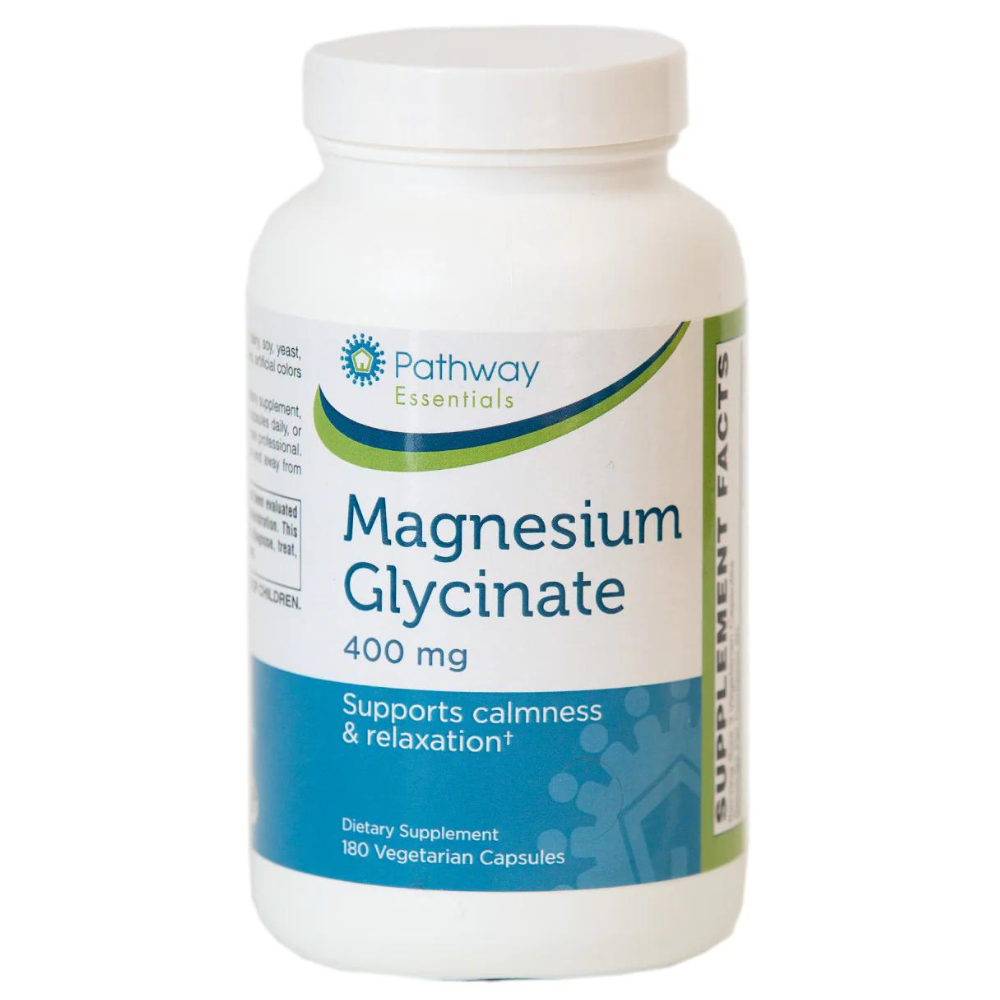
Magnesium Glycinate 400Mg
1 review
$32.89
$46.99
Highly Absorbable Magnesium
Magnesium plays an essential role in hundreds of cellular reactions in they body, and is considered one of the most important minerals. In the U.S., magnesium deficiency is common, and can result from depleted soil, digestive issues, chronic diseases, and medication use. Symptoms of magnesium deficiency include leg cramps, insomnia, muscle pain, anxiety, high blood pressure, blood sugar imbalances, fatigue, migraines, and osteoporosis. Pathway Magnesium Glycinate is a chelated form of magnesium which provides high levels of absorption and bioavailability and is an ideal recommendation for individuals wanting to correct a magnesium deficiency.
Suggested Use: 3 capsules daily
sale
LIFE EXTENSION
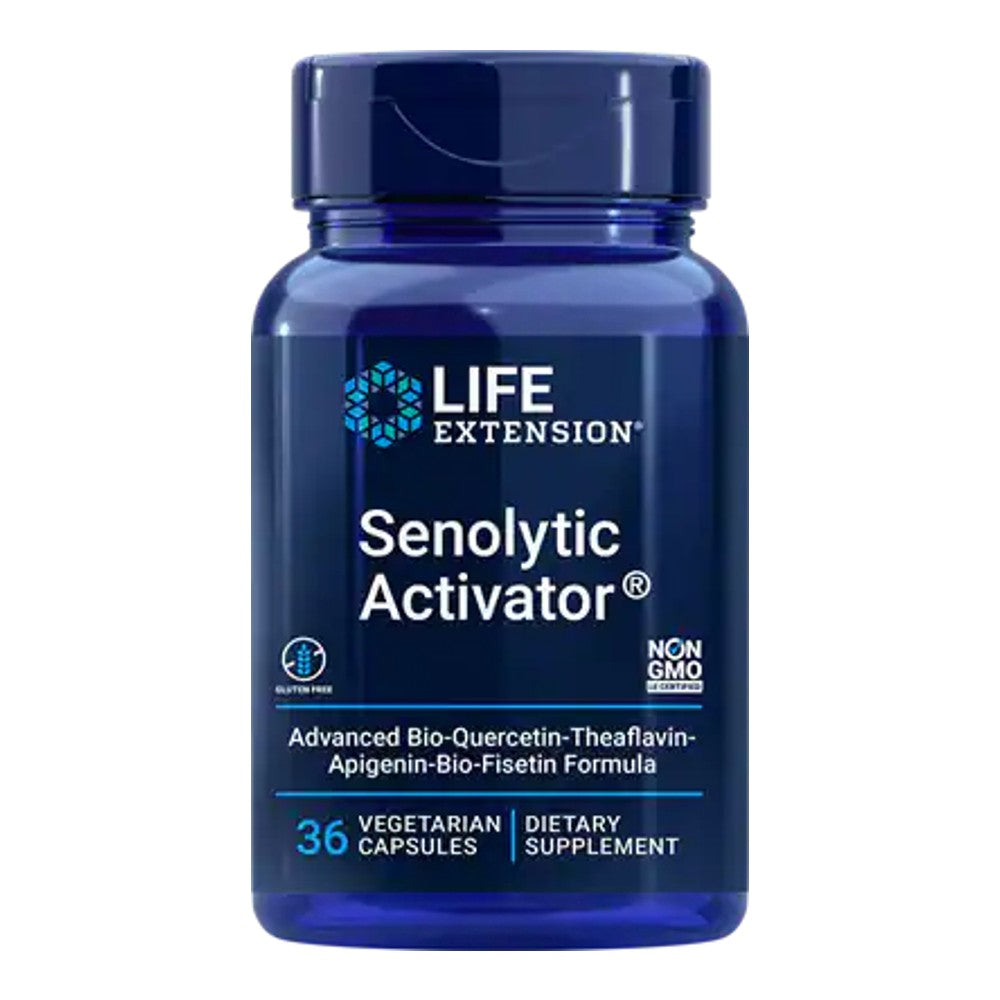
Senolytic Activator
No reviews
$20.25
$27.00
Senolytic Activator combines black tea theaflavins, the plant-derived flavonoid apigenin, and ultra-absorbable forms of the bio-flavonoids quercetin and fisetin to help manage senescent cell burden and promote systemic rejuvenation.
sale
PATHWAY
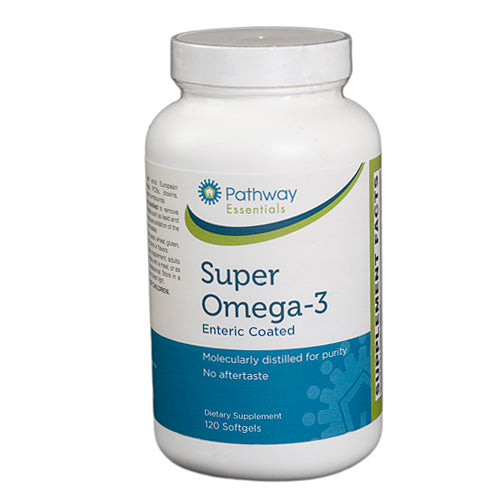
Super Omega-3 EC
1 review
$36.04
$51.48
Enteric Coating Reduces Fish Burps
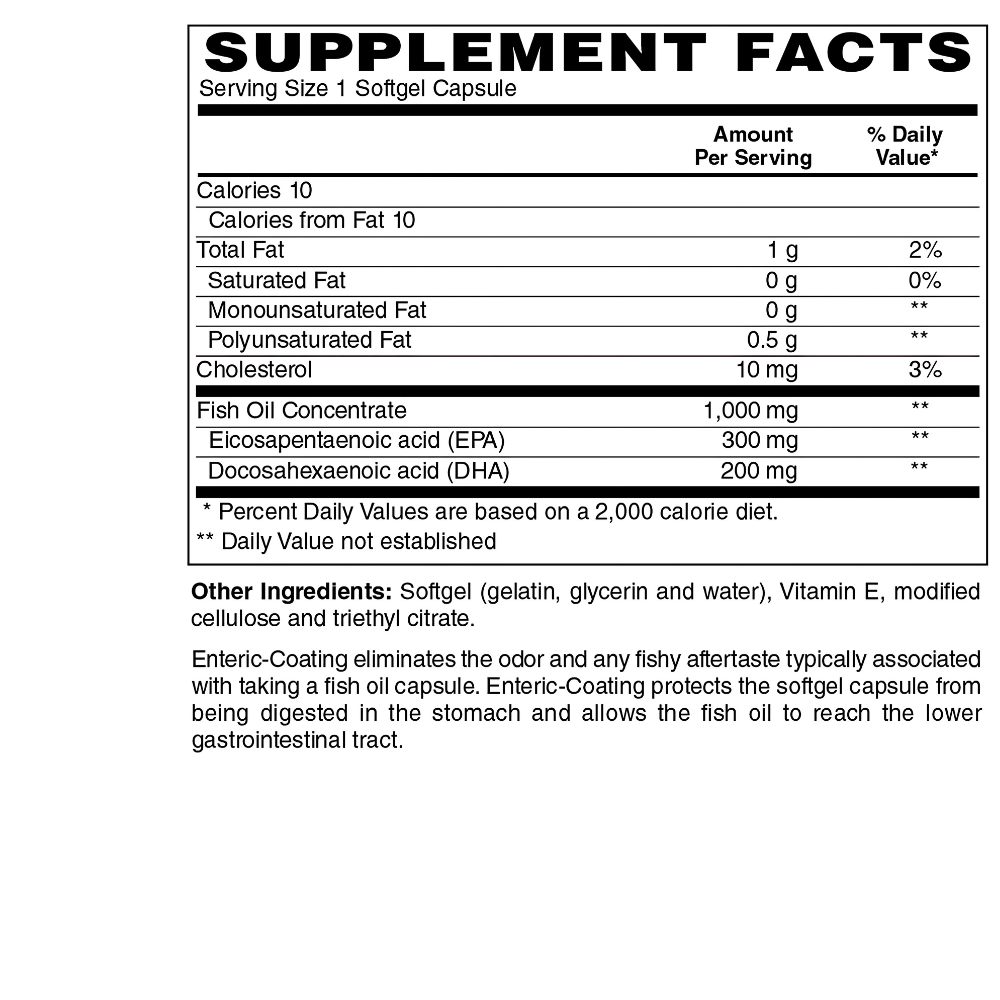
Super Omega-3 is molecularly distilled for purity and contains high concentrations of the essential fatty acids Omega-3 EPA & DHA (300 mg & 200 mg respectively). Omega-3 fatty acids are very important, supportive nutrient of cardio health as well as brain and ocular health. Each softgel is enteric coated to eliminate the odor and fishy aftertaste typically associated with taking a fish oil capsule. Enteric coating also protects the softgel capsules from being digested in the stomach and allows the fish oil to reach to the lower GI tract for absorption.
Suggested Use: 1 softgel 2 times daily
Categories
Categories
Humanized Health - NEW!
Learn about personalized health from top experts! Check out our fascinating new shows every week, available as videos, podcasts and transcripts.:
Our Bloggers
-
 Paula Gallagher
Paula is a highly qualified and experienced nutrition counselor on the staff at Village Green.
read more.. -
 Margo Gladding
Margo's impressive knowledge base is the result of a unique blend of educational and professional experience.
read more.. -
 Dr. Neal Barnard
Dr. Barnard leads programs advocating for preventive medicine, good nutrition, and higher ethical standards in research.
read more.. -
 Dr. Joseph Pizzorno
Dr. Joseph Pizzorno, ND is a pioneer of integrative medicine and a leading authority on science-based natural medicine.
read more.. -
 Debi Silber
Debi is a registered dietitian with a master’s degree in nutrition, a personal trainer, and whole health coach.
read more..
SEE ALL OF OUR BLOGGERS
Invalid password
Enter


Stay Connected
Village Green Apothecary
5415 W Cedar Ln
Bethesda, Maryland, 20814
(301) 530-0800
Toll Free: (800) 869-9159
The information provided on this site is not intended to be a substitute for advice or treatment from a qualified physician, nor is it intended to diagnose or treat a health problem or disease. Consult your physician prior to starting any new health program or if you any questions regarding a medical condition.
© 2025 Village Green Apothecary - All Rights Reserved.
