 FREE SHIPPING! Automatically Applied on Orders Over $74!



Healthy, glowing skin isn't only about using the right topical products and skincare routines. What we put inside our bodies plays a equally important role in maintaining skin health. Vitamins, minerals, and supplements nourish and support skin from the inside out, providing essential nutrients that enhance both appearance and vitality. Among the best beauty supplements for skin health are collagen, vitamin C, and hyaluronic acid.
1. Collagen: The Foundation of Skin Structure
Collagen, the most abundant protein in the body, is a major component of skin and the best supplement for skin elasticity, structure, and firmness. As we age, collagen production naturally declines, leading to wrinkles, sagging, and thinner skin. The best collagen supplements for skin may help support it against these effects, contributing to a more youthful complexion.
Will collagen supplements tighten skin?
Collagen supplements, typically derived from bovine or marine sources, are broken down into easily absorbed collagen peptides.
These peptides help stimulate the skin’s natural collagen production, and the collagen and vitamin C benefits together improve skin elasticity, boost hydration, and reduce the appearance of wrinkles.
Studies have shown that taking collagen supplements regularly can significantly improve skin elasticity and reduce wrinkle depth.
As the best supplement for skin repair, collagen can also be beneficial to promote skin repair, and is often recommended for individuals suffering from sun damage or signs of aging.
How to Incorporate Collagen into Your Routine
Collagen supplements are available in various forms, including powders, capsules, and liquids. Adding collagen powder to smoothies, coffee, or even water is a popular way to boost daily intake. A typical daily dose is around 2.5 to 15 grams, depending on the product and your individual needs. Many find taking collagen in the morning or with meals helps with absorption.
2. Vitamin C: The Brightening Antioxidant
Vitamin C is one of the most studied and well-known ingredients, and arguably the best supplement for skin health. As a powerful antioxidant, it is essential for collagen production and protects against environmental stressors like UV rays and pollution, which can accelerate aging.
How Vitamin C Benefits the Skin
Vitamin C helps boost collagen synthesis, making the best vitamin C supplement for collagen production an excellent complement to your collagen routine. It also helps brighten the skin by reducing hyperpigmentation and dark spots, resulting in a more even complexion. Additionally, its antioxidant properties protect against oxidative stress, which can cause premature aging, dullness, and fine lines.
Topical vs. Oral Vitamin C
Topical vitamin C serums are effective at targeting specific skin concerns, while oral vitamin C supplements for wrinkles and glowing skin can support overall skin health from the inside. Taking both offers maximum benefits. Along with improving collagen production, oral vitamin C can help repair damaged skin and promote wound healing.
How to Use Vitamin C Supplements
Vitamin C is water-soluble, meaning it is not stored in the body and must be replenished daily through diet or supplements.
You can find vitamin C in fruits and vegetables like oranges, strawberries, and bell peppers, but for an extra boost, a supplement in the form of capsules or powders can be helpful.
sale
PATHWAY
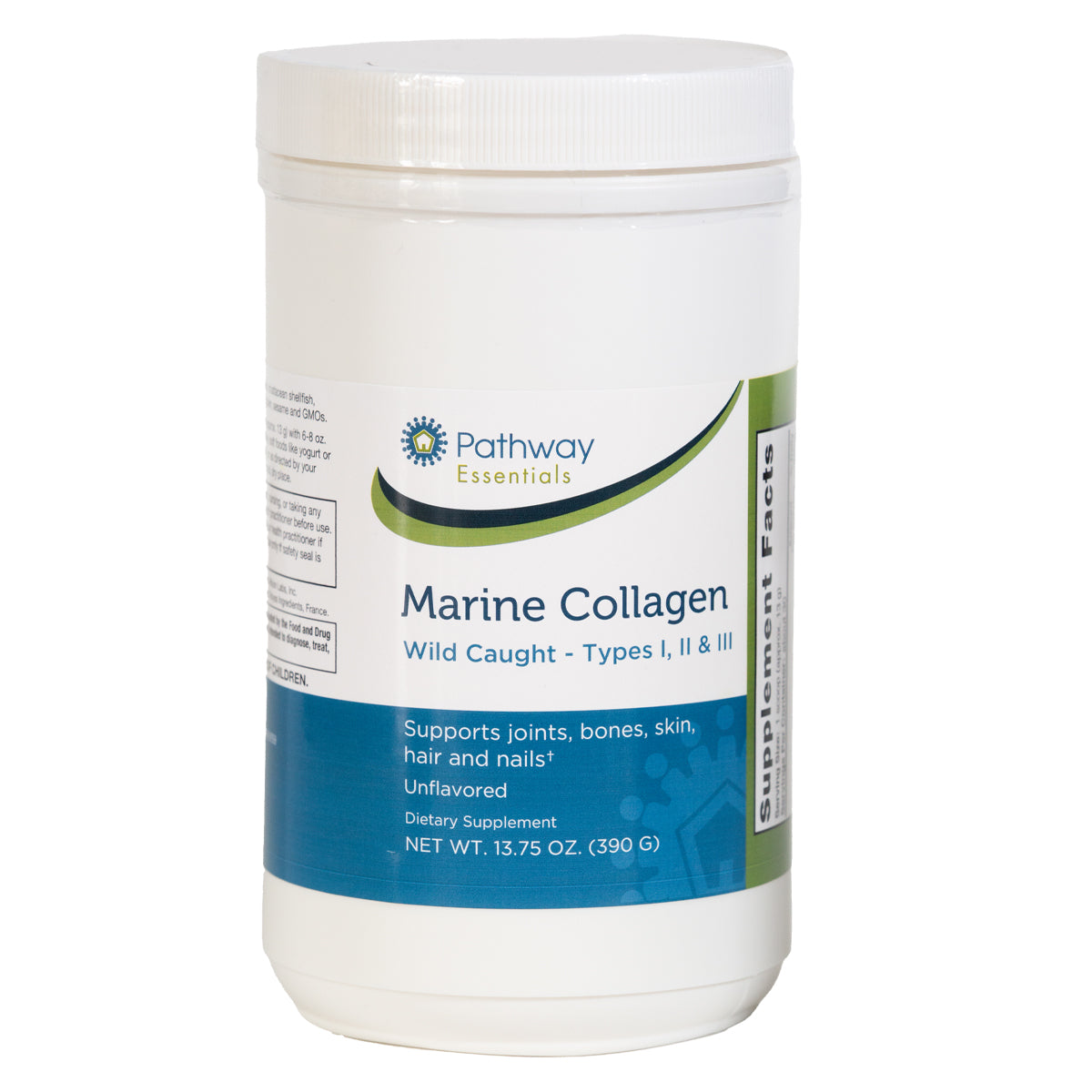
Marine Collagen - Wild Caught - Types I, II &...
2 reviews
$55.29
$78.99
Supports Skin, Hair, Nail, Joint and Bone HealthCollagen is a major component of skin and plays a role in its elasticity and hydration. It helps make sure that cartilage is strong enough to absorb shock and protect joints from damage, while also enabling bones to move fluidly without friction. Collagen is also a vital component of the gut’s connective tissue and may help support the protective lining of the stomach and intestinal walls. While the body naturally produces collagen, production slows as we age and can also become damaged by stress, poor nutrition, toxins, and sun exposure.Pathway Marine Collagen provides hydrolyzed marine collagen peptides from wild-caught fish for easy absorption, along with synergistic co-factors that support collagen production. This unflavored powder is tasteless and odorless and readily dissolves in liquids or soft foods.Suggested Use: Mix 1 scoop (approx. 13 g) with 6-8 oz. of water or preferred beverage once daily, or as directed by your health practitioner.
sale
PATHWAY
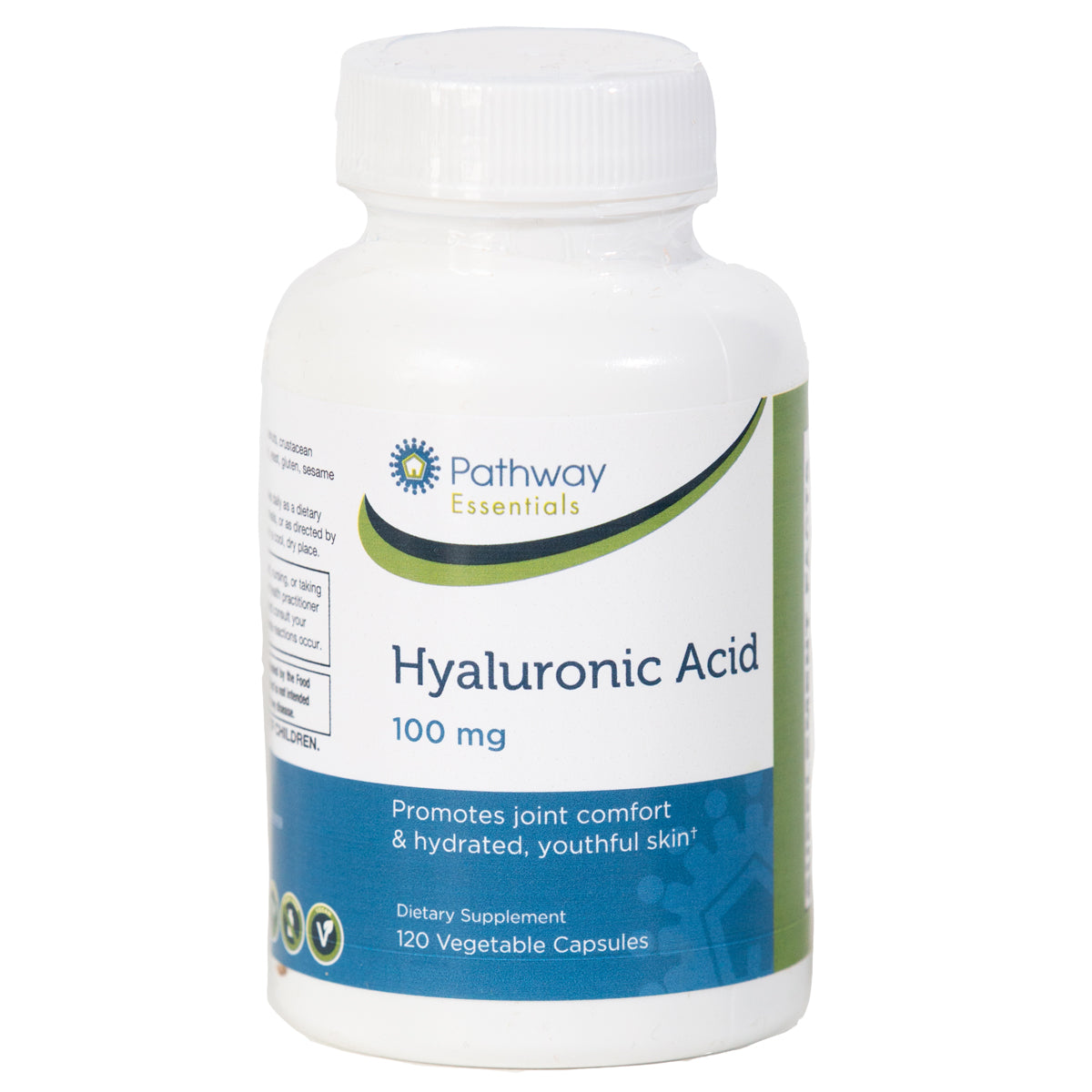
Hyaluronic Acid 100MG
No reviews
$29.39
$41.99
Provides Joint Comfort and Hydrated SkinHyaluronic acid is a naturally occurring polysaccharide found in the skin, connective tissues in joints, and eye fluid. It is a major component of synovial fluid that enables smooth movement and cushioning for joints and moisturizes eyes. Taking hyaluronic acid can help to promote healthy skin, nourish and hydrate collagen, lubricate eyes, and support joint flexibility. Suggested Use: Take 2 capsules daily as a dietary supplement, with or between meals, or as directed by your health practitioner.
3. Hyaluronic Acid: The Ultimate Hydrator
Hyaluronic acid (HA) is a naturally occurring substance in the skin that retains moisture, giving skin a plump, smooth appearance. However, like collagen, HA levels decrease with age, leading to dryness, fine lines, and a loss of volume.
How Hyaluronic Acid Hydrates and Plumps the Skin
Hyaluronic acid’s remarkable ability to hold up to 1, 000 times its weight in water makes it a go-to for maintaining skin hydration. HA supplements work by replenishing your body’s natural stores, leading to better moisture retention, improved elasticity, and a reduction in the appearance of fine lines.
HA also supports skin barrier function, preventing water loss and keeping your skin soft and supple. By boosting hydration, it creates a plumper, more youthful appearance.
How to Take Hyaluronic Acid
Hyaluronic acid supplements, available in capsule or powder form, work from within to improve hydration levels, complementing topical HA serums that can moisturize the skin’s surface. A typical dose ranges from 100 mg to 240 mg per day, though it's wise to start lower and adjust based on how your skin responds. HA is particularly effective when taken alongside collagen supplements, as the two work synergistically to enhance skin elasticity and moisture retention.
4. Other Essential Vitamins and Minerals for Skin Health
In addition to collagen, vitamin C, and hyaluronic acid, several other vitamins and minerals play a key role in supporting healthy skin:
Vitamin E: The Skin Protector
Vitamin E is a fat-soluble antioxidant that shields the skin from oxidative damage caused by free radicals, helping prevent premature aging. Its anti-inflammatory properties also make it beneficial for reducing redness and irritation, especially in those with acne, eczema, or sensitive skin. Vitamin E is often found in topical skincare products, but taking it as a supplement can enhance its protective benefits. Foods rich in vitamin E include nuts, seeds, and leafy green vegetables. For supplements, the recommended dose is around 15 mg per day.
Zinc: The Healing Mineral
Zinc is a vital trace mineral that supports skin repair and reduces inflammation. It is particularly beneficial or those with acne, as it helps regulate oil production and supports the skin’s immune defenses. Zinc supplements are commonly associated with supporting acne-prone skin, wound healing, and a reduced risk of scarring. The recommended daily intake of zinc is around 8 to 11 mg for adults, though higher doses may be suggested for those managing skin concerns like acne. Always consult with a healthcare provider before taking higher doses.
Biotin: The Hair, Skin, and Nails Vitamin
Biotin, also known as vitamin B7, is often marketed as a "beauty vitamin" and one of the best hair, skin and nails vitamins in the UK and beyond, due to its benefits for hair, skin, and nails. Although biotin deficiencies are rare, pairing collagen, vitamin C, and biotin can help strengthen brittle nails, improve skin hydration, and promote healthy hair growth. The recommended daily intake of biotin is approximately 30 mcg, which can be found in foods such as eggs, nuts, and seeds. However, formulas like NeoCell Super Collagen Vitamin C & Biotin can provide a higher concentration for those looking to enhance the appearance of their skin, hair, and nails.
While skincare products can provide a temporary solution for surface-level skin issues, supplements like collagen, vitamin C, hyaluronic acid, and other key nutrients offer a lasting, internal solution for skin health. These supplements nourish your skin from within, helping to improve elasticity, enhance hydration, and promote an overall radiant complexion. For optimal skin health, consider incorporating a combination of these vitamins and supplements into your daily routine. Remember, healthy skin starts from within, and nourishing your body with the right nutrients is key to maintaining a radiant, youthful appearance. As always, consult with a healthcare provider before starting any new supplement regimen, especially if you have underlying health conditions or are taking other medications.
Frequently Asked Questions
Are vitamin c supplements good for skin?
It’s true that vitamin C is one of the most well-researched vitamins for your skin. Not only is it necessary for collagen production, but it also serves as an antioxidant to protect your skin from external aggressors like UV rays and pollutants. Taken daily, it may help support a brighter, more even complexion from the inside. It goes particularly well with collagen supplements.
Can I take vit c?
It depends. Most healthy adults should be able to tolerate vitamin C supplementation. Since it's a water-soluble vitamin, your body will use what it needs and pass the excess in your urine, making it well tolerated at most supplemental doses. In higher doses, it may cause gastrointestinal distress for some individuals. If you have any kidney issues or take medications, consult your doctor first.
Will collagen supplements help crepey skin?
Crepey skin is a term used to describe thin, loose skin typically found on older people as they lose collagen and elastin. Collagen peptides may help support skin elasticity and firmness over time, which is why so many people ask about them for this concern. It takes time. Each day you add more results. It may take several weeks. You can also take collagen with vitamin C to boost your own collagen production.
Can iron supplements cause skin rash?
Iron isn’t typically a rash-inducing substance. But you could be allergic or sensitive to a particular form of iron in your supplement, and this could manifest as an itchy rash, hives or redness. In that case, discontinue use of the supplement and contact your doctor. It’s possible your rash is from something entirely unrelated to your supplement, so don’t guess about it - see a doctor.
What vitamins help skin health?
Several vitamins and nutrients may help support skin health from within. Vitamin C helps the body make collagen and acts as an antioxidant against environmental factors. Vitamin E is an antioxidant which can help protect your skin from oxidative damage and may reduce redness. Biotin, or vitamin B7, helps keep hair, skin and nails healthy. Other potentially beneficial vitamins and minerals include collagen, hyaluronic acid and zinc. As with most supplements, talk to a qualified health care practitioner before taking one.
These statements have not been evaluated by the Food and Drug Administration. This product is not intended to diagnose, treat, cure, or prevent any disease.
References
- PubMed - Oral collagen supplementation and skin
- NIH Office of Dietary Supplements - Vitamin C
- PubMed - Hyaluronic acid: A key molecule in skin aging
- NIH Office of Dietary Supplements - Vitamin E
- NIH Office of Dietary Supplements - Zinc
- NIH Office of Dietary Supplements - Biotin
- PubMed - The skin: a microbial ecosystem
- PubMed - Immunomodulatory Plant Natural Products
- Collagen, Curcumin, and Glutathione to Enhance Dermal Health in Aging Women with Declining Estrogen Levels -A Narrative Review (2026)
- Food Supplements in Osteoarthritis: A Practical Framework for Discussing Evidence with Patients (2026)
Categories
Categories
Humanized Health - NEW!
Learn about personalized health from top experts! Check out our fascinating new shows every week, available as videos, podcasts and transcripts.:
Our Bloggers
-
 Paula Gallagher
Paula is a highly qualified and experienced nutrition counselor on the staff at Village Green.
read more.. -
 Margo Gladding
Margo's impressive knowledge base is the result of a unique blend of educational and professional experience.
read more.. -
 Dr. Neal Barnard
Dr. Barnard leads programs advocating for preventive medicine, good nutrition, and higher ethical standards in research.
read more.. -
 Dr. Joseph Pizzorno
Dr. Joseph Pizzorno, ND is a pioneer of integrative medicine and a leading authority on science-based natural medicine.
read more.. -
 Debi Silber
Debi is a registered dietitian with a master’s degree in nutrition, a personal trainer, and whole health coach.
read more..
SEE ALL OF OUR BLOGGERS
Invalid password
Enter


Stay Connected
Village Green Apothecary
5415 W Cedar Ln
Bethesda, Maryland, 20814
(301) 530-0800
Toll Free: (800) 869-9159
The information provided on this site is not intended to be a substitute for advice or treatment from a qualified physician, nor is it intended to diagnose or treat a health problem or disease. Consult your physician prior to starting any new health program or if you any questions regarding a medical condition.
© 2025 Village Green Apothecary - All Rights Reserved.
