 FREE SHIPPING! Automatically Applied on Orders Over $74!



Antibiotics play an important role in treating bacterial infections, but they can also disrupt the balance of beneficial bacteria in the gut. While antibiotics target harmful microbes, they may also reduce healthy bacteria that support digestion, immune function, and overall wellness.
Learning how to restore gut health after antibiotics can help support microbiome recovery, digestive comfort, and long-term immune health.
Why Antibiotics Affect Gut Health
Your gut microbiome contains trillions of microorganisms that help regulate digestion, nutrient absorption, inflammation, and immune responses. A balanced microbiome also supports communication between the gut and brain through the gut-brain axis.
Research shows that antibiotic use can reduce beneficial bacteria populations, including important groups such as Bacteroidetes and Firmicutes. This disruption may contribute to:
-
Reduced microbial diversity
-
Digestive discomfort
-
Slower gut recovery
-
Increased susceptibility to infections
-
Antibiotic-associated diarrhea
Supporting microbiome recovery after antibiotics is essential for rebuilding gut resilience and maintaining digestive health.
Step 1: Rebuild Beneficial Gut Bacteria with Probiotics
One of the most effective ways to rebuild gut flora after antibiotics is through targeted probiotic supplementation.
Pathway Suprema Dophilus contains beneficial probiotic strains that help support digestive balance and immune health during microbiome recovery.
Best Probiotic Strains for Gut Recovery
Look for probiotic formulas that contain Lactobacillus and Bifidobacterium strains, which may help:
-
Reduce antibiotic-associated diarrhea
-
Support microbial balance
-
Improve digestive regularity
-
Strengthen immune defenses
Taking probiotics during and after antibiotic treatment may help repopulate beneficial gut bacteria and support microbiome stability.
Step 2: Feed Good Bacteria with Prebiotic Foods
Beneficial bacteria need nourishment to grow and thrive. Prebiotic fibers act as fuel for healthy microbes in the digestive tract.
Foods rich in prebiotics include:
-
Garlic
-
Onions
-
Leeks
-
Asparagus
-
Jerusalem artichokes
-
Oats
-
Barley
-
Chia seeds
-
Green bananas
-
Legumes
Specific prebiotic compounds such as inulin and galacto-oligosaccharides may further support microbial growth and gut health recovery.
Step 3: Eat a Diverse Diet to Support the Microbiome
Diet plays a major role in rebuilding the gut microbiome after antibiotics.
Research from the American Gut Project suggests that individuals who consume 20 to 30 different plant foods weekly tend to have greater microbial diversity.
Focus on adding:
-
Legumes such as lentils, chickpeas, and beans
-
Whole grains including oats and barley
-
Leafy greens and root vegetables
-
Berries and colorful fruits
-
Mushrooms and herbs
-
Healthy fats such as olives and olive oil
Start slowly and increase dietary variety based on digestive tolerance.
Step 4: Start with Gentle Foods During Recovery
Digestive sensitivity is common after antibiotic use. Starting with gentle foods may help support recovery without overwhelming the digestive system.
Consider easy-to-digest meals such as:
-
Soups
-
Stews
-
Oats
-
Rice
-
Cooked vegetables
Eating smaller, balanced meals throughout the day may also support digestion and reduce discomfort.
Step 5: Add Fermented Foods Slowly
Fermented foods naturally contain beneficial bacteria that may help support microbial diversity.
Introduce small amounts gradually to minimize bloating or digestive discomfort.
Examples include:
-
Yogurt
-
Kefir
-
Sauerkraut
-
Kimchi
-
Miso
-
Tempeh
A slow and consistent approach may improve tolerance while supporting microbiome recovery.
Step 6: Support the Gut Lining
Supporting the intestinal lining is another important part of gut recovery after antibiotics.
Pathway Advanced Gut Care contains L-glutamine and other ingredients that help support intestinal integrity, soothe the digestive tract, and promote microbial balance.
Step 7: Increase Fiber Gradually
Fiber supports digestive health and beneficial gut bacteria, but increasing intake too quickly may lead to bloating.
Focus on soluble fiber sources such as:
-
Oats
-
Barley
-
Chia seeds
-
Psyllium
-
Cooked root vegetables
Gradually increasing fiber intake may help improve tolerance and support microbiome diversity.
Step 8: Eat Polyphenol-Rich Foods for Microbial Diversity
Polyphenols are plant compounds that help nourish beneficial bacteria and support healthy microbial changes in the gut.
Foods rich in polyphenols include:
-
Berries
-
Dark leafy greens
-
Green tea
-
Cocoa
-
Herbs and spices
These compounds are transformed by gut bacteria into beneficial metabolites that support overall wellness.
Simple Daily Routine for Gut Recovery
After finishing antibiotics, consider the following gut recovery routine:
-
Take a daily probiotic such as Pathway Supremadophilus
-
Eat 20 to 30 different plant foods each week
-
Add prebiotic foods gradually
-
Introduce fermented foods slowly
-
Support gut lining health with nutrients such as L-glutamine
-
Increase fiber intake gradually
-
Focus on balanced, easy-to-digest meals
Long-Term Gut Health Support
Rebuilding the gut microbiome takes time and consistency. Many people notice improvements in digestion and energy levels within several weeks of making supportive dietary and lifestyle changes.
Long-term habits that support gut health include:
-
Eating a wide variety of plant foods
-
Supporting beneficial bacteria with probiotics and prebiotics
-
Managing stress levels
-
Prioritizing sleep and hydration
-
Maintaining a balanced diet rich in fiber and nutrients
When to Seek Professional Support
Persistent digestive symptoms may indicate the need for personalized guidance. A healthcare practitioner can help identify the best dietary, supplement, and lifestyle strategies to support microbiome recovery and digestive health.
Book a Personalized Gut Health Consultation
If you are struggling with digestive symptoms or need support restoring gut health after antibiotics, the practitioners at Village Green Apothecary can help create a personalized wellness plan tailored to your needs.
→ Schedule a consultation to receive expert guidance on probiotics, digestive support, microbiome health, and nutrition strategies for long-term wellness.
Frequently Asked Questions
How long does it take to restore gut health after antibiotics?
Gut recovery varies by individual. Some people notice improvements within a few weeks, while full microbiome recovery may take several months depending on diet, lifestyle, and antibiotic use.
Should I take probiotics after antibiotics?
Probiotics may help replenish beneficial bacteria and support digestive health after antibiotic use. Look for clinically studied strains such as Lactobacillus and Bifidobacterium.
What foods help restore gut health after antibiotics?
Foods that support gut recovery include prebiotic-rich vegetables, fiber-rich whole foods, fermented foods, legumes, and polyphenol-rich fruits and vegetables.
Can antibiotics permanently damage gut bacteria?
Most microbiomes recover over time, but repeated antibiotic use may lead to long-term reductions in microbial diversity in some individuals.
What is the best fiber for gut recovery?
Soluble fiber sources such as oats, barley, chia seeds, and psyllium are often gentler on digestion and help support beneficial gut bacteria.
sale
PATHWAY
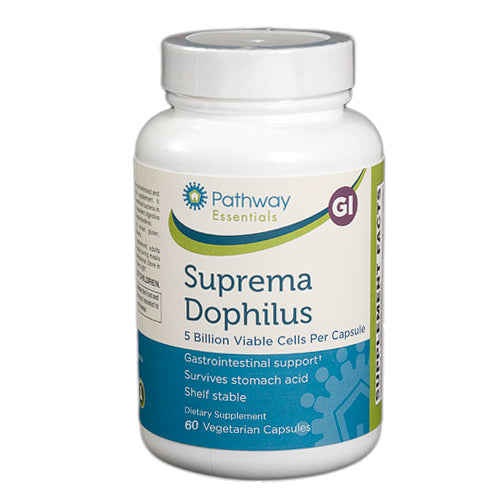
Suprema Dophilus
No reviews
$20.99
$29.99
5 Billion Viable Cells Per Capsule
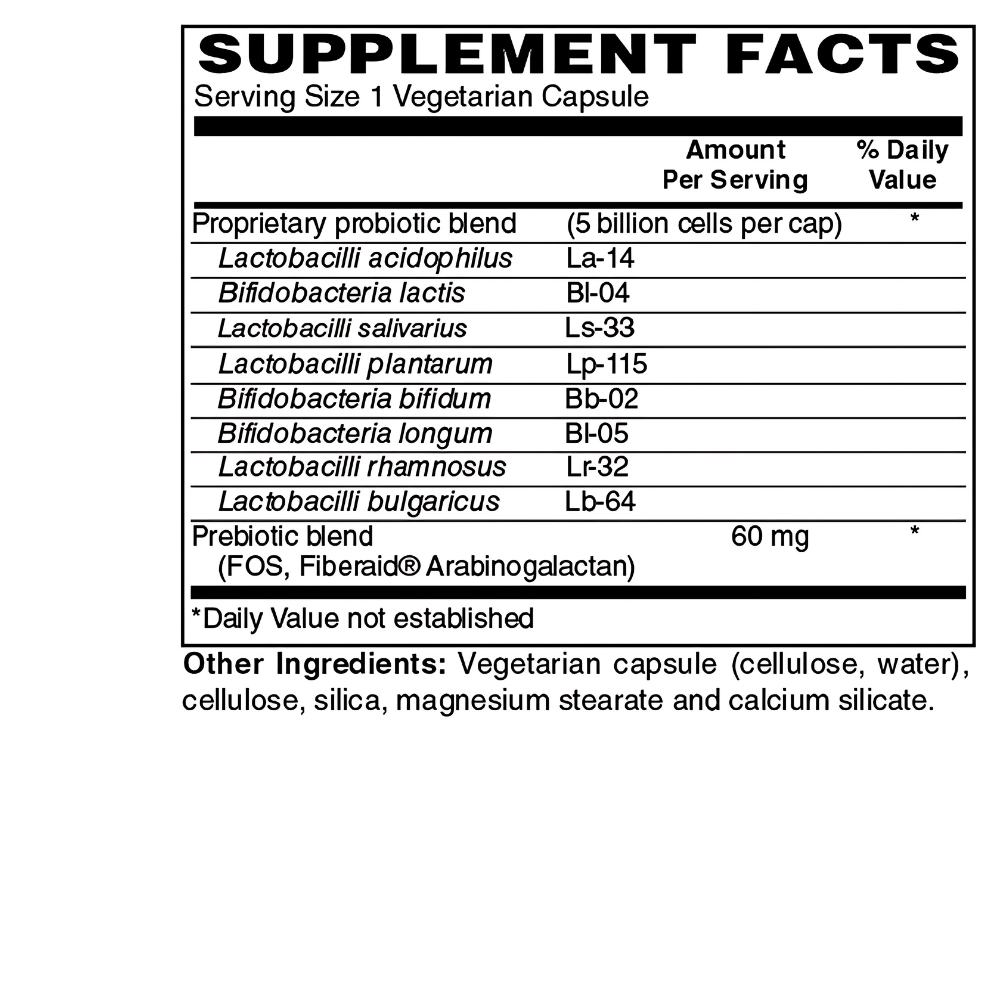
Suprema Dophilus is an advanced combination of eight strains of beneficial bacteria to give you a complete probiotic formula. The bacteria in Suprema Dophilus are bioenhanced, acid-resistant strains that are formulated to survive stomach acid without the need for an enteric coating. Suprema Dophilus is also shelf stable, so there is no need for refrigeration.
Suggested Use: 1 capsule daily with a meal
sale
PATHWAY
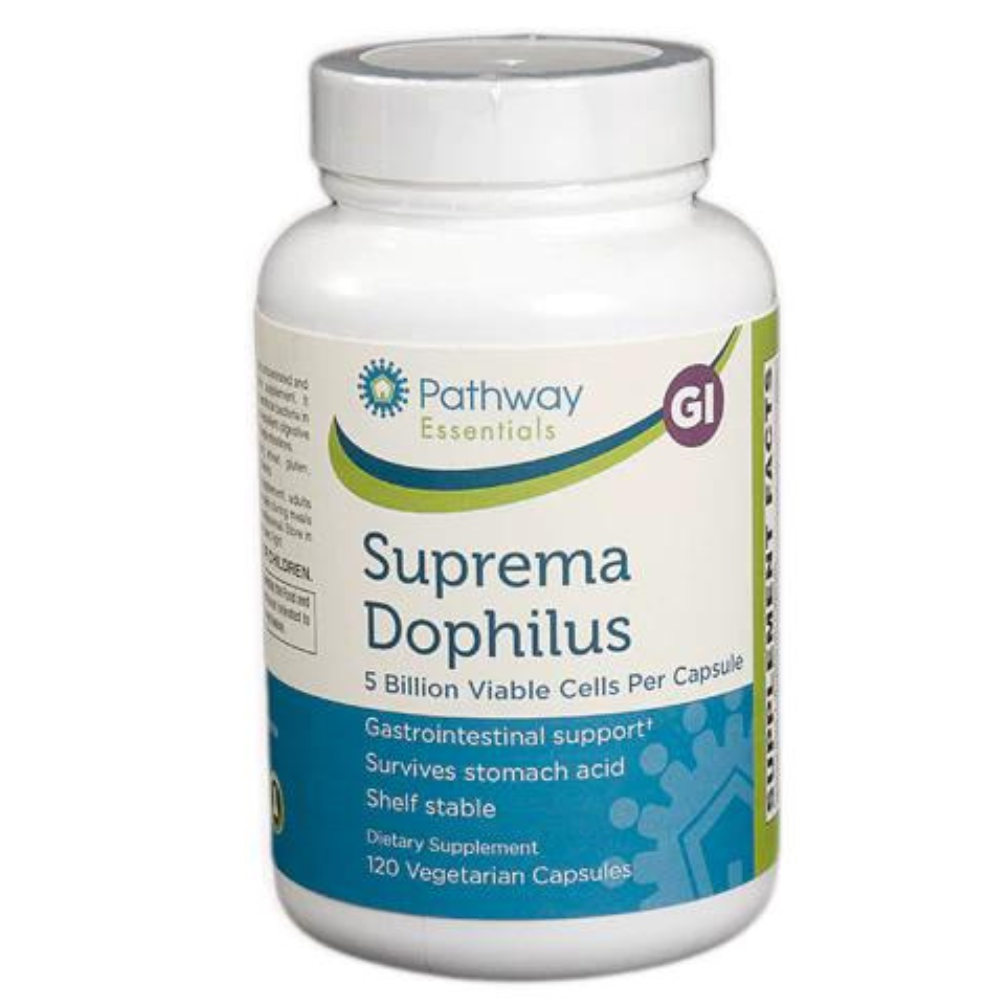
Suprema Dophilus
1 review
$37.40
$53.43
5 Billion Viable Cells Per Capsule
Suprema Dophilus is an advanced combination of eight strains of beneficial bacteria to give you a complete probiotic formula. The bacteria in Suprema Dophilus are bioenhanced, acid-resistant strains that are formulated to survive stomach acid without the need for an enteric coating. Suprema Dophilus is also shelf stable, so there is no need for refrigeration.
Suggested Use: 1 capsule daily with a meal
sale

PATHWAY
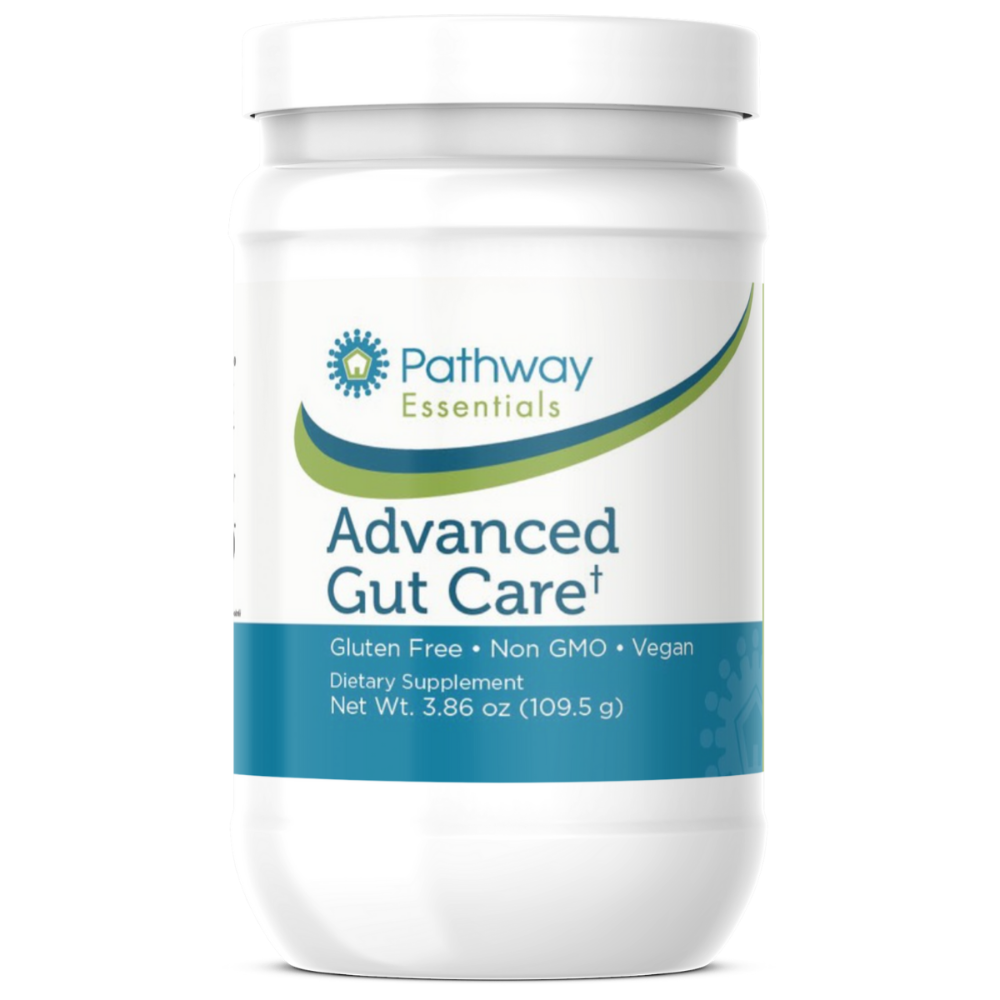
Advance Gut Care
No reviews
$25.84
$36.92
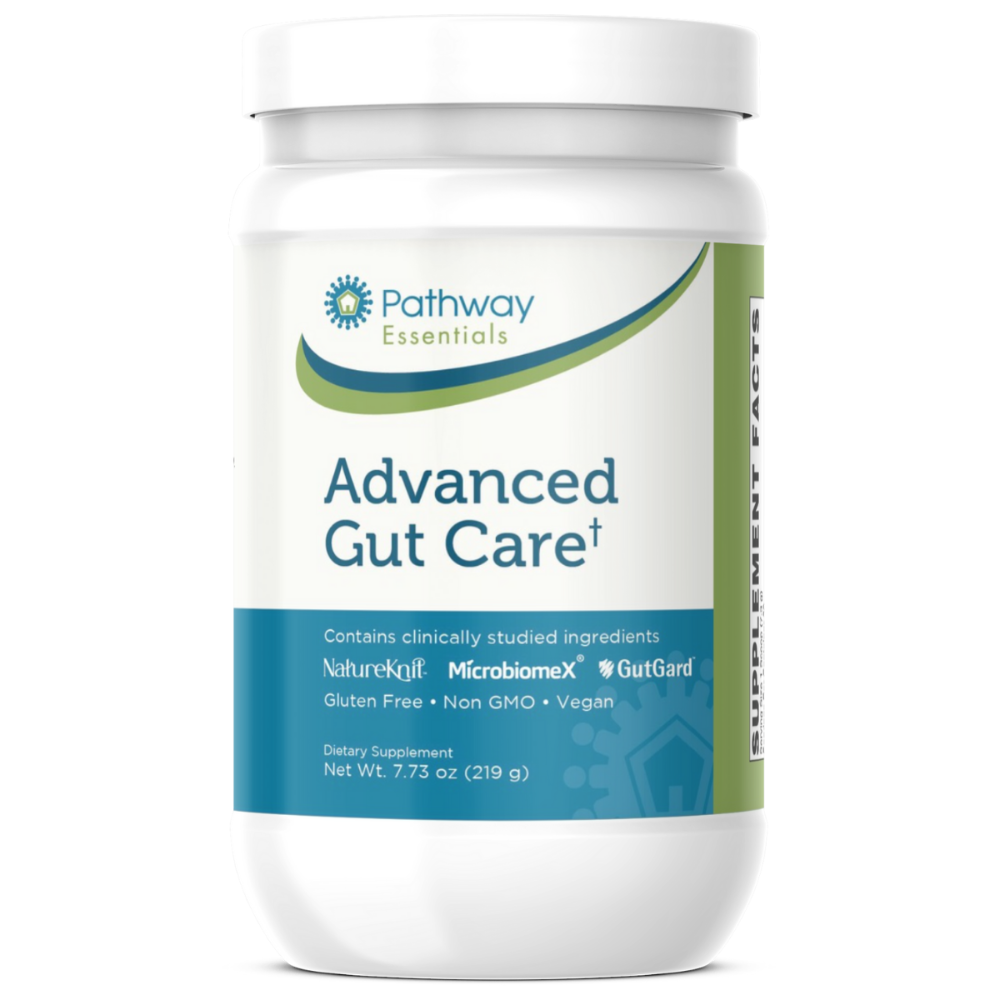
Tight openings in the intestinal walls allow water and nutrients to pass through into the bloodstream while keeping harmful substances inside. The rate of this passing is known as intestinal permeability (IP). As gut health declines with age, stress, poor diet and unhealthy lifestyle, these openings become looser. This allows food particles, bacteria, and toxins to leak directly into the bloodstream. If neglected, the increase in Intestinal Permeability (IP) may contribute to various health conditions. Poor IP has some early warning signs such as diarrhea, constipation or bloating, fatigue, headaches, poor focus, unhealthy skin, joint pain and or poorly resolved inflammatory events. Advanced Gut Care contains clinically studied ingredients that aid the balance of the gut microbiome, soothe the intestinal tract, and support the integrity of the intestinal lining.
Features:
3000 mg L-Glutamine
2000 mg NatureKnit fiber-bound polyphenols
850 mg Gluten Enzyme Formula, same as Gluten-ADE
250 mg MicrobiomeX grapefruit and orange fruit extract
250 mg Lynside PRO SCB Saccharomyces boulardii
150 mg GutGard standardized licorice root extract
100 mg FiberAid (larch arabinogalactan) prebiotic
100 mg Organic Acacia Gum
100 mg Ginger root extract
100 mg Marshmallow root (Althaea officinalis)
100 mg Slippery Elm bark (Ulmus pumila)
Contains no sugar, salt, dairy, wheat, gluten, eggs, peanuts, soy, tree nuts, fish, shellfish, sesame, preservatives, artificial colors or flavors
Gluten Free, Non-GMO and Vegan
Benefits:
Clinically studied ingredients that soothe & support the intestinal tract.
Glutamine directly supports gut health 3 ways: it aids the balance of the gut microbiome, increases tight junction proteins and the integrity of the intestinal lining, and helps to minimize the inflammatory response in situations of gut mucosal irritation.
NatureKnit delivers dietary fiber and polyphenols to the gut. These fiber-bound polyphenols are slowly released and act as antioxidants to help promote optimal gut health.
MicrobiomeX promotes a shift in the gut microbiome that leads to a beneficial short-chain fatty acid (SCFA) profile. This improves gut barrier function and enhances the immunity in the gut.
GutGard is show in 2 studies to significantly lowers the symptoms of daily digestive health problems and provide relief from H. pylori for 48% of those studied.
Advanced Gut Care also provides a Gluten Enzyme Formula, Lynside PRO SCB Saccharomyces boulardii, FiberAid, Organic Acacia Gum, Ginger root extract, Marshmallow root and Slippery Elm, all in effective doses to support healthy gut function.
Suggested Use:
As a dietary supplement, adults take one (1) scoop daily in water, juice, or a smoothie, or as directed by a health care professional.
Storage Instructions:
Store in a cool, dry place away from direct light
KEEP OUT OF REACH OF CHILDREN.
sale

PATHWAY
Advance Gut Care
No reviews
$42.13
$60.19
Tight openings in the intestinal walls allow water and nutrients to pass through into the bloodstream while keeping harmful substances inside. The rate of this passing is known as intestinal permeability (IP). As gut health declines with age, stress, poor diet and unhealthy lifestyle, these openings become looser. This allows food particles, bacteria, and toxins to leak directly into the bloodstream. If neglected, the increase in Intestinal Permeability (IP) may contribute to various health conditions. Poor IP has some early warning signs such as diarrhea, constipation or bloating, fatigue, headaches, poor focus, unhealthy skin, joint pain and or poorly resolved inflammatory events. Advanced Gut Care contains clinically studied ingredients that aid the balance of the gut microbiome, soothe the intestinal tract, and support the integrity of the intestinal lining.
Features:
3000 mg L-Glutamine
2000 mg NatureKnit fiber-bound polyphenols
850 mg Gluten Enzyme Formula, same as Gluten-ADE
250 mg MicrobiomeX grapefruit and orange fruit extract
250 mg Lynside PRO SCB Saccharomyces boulardii
150 mg GutGard standardized licorice root extract
100 mg FiberAid (larch arabinogalactan) prebiotic
100 mg Organic Acacia Gum
100 mg Ginger root extract
100 mg Marshmallow root (Althaea officinalis)
100 mg Slippery Elm bark (Ulmus pumila)
Contains no sugar, salt, dairy, wheat, gluten, eggs, peanuts, soy, tree nuts, fish, shellfish, sesame, preservatives, artificial colors or flavors
Gluten Free, Non-GMO and Vegan
Benefits:
Clinically studied ingredients that soothe & support the intestinal tract.
Glutamine directly supports gut health 3 ways: it aids the balance of the gut microbiome, increases tight junction proteins and the integrity of the intestinal lining, and helps to minimize the inflammatory response in situations of gut mucosal irritation.
NatureKnit delivers dietary fiber and polyphenols to the gut. These fiber-bound polyphenols are slowly released and act as antioxidants to help promote optimal gut health.
MicrobiomeX promotes a shift in the gut microbiome that leads to a beneficial short-chain fatty acid (SCFA) profile. This improves gut barrier function and enhances the immunity in the gut.
GutGard is show in 2 studies to significantly lowers the symptoms of daily digestive health problems and provide relief from H. pylori for 48% of those studied.
Advanced Gut Care also provides a Gluten Enzyme Formula, Lynside PRO SCB Saccharomyces boulardii, FiberAid, Organic Acacia Gum, Ginger root extract, Marshmallow root and Slippery Elm, all in effective doses to support healthy gut function.
Suggested Use:
As a dietary supplement, adults take one (1) scoop daily in water, juice, or a smoothie, or as directed by a health care professional.
Storage Instructions:
Store in a cool, dry place away from direct light
KEEP OUT OF REACH OF CHILDREN.
Categories
Categories
Humanized Health - NEW!
Learn about personalized health from top experts! Check out our fascinating new shows every week, available as videos, podcasts and transcripts.:
Our Bloggers
-
 Paula Gallagher
Paula is a highly qualified and experienced nutrition counselor on the staff at Village Green.
read more.. -
 Margo Gladding
Margo's impressive knowledge base is the result of a unique blend of educational and professional experience.
read more.. -
 Dr. Neal Barnard
Dr. Barnard leads programs advocating for preventive medicine, good nutrition, and higher ethical standards in research.
read more.. -
 Dr. Joseph Pizzorno
Dr. Joseph Pizzorno, ND is a pioneer of integrative medicine and a leading authority on science-based natural medicine.
read more.. -
 Debi Silber
Debi is a registered dietitian with a master’s degree in nutrition, a personal trainer, and whole health coach.
read more..
SEE ALL OF OUR BLOGGERS
Invalid password
Enter


Stay Connected
Village Green Apothecary
5415 W Cedar Ln
Bethesda, Maryland, 20814
(301) 530-0800
Toll Free: (800) 869-9159
The information provided on this site is not intended to be a substitute for advice or treatment from a qualified physician, nor is it intended to diagnose or treat a health problem or disease. Consult your physician prior to starting any new health program or if you any questions regarding a medical condition.
© 2025 Village Green Apothecary - All Rights Reserved.
