 FREE SHIPPING! Automatically Applied on Orders Over $74!




Osteoporosis bone health comes down to more than calcium. Vitamin D, magnesium, vitamin K, and zinc, as well as exercise and screening, are important for your bones, too. Bone loss doesn’t come with any kind of advance warning. It’s entirely possible that you could be losing bone mass for years and not know until you’ve broken a bone or two. For that reason, here are the top five nutrients essential for healthy bones, their dietary sources and how much of them you should eat daily. I'll also cover when a supplement may help support your intake and the everyday habits that matter just as much.
World Osteoporosis Day – October 20
Bones tend not to be something we think much about. They aren’t like muscles, which may become weak or sore if we use them too much. Bones can quietly deteriorate without us knowing until we break one. That’s why osteoporosis is often referred to as a “silent” disease, it can take years for bone loss to lead to a fracture.
October 20th is World Osteoporosis Day. It is an important day for us to learn more about osteoporosis prevention, bone density, and how to keep our bones healthy.
While calcium and vitamin D usually receive the most attention, several other nutrients are involved in building and maintaining healthy bones. Magnesium, vitamin K, and zinc also contribute to the complex processes that keep bones strong.
Learning more about how these five key nutrients function in the body, sources of these nutrients, and when supplementation might be beneficial, can help you make the choices necessary to keep your bones strong.
What Is Osteoporosis, and Who Is at Risk?
Osteoporosis is a disease that causes bones to lose density and quality. This makes your bones weaker and more likely to break.
Bone is a dynamic tissue. It’s constantly undergoing bone remodeling, where specialized cells resorb (break down) old bone and other cells form new bone. In children and young adults, the rate of new bone formation typically outpaces bone resorption. After menopause, the opposite can occur, as bone resorption may occur at a faster rate than new bone formation.
According to the Bone Health & Osteoporosis Foundation, approximately 10 million Americans have osteoporosis, while another 44 million have low bone density, placing them at increased risk of fractures.
Osteoporosis is most frequently seen in older individuals, including men, and in postmenopausal women.
Risk factors for osteoporosis include:
Increasing age and declining estrogen levels postmenopause
Family history of osteoporosis or hip fractures
Low body weight or a history of fractures from minor injuries
Insufficient intake of calcium and vitamin D
Smoking and excessive alcohol consumption
Physical inactivity
Certain medical conditions and medications, including long-term corticosteroid use
Because osteoporosis is often asymptomatic, learning about your own risk factors and whether or not you should have a bone density test is a good place to start.
Five Nutrients That Build Stronger Bones
1. Calcium: The Foundation of Strong Bones

Calcium is the most abundant mineral in the body, with approximately 99% stored in bones and teeth.
It provides strength to the skeleton and it's needed for muscle contraction, nerve signaling and normal blood clotting.
If your calcium intake remains too low for a period of time, your body may begin to take calcium out of your bones in order to keep blood calcium levels normal. Over time, this could lead to lower bone density.
Best food sources of calcium
Many people know that dairy products such as milk, yogurt and cheese are sources of calcium. However, here are some non-dairy choices:
Calcium-fortified plant-based beverages
Calcium-set tofu
Canned salmon and sardines with edible bones
Kale, bok choy, and broccoli
Fortified foods
How much calcium do you need?
Most adults ages 19–50 need approximately 1,000 mg daily. Women over 50 and adults over 70 generally need 1,200 mg daily.
These recommendations include calcium obtained from both food and supplements.
When might a calcium supplement help?
There are certain situations where calcium supplementation may be beneficial, for example, if you find that your diet never contains enough calcium, then calcium supplements could help. But don’t go overboard; taking too much calcium won’t further strengthen your bones, and it can cause problems like constipation and kidney stones in some people.
Pathway supplement option: Pathway Certified Organic Whole Food Plant Calcium provides calcium derived from Aquamin®, a mineral-rich red algae source. The formula also includes vitamin D3, vitamin K2, magnesium, and trace minerals involved in bone metabolism.
As this is a multi-ingredient, high calcium product, please consult your healthcare provider about using it after reviewing the entire Supplement Facts label and the amount of each mineral present.
2. Vitamin D: Helping Your Body Absorb Calcium
Even if you have enough calcium, your body needs vitamin D to use it.
Vitamin D is important for the regulation of calcium and phosphorus levels in the blood as well as the normal mineralization of bone. A severe deficiency of Vitamin D may result in a condition called osteomalacia, which is defined as softening of the bones.
Vitamin D also contributes to normal muscle function, which is important for balance and mobility as we age.
Best sources of vitamin D
Relatively few foods naturally contain substantial amounts of vitamin D. Sources include:
Salmon, trout, and sardines
Egg yolks
Fortified milk and plant-based beverages
Fortified cereals
UV-exposed mushrooms, which provide vitamin D2
The body also produces vitamin D when skin is exposed to UVB sunlight. However, production varies depending on season, latitude, skin pigmentation, age, and sun protection practices.
How much vitamin D do you need?
The recommended dietary allowance is 600 IU (15 mcg) daily for most adults through age 70 and 800 IU (20 mcg) for adults over 70.
There may be differences in required amounts for some people, depending on health status, risk factors and laboratory tests.
When might a vitamin D supplement help?
Supplementation may be warranted in those with a low vitamin D intake, little sun exposure, malabsorption, or an existing deficiency.
Pathway supplement option: Pathway Certified Organic Whole Food Vitamin D3 provides 2,000 IU of vitamin D3 per tablet, sourced from algae. It offers a vegan option for individuals who need additional vitamin D.
Overall, vitamin D3 is a highly effective supplement for increasing and maintaining vitamin D levels. But, as with most supplements, more isn’t always better. High-dose vitamin D3 supplementation should be tailored to your specific needs, and most adults should avoid taking more than 4,000 IU per day unless advised otherwise by their doctor.
3. Magnesium: Supporting Bone Structure and Mineral Balance
Magnesium is often associated with muscle and nerve function, but it also plays an important role in bone health.
Approximately 50–60% of the body's magnesium is stored in bones, where it contributes to bone structure and participates in processes involved in bone remodeling.
Magnesium is also required for enzymes involved in vitamin D metabolism and helps regulate normal muscle function.
Magnesium deficiency has been associated with poor bone health, but studies have shown little evidence that magnesium supplements can prevent osteoporosis or fracture risk.
Best food sources of magnesium
Pumpkin seeds and almonds
Spinach and other leafy greens
Black beans and lentils
Whole grains
Avocado
Dark chocolate
How much magnesium do you need?
Adult women should consume between 310-400 mg per day. Adult men should consume between 400-420 mg per day, depending on their age.
When might a magnesium supplement help?
Magnesium supplements may be helpful if you’re not getting enough magnesium in your diet or have a deficiency.
Different forms of magnesium have different characteristics. Magnesium citrate is relatively well absorbed but may loosen stools, while magnesium glycinate is often chosen by individuals seeking a form that may be gentler on digestion.
Pathway supplement option: Village Green Apothecary offers Pathway Magnesium formulas that can help supplement dietary intake when needed.
Magnesium supplements should be used carefully by individuals with impaired kidney function. Excessive supplemental magnesium can also cause diarrhea and abdominal discomfort.
4. Vitamin K: Important for Bone Protein Activation
Vitamin K is a fat-soluble vitamin best known for its role in normal blood clotting, but it also participates in bone metabolism.
It helps to activate proteins such as osteocalcin, which helps bind calcium in the bones.
There are two main dietary forms of vitamin K:
Vitamin K1 (phylloquinone) is found primarily in green leafy vegetables.
Vitamin K2 (menaquinones) is found in certain fermented foods and animal products. Different forms of K2, including MK-4 and MK-7, vary in how they are absorbed and metabolized.
Each form serves a role in vitamin K nutrition.
Best food sources of vitamin K
Kale, spinach, and collard greens
Broccoli and Brussels sprouts
Natto, a fermented soybean food
Certain cheeses
Eggs and some animal foods
How much vitamin K do you need?
The adequate intake is 120 mcg daily for adult men and 90 mcg for adult women.
Can vitamin K2 supplements improve bone density?
The potential health benefits of vitamin K2 have been studied due to its function in activating osteocalcin and other vitamin K-dependent proteins.
A number of studies have examined its impact on bone mineral density and fracture risk, but the results have been inconsistent and there is insufficient evidence to support vitamin K supplementation for the prevention of osteoporosis or fractures.
Pathway supplement option: Pathway Vitamin K2 120 mcg contains vitamin K2 as MK-7 (vitaMK7®), a form that remains in circulation longer than some other forms of vitamin K.
Because vitamin K supplements may affect warfarin (Coumadin) and other vitamin K antagonists, those taking these drugs should consult a physician before altering dietary intake of vitamin K.
5. Zinc: Supporting Bone Growth and Repair
Zinc is an essential trace mineral involved in hundreds of enzymatic reactions throughout the body.
It helps with protein synthesis, cell growth, immune system functioning, and tissue repair. Zinc is also involved in the normal functioning of cells that form and maintain bone.
There’s little evidence, however, that consuming additional zinc will prevent osteoporosis in those who already get enough from their diet, despite its role in healthy bone growth.
Best food sources of zinc
Oysters and other shellfish
Beef and poultry
Pumpkin seeds
Beans and lentils
Nuts and whole grains
Dairy products
Zinc is not as easily absorbed from plant foods due to the presence of phytates in legumes and grains, which also impede the absorption of other minerals.
How much zinc do you need?
For adult men, about 11 mg is needed, while for adult women, it’s around 8 mg.
When might a zinc supplement help?
Supplemental zinc might be considered in people with poor nutritional status, impaired absorption, or documented zinc deficiency.
Pathway supplement option: Village Green Apothecary offers Pathway Zinc supplements that can help meet individual nutritional needs.
Avoid taking high doses of zinc for extended periods without medical supervision. Excessive zinc can interfere with copper absorption and may contribute to copper deficiency.
Beyond Supplements: 5 Ways to Help Prevent Osteoporosis

Nutrition is important, but maintaining bone strength requires more than vitamins and minerals.
1. Make Weight-Bearing Exercise a Regular Habit
Walking, dancing, stair climbing, hiking, and other weight-bearing activities help stimulate the skeletal system.
This is particularly useful for resistance training which maintains muscle strength and imposes a positive mechanical stimulus on the bones.
Exercise programs should be adapted for individuals with osteoporosis or previous fractures.
2. Include Enough Protein
Protein is an important structural component of bone and is essential for maintaining muscle mass.
Getting enough protein, especially as you age, promotes muscle performance and may decrease the chance of falling.
Make sure you eat a variety of protein-rich foods like fish, eggs, poultry, dairy products, beans, lentils, and tofu throughout the day.
3. Maintain Muscle Strength and Balance
Falls are a major cause of fractures in older adults.
Strength training, balance exercises and activities like tai chi may be helpful for stability and coordination.
Practical fall-prevention measures, including adequate lighting, appropriate footwear, and reducing tripping hazards at home, are also important.
4. Avoid Smoking and Limit Alcohol
Smoking can lower your bone density and increase your risk of bone fractures.
Excessive consumption of alcohol can lead to poor bone health and can result in a higher risk of falls.
Refraining from smoking and limiting alcohol intake are two steps that will help to protect your bones for the long term.
5. Know When to Have a Bone Density Test
DXA/DEXA scans: A dual-energy X-ray absorptiometry (DXA or DEXA) scan can measure your bone mineral density. It is used to evaluate osteoporosis and your fracture risk.
Bone Health and Osteoporosis Foundation guidelines generally recommend screening for women 65 and older and for younger postmenopausal women with certain risk factors. Adults and men may also need to be tested according to age, medical history, medications and fracture risk.
Are you someone who has broken a bone following a simple slip or fall? Do you have an osteoporosis-prone family or are you on certain medications that can reduce bone density? Ask your doctor if a test is warranted.
Can Supplements Prevent or help with Osteoporosis?

Calcium, vitamin D, magnesium, vitamin K, and zinc are all important nutrients that help maintain normal bone health. But a supplement can't be relied on to prevent osteoporosis and is not a substitute for appropriate medical treatment.
Their purpose is to help meet nutritional needs when the diet is lacking or when a deficiency is detected.
Some individuals with osteoporosis will need a prescription medicine to prevent fractures. This medication acts in ways nutritional supplements cannot.
A comprehensive bone health plan should include appropriate nutrition, regular exercise, fall prevention, bone density assessment when indicated, and medical treatment when necessary.
The Bottom Line: Strong Bones Require Lifelong Attention

On World Osteoporosis Day, let's remember that the bones need care well before any breaks occur.
While calcium and vitamin D are crucial for healthy bones, magnesium, vitamin K and zinc are also important for the normal structure and metabolism of bones.
The most effective approach combines a nutrient-rich diet, regular weight-bearing and resistance exercise, healthy lifestyle habits, and appropriate screening.
At Village Green Apothecary, we offer a range of nutritional supplements, including our Pathway line, to help support individual nutritional needs.
Whether you're focused on maintaining bone density, meeting your calcium and vitamin D requirements, or supporting healthy aging, understanding your nutritional needs is an important first step.
Frequently Asked Questions About Bone Health and Osteoporosis
What are the best vitamins and minerals for strong bones?
Calcium and vitamin D are particularly important for maintaining bone strength. Magnesium, vitamin K, and zinc also participate in normal bone metabolism. Adequate protein intake is important as well.
Can you improve bone density naturally?
The use of weight-bearing exercise, resistance training, a good diet, and healthful lifestyle measures can all aid in maintaining strong bones. Some individuals may see a benefit to their bone density but existing osteoporosis typically necessitates drug treatment to decrease fracture risk.
Is vitamin K2 better than vitamin K1 for bone health?
The two forms contribute to vitamin K intake. While vitamin K2 has been investigated for bone metabolism, the evidence to date does not support routine K2 supplementation as being better at reducing fracture risk.
Should calcium and vitamin D be taken together?
Vitamin D supports calcium absorption, so adequate amounts of both nutrients are important. However, they do not necessarily need to be taken in the same supplement. Whether supplementation is needed depends on dietary intake and individual health factors.
What are the early warning signs of osteoporosis?
Most people with osteoporosis don’t have any symptoms. It’s possible that you have weakened bones if you’ve fractured after a minor fall, become shorter, or changed your posture. If you think you might have osteoporosis, ask your doctor for help.
sale

PATHWAY
Opti-Zinc 20Mg
review
$21.11
$30.16
L-OptiZinc for superior absorption
Zinc is an essential mineral involved in many cellular processes, including muscle function, aging, skin and immune health. Pathway Zinc features a patented form of zinc, called L-OptiZinc, which pairs zinc with the amino acid l-methionine for enhanced absorption, better retention, and greater benefit in the body as compared to over forms of zinc. Unlike other forms
sale


PATHWAY
Vitamin K2 120mcg
No reviews
$20.57
$29.38
There are two primary forms of Vitamin K: Vitamin K1 (Phylloquinone) and Vitamin K2 (menaquinone). There are a few different menaquinones such as menaquinone 4 and menaquinone 7. The main difference between these forms is that Vitamin K2 as menaquinone 7 is absorbed at a much higher rate than K1 and remains in the body 36 times longer, and moves beyond the liver into other tissues. In addition to other roles, Vitamin K2 (menaquinone-7) is essential for healthy, strong bones and for supporting arterial health. Features
High Potency (120mcg) of vitaMK7® Menaquinone-7 is the most efficacious form of Vitamin K2 for bone and cardio health.
Free of the major food allergens – Contains No sugar, dairy, wheat, gluten, eggs, peanuts, soy, tree nuts, fish, shellfish, sesame, preservatives, artificial colors or flavors.
Non-GMO and Vegan
Benefits
Vitamin K2 helps activate (turn-on) osteocalcin.
Osteocalcin helps to build new bone matrix by aiding the binding of calcium.
Vitamin K2 is important in the maintenance of bone mineral content and bone strength.
Vitamin K2 helps activate (turn-on) MGP, which is responsible for regulating the amount of calcium that accumulates in arterial walls.
Vitamin K2 supports the integrity of arterial walls through the regulation of calcium in the body.
Vitamin K2 helps support the health and elasticity of arterial walls.
sale


PATHWAY
Certified Organic Whole Food Plant Calcium
review
$34.76
$49.66
This comprehensive formula is designed to support strong, healthy bone structure. It features Aquamin®, a trademarked Icelandic algae that is rich in calcium, magnesium, and more than 72 other trace minerals. Aquamin® has been clinically shown to have superior bioavailability over other forms of calcium for aiding bone growth, density, and tensile strength. Other key ingredients in this formula include vitamins D3 and K2, magnesium, strontium, boron, and vanadium.
Suggested Use: adults take three (3) tablets daily, or as directed by a health care professional.
sale
PATHWAY
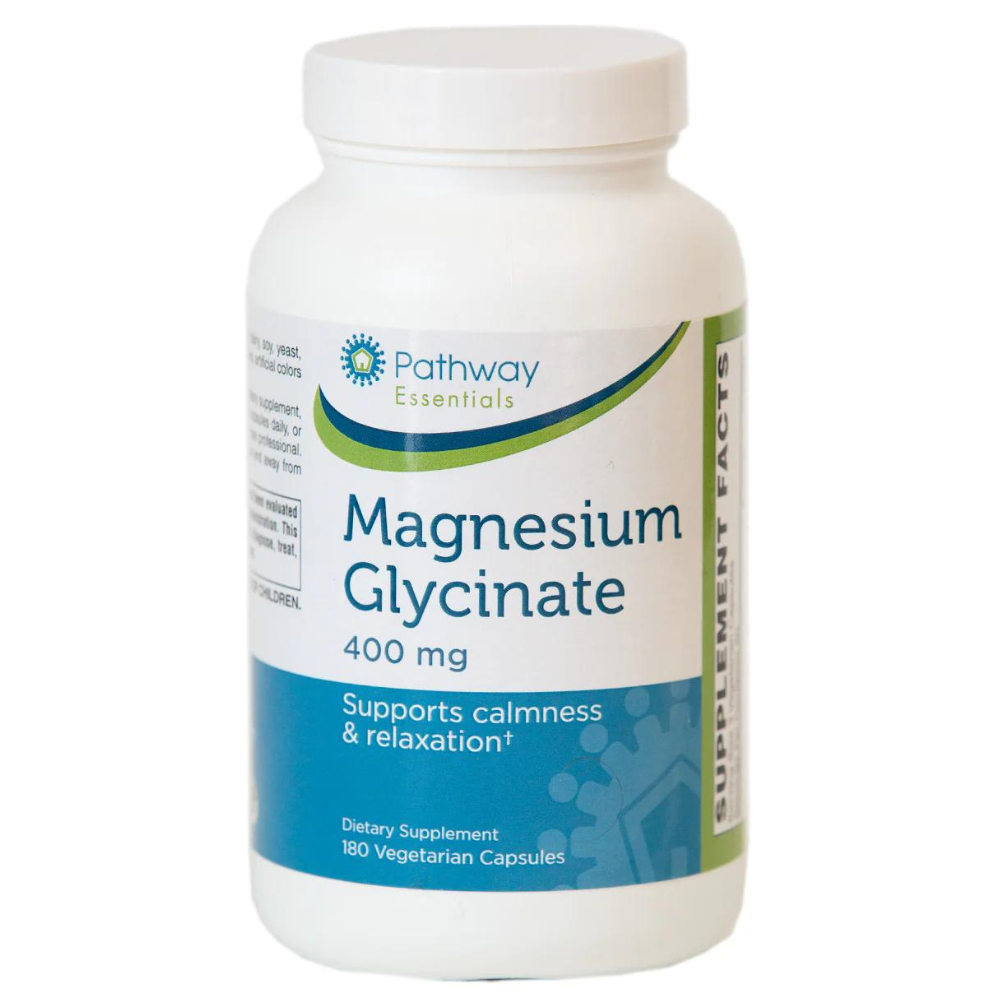
Magnesium Glycinate 400Mg
review
$32.89
$46.99
Highly Absorbable Magnesium
Magnesium plays an essential role in hundreds of cellular reactions in they body, and is considered one of the most important minerals. In the U.S., magnesium deficiency is common, and can result from depleted soil, digestive issues, chronic diseases, and medication use. Symptoms of magnesium deficiency include leg cramps, insomnia, muscle pain, anxiety, high blood pressure, blood sugar imbalances, fatigue, migraines, and osteoporosis. Pathway Magnesium Glycinate is a chelated form of magnesium which provides high levels of absorption and bioavailability and is an ideal recommendation for individuals wanting to correct a magnesium deficiency.
Suggested Use: 3 capsules daily
sale


PATHWAY
Certified Organic Whole Food Vitamin D3
No reviews
$20.99
$29.99
Vitamin D plays many important roles in the body, including supporting healthy immune function, maintaining bone density and strength, and regulating mood. Our Certified Organic Whole Food Vitamin D3 features trademarked VegD3®, a highly absorbable vegan form of vitamin D, sourced from algae. Each tablet provides 2000 IU of cholecalciferol.
Suggested Use: Adults take one (1) tablet daily, or as directed by a health care professional.
References and Further Reading
- Bone Health & Osteoporosis Foundation – Bone Health Basics
- World Osteoporosis Day – International Osteoporosis Foundation
- NIH Office of Dietary Supplements – Calcium
- NIH Office of Dietary Supplements – Vitamin D
- NIH Office of Dietary Supplements – Magnesium
- NIH Office of Dietary Supplements – Vitamin K
- NIH Office of Dietary Supplements – Zinc
- Calcium and Vitamin D in the Management of Osteoporosis – Clinical Review
- Supplements for Bone Health – Research Review
Disclaimer: This article is for educational purposes only and is not intended to diagnose, treat, cure, or prevent disease. Speak with a qualified healthcare professional before starting supplements or making changes to osteoporosis treatment.
Categories
Categories
Humanized Health - NEW!
Learn about personalized health from top experts! Check out our fascinating new shows every week, available as videos, podcasts and transcripts.:
Our Bloggers
-
 Paula Gallagher
Paula is a highly qualified and experienced nutrition counselor on the staff at Village Green.
read more.. -
 Margo Gladding
Margo's impressive knowledge base is the result of a unique blend of educational and professional experience.
read more.. -
 Dr. Neal Barnard
Dr. Barnard leads programs advocating for preventive medicine, good nutrition, and higher ethical standards in research.
read more.. -
 Dr. Joseph Pizzorno
, ND is a pioneer of integrative medicine and a leading authority on science-based natural medicine.
read more.. -
 Debi Silber
Debi is a registered dietitian with a master’s degree in nutrition, a personal trainer, and whole health coach.
read more..
SEE ALL OF OUR BLOGGERS
Invalid password
Enter


Stay Connected
Village Green Apothecary
5415 W Cedar Ln
Bethesda, Maryland, 20814
(301) 530-0800
Toll Free: (800) 869-9159
The information provided on this site is not intended to be a substitute for advice or treatment from a qualified physician, nor is it intended to diagnose or treat a health problem or disease. Consult your physician prior to starting any new health program or if you any questions regarding a medical condition.
© 2025 Village Green Apothecary - All Rights Reserved.
