 FREE SHIPPING! Automatically Applied on Orders Over $74!



One of them was vitamin C.
If that stops you short, good - it should. It's also the key to reading these findings correctly, and it's the part most coverage of this study has skipped past.
This study on a list of food preservatives and cardiovascular risk, and what the food preservatives meaning is for heart health, doesn't prove that food additives directly cause hypertension, but it adds to mounting evidence that what's added to our food may matter nearly as much as the food itself.
Here's what the study found, what it means, and what it doesn't.
Side Effects of Sodium Benzoate
Sodium benzoate is an example of food preservatives. It is a synthetic preservative often found in soft drinks, salad dressing, and pickled food. Small quantities of sodium benzoate used in food are generally well tolerated by most people. Some people may experience mild symptoms after consumption. One particular issue is the fact that it has been known to react with vitamin C to produce benzene, which manufacturers now attempt to keep at negligible amounts. As with the other preservatives studied, sodium benzoate reveals the fact that your diet contains an excessive amount of packaged and processed foods.
Key Takeaways
Several additives on the list are harmless on their own - they appear to be markers of a diet high in ultra-processed foods rather than culprits in themselves.
Choosing whole, minimally processed foods may help reduce exposure to unnecessary additives and support heart health.
New Research Examines Food Preservatives and Heart Health
Throughout the study, participants logged their food and drinks across three-day periods, recording specific commercial brands. Researchers then used compositional databases and laboratory analysis of food matrices to estimate the individual additives and preservatives contained in those foods.
That level of detail is what makes this study unusual. Most nutrition research can only measure broad food categories; this one could estimate exposure to specific compounds.
Researchers tracked participants over time to determine whether they developed:
High blood pressure (hypertension)
Heart attack
Stroke
Angina
Other cardiovascular diseases
Key Findings

Participants with the highest cumulative intake of certain preservatives showed associations with greater risks of developing hypertension and cardiovascular disease compared to those with the lowest intake.
Specifically:
Because this was an observational study, it cannot establish cause and effect. But the findings suggest that long-term exposure to certain additives may contribute to cardiovascular risk, and the risks of food preservatives warrant further investigation.
Eight Common Food Preservatives Identified
Potassium sorbate (E202)
Potassium metabisulphite (E224)
Sodium nitrite (E250)
Ascorbic acid (E300)
Sodium ascorbate (E301)
Sodium erythorbate (E316)
Citric acid (E330)
Extracts of rosemary (E392)
These additives turn up most often in packaged baked goods, processed meats, soft drinks, shelf-stable snacks, condiments, and ready-to-eat meals.
Wait - Isn't Ascorbic Acid Just Vitamin C?
Yes. And this is the most important thing to understand about these findings.
If you looked down that list and hesitated, good. Ascorbic acid (E300) is vitamin C. Sodium ascorbate (E301) is a mineral salt of vitamin C. Sodium erythorbate (E316) is also similar to it. Citric acid (E330), which some people worry about when it comes to hypertension, comes from citrus fruit. Rosemary extract (E392) is just that.
None of these are harmful substances. Vitamin C is an essential nutrient. Rosemary extract is a plant antioxidant that manufacturers often use instead of synthetic preservatives.
So why do they appear in the results?
Which food preservatives are harmful?
Almost certainly because they're acting as markers rather than causes. These chemical food preservatives are added to industrially manufactured foods to prevent spoilage and rancidity. Someone whose diet contains a lot of added ascorbic acid is, by definition, someone eating a lot of packaged and processed food. What the study may really be detecting is the overall pattern of ultra-processed food consumption - with additives serving as an unusually precise fingerprint of that pattern.
This distinction matters practically. The takeaway is not to avoid vitamin C or rosemary. Eating an orange or seasoning chicken with rosemary has nothing to do with these findings. The takeaway is that a diet built largely on foods requiring preservation is associated with worse cardiovascular outcomes over time.
Sodium nitrite (E250) and potassium metabisulphite (E224) are somewhat different cases. Both have longer-standing bodies of research suggesting plausible biological effects of their own, and sodium nitrite in processed meat has been studied for years.
What This Study Can and Can't Tell Us
Good science reporting means being clear about limits, and this study has several worth knowing:
It's observational. Participants weren't assigned to consume more or fewer preservatives, so the study identifies associations but cannot establish that additives caused the outcomes.
Residual confounding is likely. People who eat more ultra-processed food often differ in other ways - physical activity, sleep, income, stress, overall diet quality. Researchers adjusted for many of these, but adjustment is never complete.
The cohort is self-selected. NutriNet-Santé participants are volunteers who enroll online and are willing to log their food repeatedly. The participants skew toward more health-conscious individuals, which affects how broadly the findings generalize.
Additive exposure was estimated rather than measured in each participant - though brand-level dietary records and laboratory analysis make these estimates considerably better than most.
None of this makes the findings unimportant. It means they're a well-conducted signal worth taking seriously, not a settled conclusion.
How Might Food Preservatives Affect Cardiovascular Health?
How might food preservatives affect the body?
Scientists continue to investigate the biological mechanisms and potential harmful effects of food preservatives that might explain these associations.
Increase oxidative stress
Promote inflammation
Influence insulin and glucose regulation
Alter the gut microbiome
Affect blood vessel function
These possible side effects of food preservatives may contribute to hypertension and cardiovascular disease over time, though more research is needed to clarify the relationships.
It's also worth remembering that eating a single food containing one of these ingredients like nitrates is unlikely to meaningfully affect blood pressure. The research points to cumulative, long-term exposure - a dietary pattern, not a single meal.
Understanding Your Blood Pressure Numbers
Since this research is about hypertension risk, it helps to know what the numbers actually mean.
A blood pressure reading has two parts: the systolic (top number), the pressure during a heartbeat, and the diastolic (bottom number), the pressure between beats.
Category |
Systolic |
Diastolic |
|
|---|---|---|---|
Normal |
under 120 |
and |
under 80 |
Elevated |
120-129 |
and |
under 80 |
Stage 1 hypertension |
130-139 |
or |
80-89 |
Stage 2 hypertension |
140 or higher |
or |
90 or higher |
Two things commonly surprise people. Second, the categories use or, not and: a reading of 128/92 is stage 2 hypertension on the strength of the diastolic number alone.
A single reading also isn't a diagnosis, since your average blood pressure over time matters more than any one measurement. Blood pressure fluctuates throughout the day and tends to run higher in clinical settings. If you're seeing a consistent pattern that concerns you, bring the readings to your healthcare provider.
Ultra-Processed Foods and Blood Pressure
Rather than memorizing a list of food additives and food preservatives to avoid, this study reinforces what nutrition professionals have recommended for years: prioritize whole, minimally processed foods.

The most supportive food to lower blood pressure centers on vegetables, fruits, legumes, nuts, seeds, healthy fats, whole grains, and quality protein. That pattern naturally reduces additive exposure while supplying nutrients that support healthy blood pressure and cardiovascular function. It's also the foundation of the DASH eating pattern, which remains one of the most consistently supported dietary approaches for blood pressure.
Two nutrients deserve specific mention. Reducing sodium and increasing dietary potassium through foods like leafy greens, beans, potatoes, avocados, and bananas may support healthy blood pressure.
Practical ways to reduce additive intake:
Prepare more meals at home.
Read ingredient labels carefully.
Choose foods with shorter ingredient lists.
Limit highly processed convenience foods.
Prioritize fresh, frozen, or minimally processed ingredients.
Frozen produce deserves a specific mention: it's minimally processed, typically additive-free, often cheaper than fresh, and nutritionally comparable. Reducing ultra-processed food doesn't have to mean cooking everything from scratch.
Lifestyle Habits That Support Healthy Blood Pressure

Nutrition matters, but blood pressure responds to a range of daily habits.
Move regularly. Physical activity supports healthy circulation, blood vessel function, and weight management. Even 30 minutes of brisk walking on most days benefits cardiovascular health.
Watch alcohol intake. Alcohol has a well-documented relationship with blood pressure, and reducing intake is one of the more reliable lifestyle levers available. Current guidance suggests limiting consumption - or avoiding it altogether - for those working to lower their numbers.
Manage stress. Chronic stress may contribute to elevated blood pressure over time. Mindfulness, meditation, deep breathing, time outdoors, and other relaxation practices can help support cardiovascular wellness.
Maintain a healthy weight. Even modest weight loss can meaningfully influence blood pressure in people who are overweight.
Make sure you’re getting enough quality sleep. Studies show that poor sleep quality is associated with higher risk for hypertension and cardiovascular disease. Sleep is another essential component of a heart-healthy lifestyle. In addition, make sure you stay hydrated. Dehydration and high blood pressure are related.
Nutritional Support for Blood Pressure & Cardiovascular Health
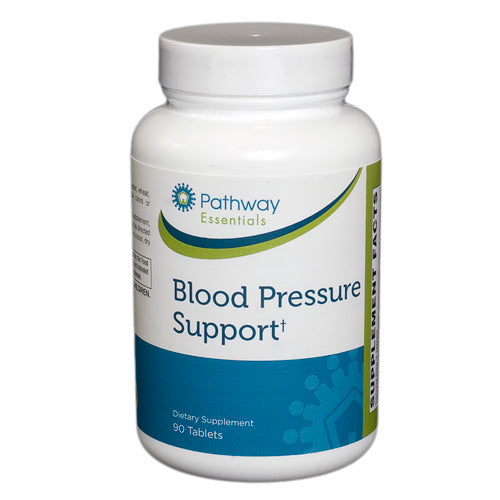
For individuals looking for a food supplement for high blood pressure alongside a healthy diet and lifestyle, targeted supplements may help support cardiovascular health. At Village Green Apothecary, one option we often recommend is Pathway Blood Pressure Support.
This comprehensive formula contains a blend of nutrients selected to support healthy blood pressure and overall cardiovascular wellness. Combined with healthy eating habits, regular exercise, stress management, and quality sleep, targeted nutritional support can be part of a proactive approach to heart health.
For broader cardiovascular support, Pathway Pro Advanced Cardio Care combines four clinically studied, patented ingredients that address several of the pathways discussed above. Bergamonte® bergamot extract supports healthy cholesterol levels already within the normal range, ViNitrox™ grape and apple polyphenols support nitric oxide production and healthy vascular function, BenfoPure™ benfotiamine supports healthy glucose utilization, and Cocrysta™ ubiquinol (the active form of CoQ10) supports cellular energy production and provides antioxidant protection.
As always, supplements work best when they complement, rather than replace, a healthy lifestyle.
The Bottom Line
This research is a useful reminder that what's added to our food matters. While more study is needed to fully understand the relationship between preservatives and cardiovascular disease, the evidence continues to support choosing whole, minimally processed foods whenever possible.
But it's worth holding the finding in proportion. The most defensible reading isn't that the vitamin C in your cereal is dangerous - it's that a diet built largely around foods that need preserving is associated with worse cardiovascular outcomes over time. That's a familiar message arriving through an unusually precise new lens.
Supporting healthy blood pressure isn't about any single food or supplement. It's the cumulative result of consistent daily habits: nutritious eating, regular movement, quality sleep, stress management, moderate alcohol intake, and appropriate nutritional support.
Take the Next Step Toward Better Heart Health
If you're looking for personalized guidance to support healthy blood pressure and cardiovascular wellness, the experienced practitioners at Village Green Apothecary are here to help.
Book a consultation with our team to receive individualized recommendations tailored to your health history, lifestyle, nutrition, and supplement needs. Together, we can help you create a personalized plan to support your long-term heart health.
Frequently Asked Questions
Can food additives raise blood pressure?
Emerging research associates high intake of certain food additives and preservatives with an increased risk of high blood pressure. Because these studies are observational, more research is needed to determine whether the additives themselves contribute to hypertension or whether they primarily reflect a diet high in ultra-processed foods.
Which food preservatives were linked to higher blood pressure?
The study identified potassium sorbate, potassium metabisulphite, sodium nitrite, ascorbic acid, sodium ascorbate, sodium erythorbate, citric acid, and rosemary extract. Several of these - ascorbic acid is vitamin C, and rosemary extract is a plant antioxidant - aren't harmful in themselves and most likely serve as markers of ultra-processed food intake.
Should I stop eating foods with vitamin C added?
No. Vitamin C is an essential nutrient, and its presence as a preservative doesn't make a food harmful. The research points to the overall dietary pattern: foods requiring added preservatives tend to be highly processed, and that pattern is what's associated with cardiovascular risk.
Are food preservatives bad for you?
Not necessarily. Occasional consumption is unlikely to have a major impact. Reducing overall intake of ultra-processed foods is a more practical and sustainable goal than scrutinizing individual E-numbers or ranking the worst food preservatives one by one.
What foods help support healthy blood pressure?
A diet rich in vegetables, fruits, legumes, whole grains, nuts, seeds, lean proteins, and healthy fats supplies nutrients that support healthy blood pressure and heart health. Potassium-rich foods are particularly worth emphasizing, and reducing sodium from processed sources matters just as much.
What blood pressure reading is considered high?
Under the 2025 ACC/AHA guideline, hypertension begins at 130/80 mm Hg. Readings of 130-139 systolic or 80-89 diastolic fall into stage 1; readings of 140/90 or higher fall into stage 2. A single reading isn't a diagnosis - discuss any consistent pattern with your healthcare provider.
Can supplements help support healthy blood pressure?
Certain nutritional supplements may help support healthy blood pressure when combined with a healthy diet and lifestyle. Speak with a qualified healthcare practitioner to determine which supplements are appropriate for your individual needs.
What are the natural food preservatives?
A few of the preservatives mentioned in the article aren’t artificial either. Vitamin C is ascorbic acid (E300). A mineral salt form of vitamin C is sodium ascorbate (E301), while a very similar chemical, sodium erythorbate (E316), isn’t too far away. Citrus fruits contain citric acid (E330), and rosemary extract (E392) is another plant-based antioxidant. Many food manufacturers will prefer to use rosemary extract as a substitute for more “chemical” preservatives. None of these chemicals are toxic in themselves.
How do food preservatives work?
Why do we put preservatives in our food? Because food goes bad. And if you eat bad food, you can get sick. There are different types of preservatives that work differently. Some reduce the pH level so harmful bacteria don't grow. Others hold on to water. Ascorbic acid, rosemary extract, and other antioxidants slow down the process of oxidation, which causes oils and fats to go rancid. Cured meats contain sodium nitrite to prevent the growth of deadly bacteria and maintain their bright color. Therefore, not all preservatives are evil. They're there because industrial food has to last from several weeks to several months before you eat it.
Should I avoid all foods containing preservatives?
Not necessarily. Occasional consumption is unlikely to have a major impact. Reducing overall intake of ultra-processed foods is a more practical and sustainable goal than scrutinizing individual E-numbers.
*These statements have not been evaluated by the Food and Drug Administration. This product is not intended to diagnose, treat, cure, or prevent any disease.
sale
PATHWAY
Blood Pressure Support
No reviews
$29.39
$41.99
Synergistic Blood Pressure SupportBlood Pressure Support supplies nutrient support for healthy blood pressure. Coleus forskohlii helps in supporting a healthy mood. Hawthorn is included for its studied benefits for healthy circulation. Magnesium and hops are added to aid in the relaxation of the central nervous system. And, Taurine supports the central nervous system and is thought to be helpful in dealing with anxiety. We use the trademark ingredient Forslean® which is the only Coleus forskohlii supported by a US patent. Suggested Use: 1 tablet 3 times daily with meals
sale


PATHWAY
Pro Advanced Cardio Care
No reviews
$54.51
$77.87
Pro Advanced Cardio Care provides comprehensive heart and circulation support featuring Bergamonte, ViNitrox, BenfoPure, and Cocrysta. Promotes healthy cholesterol, energy, and vascular function.
Cardiovascular wellness remains the top consumer health concern, yet few supplements deliver the clean-label, clinically validated solutions today’s customers demand. Pro Advanced Cardio Care was designed to close that gap by combining four science-backed, trademarked ingredients to support heart, vascular, and metabolic function. This comprehensive formula features Bergamonte bergamot extract, ViNitrox grape and apple polyphenols, BenfoPure benfotiamine, and Cocrysta ubiquinol for complete cardiovascular support. Vegan, Non-GMO, and gluten-free, it meets the growing preference for condition-specific, transparent formulations that deliver results.
Features:
500 mg Bergamonte Bergamot Orange fruit extract (standardized to 38% [190 mg] total polyphenols)
500 mg ViNitrox Grape Whole Plant extract & Apple skin extract (standardized to 95% [475 mg] total polyphenols)
150 mg BenfoPure Benfotiamine
100 mg Cocrysta Ubiquinol, the reduced form of Coenzyme Q10
Contains no sugar, salt, dairy, yeast, wheat, gluten, eggs, peanuts, soy, tree nuts, fish, shellfish, sesame, preservatives, artificial colors or flavors
Gluten Free, Non-GMO and Vegan
Benefits:
Bergamonte is a patented extract derived from the Citrus bergamia fruit, primarily grown in Calabria, Italy. It is rich in polyphenolic compounds such as neoeriocitrin, naringin, neohesperidin, brutieridin, and melitidin, which are believed to exert lipid-lowering, antioxidant, and anti-inflammatory effects.
Supports healthy cholesterol levels and lipid balance with clinically studied Bergamonte Citrus bergamia extract.
Enhances circulation and blood flow through ViNitrox-driven nitric oxide production for improved vascular function.
Provides antioxidant protection to help reduce oxidative stress and support endothelial health.
Promotes energy production at the cellular level with Cocrysta ubiquinol, the bioactive form of CoQ10.
Supports metabolic and vascular health with BenfoPure benfotiamine for improved glucose utilization.
Ideal for heart health maintenance, athletic performance, and overall cardiovascular resilience.
Suggested Use:
As a dietary supplement, adults take two (2) vegan capsules daily or as directed by a healthcare professional.
Storage Instruction:
Store in a cool, dry place and away from direct light.
Warning:
KEEP OUT OF REACH OF CHILDREN.
References
- A Systematic Review on Processed/Ultra-Processed Foods and Arterial Hypertension in Adults and Older People
- Potassium Intake and Blood Pressure: A Dose-Response Meta-Analysis of Randomized Controlled Trials
- Lifestyle Modifications to Prevent and Control Hypertension
- Novel Dietary Approaches for Controlling High Blood Pressure
- Impact of flavan-3-ols on blood pressure and endothelial function in diverse populations: a systematic review and meta-analysis of randomized controlled trials
- MedlinePlus: High Blood Pressure
- NIH Office of Dietary Supplements: Vitamin C Fact Sheet
- MedlinePlus: Sodium in diet
- NIH Office of Dietary Supplements: Potassium Fact Sheet
- Preservative food additives, hypertension, and cardiovascular diseases: the NutriNet-Santé study.
- Preservative food additives, hypertension, and cardiovascular diseases: the NutriNet-Santé study (2026)
- Food Preservatives and the Rising Tide of Early-Onset Colorectal Cancer: Mechanisms, Controversies, and Emerging Innovations (2025)
Categories
Categories
Humanized Health - NEW!
Learn about personalized health from top experts! Check out our fascinating new shows every week, available as videos, podcasts and transcripts.:
Our Bloggers
-
 Paula Gallagher
Paula is a highly qualified and experienced nutrition counselor on the staff at Village Green.
read more.. -
 Margo Gladding
Margo's impressive knowledge base is the result of a unique blend of educational and professional experience.
read more.. -
 Dr. Neal Barnard
Dr. Barnard leads programs advocating for preventive medicine, good nutrition, and higher ethical standards in research.
read more.. -
 Dr. Joseph Pizzorno
Dr. Joseph Pizzorno, ND is a pioneer of integrative medicine and a leading authority on science-based natural medicine.
read more.. -
 Debi Silber
Debi is a registered dietitian with a master’s degree in nutrition, a personal trainer, and whole health coach.
read more..
SEE ALL OF OUR BLOGGERS
Invalid password
Enter


Stay Connected
Village Green Apothecary
5415 W Cedar Ln
Bethesda, Maryland, 20814
(301) 530-0800
Toll Free: (800) 869-9159
The information provided on this site is not intended to be a substitute for advice or treatment from a qualified physician, nor is it intended to diagnose or treat a health problem or disease. Consult your physician prior to starting any new health program or if you any questions regarding a medical condition.
© 2025 Village Green Apothecary - All Rights Reserved.
