 FREE SHIPPING! Automatically Applied on Orders Over $74!



Have you ever walked into a room and forgotten why you were there? Lost your train of thought during a conversation? Found yourself reading the same paragraph multiple times because it just would not stick?
You're not alone.
Although "brain fog" has no ICD 10 code and is not an official medical diagnosis, it is a very real symptom that affects millions of people. It can leave you feeling mentally sluggish, tired, forgetful, unfocused, and frustrated, so brain fog and tired days often go together. If you keep asking why do I have so much brain fog, the good news is it's often a sign that something deeper is affecting your brain health, and identifying the cause is the first step toward improving it.
At Village Green Apothecary, we believe brain fog should never be ignored. Instead, it should be viewed as a clue that your body may need additional support.
What Is Brain Fog?
So what's brain fog? It describes a collection of symptoms that affect thinking and mental clarity. People often describe it as feeling like their brain is "running in slow motion."
Common symptoms include:
Difficulty concentrating
Forgetfulness
Trouble finding words
Poor focus
Slower thinking
Mental fatigue
Feeling overwhelmed by simple tasks
Reduced motivation
Brain fog can develop gradually or appear suddenly, depending on the underlying cause.
Brain Fog Is Different for Men and Women
Why do I have brain fog?
While many causes of brain fog overlap, men and women often experience it for different reasons.

Brain Fog in Women
Women are more likely to experience brain fog because of hormonal fluctuations throughout life.
Common causes include:
Perimenopause
Menopause
Pregnancy
Postpartum hormone changes
PMS
Thyroid disorders
Iron deficiency
Autoimmune conditions
Declining estrogen levels during perimenopause and menopause are particularly important because estrogen helps support memory, attention, mood, and communication between brain cells. Many women notice increased forgetfulness, difficulty concentrating, or trouble multitasking during this transition.
PMS and brain fog tend to occur together as well, and sleep disruptions and hot flashes may also aggravate these symptoms.
Brain Fog in Men
Hormonal changes can also contribute to brain fog in men, although they tend to occur more gradually.
Potential causes include:
Low testosterone
Chronic stress
Poor sleep
Obstructive sleep apnea
Insulin resistance
Cardiovascular disease
Depression
Vitamin deficiencies
Many men experience mental fatigue related to chronic stress and elevated cortisol levels. Sleep apnea, which is more common in men, is another overlooked contributor that can significantly affect concentration and memory.
Common Causes of Brain Fog for Everyone
Many lifestyle and health factors can interfere with optimal brain function.

Poor Sleep
Your brain performs important "housekeeping" functions while you sleep, clearing waste products and strengthening memories. Even a few nights of poor sleep can affect concentration and decision-making.
Chronic Stress
Long-term stress keeps cortisol levels elevated, making it more difficult to focus, remember information, and think clearly.
Blood Sugar Imbalances
Large swings in blood sugar, and even brain fog from alcohol the morning after, can leave you feeling mentally drained, irritable, and unable to concentrate. Eating balanced meals that include protein, healthy fats, and fiber helps provide a steadier source of energy for the brain.
Nutrient Deficiencies
Several nutrients are essential for healthy cognitive function.
These include:
Vitamin B12
Folate
Iron
Vitamin D
Magnesium
Omega-3 fatty acids
Choline
Even mild deficiencies can contribute to fatigue, poor concentration, and memory problems.
Thyroid Disorders
Both an underactive and overactive thyroid can affect memory, attention, mood, and energy levels.
Gut Health
Research continues to highlight the connection between the gut and the brain. An unhealthy gut microbiome may influence inflammation, mood, and cognitive function through what is known as the gut-brain axis.
Can Certain Medical Conditions Cause Brain Fog?
Yes.
Brain fog has been associated with numerous health conditions, including:
Long COVID
Chronic fatigue syndrome
Fibromyalgia
Diabetes
Depression
Anxiety
Multiple sclerosis
Autoimmune diseases
Lyme disease
If brain fog is persistent, severe, or accompanied by other concerning symptoms, it is important to speak with your healthcare provider.
Natural Ways to Support Mental Clarity
Fortunately, there are many evidence informed ways to fight brain fog that can help support healthy brain function.

Prioritize Sleep
Aim for seven to nine hours of quality sleep each night. Maintaining a consistent bedtime and limiting screen time before bed can make a significant difference.
Eat for Your Brain
Focus on a Mediterranean style diet rich in:
Colourful vegetables
Berries
Fatty fish
Olive oil
Nuts
Seeds
Legumes
Whole grains
These foods provide antioxidants, healthy fats, vitamins, and minerals that help nourish the brain.
Exercise Regularly
Physical activity increases blood flow to the brain and supports the growth of new nerve connections. Even a daily walk can improve focus and mental performance.
Manage Stress
Mindfulness, yoga, deep breathing, spending time outdoors, and regular physical activity can all help reduce the effects of chronic stress.
Supplements That May Support Brain Health
While supplements are not a substitute for healthy lifestyle habits, they may help fill nutritional gaps and support overall cognitive function.
Pathway Advanced Brain Support
Pathway Advanced Brain Support provides targeted nutrients that help support memory, focus, cognitive performance, and healthy brain aging. Its comprehensive formula includes choline, an essential nutrient involved in neurotransmitter production, healthy nerve cell membranes, and cognitive function.
Omega-3 Fatty Acids
The Omega 3 fats DHA and EPA are major structural components of the brain and play important roles in memory, learning, and overall brain health.
Magnesium
Magnesium supports healthy nerve function, relaxation, sleep quality, and the body's response to stress, making it a valuable nutrient for individuals experiencing mental fatigue.
B Complex Vitamins
B vitamins help convert food into energy while supporting healthy nervous system function and neurotransmitter production.
When Should You Seek Medical Advice?
Occasional forgetfulness happens to everyone, but persistent brain fog deserves further evaluation.
Speak with your healthcare provider if brain fog:
Lasts for several weeks
Continues to worsen
Interferes with work or daily activities
Develops suddenly
Occurs with weakness, vision changes, severe headaches, or confusion
Your healthcare provider may recommend testing to identify potential causes such as thyroid dysfunction, anemia, vitamin deficiencies, blood sugar imbalances, or other underlying medical conditions.
The Bottom Line
Brain fog is common, but it is not something you simply have to live with. Whether it is related to hormonal changes, stress, poor sleep, nutrition, or an underlying health condition, identifying the cause can often lead to meaningful improvements.
Although women frequently experience brain fog during perimenopause and menopause, and men may develop cognitive symptoms related to chronic stress, sleep disorders, or hormonal changes, both can benefit from supporting brain health through nutrition, exercise, restorative sleep, stress management, and targeted supplementation.
At Village Green Apothecary, our team is here to help you find evidence based nutritional support for your brain health journey. If you're looking to improve memory, focus, or mental clarity, we can help you choose supplements that fit your individual needs and wellness goals.
Nutrient Deficiencies
There are some particular nutrients that deserve mention. Vitamin B12 runs short most often in older adults and people on certain medications. The adult RDA is 2.4 mcg, and low levels are associated with fatigue and memory trouble, per the NIH Office of Dietary Supplements. Iron deficiency, often occurring in menstruating females, can reduce the blood flow to the brain that is required to concentrate and focus. Get a blood test, which you can request from your doctor, and ask about those nutrients.
Frequently Asked Questions
What causes brain fog in men?
In men, brain fog can stem from low testosterone, ongoing stress, poor sleep habits such as obstructive sleep apnea and many other issues such as insulin resistance, heart conditions, depression, or vitamin deficiencies. Because these changes develop gradually over time, brain fog may seem to develop out of the blue.
How to reduce brain fog?
Start with the basics. Aim for seven to nine hours of sleep, move your body daily, and eat balanced meals with protein, healthy fats, and fiber to steady your blood sugar. Managing stress through mindfulness, breathing, or time outdoors may help support clearer thinking, and targeted supplements can fill nutritional gaps.
When RA and MS Cloud the Mind?
Autoimmune conditions can fog the mind too. Many people living with RA and brain fog describe a mental heaviness that flares alongside joint pain and fatigue. The link between MS and brain fog is well recognized, since multiple sclerosis affects how nerve signals travel. In both cases, inflammation and fatigue appear to drive the cognitive symptoms, so working with your provider on the underlying condition matters most.
Is Brain Fog a Sign of Brain Damage?
Here’s the good news. For the majority, brain fog isn’t actual brain injury; it’s an indication that you are running a little sluggish at this time because of something like sleep deprivation, stress, hormones, or some sort of nutritional deficiency. Brain fog that’s there around the clock, is getting worse and worse or is associated with weakness, vision problems, or confusion should be assessed seriously by your medical doctor.
Why is my brain fog so bad?
Brain fog is often a clue that something deeper needs support, so severe symptoms may point to factors like poor sleep, chronic stress, blood sugar swings, hormonal changes, nutrient deficiencies, thyroid issues, or gut health. It may also be linked to conditions such as long COVID, autoimmune diseases, or depression. If your brain fog is persistent, worsening, or comes with weakness, vision changes, or confusion, please speak with your healthcare provider for evaluation.
These statements have not been evaluated by the Food and Drug Administration. This product is not intended to diagnose, treat, cure, or prevent any disease.
sale

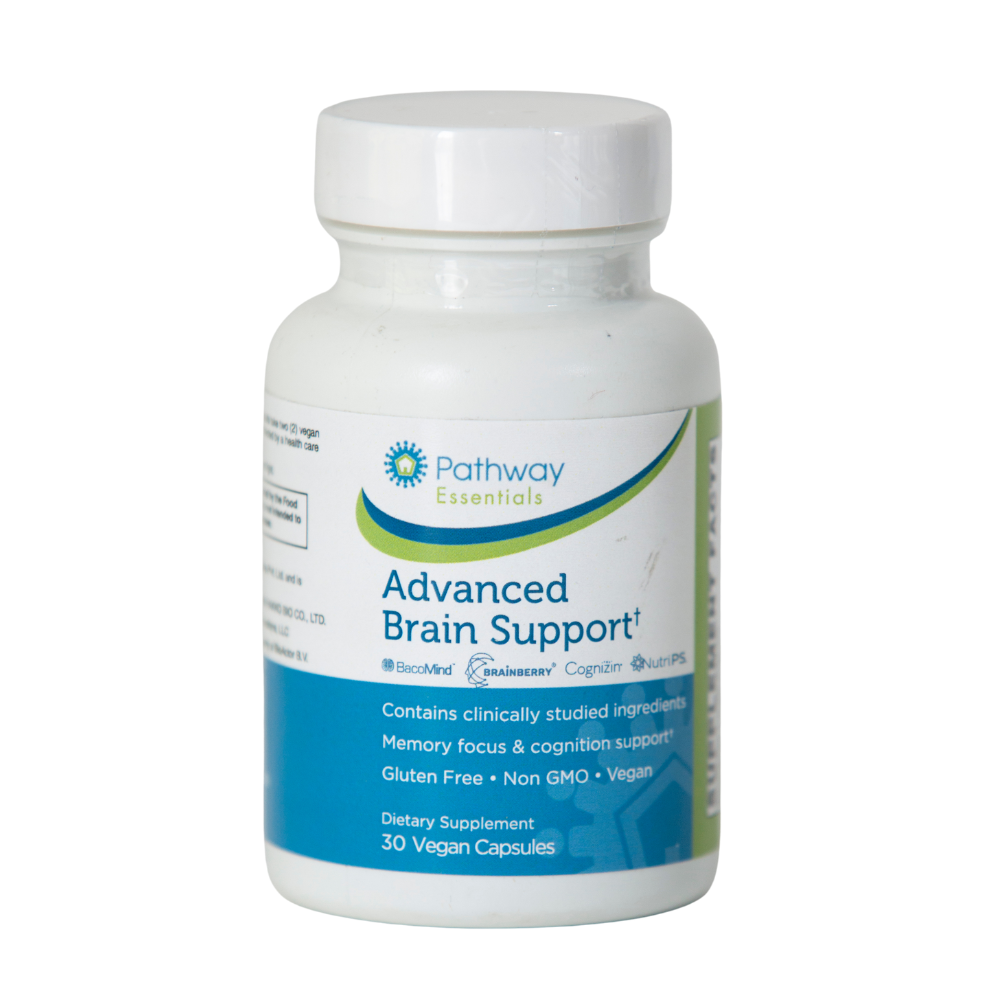
PATHWAY
Advanced Brain Support
No reviews
$28.03
$40.04
Rising interest in optimal Brain Performance, Active Aging and Cognitive Health has now passed Immune Support and Bone/Joint Health as the #1 area of consumer interest in natural health and wellness. While age related cognition is still a concern, consumers are now increasingly on optimizing brain function and focus. According to survey data by from SPINS and NBJ, as many as 37% of VMS shoppers are interested in the Brain Support category. Emerging science has triggered explosive growth in individual actives [see: Lion’s Mane and Alpha GPC]. Even high potency Omega 3 and Probiotics have benefited from this new consumer consciousness. We offer a formula with four patented & trademarked ingredients at clinically supported doses that can offer an advanced brain solution for gamers, competitive athletes, working parents, and anyone who seeks better mental processing speed and sharper focus for optimal productivity.
Features
300 mg of BacoMind® Bacopa (Bacopa monnieri) Extract
250 mg Cognizin®
125 mg Velvet Bean Seed Extract
100 mg NutriPS™ Phosphatidyl Serine (from Sunflower Lecithin)
65 mg Brainberry® Aronia Berry (Aronia melanocarpa)
Contains no sugar, dairy, yeast, gluten, eggs, peanuts, soy, tree nuts, sesame, fish, shellfish, preservatives, artificial colors or flavors
Gluten Free, Non-GMO and Vegan
Benefits
Clinically studied ingredients supporting memory, focus, and cognition. 300 mg of BacoMind® is clinically researched to support cognitive performance with five human efficacy clinical trials — two in elderly populations, two in children, and one safety human study.
Multiple studies suggest that 250 mg of Cognizin® would aid brain energy, focus, motor speed, and memory.
Velvet Bean Seed Extract supports healthy mood and mental alertness, as well as stimulating the secretion of Human Growth Hormone (HGH), promoting a sense of well-being.
NutriPS™ Phosphatidyl Serine is a highly researched ingredient, clinically studied to improve cognition, relieve daily stress, and have benefits for skin and muscle health. It is a unique compound for body and mind.
Brainberry® was tested in a 12-weeks double-blind placebo-controlled trial in 101 subjects. After 12 weeks, concentration increased by 43% in the non-placebo group who consumed 65mg of Brainberry®.
sale

PATHWAY
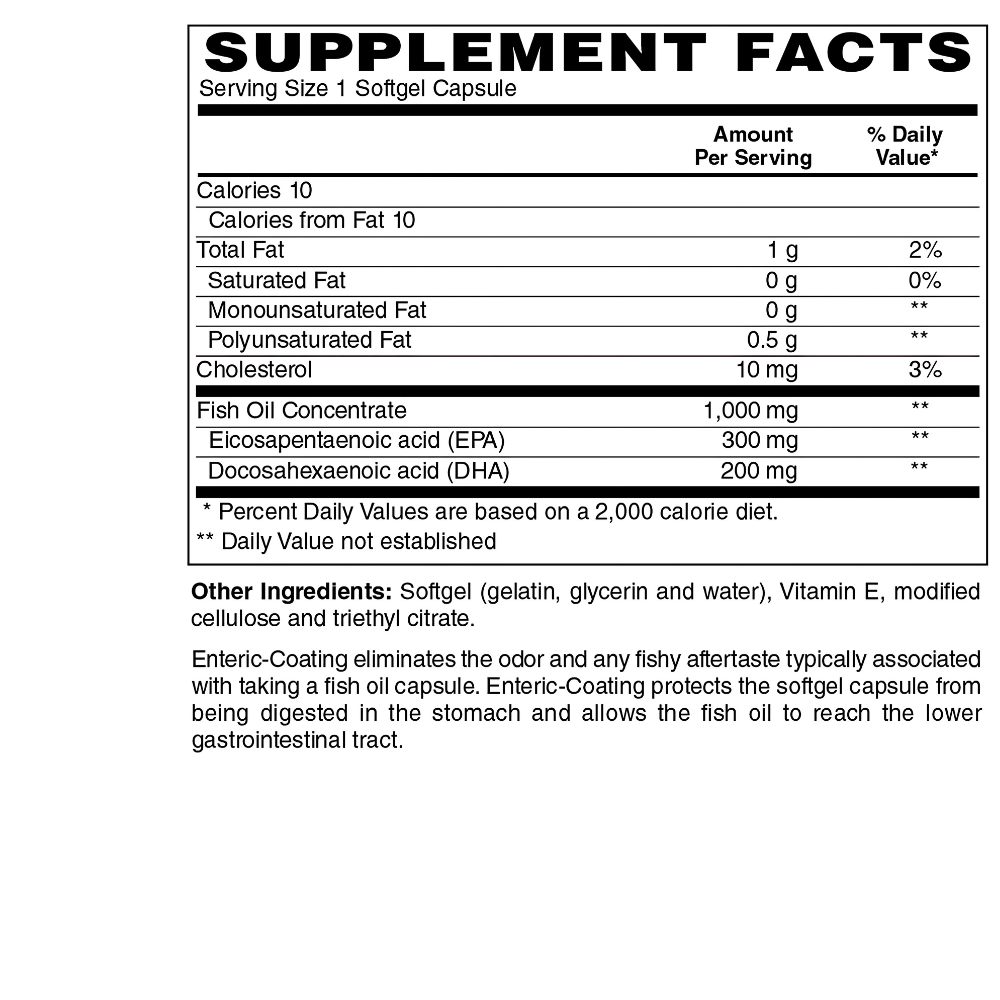
Super Omega-3 EC
1 review
$36.04
$51.48
Enteric Coating Reduces Fish Burps
Super Omega-3 is molecularly distilled for purity and contains high concentrations of the essential fatty acids Omega-3 EPA & DHA (300 mg & 200 mg respectively). Omega-3 fatty acids are very important, supportive nutrient of cardio health as well as brain and ocular health. Each softgel is enteric coated to eliminate the odor and fishy aftertaste typically associated with taking a fish oil capsule. Enteric coating also protects the softgel capsules from being digested in the stomach and allows the fish oil to reach to the lower GI tract for absorption.
Suggested Use: 1 softgel 2 times daily
sale


PATHWAY
Magnesium Glycinate 400Mg
reviews
$18.89
$26.99
Highly Absorbable Magnesium
Magnesium plays an essential role in hundreds of cellular reactions in they body, and is considered one of the most important minerals. In the U.S., magnesium deficiency is common, and can result from depleted soil, digestive issues, chronic diseases, and medication use. Symptoms of magnesium deficiency include leg cramps, insomnia, muscle pain, anxiety, high blood pressure, blood sugar imbalances, fatigue, migraines, and osteoporosis. Pathway Magnesium Glycinate is a chelated form of magnesium which provides high levels of absorption and bioavailability and is an ideal recommendation for individuals wanting to correct a magnesium deficiency.
Suggested Use: 3 capsules daily
sale

PATHWAY
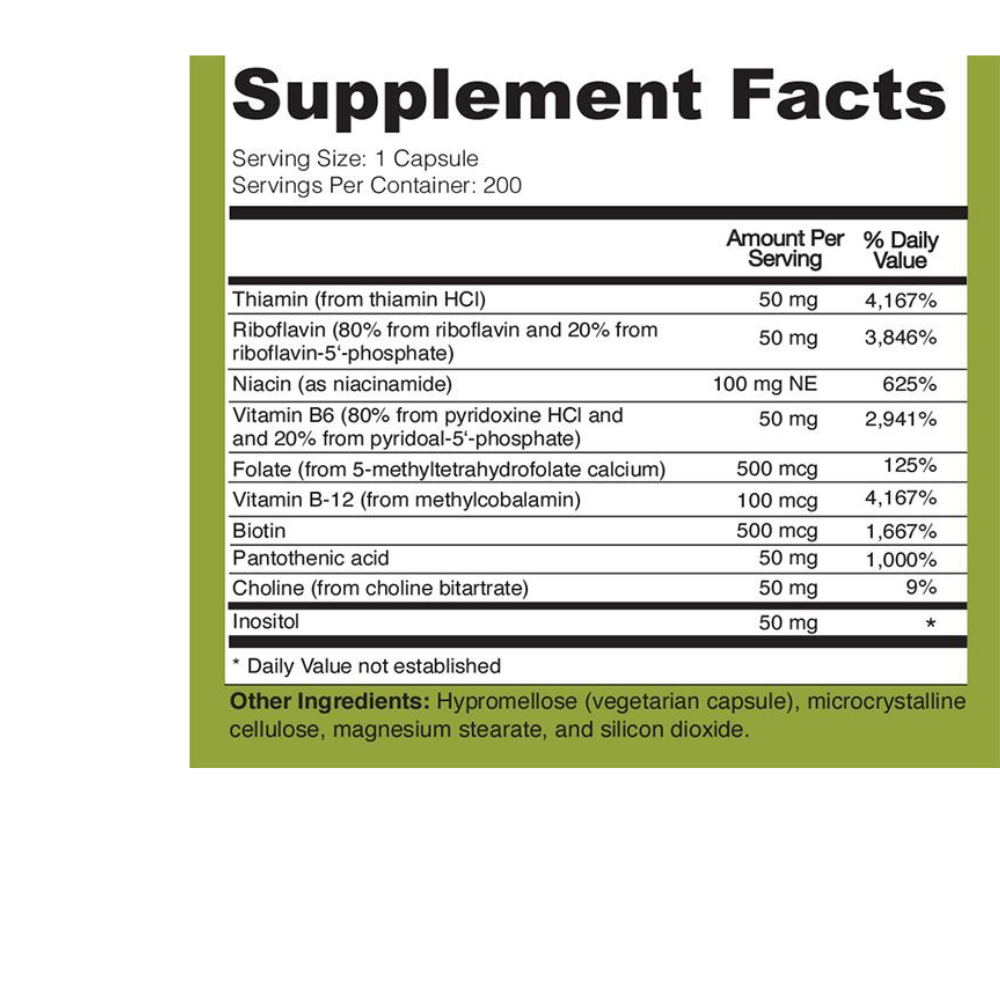
B-Complex 50
No reviews
$38.49
$54.99
Balanced Support, Including Coenzyme Forms
B vitamins are involved in a large and important group of metabolic functions in the human body. They must be replaced on a daily basis because they are water soluble, and therefore do not build up a reserve in the body. The easiest and best way to get what your body needs is to take a B-Complex supplement like Pathway B-Complex 50. Pathway’s formula contains the full complement of B-complex vitamins as well as coenzyme forms. B vitamins work as a team and should always be taken together in specific ratios like those found in this formula.
Suggested Use: 1 capsule daily with a meal
References
- Origins and consequences of cognitive fatigue (PubMed)
- A Network Perspective on Neuropsychiatric and Cognitive Symptoms of the Post-COVID Syndrome (PubMed)
- From Disruption to Control: Nutrition and Chemosensory Changes During Menopause (MDPI Nutrients)
- NIH Office of Dietary Supplements - Vitamin B12 Fact Sheet
- NIH Office of Dietary Supplements - Iron Fact Sheet
- NIH Office of Dietary Supplements - Choline Fact Sheet
- NIH Office of Dietary Supplements - Omega-3 Fatty Acids Fact Sheet
- NIH Office of Dietary Supplements - Magnesium Fact Sheet
Categories
Categories
Humanized Health - NEW!
Learn about personalized health from top experts! Check out our fascinating new shows every week, available as videos, podcasts and transcripts.:
Our Bloggers
-
 Paula Gallagher
Paula is a highly qualified and experienced nutrition counselor on the staff at Village Green.
read more.. -
 Margo Gladding
Margo's impressive knowledge base is the result of a unique blend of educational and professional experience.
read more.. -
 Dr. Neal Barnard
Dr. Barnard leads programs advocating for preventive medicine, good nutrition, and higher ethical standards in research.
read more.. -
 Dr. Joseph Pizzorno
Dr. Joseph Pizzorno, ND is a pioneer of integrative medicine and a leading authority on science-based natural medicine.
read more.. -
 Debi Silber
Debi is a registered dietitian with a master’s degree in nutrition, a personal trainer, and whole health coach.
read more..
SEE ALL OF OUR BLOGGERS
Invalid password
Enter


Stay Connected
Village Green Apothecary
5415 W Cedar Ln
Bethesda, Maryland, 20814
(301) 530-0800
Toll Free: (800) 869-9159
The information provided on this site is not intended to be a substitute for advice or treatment from a qualified physician, nor is it intended to diagnose or treat a health problem or disease. Consult your physician prior to starting any new health program or if you any questions regarding a medical condition.
© 2025 Village Green Apothecary - All Rights Reserved.
