 FREE SHIPPING! Automatically Applied on Orders Over $74!



Addison's disease, also known as primary adrenal insufficiency, is a rare but serious medical condition characterized by the adrenal glands not producing enough cortisol and, in some cases, insufficient aldosterone. Cortisol is a crucial hormone that helps the body respond to stress, regulate blood sugar, and maintain metabolism, while aldosterone plays a role in controlling salt and water balance.
What Causes Addison’s Disease?
The primary cause of Addison's disease is the destruction or damage to the adrenal glands, which leads to a decrease in hormone production. The specific causes can vary, but common factors include:
Autoimmune Disease: The most common cause of Addison's disease is autoimmune destruction of the adrenal glands, where the body's immune system mistakenly attacks and damages the adrenal tissue.
Infections: Tuberculosis and certain fungal infections can affect the adrenal glands, leading to adrenal insufficiency.
Adrenal Gland Disorders: Certain disorders affecting the adrenal glands, such as adrenal tumors or hemorrhage into the adrenal glands, can lead to a reduction in hormone production.
Medication: Prolonged use of corticosteroid medications, which are often prescribed to help with conditions like asthma, arthritis, or inflammatory disorders, can suppress the normal function of the adrenal glands. If these medications are suddenly discontinued or tapered off too quickly, it can result in adrenal insufficiency.
Congenital Adrenal Hyperplasia (CAH): CAH is a group of genetic disorders that affect the production of cortisol and other adrenal hormones. Some forms of CAH can cause Addison's disease due to the reduced or absent function of the adrenal glands from birth.
Symptoms of Addison's Disease
The symptoms of Addison's disease can be vague and may develop slowly, making it challenging to diagnose. Common symptoms include:
- Chronic fatigue and weakness
- Weight loss and decreased appetite
- Low blood pressure and dizziness upon standing (orthostatic hypotension)
- Darkening of the skin (hyperpigmentation), especially in areas of friction or skin folds
- Salt cravings
- Muscle and joint pain
- Gastrointestinal disturbances
- Depression and irritability
- Loss of body hair
- Menstrual irregularities in women
Conventional Treatments
Can addison disease kill you?
Addison’s disease is considered a chronic condition, and there is no cure. The primary treatment for Addison's disease involves replacing the deficient hormones, primarily cortisol and aldosterone, through hormone replacement therapy. Patients are prescribed oral corticosteroid medications (such as hydrocortisone or prednisone) and, if necessary, mineralocorticoid replacement (fludrocortisone) to manage the condition effectively.
Natural Approach to Supporting Your Health If You Have Addison’s
Lifestyle changes are one option that can help manage the symptoms of Addison's disease.
Stress Management: Managing stress levels through relaxation techniques like meditation, yoga, or deep breathing exercises may support overall health.
Balanced Diet: Eating a balanced diet with sufficient nutrients, including salt, can be beneficial. Salt intake is especially important in individuals with aldosterone deficiency.
Regular Exercise: Engaging in regular physical activity can help improve mood and combat fatigue, but it is essential to balance exercise with adequate rest.
Avoiding Triggering Factors: Individuals with Addison's disease should avoid stressors that may worsen their symptoms, such as extreme physical or emotional stress.
Supplements: Supplements may play a supportive role in managing Addison's disease, but it is important to emphasize that they should not replace conventional medical treatment, including hormone replacement therapy. Always consult with a health practitioner before adding any supplements to your regimen, as they can interact with medications and may not be suitable for everyone. Here are some supplements that may be considered for their potential benefits in managing Addison's disease:
sale
PATHWAY
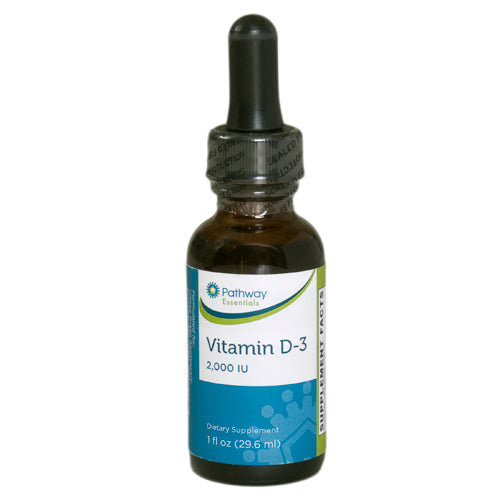
Vitamin D-3 Drops
No reviews
$27.99
$39.99
Important Bone Building Vitamin Vitamin D plays a key role in helping to maintain bone density and bone strength. It also supports cardiovascular health, mental health, skin health, as well as immune system health. Even though the human body can manufacture Vitamin D under ideal circumstances, much of the American population suffers from a Vitamin D deficiency. Vitamin D-3 is the more bioactive form of Vitamin D.Suggested Use: 1 drop daily (2000 iu per 1 drop)
sale
PATHWAY
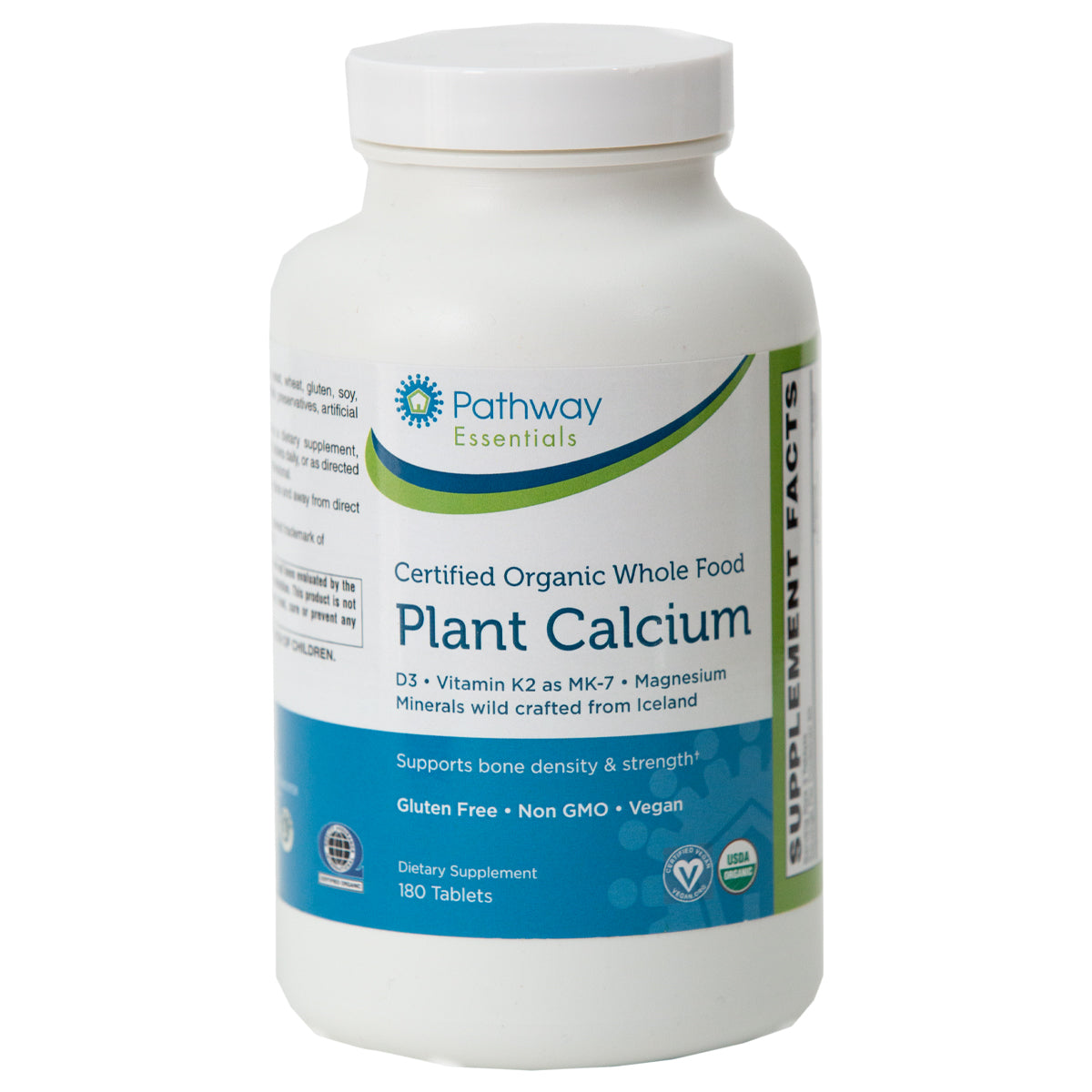
Certified Organic Whole Food Plant Calcium
2 reviews
$62.79
$89.70
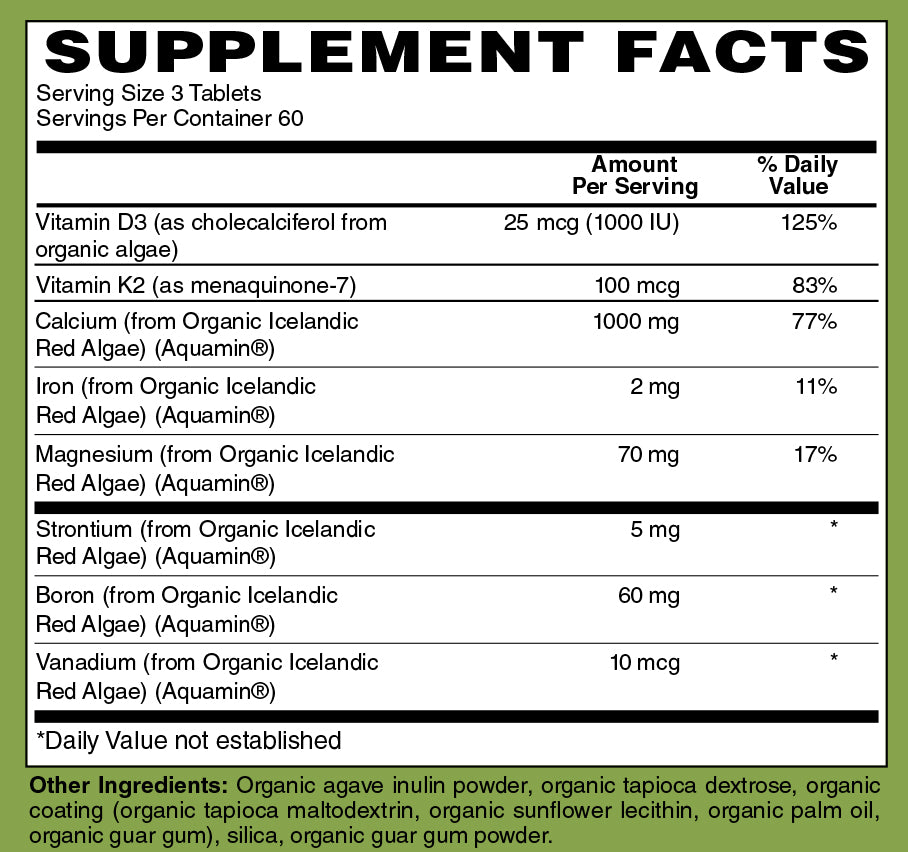
This comprehensive formula is designed to support strong, healthy bone structure. It features Aquamin®, a trademarked Icelandic algae that is rich in calcium, magnesium, and more than 72 other trace minerals. Aquamin® has been clinically shown to have superior bioavailability over other forms of calcium for aiding bone growth, density, and tensile strength. Other key ingredients in this formula include vitamins D3 and K2, magnesium, strontium, boron, and vanadium.
Suggested Use: adults take three (3) tablets daily, or as directed by a health care professional.
Vitamin D: Vitamin D is essential for bone health and immune function. Supplementing with vitamin D may be beneficial, but the dosage should be determined based on blood tests and under the guidance of a healthcare provider.
Calcium: Calcium supplementation may help support bone health as part of your overall wellness routine.
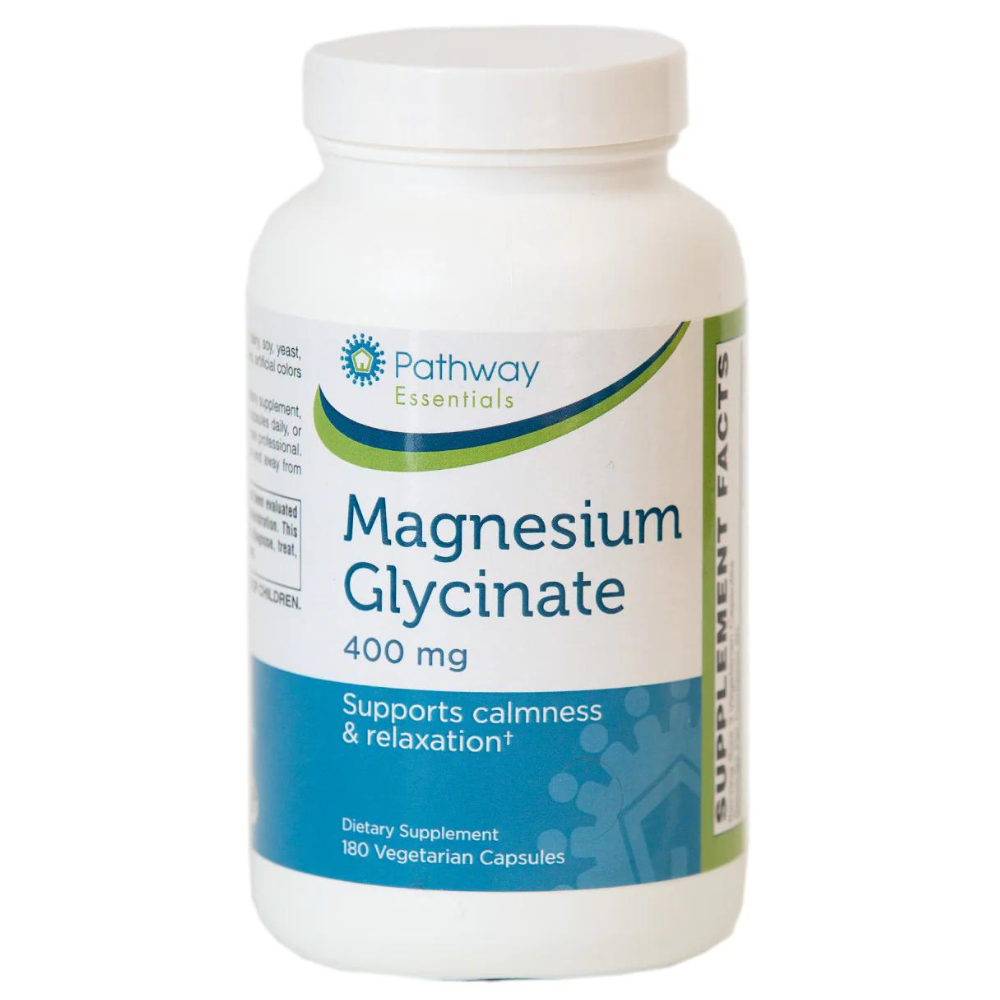
Magnesium: Magnesium plays a role in muscle function and can help with muscle cramps and spasms, which may be more common in individuals with adrenal insufficiency.
Ashwagandha: Ashwagandha is an adaptogenic herb that may help the body cope with stress.
As for the magnesium question I always get: An Addison's diet supplemented by steady magnesium intake can help support healthy muscles. Pathway Ashwagandha, standardized to withanolides, is one such adaptogen that my colleagues discuss with patients. With regard to Ayurvedic medicine for Addison's disease, ashwagandha is the most commonly mentioned herb, which may help support healthy stress response as part of a regimen but should never replace prescribed adrenal hormones.
Frequently Asked Questions
Can Addison's disease cause hair loss?
It sure can. Losing body hair, especially pubic or axillary hair, is a less well known symptom of Addison’s. Report any hair loss to your prescribing doctor, as it might mean your dosing is off.
Can adrenal insufficiency be cured?
Not at all. Addison’s disease is permanent and will require lifelong treatment, but it can be managed very well. In fact, the vast majority of people with Addison’s disease lead happy, productive lives, as long as they adhere to their medication regimen and take some precautions in their day-to-day life. Natural approaches may help support how you feel day to day, but they never replace the prescribed hormones.
What is addison disease in humans?
Addison’s disease (primary adrenal insufficiency) is when your adrenal glands do not produce enough cortisol and may also not produce enough aldosterone. Cortisol enables your body to react to stress, regulate blood sugar levels and control your metabolism. Aldosterone balances your salt and water content. A deficiency of either or both hormones affects your entire body.
Is addison disease rare?
Yes, it's rare. Addison's disease is a rare condition. It can show up at any age, though it's diagnosed most often between ages 30 and 50. Because the early symptoms are so vague, it's often missed at first.
How Common Is Addison's Disease?
It's uncommon. Rare, yes. But real, and manageable once it's caught.
These statements have not been evaluated by the Food and Drug Administration. This product is not intended to diagnose, treat, cure, or prevent any disease.
sale
PATHWAY
Magnesium Glycinate 400Mg
1 review
$32.89
$46.99
Highly Absorbable Magnesium
Magnesium plays an essential role in hundreds of cellular reactions in they body, and is considered one of the most important minerals. In the U.S., magnesium deficiency is common, and can result from depleted soil, digestive issues, chronic diseases, and medication use. Symptoms of magnesium deficiency include leg cramps, insomnia, muscle pain, anxiety, high blood pressure, blood sugar imbalances, fatigue, migraines, and osteoporosis. Pathway Magnesium Glycinate is a chelated form of magnesium which provides high levels of absorption and bioavailability and is an ideal recommendation for individuals wanting to correct a magnesium deficiency.
Suggested Use: 3 capsules daily
sale
PATHWAY
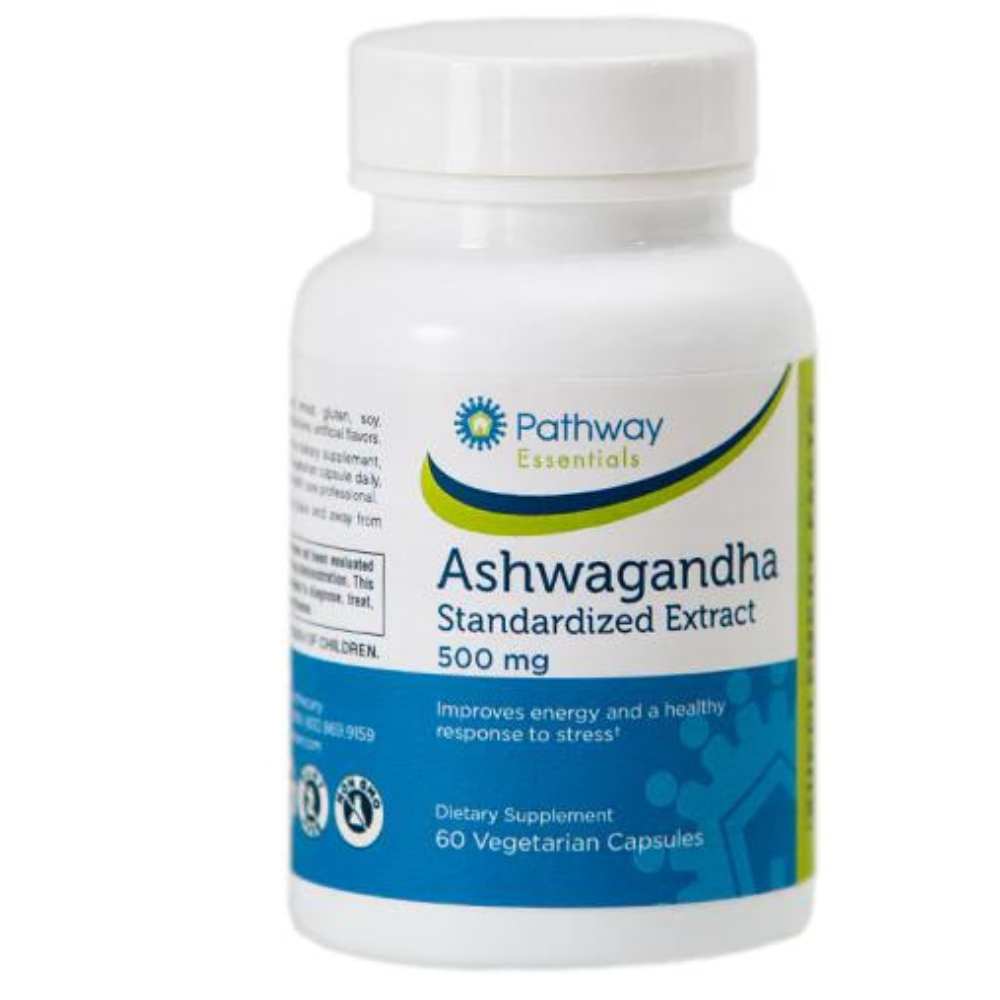
Ashwagandha Extract 500Mg
1 review
$20.29
$28.99
Ashwagandha is a beloved herb in the Ayurvedic pharmacopeia that has recently gained popularity outside of Ayurveda—and for good reason. While Ashwagandha brings a long list of benefits to the body, it is historically known as an Adaptogen. Ashwagandha supports the body’s resiliency to stress, while it also brings the amazing ability to energize and calm at the same time. Ashwagandha Extract is believed to help create and maintain vitality, energy, rejuvenation, and to avoid insomnia and other nervous conditions. The plant, scientifically designated as Withania somnifera, grows throughout India, the Middle East, and in parts of Africa. It contains steroidal lactones known as withanolides, which have been shown through scientific studies to be responsible for the health-promoting benefits of the plant.
Features:
Standardized Ashwagandha Extract from Sabinsa, a world leader in Ayurvedic herbal extracts
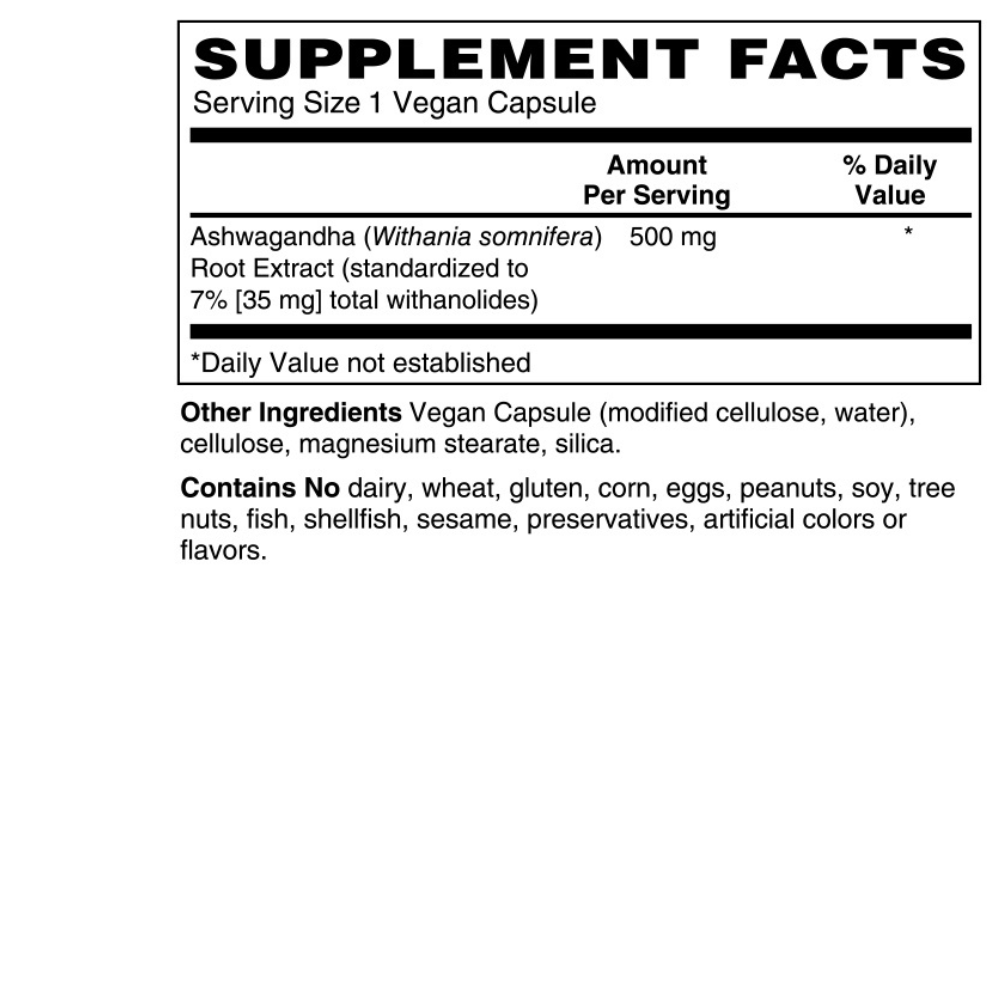
500mg per capsule, standardized to 7% Withanolides
Standardized Ashwagandha Extract has been used in numerous clinical studies, continuously showing its effectiveness against inflammation for over 40 years
Gluten Free, Non GMO and Vegan
Contains No dairy, wheat, gluten, corn, eggs, peanuts, soy, tree nuts, fish, shellfish, sesame, preservatives, artificial colors or flavors
Benefits:
Ashwagandha Extract 500 mg Supports Energy and a Healthy Response To Stress.
Helps maintain healthy cortisol levels.
Helps reduce fatigue and improve energy.
Acts as an adaptogen, helping to maintain the body’s healthy response to physiological and psychological stress.
Helps maintain mental focus and acuity.
Helps improve physical performance and strength.
Helps maintain a positive outlook.
Helps promote restful sleep.
Helps maintain healthy blood sugar levels.
Helps mitigate oxidative injury caused by nervous tension.
References
Categories
Categories
Humanized Health - NEW!
Learn about personalized health from top experts! Check out our fascinating new shows every week, available as videos, podcasts and transcripts.:
Our Bloggers
-
 Paula Gallagher
Paula is a highly qualified and experienced nutrition counselor on the staff at Village Green.
read more.. -
 Margo Gladding
Margo's impressive knowledge base is the result of a unique blend of educational and professional experience.
read more.. -
 Dr. Neal Barnard
Dr. Barnard leads programs advocating for preventive medicine, good nutrition, and higher ethical standards in research.
read more.. -
 Dr. Joseph Pizzorno
Dr. Joseph Pizzorno, ND is a pioneer of integrative medicine and a leading authority on science-based natural medicine.
read more.. -
 Debi Silber
Debi is a registered dietitian with a master’s degree in nutrition, a personal trainer, and whole health coach.
read more..
SEE ALL OF OUR BLOGGERS
Invalid password
Enter


Stay Connected
Village Green Apothecary
5415 W Cedar Ln
Bethesda, Maryland, 20814
(301) 530-0800
Toll Free: (800) 869-9159
The information provided on this site is not intended to be a substitute for advice or treatment from a qualified physician, nor is it intended to diagnose or treat a health problem or disease. Consult your physician prior to starting any new health program or if you any questions regarding a medical condition.
© 2025 Village Green Apothecary - All Rights Reserved.
