 FREE SHIPPING! Automatically Applied on Orders Over $74!



If you're wondering how to prevent heart disease at the root, the most helpful change is to stop focusing on one number and improve the conditions that affect your arteries. The cause of heart disease is often a gradual buildup of silent injury over many years. Chronic insulin resistance, stress, lack of sleep, hypertension, smoking, and low-quality food are not independent risk factors. They are interconnected. That’s why just lowering your cholesterol rarely gives you the full picture. The upside here is that much of this is preventable if you help with the underlying issues before they cause overt disease.
Why Heart Disease Starts Below the Surface
We get a lot of inquiries about cholesterol these days. Patients look at their labs, find one value that is out of range, and want to do something about it.
And here’s the reframe we tell people. Blood pressure, heart disease, and high cholesterol aren't actually separate problems.

They’re usually two sides of the same coin, primarily insulin resistance and inflammation, because your body is a single ecosystem.
Heart disease is an inflammatory disease, and over time, as your body’s internal environment remains in a state of inflammation, your arteries will suffer.
It’s not about getting the number down. It’s about making that environment more peaceful, more nourishing for those arteries to live in.
As the original post put it: "Blood pressure, heart disease, and high cholesterol, they are all kind of one thing. So, when you start to knock off all these factors, you can start to really change things."
10 Tips to Prevent Heart Disease
Here are the 10 heart tips to prevent heart disease we come back to most often. And none of them are exotic. But together they shift the landscape.
-
Eat a whole-food diet of plants, fiber, and healthy fats.
-
Exercise: build muscle and move each day, even a brisk walk works.
-
First and foremost, ensure you’re getting sufficient, regular sleep.
-
Stress management tips you'll stick with
-
Stabilize your blood sugar levels. This can help with insulin resistance.
-
Help maintain healthy blood pressure with diet, exercise, and rechecks.
-
Don't smoke, and limit alcohol.
-
Maintain your social connections as loneliness is a cardiovascular risk.
-
Look at trends over time, not just a single lab.
-
Ask a clinician to interpret your overall health profile rather than a single value.
Foods That Support a Healthy Heart

Which food prevents heart disease best isn't a single superfood. It's a pattern.
Can fruits prevent heart disease on their own? Not quite, but berries, citrus, and other whole fruits bring fiber and polyphenols that may help support healthy blood vessels.
For heart-disease-preventing food staples, make vegetables, beans, nuts, olive oil, and fatty fish the center of your plate. What helps prevent heart disease here is the pattern: these foods may contribute to lower inflammation and steadier blood sugar.
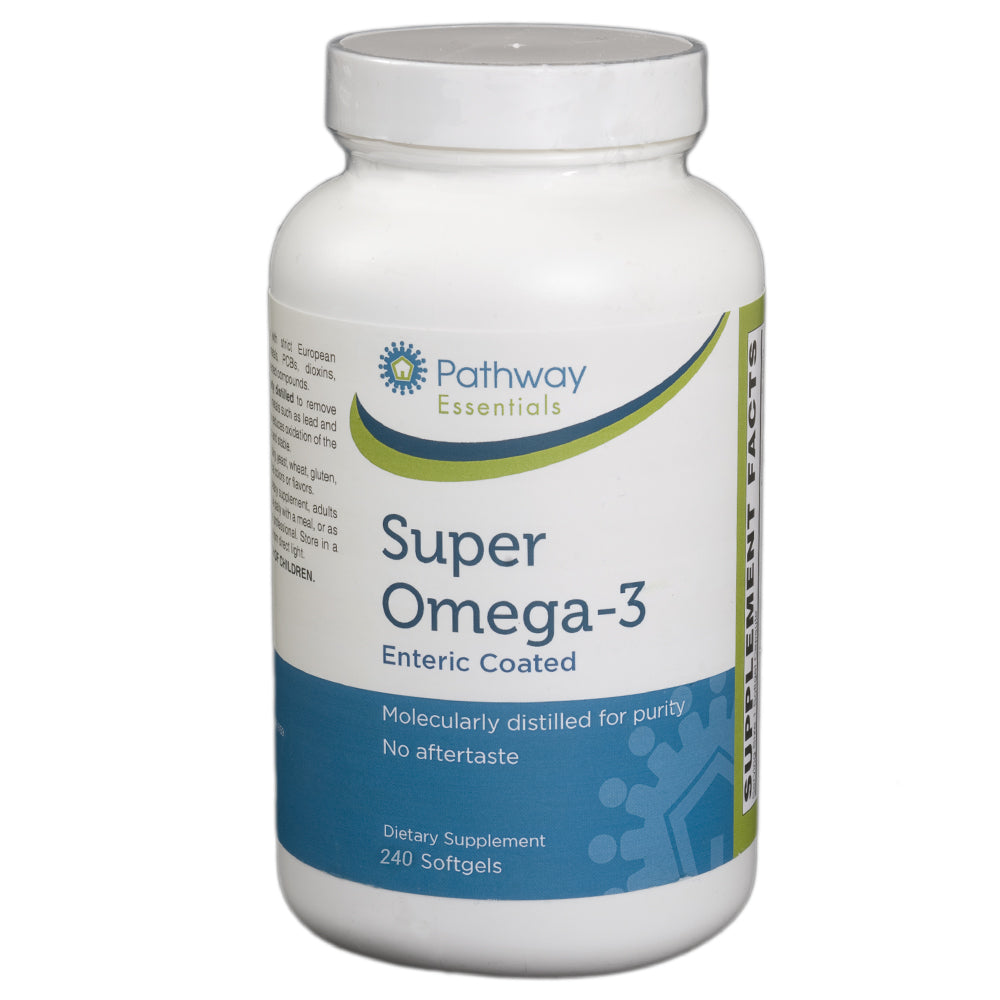
Omega-3 fatty acids found in fish may help support the heart. Super Omega-3 EC is a product that some of our customers take with a good diet.
For extra support, Pro Advanced Cardio Care is formulated to complement a whole-food routine, and Superzymes may help support digestion of those nutrient-dense meals. Browse our full Heart Health collection to see options.
How Movement and Cardio Protect Your Heart
Can exercise prevent heart disease? Movement is one of the strongest levers you have.
Can walking prevent heart disease? The more you walk each day, the better your body responds to insulin, which, again, is another core driver we’ve talked about many times.
Try to have a balance. You should do cardio to prevent heart disease, but also try to do strength training because muscle is a metabolic organ that clears your blood sugar.
Simple goal: 150 minutes per week of moderate physical activity + 2 workouts per week with resistance training.
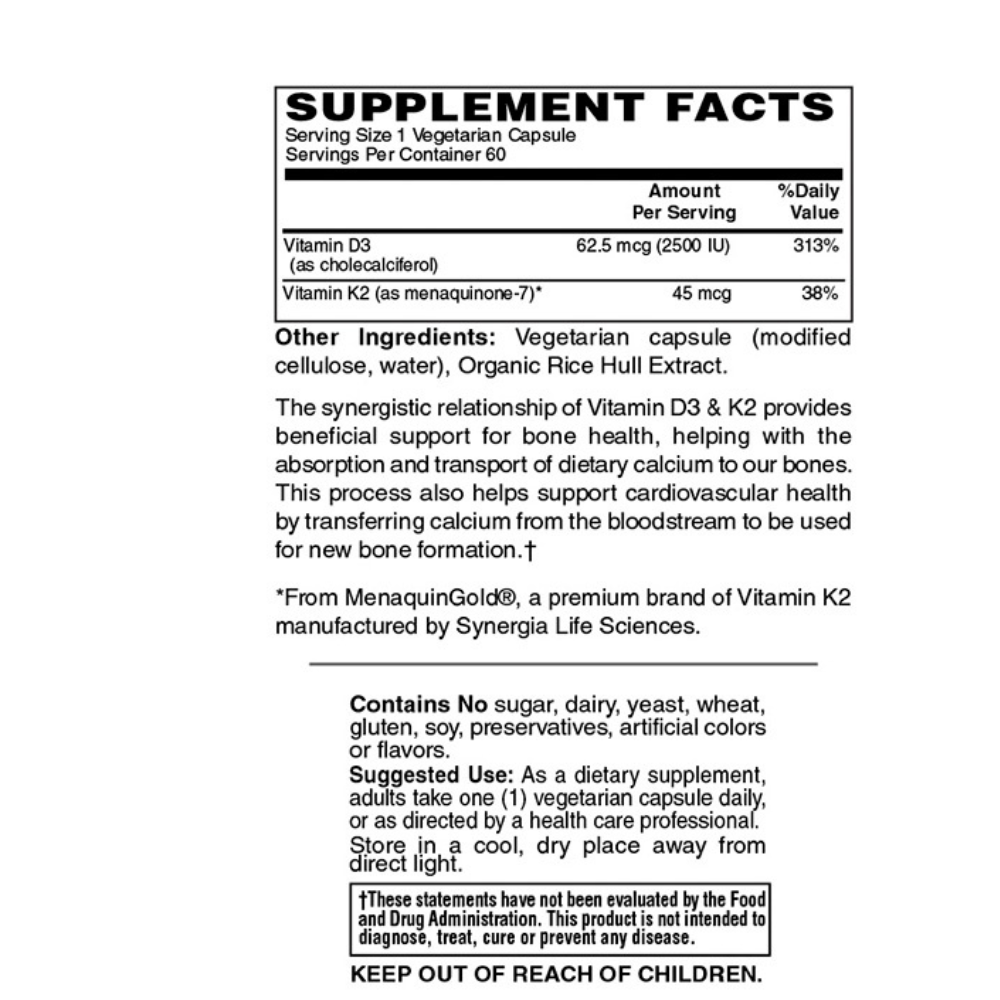
Vitamin D3 Plus K2 may help support this active routine, since both nutrients play roles in cardiovascular and bone health.
Heart Health for Women Through Menopause

To prevent heart disease women face uniquely, the menopause transition deserves real attention. The drop in estrogen also alters the way your body manages cholesterol, blood pressure, and blood sugar.
This is why those foundational habits become even more important during and post menopause: protein, strength training, and sleep help counter the metabolic changes.
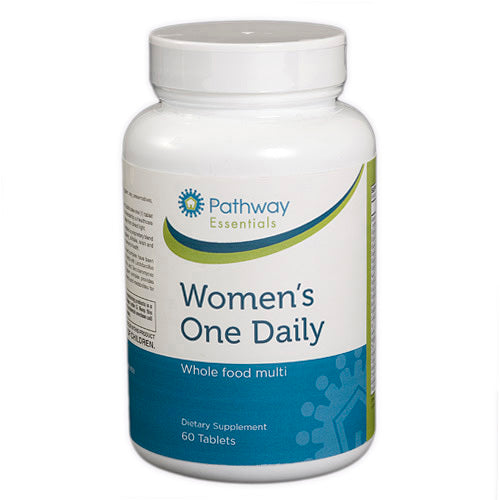
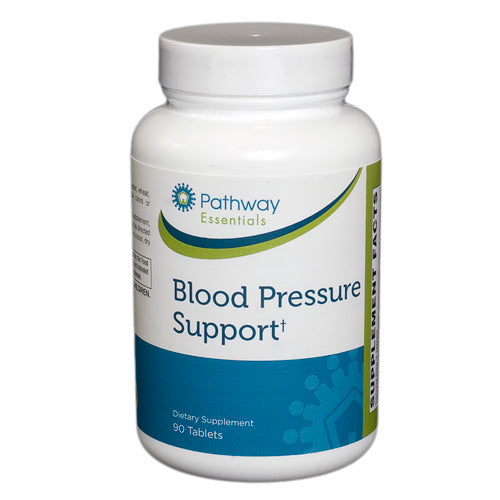
A Women's Multi can fill everyday nutrient gaps, and Blood Pressure Support may help support healthy readings alongside your care plan.
For deeper strategy on this stage, our team wrote about protein needs in perimenopause and menopause.
Can You Improve Heart Disease Risk?
Can I improve and prevent heart disease if I already have risk factors? Can I prevent heart disease from here? More often than not, yes. You can move the needle.
If you take out a few root causes simultaneously, that’s when things get interesting. Your blood glucose improves, your blood pressure comes down, your inflammation decreases, and those effects build on each other.
A third missed factor is connectivity. According to the CDC, loneliness and social isolation are associated with higher expression of pro-inflammatory genes and a greater risk for heart disease and stroke.
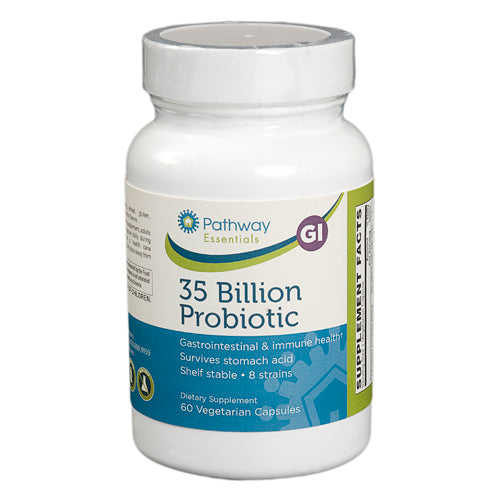
A probiotic may help support a healthy gut, which plays into inflammation and metabolic health.
If you want a clinician to look at your labs and habits together, book an appointment for a lab review consultation.
As the original post put it: "When you're lonely or isolated, you produce more inflammatory gene expression, so you have more inflammatory proteins out there in your body and causing more damage. And we know heart disease is an inflammatory disease."
Preventing Heart Disease in Men
How to prevent heart disease in men

Risk starts rising for men a few years earlier than for women, but for the same reasons: insulin resistance, hypertension, poor sleep quality, and high stress. And the interventions to reduce those risks are also the same: exercise regularly, especially strength training, walk every day, manage blood glucose levels, avoid smoking. Talk with a doctor about interpreting trends over time, not isolated data points.
Key Takeaways
-
Heart disease, high blood pressure, and high cholesterol often represent a single condition caused by insulin resistance and inflammation.
-
But fixating on a single number, like cholesterol, might mean missing the forest for the trees.
-
These six core habits account for a lot of the work: eating a whole-foods diet, being strong, sleeping well, managing stress, controlling blood sugar and blood pressure, and spending time with friends.
-
Because women’s heart risk changes post-menopausally, these fundamentals become even more important during the transition.
Frequently Asked Questions
How to prevent heart disease after menopause
Post-menopause, concentrate on the metabolic fundamentals that estrogen once handled for you: build muscle with strength training, consume enough protein, keep blood sugars stable, maintain healthy blood pressure. Don’t forget sleep and stress management; they affect inflammation as well. A whole-food multivitamin and omega-3s may help support the transition alongside your care plan.
How to prevent heart disease in women
The same foundations hold true and include eating whole foods, moving your body daily, getting quality sleep, managing stress, and cultivating relationships. Monitor blood pressure and blood sugar, particularly as you move through life stages with changing hormone levels. Because symptoms can show up differently in women, regular visits with a healthcare professional are important. A look at your health trends is more helpful than basing treatment decisions on a single test result.
How to prevent heart disease after hysterectomy
If your hormones were impacted by a hysterectomy, your heart disease risk may follow a similar path as menopause. Focus on resistance exercise, protein intake, sleep and glucose and BP management. A provider may be able to assist in determining if added support makes sense for you. Talk with your provider about lab work and don’t just measure cholesterol.
Can exercise prevent heart disease
One of the biggest things you can do for your health is exercise. Exercising makes you more sensitive to insulin; it supports healthy blood pressure and decreases inflammation in the body. The best combination is walking regularly every day, along with strength training at least a few times a week. One hard workout won’t do it - consistency over time will.
sale
PATHWAY
Super Omega-3 Ec
1 review
$67.89
$96.98
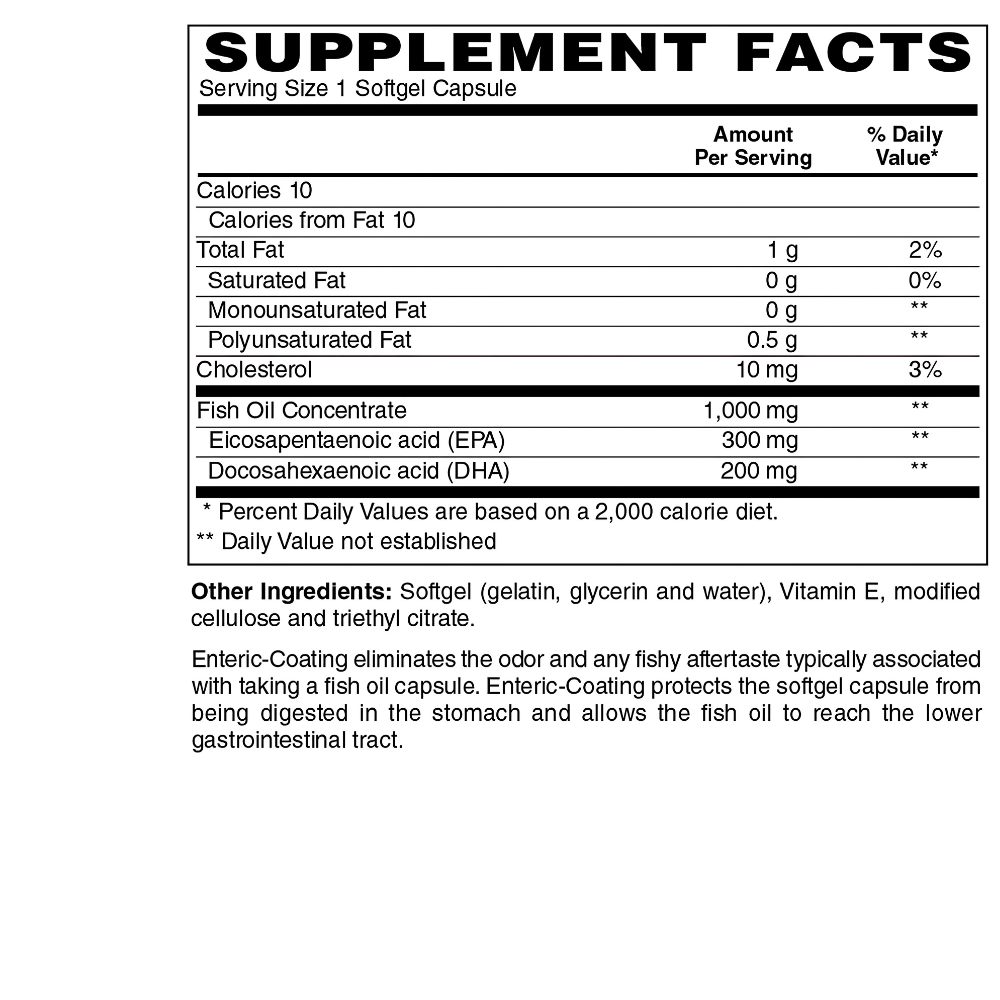
Enteric Coating Reduces Fish Burps Super Omega-3 is molecularly distilled for purity and contains high concentrations of the essential fatty acids Omega-3 EPA & DHA (300 mg & 200 mg respectively). Omega-3 fatty acids are very important, supportive nutrient of cardio health as well as brain and ocular health. Each softgel is enteric coated to eliminate the odor and fishy aftertaste typically associated with taking a fish oil capsule. Enteric coating also protects the softgel capsules from being digested in the stomach and allows the fish oil to reach to the lower GI tract for absorption. Suggested Use: 1 softgel 2 times daily
sale


PATHWAY
Pro Advanced Cardio Care
No reviews
$54.51
$77.87
Pro Advanced Cardio Care provides comprehensive heart and circulation support featuring Bergamonte, ViNitrox, BenfoPure, and Cocrysta. Promotes healthy cholesterol, energy, and vascular function.
Cardiovascular wellness remains the top consumer health concern, yet few supplements deliver the clean-label, clinically validated solutions today’s customers demand. Pro Advanced Cardio Care was designed to close that gap by combining four science-backed, trademarked ingredients to support heart, vascular, and metabolic function. This comprehensive formula features Bergamonte bergamot extract, ViNitrox grape and apple polyphenols, BenfoPure benfotiamine, and Cocrysta ubiquinol for complete cardiovascular support. Vegan, Non-GMO, and gluten-free, it meets the growing preference for condition-specific, transparent formulations that deliver results.
Features:
500 mg Bergamonte Bergamot Orange fruit extract (standardized to 38% [190 mg] total polyphenols)
500 mg ViNitrox Grape Whole Plant extract & Apple skin extract (standardized to 95% [475 mg] total polyphenols)
150 mg BenfoPure Benfotiamine
100 mg Cocrysta Ubiquinol, the reduced form of Coenzyme Q10
Contains no sugar, salt, dairy, yeast, wheat, gluten, eggs, peanuts, soy, tree nuts, fish, shellfish, sesame, preservatives, artificial colors or flavors
Gluten Free, Non-GMO and Vegan
Benefits:
Bergamonte is a patented extract derived from the Citrus bergamia fruit, primarily grown in Calabria, Italy. It is rich in polyphenolic compounds such as neoeriocitrin, naringin, neohesperidin, brutieridin, and melitidin, which are believed to exert lipid-lowering, antioxidant, and anti-inflammatory effects.
Supports healthy cholesterol levels and lipid balance with clinically studied Bergamonte Citrus bergamia extract.
Enhances circulation and blood flow through ViNitrox-driven nitric oxide production for improved vascular function.
Provides antioxidant protection to help reduce oxidative stress and support endothelial health.
Promotes energy production at the cellular level with Cocrysta ubiquinol, the bioactive form of CoQ10.
Supports metabolic and vascular health with BenfoPure benfotiamine for improved glucose utilization.
Ideal for heart health maintenance, athletic performance, and overall cardiovascular resilience.
Suggested Use:
As a dietary supplement, adults take two (2) vegan capsules daily or as directed by a healthcare professional.
Storage Instruction:
Store in a cool, dry place and away from direct light.
Warning:
KEEP OUT OF REACH OF CHILDREN.
sale
PATHWAY
Superzymes
1 review
$37.79
$53.99
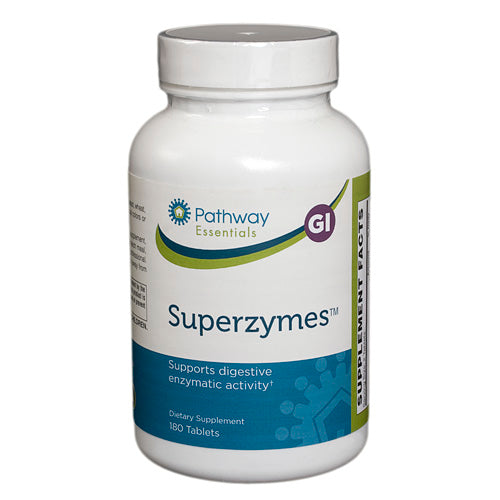
Supports Digestive Enzymatic Activity Digestive enzymes are vital to the proper digestion and absorption of nutrients from food. Pathway Superzymes contains powerful digestive enzymes such as amylase, protease, lipase, pepsin, bromelain, and papain for the breakdown of fats, proteins, and carbohydrates. This formula also includes betaine hycrochloride and ox bile, for enhanced support in emulsifying fats and breaking down proteins. Pathway Superzymes also protects the body against harmful pathogens. Suggested Use: 2 tablets after each meal
sale
PATHWAY
Vitamin D3 Plus K2
4 reviews
$22.39
$31.99
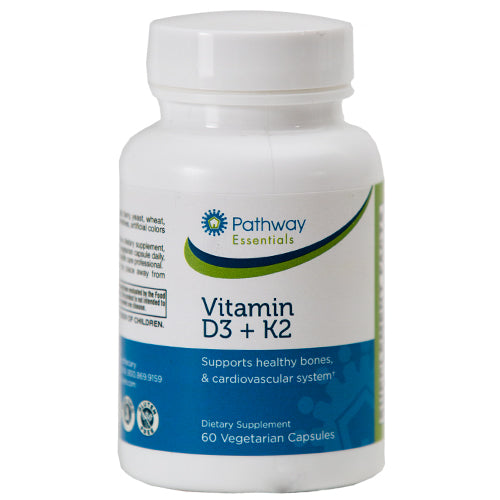
Promotes Bone and Cardiovascular HealthOptimal amounts of vitamins D and K are essential for bone, cardiovascular, and immune health. These two vitamins work synergistically by helping to properly utilize calcium within the body. Vitamin D is necessary for calcium absorption, and vitamin K is important for directing calcium to the bones and away from the soft tissues, such as blood vessels. Taking Vitamin D and K in combination can provide greater support for the body than taking them separately. Suggested Use: 1 capsule daily
sale
PATHWAY
Womens One Daily
No reviews
$53.69
$76.70
Made with Organic IngredientsPathway Women's One Daily is a whole food multivitamin that contains a comprehensive blend of important vitamins and minerals along with cultured herbal blends, cultured vegetables, cultured fruits, cultured sprouts, cultured spices, and essential glyconutrients. This formula provides iron and a higher amount of folic acid and B12, along with red clover, cranberry and red raspberry to support female health.Suggested Use: 1 tablet daily
sale
PATHWAY
Blood Pressure Support
No reviews
$29.39
$41.99
Synergistic Blood Pressure SupportBlood Pressure Support supplies nutrient support for healthy blood pressure. Coleus forskohlii helps in supporting a healthy mood. Hawthorn is included for its studied benefits for healthy circulation. Magnesium and hops are added to aid in the relaxation of the central nervous system. And, Taurine supports the central nervous system and is thought to be helpful in dealing with anxiety. We use the trademark ingredient Forslean® which is the only Coleus forskohlii supported by a US patent. Suggested Use: 1 tablet 3 times daily with meals
sale
PATHWAY
35 Billion Probiotic
2 reviews
$65.52
$93.60
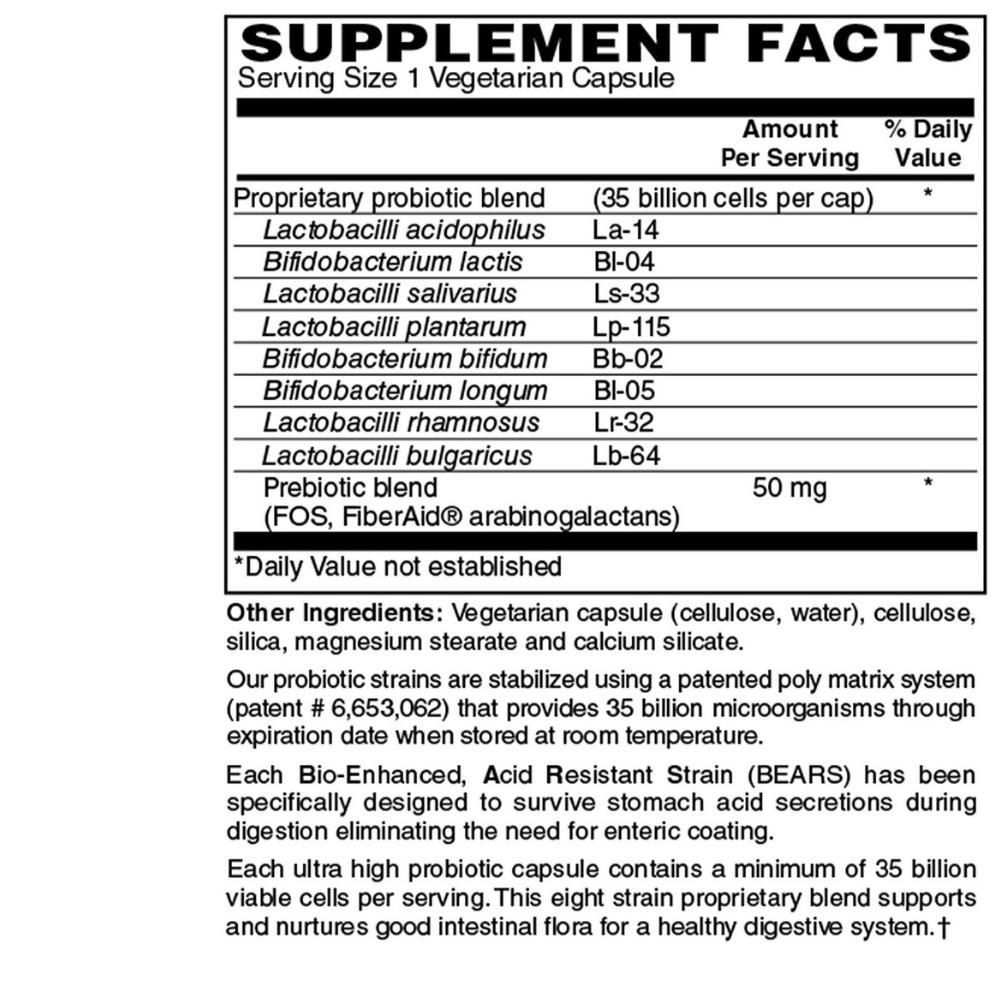
Ultra High Potency Probiotic for Extra Intestinal Support Beneficial bacteria are critical to a healthy digestive and immune system. This high potency probiotic blend is recommended when advanced support is needed due to antibiotic use, travel, or digestive concerns. Pathway 35 Billion Probiotic features 8 strains of beneficial bacteria that are stabilized so that no refrigeration is necessary. In addition, the bacteria are designed to survive stomach acids so that they can work effectively in your intestine. Suggested Use: 1 capsule during meals
References
- CDC - Loneliness and Social Isolation Linked to Serious Health Conditions
- NIH Office of Dietary Supplements - Omega-3 Fatty Acids
- CDC - Heart Disease Facts
- MedlinePlus - Metabolic Syndrome
- CDC - Loneliness and Social Isolation Linked to Serious Health Conditions
- CDC - Heart Disease Facts
- Polypill with or without Aspirin in Persons without Cardiovascular Disease
- Global Burden of Disease Study 2023
Categories
Categories
Humanized Health - NEW!
Learn about personalized health from top experts! Check out our fascinating new shows every week, available as videos, podcasts and transcripts.:
Our Bloggers
-
 Paula Gallagher
Paula is a highly qualified and experienced nutrition counselor on the staff at Village Green.
read more.. -
 Margo Gladding
Margo's impressive knowledge base is the result of a unique blend of educational and professional experience.
read more.. -
 Dr. Neal Barnard
Dr. Barnard leads programs advocating for preventive medicine, good nutrition, and higher ethical standards in research.
read more.. -
 Dr. Joseph Pizzorno
Dr. Joseph Pizzorno, ND is a pioneer of integrative medicine and a leading authority on science-based natural medicine.
read more.. -
 Debi Silber
Debi is a registered dietitian with a master’s degree in nutrition, a personal trainer, and whole health coach.
read more..
SEE ALL OF OUR BLOGGERS
Invalid password
Enter


Stay Connected
Village Green Apothecary
5415 W Cedar Ln
Bethesda, Maryland, 20814
(301) 530-0800
Toll Free: (800) 869-9159
The information provided on this site is not intended to be a substitute for advice or treatment from a qualified physician, nor is it intended to diagnose or treat a health problem or disease. Consult your physician prior to starting any new health program or if you any questions regarding a medical condition.
© 2025 Village Green Apothecary - All Rights Reserved.
