 FREE SHIPPING! Automatically Applied on Orders Over $74!



It’s entirely possible you can be on your GLP-1 and feel just as good but still be in need of what your body is craving. This is the piece that almost no one mentions.
Most people know to expect the early side effects, such as nausea, constipation, fatigue, bloat, etc. Your doctor may have suggested eating smaller meals and increasing fluids. But below all of that is another change that we don’t often hear about, but should.
GLP-1 medications are designed to reduce how much you eat. They aren't designed to reduce your body's need for protein, vitamins, minerals, healthy fats, fiber, fluids, or electrolytes. Your muscles still need protein. Your bones still need nutrients. Your cells are doing the same work they did before, just with less fuel coming in.
Here's what to know before starting Wegovy: the medication changes how much you eat. This doesn't affect what your body still needs.
That's why nutrition matters from day one, from your Ozempic first week onward, whether or not you feel any side effects. In some individuals, these gaps manifest themselves in the beginning, with symptoms like nausea, headaches, dizziness, exhaustion, and brain fog. For others, everything feels fine, appetite down, weight coming off as Zepbound first week results appear. Both can be normal, and knowing this is part of what to know before starting Zepbound. Being in good health doesn’t guarantee that you’re meeting your requirements for nutrients. Many people enter treatment with a deficiency already present, which then grows silently worse as their intake decreases.
A Quick Refresher: The Five-Phase Framework
The GLP-1 process is like a home renovation. It happens in phases, each with its own focal points, but some things don’t change at all. Protein, the Core 4, movement, sleep.
It’s the same foundation. But as your body changes, so does the support.
This article covers Phase 1: Just Starting, gather the materials.
New here? Read the Full Overview ► or Take the Free Assessment ►
What's Happening Inside Your Body Right Now
Think of these first eight weeks, and that Zepbound first week especially, as when the renovation begins. One of the most important starting Wegovy tips is that the tools and materials you choose now shape everything that comes after. Some things change fast; some things don’t change at all, and it’s the latter that causes issues.

Your digestion slows down. GLP-1 medications slow how quickly your stomach empties, which keeps you full longer and reduces your appetite. It's also behind most early stomach complaints, nausea, bloating, feeling full after a few bites, which usually ease as you adjust. Smaller meals and easier-to-digest foods help, and large or high-fat meals tend to make it worse.
You're getting less hydration than you think. A real share of your daily fluid and electrolytes normally comes from food. Smaller portions mean less of both, especially sodium, which can cause headaches, fatigue, dizziness, and cramps even when you're drinking "enough" water. Replace fluids and electrolytes together.
Protein is often the first thing that goes. It's the nutrient that gets skipped when you're only eating a couple bites because you feel full. It's also what maintains your lean body mass and keeps your metabolism in check. If you don't get enough now, the consequences will follow later.
Your body is doing the same work with fewer supplies. Picture a construction crew: the delivery trucks still need to arrive to keep repairing muscle, remodeling bone, and running your immune system, there are just fewer of them each day now. That drop drives your Zepbound first week weight loss, but it also means early fatigue and brain fog aren't always "just side effects." Sometimes it's your body asking for support during a big change.
None of this means the drug isn't working, usually it's the other way around. Among the most practical tips for starting Zepbound: the right nutrition now supports your energy, digestion, and muscle while your body catches up.
Part One: Your Foundation
When people ask us "What vitamins should I take with Ozempic?" our answer is always the same: start with the Core 4. A high-quality multivitamin (for women, one that accounts for iron before menopause), vitamin D3 with K2, a synbiotic for the gut changes that begin in week one, and magnesium for energy, sleep, and stress. For most people, this foundation is the whole plan.
Foundation doesn't change. Support changes with the body.
Part Two: Phase 1 Additions
Now that we've got the base covered, while you're still ramping up your starting Wegovy dose, we'll focus on the two primary issues that you might experience in Phase 1, gut comfort and sustained energy, if necessary.
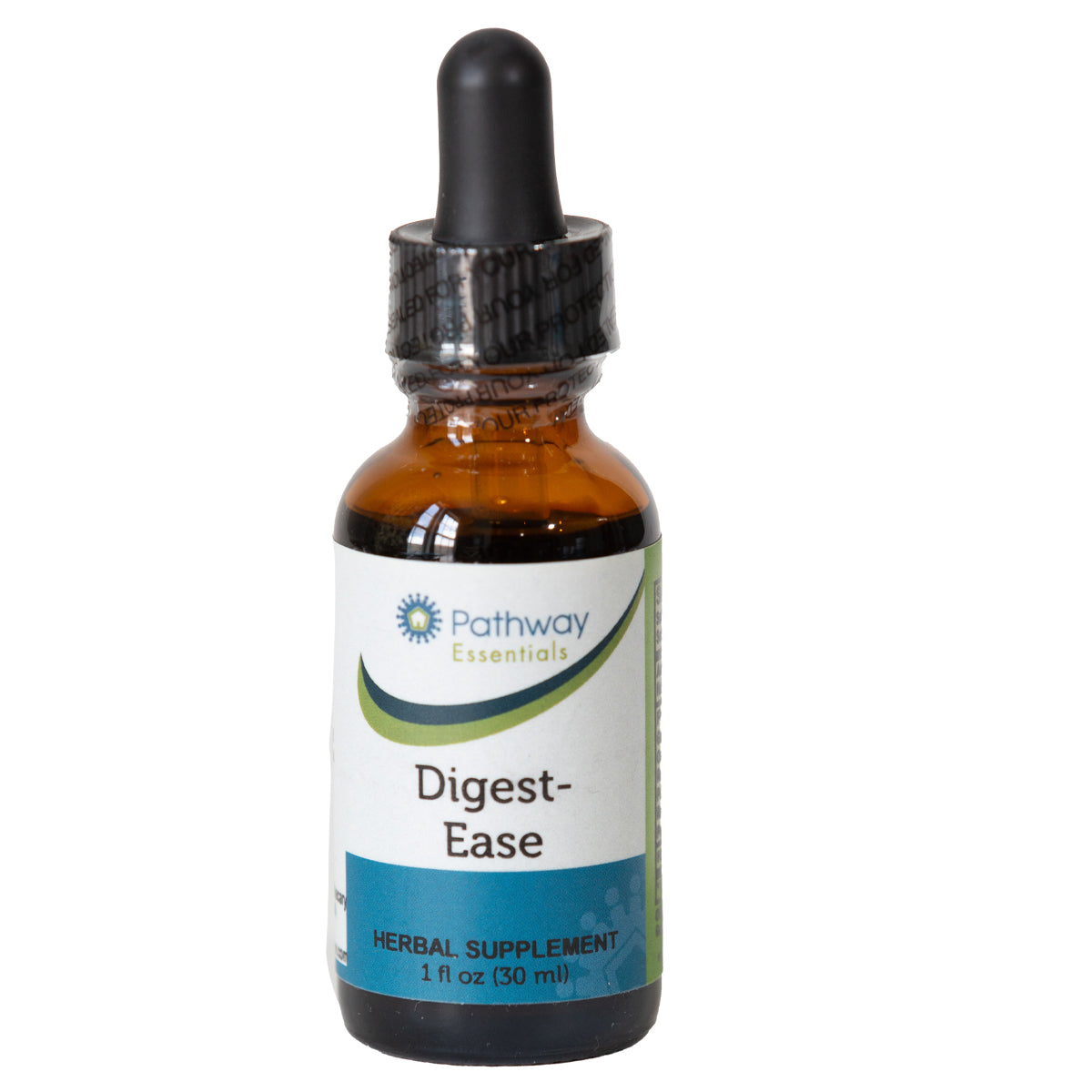
For digestive support. The early weeks are when digestion shifts the most, so gentle digestive support can help your system settle in. An herbal formula like Pathway Digest-Ease draws on peppermint and fennel, traditionally used to support a calm, comfortable digestive tract, which many people appreciate in the days around an injection or dose increase.
If you have severe or persistent nausea, repeated vomiting, or trouble keeping fluids down, reach out to your prescribing provider.
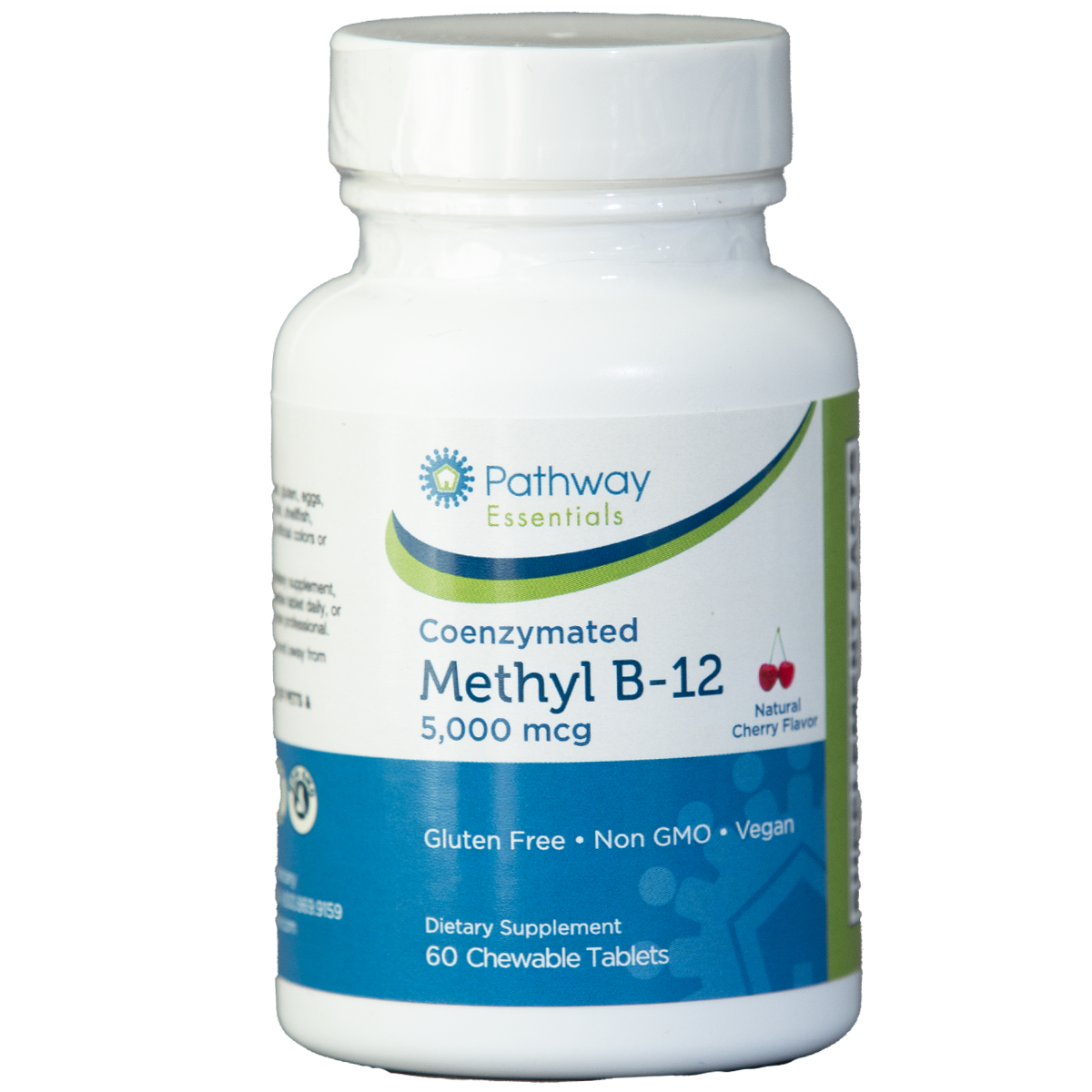
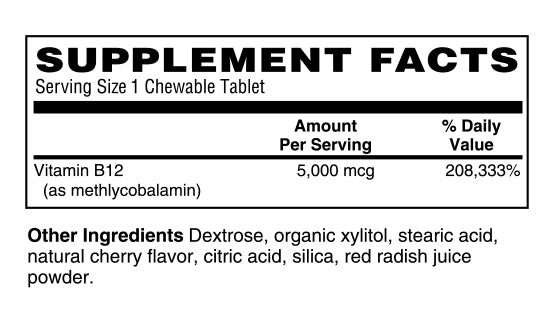
For energy support. This is where the Ozempic and B12 connection matters. Many people begin GLP-1 therapy already low in B12, especially those also taking metformin, which depletes it over time, and eating less makes that gap harder to close through food. One detail worth knowing: many B12 products use cyanocobalamin, a synthetic form your body has to convert before it can use it. An active form like Pathway Coenzymated Methyl B12 delivers methylcobalamin, already usable, to support healthy energy and cognitive function.
Where each of those fits in for you will depend on both location and the specific needs of your body, which is what the free assessment helps you determine.
Food and Routine: The Daily Work
Among the best tips for starting Wegovy: supplements bring in the materials. Your daily habits are the plan that puts them to work.
Make protein the star of every plate. Aim for 25 to 30 grams at every meal, even when the plate looks small, since protein may help support lean muscle as you lose weight. Greek yogurt, cottage cheese, eggs, chicken, fish, tofu, and protein shakes tend to be easier to tolerate in the early weeks.
Hydrate smart, not just a lot. Water isn’t everything. When you eat fewer foods, add electrolytes to compensate for what you’d typically consume.

Eat less at a time, more often. Two or three full-sized meals might be a lot for you now. It’s easier to digest four or five smaller ones. Soups and smoothies are especially helpful on injection days.
For the time being, choose the cooked vegetables since they will be easier to digest. As your body adjusts, you can start adding in the raw foods gradually again.
Move more. Just 10-20 minutes on most days can help improve your digestion, mood, and muscle. Now isn’t the time for intense workouts.
And above all: don't wait for symptoms. Nutritional gaps take weeks to build before you feel them. Gather your supplies before you need them.
What Comes Next: Phase 2

With the increase in speed of weight loss, you will reach the second part of the renovation, and another reality that hasn't been discussed much about GLP-1s is that not all weight loss is good. Without proper support, you can be losing lean muscle mass at a time when it's needed the most, at its time of highest protein demand and lowest hunger. Phase 2 is about preserving structure.
Find Out What Your Body Needs Today
The optimal GLP-1 diet will vary based on your unique health, where you’re at in the process, your symptoms, medications, and goals. Our free assessment identifies your current GLP-1 phase and recommends what to prioritize today.
Meet one-on-one with our clinical nutritionists, who can build you a personalized plan tailored to your unique needs.
Frequently Asked Questions
What vitamins should I take with Ozempic?
Start out with four supplements: a good quality multivitamin, vitamin D3 + K2, a synbiotic, and magnesium. Add in B12 if your levels are low, or if you’re also on metformin. They cast the widest net because when you eat less, you’re getting less of a lot of different nutrients.
What vitamins does Ozempic deplete?
It’s more nuanced than a single vitamin deficiency. When you eat less, you’re consuming less of all nutrients, so eventually you can become deficient in things like B12, vitamin D, iron, or magnesium. Metformin can speed up the depletion of B12. Feeling good doesn’t mean you aren’t running low on something, and that’s why we plug those holes early on, before they have the opportunity to create issues.
Why am I so tired on Ozempic?
There is almost always more than one reason for early fatigue: decreased calories, fluids and electrolytes, and decreased levels of energy-producing nutrients such as vitamin B12, iron, and magnesium as you decrease your intake. Vitamin B12 is particularly important to note because many patients start off at low levels when beginning treatment. If the fatigue is persistent, be sure to communicate with your prescribing provider.
What supplements should not be taken with Ozempic?
There’s no definitive list of medications you shouldn’t take, but there are things to watch out for. “Fiber, iron, and calcium can affect absorption, or increase the fullness or slowed digestion you already have with a GLP-1, so take them separately from meals and supplements from one another,” she says. “Give your doctor a list of everything you take, as some can interact with one another.”
What to know before starting Wegovy?
A couple of things come due prior to starting. If you can, get your levels of B12, Vitamin D, iron, and magnesium checked, as many people are starting out low on these already. Fill up on the Core 4 and a protein that's easy to digest, now while you still have an appetite. Plan to eat smaller meals more often, as gut motility will significantly slow within the first week.
How soon after starting Wegovy do you lose weight?
It depends. For some, it takes a week or two for appetite to decrease. And then it might take a few weeks after that for weight to go down as the dose increases. With Wegovy, the dose is increased gradually over the course of months. So for the first few weeks, the biggest effect will be eating less because you don't feel as hungry. The number on the scale might not change much yet. If you're not losing weight during the first month, it's likely too early.
How long after starting Zepbound do you see results?
Most importantly, focus on protein and the Core 4 to protect your lean muscle, since that is what determines how well you sustain your weight loss later. As you begin Zepbound you’ll find the titration is going to be gradual. In the first week you’ll most likely be happy with just a reduction in appetite, perhaps even eating smaller portions. As your dose increases you may notice a steady weight loss over the next couple of months.
What to eat when starting Wegovy?
Fill your plate with protein. Every meal should contain 25 to 30 grams of protein from food such as Greek yogurt, cottage cheese, eggs, chicken, fish, or tofu. Eat more frequently in smaller amounts. Two to three big meals might seem like a lot when your digestion is slow. Stick to cooked veggies instead of raw, and take electrolytes on days you eat less.
The Bottom Line
GLP-1s are powerful, but no amount of weight loss compensates for a lack of the nutrition your body needs. You’re doing the same work you always do, just with less fuel. This is why these first eight weeks are important to set the stage for all that follows. Put down your foundation and stock up before you’re in need.
It affects the amount you eat, not what your body still requires.
Mozaffarian, D., et al. "Nutritional Priorities to Support GLP-1 Therapy for Obesity: A Joint Advisory from the American College of Lifestyle Medicine, the American Society for Nutrition, the Obesity Medicine Association, and The Obesity Society." Obesity (Silver Spring), 2025.
Butsch, W.S., et al. "Nutritional Deficiencies and Muscle Loss in Adults with Type 2 Diabetes Using GLP-1 Receptor Agonists: A Retrospective Observational Study." Obesity Pillars, 2025. Real-world analysis of 461,382 adults.
Study of Long-term Metformin Use and Vitamin B12 Depletion. BMJ; The Journal of Clinical Endocrinology Metabolism.
NIH Office of Dietary Supplements Fact Sheets for Health Professionals cover vitamin D, vitamin B12, magnesium, and vitamin K.
MedlinePlus, Semaglutide Injection; Metformin
These statements have not been evaluated by the Food and Drug Administration. These products are not intended to diagnose, treat, cure, or prevent any disease. This information is educational and is not a substitute for advice from your healthcare provider.
venta
PATHWAY
Metil B-12 Coenzimada 5000 mcg
No reviews
$21.69
$30.99
La metilcobalamina es la forma coenzimática de la vitamina B12, y es el tipo de B12 biológicamente activo que se encuentra en el cuerpo humano. Según la Clínica Mayo, "...las personas que siguen una dieta vegetariana o vegana pueden ser propensas a la deficiencia porque los alimentos vegetales no contienen vitamina B12. Los adultos mayores y las personas con afecciones del tracto digestivo que afectan la absorción de nutrientes también son susceptibles a la deficiencia de vitamina B12. Si no se trata, una deficiencia de vitamina B12 puede provocar anemia, fatiga, debilidad muscular, problemas intestinales, mala reparación nerviosa y alteraciones del estado de ánimo". La absorción de B12 requiere una proteína, secretada por las células del estómago, llamada factor intrínseco. Las personas mayores secretan menos factor intrínseco y, por lo tanto, absorben menos vitamina B12. La metilcobalamina B12 ayuda a proporcionar cantidades significativas de B12 en su forma más activa.
Características
Fórmula de alta potencia que contiene 5.000 mcg de metilcobalamina, la forma más biodisponible de vitamina B12.
Dosis cómoda en forma de pastilla
Delicioso sabor a cereza
Sin gluten, sin OMG y vegano
No contiene lácteos, trigo, gluten, huevos, cacahuetes, soja, frutos secos, pescado, marisco, sésamo, conservantes, colorantes ni aromas artificiales.
Beneficios
La metilcobalamina es más bioactiva que la cianocobalamina, que debe convertirse en el hígado en la forma de coenzima activa metilcobalamina antes de que pueda funcionar en el cuerpo.
La metilcobalamina ayuda en la conversión de homocisteína en metionina, apoyando niveles saludables de homocisteína en la sangre.Fuente ideal para veganos/vegetarianos que tienen un mayor riesgo de deficiencia de vitamina B12.
La metilcobalamina ayuda a donar un grupo metilo para formar SAMe (S-adenosilmetionina) que ayuda a apoyar la función cerebral saludable y la desintoxicación del hígado.
La metilcobalamina es esencial para la producción de mielina normal y saludable; protege el sistema nervioso y apoya su función.
La vitamina B12 apoya la producción saludable de glóbulos rojos, esencial para el transporte de oxígeno por todo el cuerpo.
La deficiencia de vitamina B12 generalmente aumenta con la edad debido a la disminución de los niveles de factor intrínseco, una proteína normalmente producida por el estómago y que ayuda en la absorción de B12.
venta
PATHWAY
Facil-Digestión
No reviews
$13.29
$18.99
Estimula una digestión saludableUna buena salud digestiva es vital para obtener el máximo beneficio de los alimentos que consumimos. Una digestión adecuada requiere que el cuerpo produzca suficientes enzimas. Pathway Digest-Ease promueve un equilibrio saludable de las enzimas digestivas para la digestión de proteínas, grasas y carbohidratos. Digest-Ease también contiene hinojo y menta para aliviar el malestar estomacal, y puede proporcionar alivio a quienes padecen gases e hinchazón.Uso sugerido: 15-60 gotas, 2-3 veces al día antes o después de las comidas
venta
PATHWAY
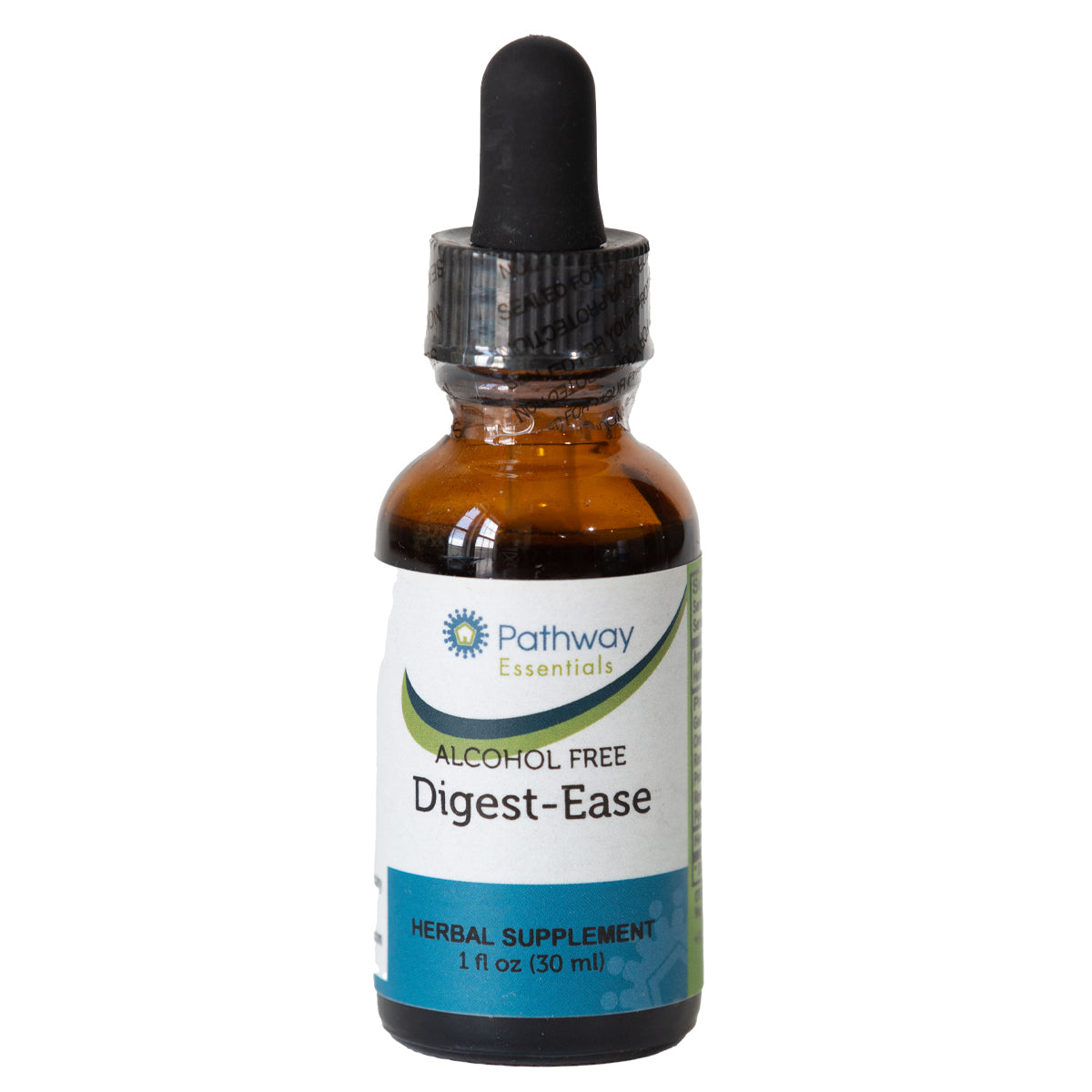
Digest-Ease - Sin alcohol
No reviews
$11.89
$16.99
Estimula una digestión saludableUna buena salud digestiva es vital para obtener el máximo beneficio de los alimentos que consumimos. Una digestión adecuada requiere que el cuerpo produzca suficientes enzimas. Pathway Digest-Ease promueve un equilibrio saludable de las enzimas digestivas para la digestión de proteínas, grasas y carbohidratos. Digest-Ease también contiene hinojo y menta para aliviar el malestar estomacal, y puede proporcionar alivio a quienes padecen gases e hinchazón.Uso sugerido: 15-60 gotas, 2-3 veces al día antes o después de las comidas
References
- MedlinePlus - Semaglutide Injection
- Nutritional and lifestyle supportive care recommendations for management of obesity with GLP-1-based therapies: An expert consensus statement
- MedlinePlus - Metformin
- NIH Office of Dietary Supplements - Vitamin B12
- NIH Office of Dietary Supplements - Magnesium
- NIH Office of Dietary Supplements - Vitamin D
- Comparative effectiveness of GLP-1 receptor agonists on glycaemic control, body weight, and lipid profile for type 2 diabetes: systematic review and network meta-analysis
- Tirzepatide for maintenance of bodyweight reduction in people with obesity in the USA (SURMOUNT-MAINTAIN)
- Vitamin B12
- Pharmacotherapy for Obesity: Recent Updates
- Lifestyle Medicine for Obesity in the Era of Highly Effective Anti-Obesity Treatment (2025)
- Nutritional priorities to support GLP-1 therapy for obesity: a joint advisory from the American College of Lifestyle Medicine, the American Society for Nutrition, the Obesity Medicine Association, and The Obesity Society (Obesity, 2025)
Categories
Categories
Humanized Health - NEW!
Learn about personalized health from top experts! Check out our fascinating new shows every week, available as videos, podcasts and transcripts.:
Our Bloggers
-
 Paula Gallagher
Paula is a highly qualified and experienced nutrition counselor on the staff at Village Green.
read more.. -
 Margo Gladding
Margo's impressive knowledge base is the result of a unique blend of educational and professional experience.
read more.. -
 Dr. Neal Barnard
Dr. Barnard leads programs advocating for preventive medicine, good nutrition, and higher ethical standards in research.
read more.. -
 Dr. Joseph Pizzorno
Dr. Joseph Pizzorno, ND is a pioneer of integrative medicine and a leading authority on science-based natural medicine.
read more.. -
 Debi Silber
Debi is a registered dietitian with a master’s degree in nutrition, a personal trainer, and whole health coach.
read more..
SEE ALL OF OUR BLOGGERS
Invalid password
Enter


Learning Resources
Consultas
Farmacia/Preparación de medicamentos
Salud Humanizada
Blog de Village Green
General Information
Contáctenos
Sobre nosotros
Política de privacidad
Oportunidades de Empleo
Programa de afiliados
Stay Connected
Village Green Apothecary
5415 W Cedar Ln
Bethesda, Maryland, 20814
(301) 530-0800
Toll Free: (800) 869-9159
The information provided on this site is not intended to be a substitute for advice or treatment from a qualified physician, nor is it intended to diagnose or treat a health problem or disease. Consult your physician prior to starting any new health program or if you any questions regarding a medical condition.
© 2025 Village Green Apothecary - All Rights Reserved.
