 FREE SHIPPING! Automatically Applied on Orders Over $74!



For months, it worked, and then came the Ozempic plateau after 3 months or so. The scale moved almost every week, your clothes kept getting looser, and the medication felt like it was doing exactly what it promised.
Then it slowed. Or stopped.
If you're staring at an Ozempic plateau and a scale that won't budge, take a breath. You're in one of the most common, and most misunderstood, stages of the entire GLP-1 journey. Most people read a Wegovy plateau as failure. They wonder if the medication stopped working, if they did something wrong, if they need to eat even less or push for a higher dose.
Almost none of that is true.
A plateau isn't the medication quitting. It's your body doing exactly what bodies are built to do: adapt. And the right response isn't to restrict harder, it's to understand what's actually driving the stall and support your body through it.
The medication changes how much you eat. It doesn't change what your body still needs.
A Quick Refresher: The Five-Phase Framework
We think of the GLP-1 journey like a home renovation. It unfolds in stages, each with its own priorities. Your foundation stays constant throughout: protein, the Core 4, movement, and sleep. What changes phase by phase is the targeted support your body needs right now.
The foundation stays the same. The support evolves with your body.
This article covers Phase 3: Hitting a Plateau, adjust the plan.
Not sure where you are?
Why Plateaus Actually Happen

Every renovation hits the stage where the fast, visible progress slows and the work turns technical. The walls are up; now it's the wiring and plumbing behind them. Phase 3 is that stage, less dramatic on the surface, but where the real adjustments happen.
A semaglutide plateau feels like something went wrong. Usually, it's the opposite: it's the sign of a body that has adapted successfully to months of change. Three things are happening at once, and none of them mean the medication failed.
Your metabolism has adjusted to a smaller you. A lighter body burns fewer calories, at rest and in motion. The deficit that drove steady loss early on has quietly shrunk, not because you're doing anything differently, but because there's less of you to fuel. This is normal, expected, and happens to everyone who loses a meaningful amount of weight.
Months of restriction add up. Sustained calorie reduction is a stressor, and over time it can keep cortisol elevated. Elevated cortisol works against the very things you're trying to protect. It can disrupt sleep, drive appetite, and make the body more inclined to hold on. This is one of the places targeted support can genuinely help.
Your hunger signals have shifted. As body fat drops, so does leptin, the hormone that tells your brain you're satisfied, and the brain grows less responsive to it. The result is that the appetite suppression that felt effortless early on can start to feel less reliable. Again: adaptation, not failure.
Here's why this matters. The instinct at a plateau is to do more of what worked before, eat even less, exercise even harder. But those moves push against a body that's already under strain, and often deepen the very adaptations causing the stall. The way through a plateau isn't more restriction. It's more specific support, aimed at what's actually driving it.
Part One: Your Foundation
The Core 4 doesn't change in this phase, or any phase. A high-quality multivitamin, vitamin D3 with K2, a synbiotic, and magnesium. By Phase 3 this foundation should be well established; if it isn't yet, this is the moment it matters most, because a plateau is not the time to be running low on the basics.
The foundation stays the same. The support evolves with your body.
Part Two: Phase 3 Additions

With the foundation in place, Phase 3 adds two targeted additions aimed at the two biggest drivers of a stall: the stress response, and the inflammatory environment that affects how well your hunger signals work. These come in only when there's a reason.
For the stress response: Humanized Nutrition Pro Advanced Stress Support. Months of sustained restriction can keep cortisol elevated, and elevated cortisol works against sleep and appetite regulation, two of the things a stalled body most needs working in its favor. A formula built around clinically studied ingredients that support a healthy stress response and healthy cortisol balance can help address one of the least-discussed drivers of a plateau, not by forcing anything, but by supporting the systems that months of restriction have been leaning on.
How to take: as directed on the product. Consistency over several weeks matters more than any single dose.
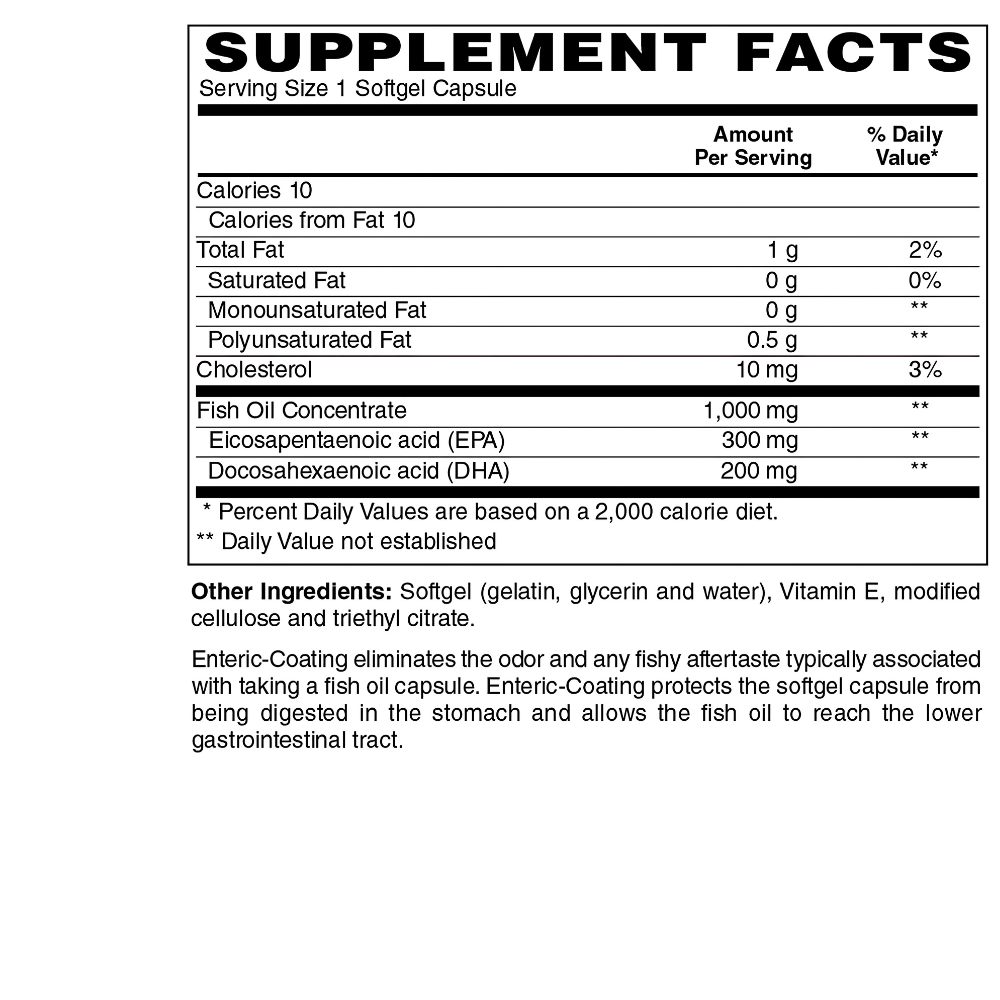
For hunger-signal support: Super Omega-3 EPA/DHA. EPA and DHA may help support a balanced inflammatory response, which matters here because the environment around your hunger-signaling systems affects how well those signals work. Supporting it helps maintain the accuracy of the fullness cues that a plateau tends to blunt. Look for marine-source EPA and DHA.
How to take: 2 softgels daily with your largest meal. If you take blood-thinning medication, discuss omega-3 at this dose with your healthcare provider.
Which combination makes sense for you depends on your symptoms, your medications, and your goals, exactly what the free assessment helps you sort out.
Food and Daily Habits: Working Smarter, Not Harder
How to get past GLP-1 plateau

At a plateau, the temptation is to work harder. The better move is to work smarter, to double down on the fundamentals rather than pile on restriction.
Hold your protein, don't cut it. When the scale stalls, many people's instinct is to eat less across the board, which usually means less protein, exactly when protecting muscle matters most. Keep protein steady throughout your meals. Muscle is metabolically active tissue; losing it makes a plateau harder to break, not easier.
Prioritize sleep and stress, not just diet. This is the phase where sleep and stress stop being nice-to-haves and become part of the plan. Elevated cortisol and short sleep both work against a stalled body. Seven to nine hours of consistent sleep, and genuine attention to stress, do more here than another notch of restriction.
Keep resistance training in. Muscle is your metabolic ally at a plateau. Two or three sessions a week of loading your muscles helps preserve the tissue that keeps your metabolism from dropping further.
Don't crash-diet your way through it. Slashing calories at a plateau often backfires, working against the very systems your body needs to move through it. Steady, adequate nutrition is what supports your body through it, not aggressive restriction.
Give it time. Plateaus are often temporary. Bodies adjust, and with the right support many people move through a stall without dramatic changes. Reacting out of frustration usually backfires; patience and consistency usually win.
What Comes Next: Phase 4
Eventually, the goal on the scale is reached, and the work changes again. Maintenance sounds passive, but it's an active phase with its own priorities: protecting the muscle, bone, heart, and brain you've been supporting all along, now for the long game. The renovation is finished; keeping the house in good repair is its own kind of work.
Find Out What Your Body Needs Today
A plateau isn't a sign to give up or push harder, it's a sign to adjust. But knowing which adjustment your body needs depends on what's actually driving your stall, which is different for different people. Our free GLP-1 Nutrition Assessment identifies your phase in about two minutes, then gives you a personalized report for exactly where you are.
And if you'd like more individualized guidance, we're here for that too. Our clinical nutrition team offers one-on-one consultations where we can review your health history and labs and build a plan that fits your life, not just your phase.
Frequently Asked Questions
Why has my weight loss stalled on Ozempic (or Wegovy or Zepbound)?
A plateau is usually your body adapting, not the medication failing. Three things tend to converge: your metabolism adjusts downward as you get smaller, months of restriction keep cortisol elevated, and leptin (your fullness hormone) drops as body fat falls, so appetite suppression feels less reliable. The answer isn't eating less, it's supporting sleep, stress, protein, and metabolism so your body can keep letting go.
Does a plateau mean my GLP-1 stopped working?
Almost never. The medication is still doing its job of reducing appetite; what's changed is your body, which now needs fewer calories and has adapted to months of loss. A stall is a normal, expected stage of GLP weight loss, not a sign the medication quit. Before assuming you need a dose change, it's worth supporting the drivers of the plateau, and any dose decision belongs with your prescribing provider.
Should I eat less or exercise more to break a plateau?
Usually neither, at least not by much. Cutting calories further tends to raise cortisol and cost you muscle, which can make a plateau harder to break. The more effective moves are holding your protein, protecting sleep, managing stress, and keeping resistance training in, supporting your body through the adaptation rather than fighting it.
How long does a GLP-1 plateau last?
It varies. Plateaus are often temporary, and with consistent support many people move through them without dramatic changes. If a stall is prolonged or you're concerned, that's a good time to talk with your prescriber or our clinical team about what might be driving it.
How do I break a GLP-1 plateau?
Usually not by eating less. It's by supporting what's driving it. Hold protein at 25 to 30 grams per meal, prioritize seven to nine hours of sleep, stay consistent with resistance training two to three times a week, and give real attention to stress. These work with your body's adaptive physiology rather than against it, which is what actually moves a stall.
When does an Ozempic plateau usually happen?
There is no specific timeline for a plateau to occur. Although common after months of consistent weight loss, some people hit a plateau at the 2-month mark, some at 3, and others at 6. This is a normal and common experience on GLP-1. Your metabolism is adjusting to your changing body, becoming more efficient as your body is smaller. This doesn't mean your medication is not working. It is much more important how you respond to the plateau when you hit one.
How do I overcome a GLP-1 plateau?
By supporting the drivers of the stall rather than fighting them. That means holding protein, protecting sleep, managing stress, and keeping resistance training in, plus targeted support for cortisol and a balanced inflammatory response where there's a reason for it. Restriction usually backfires here. Which combination makes sense for you depends on your symptoms and medications, which is exactly what our free GLP-1 assessment helps you sort out.
New to GLP-1 medications and want the basics, what GLP-1 means, how it works, and how nutrition fits at every phase? Our main guide covers it:
The Bottom Line
A plateau is one of the most discouraging moments of the GLP-1 journey, and one of the most misunderstood. It isn't failure. It's your body doing exactly what it's designed to do: adapt to months of real change.
The way through isn't to punish a body that's already working hard. It's to support the things driving the stall, your stress response, your sleep, your protein, your metabolism, and give it time.
Adjust the plan. Support what's actually happening. Let your body catch up.
The medication changes how much you eat. It doesn't change what your body still needs.
These statements have not been evaluated by the Food and Drug Administration. These products are not intended to diagnose, treat, cure, or prevent any disease. This information is educational and is not a substitute for advice from your healthcare provider.
venta


HUMANIZED NUTRITION
Pro Advanced Stress Support
No reviews
$39.17
$55.95
According to the American Institute of Stress, Americans are one of the most stressed out people groups in the world, with a stress level 20 percentage points higher than the global average. It is estimated that 55% of Americans are stressed during the day and 57% of US respondents indicated their stress is paralyzing. Chronic stress is commonplace at work with 94% of workers reporting feeling stress and 63% of US workers are ready to quit their job to avoid work-related stress. Trends and research indicate that consumers prefer natural solutions for mental challenges, as opposed to synthetic drugs. This preference is stronger when the goal is to treat psychological rather than physical conditions. For your consumers looking for natural options, Pro Advanced Stress Support offers a better solution than top national brands.
Features:
250 mg Holixer Holy Basil (Ocimum tenuiflorum) Extract
120 mg Shoden Ashwagandha (Withania somnifera) Root Extract (standardized to 35% [42mg] total withanolides)
100 mg AlphaWave L-Theanine
100 mg PharmaGABA Gamma Amino Butyric Aid
100 mg Cacao Seed (Cocoa theobroma) Extract (Standardized to 10% [10mg] Theobromine)
Contains no sugar, dairy, yeast, gluten, eggs, peanuts, soy, tree nuts, sesame, fish, shellfish, preservatives, artificial colors or flavors
Gluten Free, Non-GMO and Vegan
Benefits:
Clinically proven ingredients provide calming support for mental clarity.
Holixer Holy Basil [or, Tulsi] is an adaptogen, helping the body to physiologically attain healthful balance. It is clinically studied to support healthier cortisol levels, reduced irritability, promote calmness without drowsiness, support improved response to acute stress, and promote better sleep latency.
Shoden Ashwagandha, trademarked as the ‘World’s Most Bioactive Ashwagandha’, delivers 7X the concentration of withanolides as KSM-66, giving high bioavailability at a lower dose. [120mg Shoden is 2.8X more potent than 300mg of KSM-66]. Clinical data supports Shoden for stress, energy, sleep, vitality, and cognitive function/focus.
AlphaWave supports healthy relaxation without drowsiness, may help reduce nervous tension, supports significant brain alpha-wave activity, limits the stimulatory effects of caffeine and adrenaline, and helps reduce the psychological and physiological responses elicited by daily stress.
PharmaGABA helps people to cope with the stress. A recent human clinical study using PharmaGABA reduced perceived stress level by more than half.
Certain studies suggest that consuming theobromine from chocolate may provide positive feelings, boost blood flow and have a mood-enhancing effect.
venta

PATHWAY
Súper Omega-3 EC
1 review
$36.04
$51.48
La cubierta entérica reduce los eructos con sabor a pescado
Super Omega-3 es destilado molecularmente para su pureza y contiene altas concentraciones de los ácidos grasos esenciales Omega-3 EPA y DHA (300 mg y 200 mg respectivamente). Los ácidos grasos Omega-3 son un nutriente de apoyo muy importante para la salud cardiovascular, así como para la salud cerebral y ocular. Cada cápsula blanda tiene una cubierta entérica para eliminar el olor y el regusto a pescado típicamente asociados con la ingesta de una cápsula de aceite de pescado. La cubierta entérica también protege las cápsulas blandas de ser digeridas en el estómago y permite que el aceite de pescado llegue al tracto gastrointestinal inferior para su absorción.
Uso sugerido: 1 cápsula blanda 2 veces al día
References
- PubMed - Physiology of the weight-loss plateau in response to diet restriction, GLP-1 receptor agonism, and bariatric surgery (Hall 2024)
- PubMed - Persistent metabolic adaptation 6 years after The Biggest Loser competition (Fothergill 2016)
- PubMed - Long-term persistence of hormonal adaptations to weight loss (Sumithran 2011, NEJM)
- PubMed - Low calorie dieting increases cortisol (Tomiyama 2010)
- PubMed - Dietary protein recommendations and the prevention of sarcopenia (Paddon-Jones 2009)
- PubMed - Changes in lean body mass with GLP-1-based therapies and mitigation strategies (Neeland 2024)
- PubMed - Aerobic or Resistance Exercise, or Both, in Dieting Obese Older Adults (Villareal 2017, NEJM)
- PubMed - Resistance Training Prevents Muscle Loss Induced by Caloric Restriction (Sardeli 2018)
- PubMed - Insufficient sleep undermines dietary efforts to reduce adiposity (Nedeltcheva 2010)
- PubMed - Understanding the Gap Between Efficacy in RCTs and Effectiveness in Real-World Use of GLP-1 RA
- PubMed - Weight Loss Pharmacotherapy: Current and Future Therapies
- NIH Office of Dietary Supplements - Omega-3 Fatty Acids
- NIH Office of Dietary Supplements - Vitamin D
- NIH Office of Dietary Supplements - Magnesium
Categories
Categories
Humanized Health - NEW!
Learn about personalized health from top experts! Check out our fascinating new shows every week, available as videos, podcasts and transcripts.:
Our Bloggers
-
 Paula Gallagher
Paula is a highly qualified and experienced nutrition counselor on the staff at Village Green.
read more.. -
 Margo Gladding
Margo's impressive knowledge base is the result of a unique blend of educational and professional experience.
read more.. -
 Dr. Neal Barnard
Dr. Barnard leads programs advocating for preventive medicine, good nutrition, and higher ethical standards in research.
read more.. -
 Dr. Joseph Pizzorno
Dr. Joseph Pizzorno, ND is a pioneer of integrative medicine and a leading authority on science-based natural medicine.
read more.. -
 Debi Silber
Debi is a registered dietitian with a master’s degree in nutrition, a personal trainer, and whole health coach.
read more..
SEE ALL OF OUR BLOGGERS
Invalid password
Enter


Learning Resources
Consultas
Farmacia/Preparación de medicamentos
Salud Humanizada
Blog de Village Green
General Information
Contáctenos
Sobre nosotros
Política de privacidad
Oportunidades de Empleo
Programa de afiliados
Stay Connected
Village Green Apothecary
5415 W Cedar Ln
Bethesda, Maryland, 20814
(301) 530-0800
Toll Free: (800) 869-9159
The information provided on this site is not intended to be a substitute for advice or treatment from a qualified physician, nor is it intended to diagnose or treat a health problem or disease. Consult your physician prior to starting any new health program or if you any questions regarding a medical condition.
© 2025 Village Green Apothecary - All Rights Reserved.
