 FREE SHIPPING! On online orders of $49+. Use code: SHIP49



Access Denied
IMPORTANT! If you’re a store owner, please make sure you have Customer accounts enabled in your Store Admin, as you have customer based locks set up with EasyLockdown app. Enable Customer Accounts
Herbal Anxiety Remedies: What Calms and What to Watch
Paula Gallagher on

Herbal anxiety remedies have been used for centuries to ease a restless mind, and modern research is finally starting to explain how some of them may actually work. Lavender, chamomile, kava, and St. John's wort all show up regularly in the conversation around herbal medicine for depression, anxiety, and insomnia. Some have real pharmacology behind them. Others carry real risks, especially alongside prescription medications. At Village Green, we can help you sort out which herbs are worth trying and which ones might interfere with medications you're already taking.
The Ancient Roots of Herbal Calm
People reached for plants to settle their nerves long before we had a clinical word for anxiety. What's new isn't the herbs themselves; it's the pharmacology finally catching up to explain why some of them work.
A 2006 systematic review of controlled clinical trials examined herbal remedies for anxiety and found some genuinely promising signals, though not every herb held up equally well under scrutiny. The takeaway is a simple one worth keeping in mind throughout this whole topic: natural doesn't mean risk-free, and it doesn't mean equally effective across the board. The details- which herb, which form, which dose- matter quite a bit.
What Herbal Remedies Help Anxiety
A handful of herbs come up again and again for a restless mind, each working through a different mechanism:
Lavender (Silexan), a standardized oral extract studied specifically for generalized anxiety
Chamomile, long used in teas, with concentrated extracts studied separately from the tea form
Lemon balm (Melissa officinalis), reviewed for its role in psychological well-being
Kava, effective for some people, but carries a real risk of liver toxicity
St. John's wort, studied for low mood, but interacts significantly with many medications
The Best-Studied Herbs for a Restless Mind

The most interesting of the group is lavender, specifically Silexan, a standardized oral lavender oil extract. Silexan has been studied for supporting calm through voltage-gated calcium channel blockade, a mechanism more similar to pregabalin than to a benzodiazepine. That's part of why it isn't heavily sedating: it may help support calm without the fogginess associated with sleep-focused sedatives.
Chamomile is the other everyday favorite. A cup of tea offers a gentle effect, but a concentrated extract behaves quite differently; the two aren't interchangeable, even though they come from the same plant.
Lemon balm has also drawn research attention: a 2024 review examined its impact on mental health as another calming herb worth considering for stress relief.
This is the nuance we come back to constantly at Village Green: concentration and dosing form change everything. A tea and a standardized extract are not the same product, even when the label lists the same herb.
Silexan is typically studied at 80mg once daily as a standardized oral lavender oil capsule. That's the whole point of the calcium channel mechanism: calm without the fog.
When Anxiety Meets Sleepless Nights
Anxiety and insomnia usually travel together; the racing mind that won't quiet down at 2 a.m. is often the same one that made the day feel heavy in the first place.
Not every calming herb is a sleep herb, though, and that distinction is a useful one. Because Silexan works more like pregabalin than a benzodiazepine, it may support daytime calm without the drowsiness some people want to avoid.
Ashwagandha is worth knowing about here too. Research has examined ashwagandha's effects on stress, along with related concerns like anxiety, depression, and insomnia. B vitamins also play a supporting role in day-to-day nervous system function; a Basic B complex can round out a calm-focused routine alongside other supports.
Herbs for Low Mood and Depression
St. John's wort is the best-known herbal name in the depression conversation, and it's also the one we caution about most at the pharmacy counter. It can contribute to serotonin syndrome when combined with other serotonergic medications, including many common antidepressants. That's not a minor footnote; it's a genuine safety issue we actively screen for whenever someone mentions taking it.
Kava carries its own real downside: kava extracts have a documented potential risk of liver toxicity, so they're not a risk-free option even when they work well for anxiety.
For a gentler approach to mood support, some people explore L-5-HTP 100mg or look at the broader gut-mood connection. Worth remembering: 5-HTP is also serotonergic, so the same interaction cautions that apply to St. John's wort apply here as well.
How to Use Herbal Medicine Safely

Herbal medicine for depression, anxiety, and insomnia can absolutely fit into a wellness routine, the key is doing it with your full medication list in front of someone who understands the interactions.
A few ground rules we share with customers:
Never combine St. John's wort with an antidepressant without pharmacist input
Skip kava if you have any liver concerns
Form should match goal. A cup of tea isn’t the same thing as a concentrated extract.
Check dosing on standardized extracts like Silexan specifically, not just the herb name on the label
Bring your full prescription list to any herbal medicine conversation
Key Takeaways
Silexan, a standardized lavender extract, may support anxiety through voltage-gated calcium channel blockade, a mechanism more like pregabalin than a benzodiazepine, which is part of why it isn't heavily sedating.
Kava extracts carry a real risk of liver toxicity and should be used cautiously.
There have been cases of serotonin syndrome reported when St. John's wort has been taken in combination with serotonergic drugs.
Concentrated chamomile extracts may act differently than a cup of chamomile tea.
Concentration and dosing form matter as much as the herb itself, talk with a pharmacist before combining any herbal remedy with a prescription medication.
Frequently Asked Questions
What herbal remedies are good for anxiety
A few come up over and over. Lavender as the standardized Silexan extract, chamomile, lemon balm, and ashwagandha all have research behind them for easing a restless mind. Which one fits you depends on your goals and, just as much, on what medications you already take. That's the conversation we love having at the counter, because the right herb for a friend may be the wrong one for you.
venta
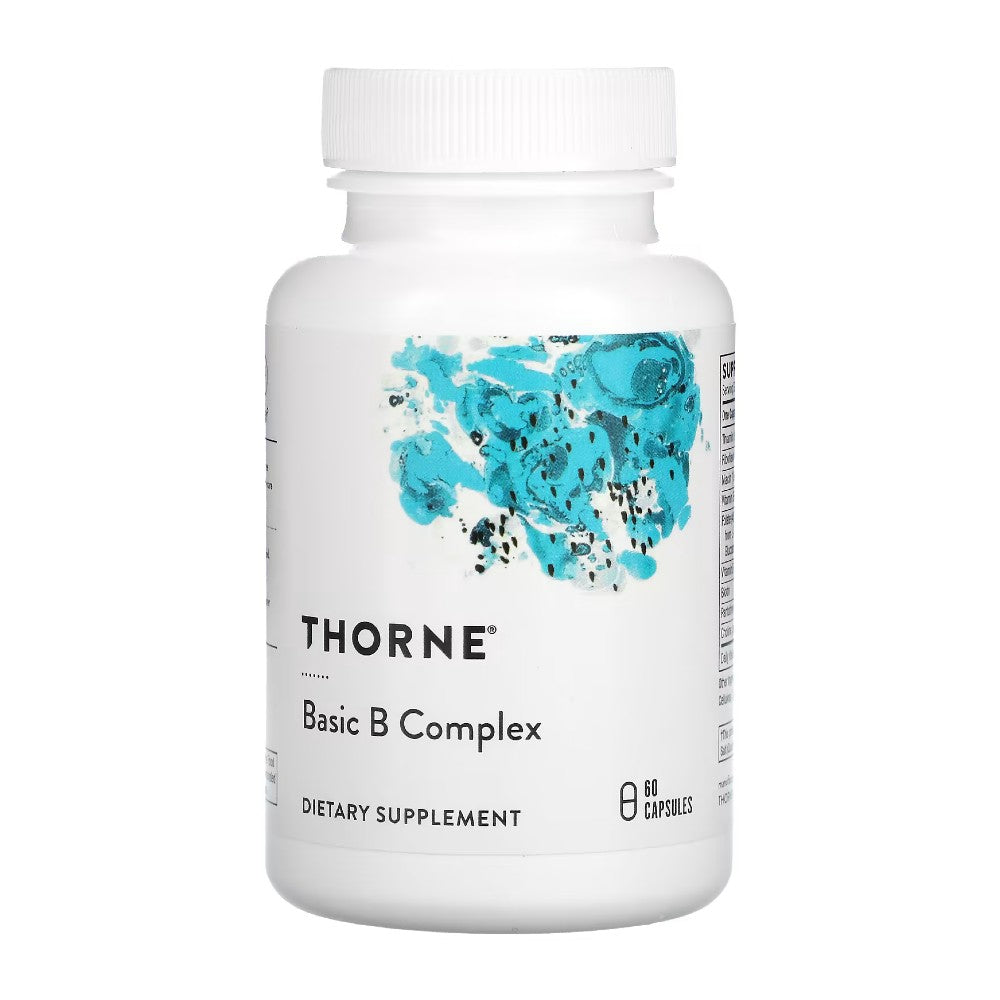
THORNE RESEARCH
Complejo B Básico
No reviews
$27.00
$27.00
Cubre lo esencial del bienestar con un complejo equilibrado de las ocho vitaminas B8 vitaminas B de fácil absorción, más colina, en una sola cápsula para una forma sencilla de promover la función neurológica y la producción de energía celular.
Detalles del complejo Basic BLa fórmula del complejo Basic B de Thorne contiene las formas activas de las vitaminas B, lo que facilita su absorción por parte del cuerpo.Esta mezcla integral proporciona múltiples beneficios para apoyar tu estilo de vida, como ayudar a convertir los alimentos en combustible y mejorar la energía celular.*Dado que la mayoría de las vitaminas B no permanecen en el cuerpo, deben obtenerse de la dieta y los suplementos para ayudar a mantener una salud óptima.*Beneficios del complejo Basic B de Thorne:
Promueve la producción de energía celular
Apoya un sistema nervioso que funciona de manera óptima y células nerviosas sanas
Las vitaminas B promueven la conversión de carbohidratos en energía y el metabolismo de grasas y proteínas
Promueve la formación saludable de glóbulos rojos
No se deriva de la levadura, a diferencia de muchos suplementos de vitamina B en el mercado
Suplementar con vitaminas B listas para el tejido es importante para todos, especialmente para las personas que no pueden convertir las vitaminas B no activas en sus formas activas.* Los factores que pueden inhibir la capacidad del cuerpo para convertir las vitaminas no activas en sus formas activas incluyen la predisposición genética, la función hepática comprometida, las enzimas que funcionan mal, las alteraciones digestivas y el envejecimiento.
venta
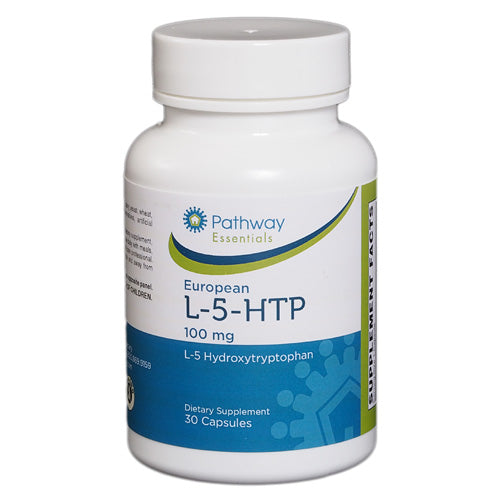
PATHWAY
L-5-Htp 100 Mg
1 review
$14.69
$20.99
Un precursor natural de la serotoninaEl L-5-HTP es un aminoácido que desempeña un papel importante en la producción de serotonina, un neurotransmisor asociado con el bienestar emocional y la regulación del ciclo del sueño. Debido a que el estrés y una dieta deficiente pueden causar una disminución de los niveles de serotonina, la suplementación con 5-HTP puede ayudar a reponerlos. Pathway L-5-HTP 100 mg también incluye importantes cofactores, vitamina C y vitamina B6, para un apoyo mejorado. Uso sugerido: 1 cápsula diaria con las comidas
References
- PubMed: Herbal remedies for anxiety - a systematic review of controlled clinical trials
- PubMed: Clinical Efficacy and Tolerability of Lemon Balm (Melissa officinalis L.) in Psychological Well-Being: A Review
- NIH National Center for Complementary and Integrative Health: St. John's Wort
- NIH National Center for Complementary and Integrative Health: Kava
- PubMed: Chamomile (Matricaria recutita) may provide antidepressant activity in anxious, depressed humans
- PubMed: Valerian
- BMC Medicine: Does the information provided with herbal products available over the counter enable safe use?
- PubMed: Pharmacological Mechanisms of Lavender Essential Oil on Central Nervous System Targets
- Pharmacological Insights Into Ashwagandha (Withania somnifera): A Review of Its Immunomodulatory and Neuroprotective Properties (2025)
Categories
Categories
Humanized Health - NEW!
Learn about personalized health from top experts! Check out our fascinating new shows every week, available as videos, podcasts and transcripts.:
Our Bloggers
-
 Paula Gallagher
Paula is a highly qualified and experienced nutrition counselor on the staff at Village Green.
read more.. -
 Margo Gladding
Margo's impressive knowledge base is the result of a unique blend of educational and professional experience.
read more.. -
 Dr. Neal Barnard
Dr. Barnard leads programs advocating for preventive medicine, good nutrition, and higher ethical standards in research.
read more.. -
 Dr. Joseph Pizzorno
Dr. Joseph Pizzorno, ND is a pioneer of integrative medicine and a leading authority on science-based natural medicine.
read more.. -
 Debi Silber
Debi is a registered dietitian with a master’s degree in nutrition, a personal trainer, and whole health coach.
read more..
SEE ALL OF OUR BLOGGERS
Invalid password
Enter


Learning Resources
Consultas
Farmacia/Preparación de medicamentos
Salud Humanizada
Blog de Village Green
General Information
Contáctenos
Sobre nosotros
Política de privacidad
Oportunidades de Empleo
Programa de afiliados
Stay Connected
Village Green Apothecary
5415 W Cedar Ln
Bethesda, Maryland, 20814
(301) 530-0800
Toll Free: (800) 869-9159
The information provided on this site is not intended to be a substitute for advice or treatment from a qualified physician, nor is it intended to diagnose or treat a health problem or disease. Consult your physician prior to starting any new health program or if you any questions regarding a medical condition.
© 2025 Village Green Apothecary - All Rights Reserved.
