 FREE SHIPPING! On online orders of $49+. Use code: SHIP49



Access Denied
IMPORTANT! If you’re a store owner, please make sure you have Customer accounts enabled in your Store Admin, as you have customer based locks set up with EasyLockdown app. Enable Customer Accounts
Protein Needs During Pregnancy: How Much You Really Need
Paula Gallagher on

A protein shortfall during pregnancy is easy to miss, because you can hit your daily calorie goals and still fall short on protein specifically. A commonly cited target is 1.2 to 1.6 grams of protein per kilogram of body weight. That range matters because protein supplies the building blocks for hormones, neurotransmitters, immune cells, and the tissues your baby is building from scratch. The good news is that closing the gap is doable with a few smart food swaps and, when helpful, a clean protein powder.
Why Protein Needs Climb During Pregnancy

Your body is building a whole person, and that takes raw material. Protein supplies the building blocks for hormones, neurotransmitters, immune cells, and much more. During pregnancy, demand climbs steadily as blood volume expands and your baby's organs form.
Here's the part that surprises a lot of expecting moms: research has looked specifically at how protein intake during pregnancy, not just overall calorie intake, relates to fetal development and long-term health outcomes for the child. In other words, it isn't only about eating enough food overall. It's specifically about eating enough protein.
Even in a lower-protein pregnancy diet, the signals sent to a growing baby continue to guide organ formation and development, and protein plays a meaningful role in shaping those signals. Research on maternal nutrition and fetal programming has found that low maternal protein intake can influence epigenetic changes in offspring related to muscle development, essentially "programming" the body toward conserving muscle mass, a biological adaptation thought to reflect the nutritional environment a baby is born into. It's a striking example of how a mother's diet can shape a child's physiology well beyond birth.
How Much Protein You Really Need

Most research recommends 1.2-1.6g of protein per kg of body weight during pregnancy.
Quick estimate: multiply your weight in kilograms by 1.2 and by 1.6 to get your personal range.
A few examples to make it concrete:
-
60 kg (about 132 lb): roughly 72–96 grams of protein daily
-
70 kg (about 154 lb): roughly 84–112 grams daily
-
80 kg (about 176 lb): roughly 96–128 grams daily
Can you get too much protein during pregnancy? For most healthy pregnancies, the goal is spreading protein intake across meals, not megadosing. Your OB or midwife can help set a target that fits your body and your labs. A lab review consultation with our team can also help you read your numbers with context.
Is Protein Powder Safe During Pregnancy?

For most healthy pregnancies, a clean protein powder can be a convenient way to close the gap between what you're eating and what your body needs. As always, clear any new supplement with your OB or midwife first.
Here's what to look for on the label:
-
Third-party tested for purity and heavy metals
-
A short, recognizable ingredient list
-
No proprietary blends hiding herbs or stimulants.
-
No added caffeine or "energy" botanicals
-
A protein source you tolerate well, such as whey or pea
Clean and Lean Protein Sources to Trust
Whole foods should come first; powders are there to fill in the gaps. Reliable protein-rich foods worth building meals around:
-
Eggs and Greek yogurt, for easy, complete protein
-
Chicken, turkey, and well-cooked lean beef
-
Fully cooked salmon and low-mercury fish
-
Lentils, beans, and tofu for plant-based options
-
Cottage cheese and chia seeds to boost protein-rich snacks
Where Collagen Fits
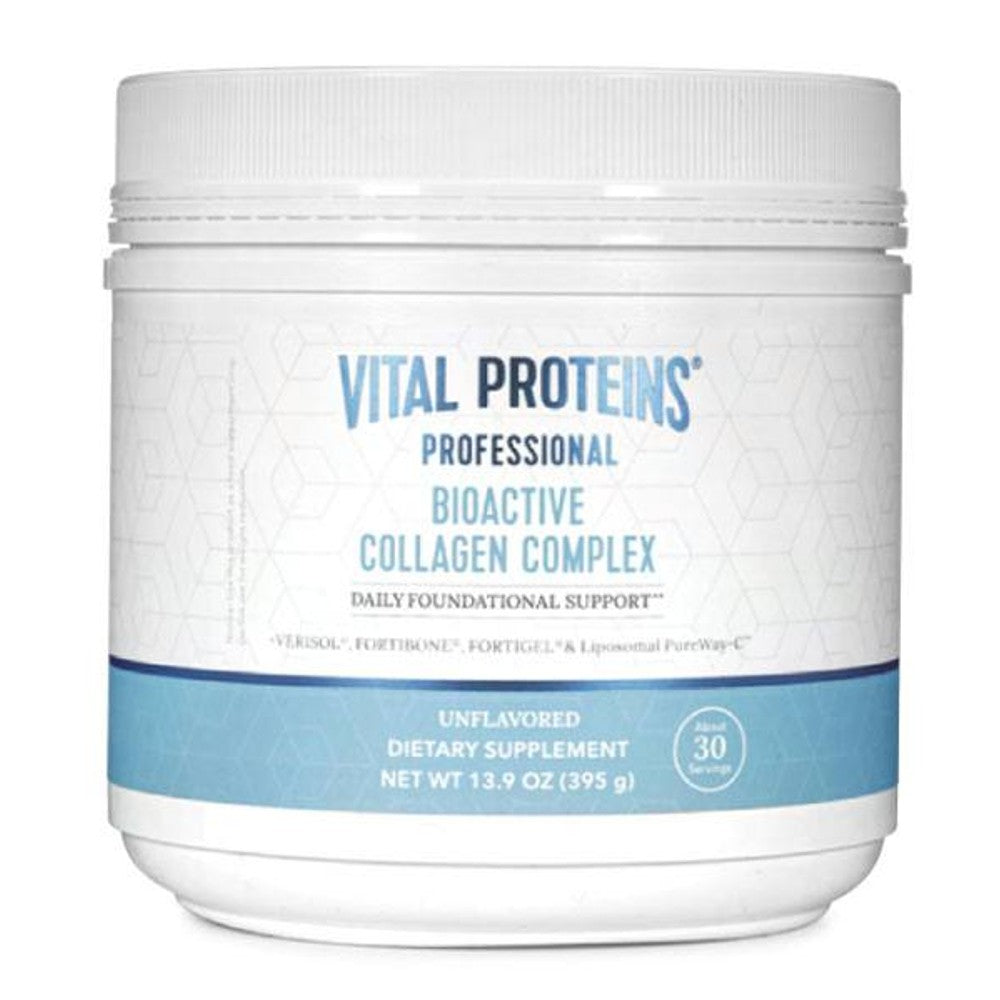
Collagen is a protein worth knowing about, but it isn't a complete protein on its own. Options like Bioactive Collagen Complex Daily Foundational Support by Vital Proteins may help support skin and connective tissue as part of a varied diet, not as your only protein source.
Whey vs. Plant Protein for Expecting Moms
Both can work well; the right choice depends on how you feel and what you tolerate.
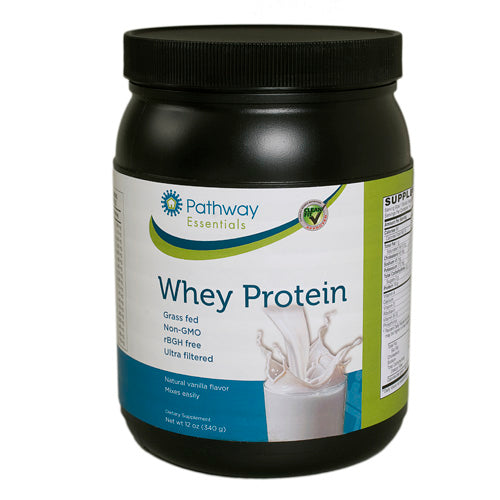
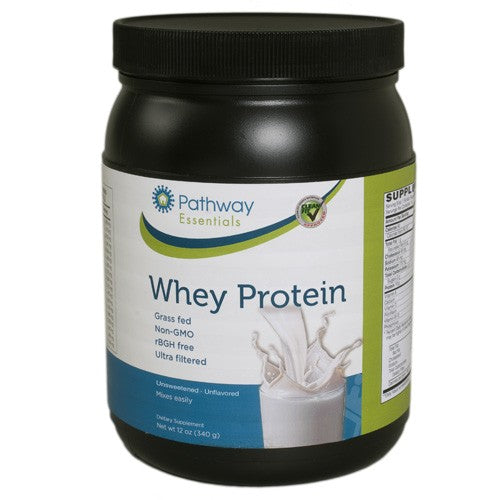
Whey is a complete protein that digests quickly. If dairy sits well with you, a simple option like Whey Protein Vanilla or Whey Protein Unflavored keeps things clean.
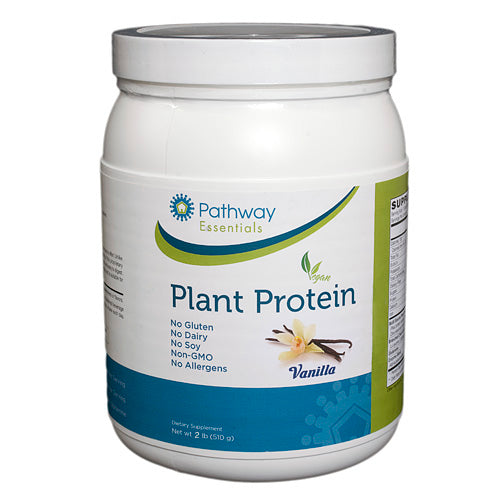
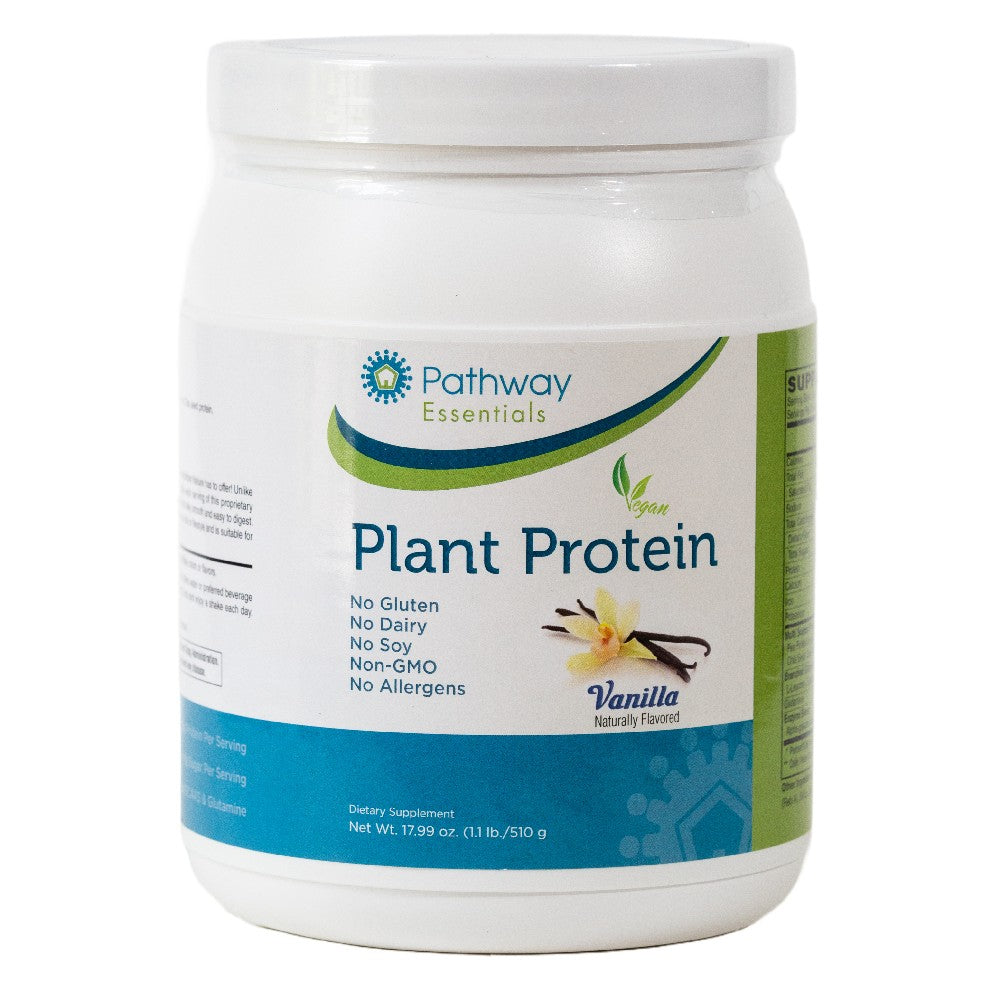
Prefer plant-based, or sensitive to dairy? Pea protein is a solid choice, and Plant Protein Vanilla offers an easy vanilla base for shakes.
One note on quality: research has also examined how dietary protein intake before and during pregnancy relates to gestational diabetes risk, one more reason to lean toward whole-food-forward protein sources and stay in touch with your provider about your overall diet.
Still, a high-protein diet built mainly from whole foods is generally the best foundation. If you do rely on powder, whey provides all nine essential amino acids in a complete profile per serving, while pea protein is slightly lower in methionine and is typically paired with rice protein to round out its amino acid profile. Both are legitimate, viable ways to help meet your daily protein goals.
Easy High-Protein Snacks and Shakes
One of the simplest ways to hit a high-protein day is to make protein the foundation of your snacks, not an afterthought:
-
Greek yogurt with chia seeds and berries
-
A vanilla protein shake blended with milk or a plant-based base
-
Cottage cheese with sliced fruit
-
Hard-boiled eggs with whole-grain crackers
-
Hummus and vegetables with a serving of peanut butter
Key Takeaways
-
A common target is 1.2 to 1.6 grams of protein per kilogram of body weight during pregnancy.
-
Protein supplies building blocks for hormones, neurotransmitters, immune cells, and fetal tissue development.
-
Maternal protein intake may influence fetal programming, including epigenetic factors related to muscle development.
-
Whey and plant proteins can both work well, look for clean, third-party tested options.
-
Always talk with your OB or midwife before adding any new supplement during pregnancy.
Frequently Asked Questions
How much protein do I need during pregnancy?
Research generally recommends 1.2 to 1.6 grams of protein per kilogram of body weight during pregnancy. For many women, that lands somewhere between 70 and 120 grams a day, though the exact number depends on your weight and stage of pregnancy. Your OB or midwife can help you set a personalized target.
What food sources of protein are safe during pregnancy?
Most whole-food proteins are safe during pregnancy: eggs, Greek yogurt, well-cooked lean meats and poultry, low-mercury cooked fish, beans, lentils, and tofu. Fully cook all animal proteins, and avoid high-mercury fish along with raw or undercooked meat, poultry, and fish. Spreading protein intake across meals throughout the day helps you consistently hit your target.
Is it safe to take a protein powder or supplement while pregnant?
For most healthy pregnancies, a clean protein powder can be a safe way to help close a protein gap, once cleared by your OB or midwife. Look for third-party testing, a short ingredient list, and no added caffeine, stimulants, or hidden herbal blends. Whey and pea proteins are both common, well-tolerated choices, best used as one part of an otherwise varied diet.
Which specific protein powder is a good fit during pregnancy?
Choose a simple, third-party tested powder that matches your tolerance. Whey Protein Vanilla or Whey Protein Unflavored work well if dairy agrees with you, while Plant Protein Vanilla is an easy dairy-free option. Skip proprietary blends and added botanicals, and confirm your choice with your prenatal provider first.
Are store-bought protein shakes and bars safe during pregnancy?
Homemade shakes made from a clean protein powder, milk or a plant base, and fruit are usually a safe, simple way to boost protein. For pre-made shakes or bars, look for a recognizable ingredient list and avoid anything with added caffeine, herbal "energy" ingredients, or unfamiliar additives — and keep an eye on added sugars or sugar alcohols if they tend to upset your stomach. As with any new product, it's worth running it by your OB or midwife.
Does collagen count toward my daily protein goal during pregnancy?
Collagen can be a helpful addition for skin and connective tissue support, but it isn't a complete protein on its own and shouldn't be relied on as your main protein source. Think of it as a supplement to a varied, protein-rich diet rather than a replacement for whole-food or complete protein sources.
venta
VITAL PROTEINS
Complejo de Colágeno Bioactivo Soporte Fundacional Diario
No reviews
$70.99
$70.99
Un suplemento diario que presenta una combinación de ingredientes clínicamente probados para promover la salud de la piel, los huesos y las articulaciones. Disponible en polvo sin sabor que se disuelve fácilmente en líquidos fríos o calientes, puede complementar convenientemente el régimen de bienestar diario de su cliente.
Reduce la aparición de líneas finas y arrugas
Aumenta la elasticidad de la piel
Mantiene una movilidad articular óptima
Aumenta la densidad mineral ósea y la formación de colágeno
Promueve la síntesis de colágeno
venta
PATHWAY
Proteína de suero de leche, sabor vainilla
No reviews
$34.49
$49.27
Proteína en polvo sin OGM
La proteína de suero contiene todos los aminoácidos esenciales en cantidades biológicamente significativas y es simplemente una de las fuentes más completas de proteínas y aminoácidos del mercado. No contiene hormonas sintéticas como la rBGH. El concentrado de proteína de suero utilizado en esta fórmula se produce a través de un proceso de ultrafiltración e intercambio iónico que produce el nivel más alto de proteínas y aminoácidos, al tiempo que conserva todos los bioactivos naturales que mejoran la inmunidad y nutren los músculos. Derivada de ganado alimentado con pasto, la proteína de suero Pathway es uno de los polvos más limpios del mercado.
Uso sugerido: 1 cucharada rasa en 8 oz. de agua, leche o jugo.
venta
PATHWAY
Proteína Vegetal Vainilla
No reviews
$71.16
$101.66
Proteína vegetal sin el sabor a proteína vegetalPathway Plant Protein es una proteína vegetal vegana en polvo de gran sabor, sin gluten, sin lácteos, sin soja, hipoalergénica y que no contiene ingredientes transgénicos. Disponible en chocolate o vainilla, este batido de proteínas proporciona 21 gramos de proteína, menos de 1 gramo de azúcar, 9 gramos de aminoácidos de cadena ramificada y glutamina, y tiene una mezcla de enzimas digestivas. Plant Protein es también una rica fuente de ácidos grasos esenciales omega 3 derivados de la semilla de chía y la semilla peruana de sacha inchi. Plant Protein es excelente tanto para niños como para adultos.Uso sugerido: Mezclar 1 cucharada rasa en 9-12 oz. de agua o bebida preferida
venta
PATHWAY
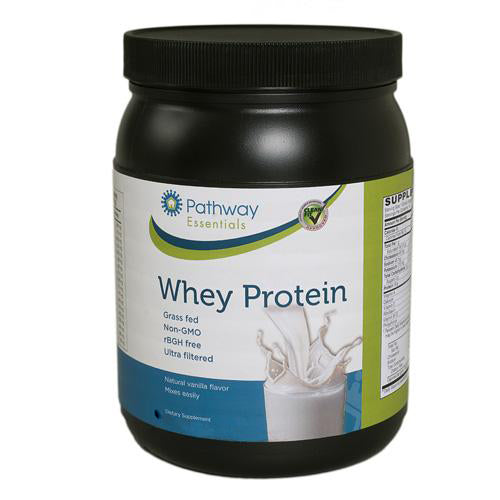
Proteína de suero de leche, sabor vainilla, grande
No reviews
$80.54
$115.05
Proteína en Polvo sin OGM
La proteína de suero contiene todos los aminoácidos esenciales en cantidades biológicamente significativas y es simplemente una de las fuentes más completas de proteínas y aminoácidos en el mercado. No contiene hormonas sintéticas como la rBGH. El concentrado de proteína de suero utilizado en esta fórmula se produce a través de un proceso de ultrafiltración e intercambio iónico que produce el nivel más alto de proteína y aminoácidos, conservando al mismo tiempo todos los bioactivos naturales que mejoran la inmunidad y nutren los músculos. Derivada de ganado alimentado con pasto, la proteína de suero Pathway es una de las proteínas en polvo más limpias del mercado.
Uso sugerido: 1 cucharada rasa en 8 oz. de agua, leche o zumo
venta
PATHWAY
Proteína de suero sin sabor
No reviews
$31.40
$44.85
Proteína en polvo sin OGMLa proteína de suero contiene todos los aminoácidos esenciales en cantidades biológicamente significativas y es simplemente una de las fuentes más completas de proteínas y aminoácidos en el mercado. No contiene hormonas sintéticas como rBGH. El concentrado de proteína de suero utilizado en esta fórmula se produce a través de un proceso de ultrafiltración de intercambio iónico que produce el nivel más alto de proteínas y aminoácidos, al tiempo que conserva todos los bioactivos naturales que mejoran el sistema inmunológico y nutren los músculos. Derivado de ganado alimentado con pasto, Pathway Whey Protein es uno de los polvos más limpios del mercado.Uso sugerido: 1 medida rasa en 8 oz. de agua, leche o zumo
venta
PATHWAY
Proteína Vegetal Vainilla
No reviews
$37.40
$53.43
Proteína vegetal sin el sabor a proteína vegetal
Pathway Plant Protein es una proteína vegana en polvo de gran sabor, sin gluten, sin lácteos, sin soja, hipoalergénica y no contiene ingredientes transgénicos. Disponible en chocolate o vainilla, este batido de proteínas proporciona 21 gramos de proteína, menos de 1 gramo de azúcar, 9 gramos de aminoácidos de cadena ramificada y glutamina, y tiene una mezcla de enzimas digestivas. Plant Protein es también una rica fuente de ácidos grasos esenciales omega 3 derivados de la semilla de chía y la semilla peruana de sacha inchi. Plant Protein es excelente tanto para niños como para adultos.Uso sugerido: Mezcle 1 cucharada rasa con 9-12 oz. de agua o su bebida preferida.
References
- PubMed: Protein and Amino Acid Requirements during Pregnancy
- PubMed: Protein, amino acid and nitrogen metabolism during pregnancy
- PubMed: Protein metabolism during pregnancy
- PubMed: Nutritional influences during pregnancy
- Institute of Medicine, Dietary Reference Intakes for Energy, Carbohydrate, Fiber, Fat, Fatty Acids, Cholesterol, Protein and Amino Acids
- MedlinePlus: Protein in Diet
- FDA: Advice About Eating Fish
- MedlinePlus: Eating Right During Pregnancy
- NIH Office of Dietary Supplements / MedlinePlus: Protein in Diet
Categories
Categories
Humanized Health - NEW!
Learn about personalized health from top experts! Check out our fascinating new shows every week, available as videos, podcasts and transcripts.:
Our Bloggers
-
 Paula Gallagher
Paula is a highly qualified and experienced nutrition counselor on the staff at Village Green.
read more.. -
 Margo Gladding
Margo's impressive knowledge base is the result of a unique blend of educational and professional experience.
read more.. -
 Dr. Neal Barnard
Dr. Barnard leads programs advocating for preventive medicine, good nutrition, and higher ethical standards in research.
read more.. -
 Dr. Joseph Pizzorno
Dr. Joseph Pizzorno, ND is a pioneer of integrative medicine and a leading authority on science-based natural medicine.
read more.. -
 Debi Silber
Debi is a registered dietitian with a master’s degree in nutrition, a personal trainer, and whole health coach.
read more..
SEE ALL OF OUR BLOGGERS
Invalid password
Enter


Learning Resources
Consultas
Farmacia/Preparación de medicamentos
Salud Humanizada
Blog de Village Green
General Information
Contáctenos
Sobre nosotros
Política de privacidad
Oportunidades de Empleo
Programa de afiliados
Stay Connected
Village Green Apothecary
5415 W Cedar Ln
Bethesda, Maryland, 20814
(301) 530-0800
Toll Free: (800) 869-9159
The information provided on this site is not intended to be a substitute for advice or treatment from a qualified physician, nor is it intended to diagnose or treat a health problem or disease. Consult your physician prior to starting any new health program or if you any questions regarding a medical condition.
© 2025 Village Green Apothecary - All Rights Reserved.
