 FREE SHIPPING! Automatically Applied on Orders Over $74!



With hundreds of natural wellness supplements on the shelf promising better energy, sleep, immunity, and digestion, how do you know what actually works? It's a fair question. Here's the honest answer we give at the pharmacy. It isn't about finding the single best supplement. It's about the right nutrient, in the right form, at the right dose, for the right person. Some have strong evidence and real value when there's a genuine gap. Others are limited, and a few simply aren't worth the money. The goal was never more supplements. It's better ones, chosen for you.
Natural Wellness Supplements: What Actually Works?
Step into any health food store or drug store and there are literally hundreds of products being marketed to you for increased energy, better sleep, stronger immunity, improved digestion, slower aging and on and on.
So how do you know what is actually worth taking?
At Village Green Apothecary, this is a question our pharmacists and nutrition professionals hear every day. The answer isn't simply choosing the "best" supplement. It's about choosing the right nutrient, in the right form, at the right dose, for the right person.
There are some supplements with solid research that can provide a benefit if you have a deficiency or particular need. There are also supplements with less research and others that are not worth spending your hard-earned money on.
The goal isn't to take more supplements. It's to take the ones that make sense for you.
What Are Natural Wellness Supplements?

Natural wellness supplements include concentrated forms of vitamins, minerals, amino acids, fatty acids, probiotics, and botanical ingredients that can complement a healthy diet and lifestyle.
They can be useful when:
Your diet doesn't provide enough of a particular nutrient
A blood test identifies a deficiency or insufficiency
Your nutritional needs are higher because of age, lifestyle, or life stage
A particular nutrient supports a specific health goal
You have difficulty absorbing or tolerating certain forms of a nutrient
Your health care provider recommends specific supplementation
Supplements aren't intended to replace a nutritious diet, exercise, adequate sleep, or appropriate medical care. Instead, they can fill specific nutritional gaps.
What Should You Look for in a Supplement?
Just because something costs more doesn’t mean it’s better. And a longer ingredient list doesn't necessarily mean a better formula.
When choosing a supplement, consider four things:
1. The form
The form in which nutrients are consumed can also affect how well they’re absorbed, tolerated, and utilized by the body.
Different types of magnesium exist, e.g., oxide, citrate, glycinate, or malate, and they’re not interchangeable due to differences in how well they’re absorbed and tolerated by the digestive tract.
Similarly, different forms of vitamin K, iron, and other nutrients can have different characteristics.
2. The dose
A supplement containing 20 ingredients isn't necessarily better than one containing three.
Look for products that clearly identify the amount of each active ingredient rather than hiding ingredients inside proprietary blends.
The dose should also make sense for your individual needs.
3. The quality of your ingredients
Ingredient quality matters. Look for reputable manufacturers, clinically studied ingredients where appropriate, clear labeling, and quality-control practices.
4. Your individual situation
The big question isn’t "what’s the best supplement?"
It's: What’s the best supplement for me?
Medications, health conditions, diet, age, laboratory results, and other supplements can all influence what is appropriate.
Supplements for Energy and Nutritional Support

Being tired is among the most frequent reasons for supplement use. However, being fatigued can be caused by poor sleep, iron deficiency, thyroid issues, high stress levels, insufficient calories or protein, and some medications or diseases.
That means taking a handful of "energy" supplements may not address the real problem.
Instead, look at the nutrients that are actually relevant to your needs.
Vitamin D
Vitamin D is a vitamin that supports bone health, muscle function, and normal immune function.
Vitamin D status is affected by sun exposure, diet, age, and other factors, which means that some individuals might need a supplement.
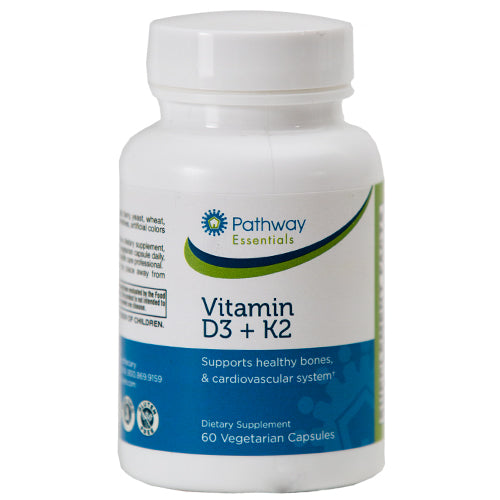
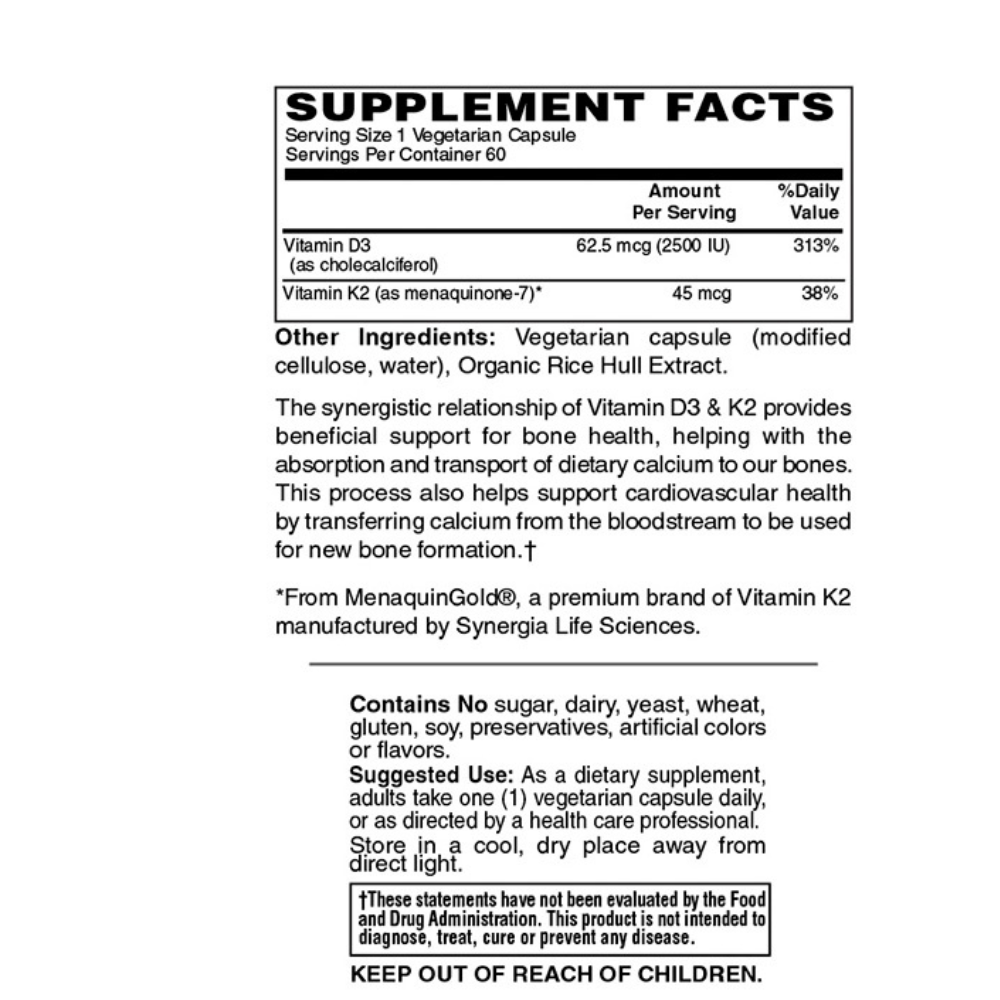
The Village Green also has Pathway Vitamin D3 + K2. The K2 in that formula helps ensure that the calcium is properly used by the body and bone health is maintained.
The appropriate vitamin D dose varies from person to person. If you're unsure about your vitamin D status, testing can provide much more useful information than guessing.
B Vitamins
B vitamins aid in energy metabolism, nervous system function and many other functions of the body.
If you have a poor diet or high nutritional requirements, a B-complex vitamin supplement can make it easy to take several B vitamins at once.
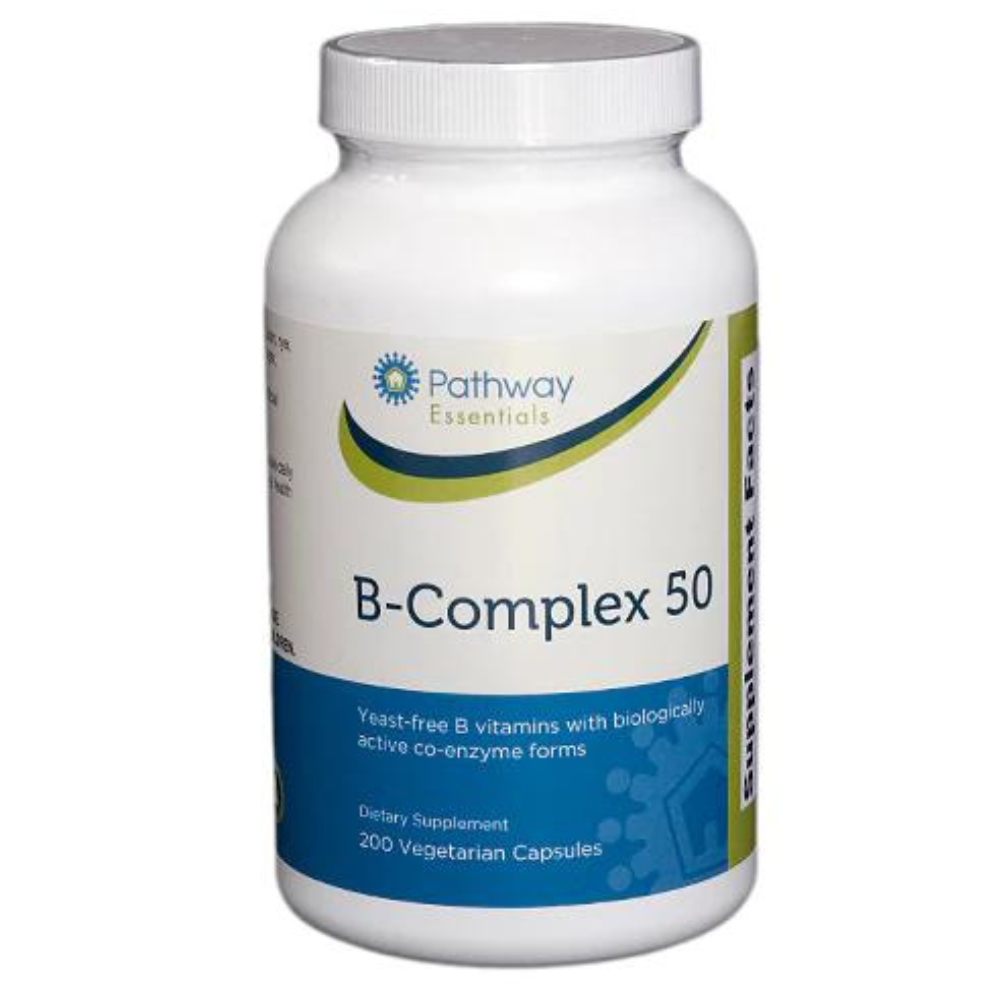
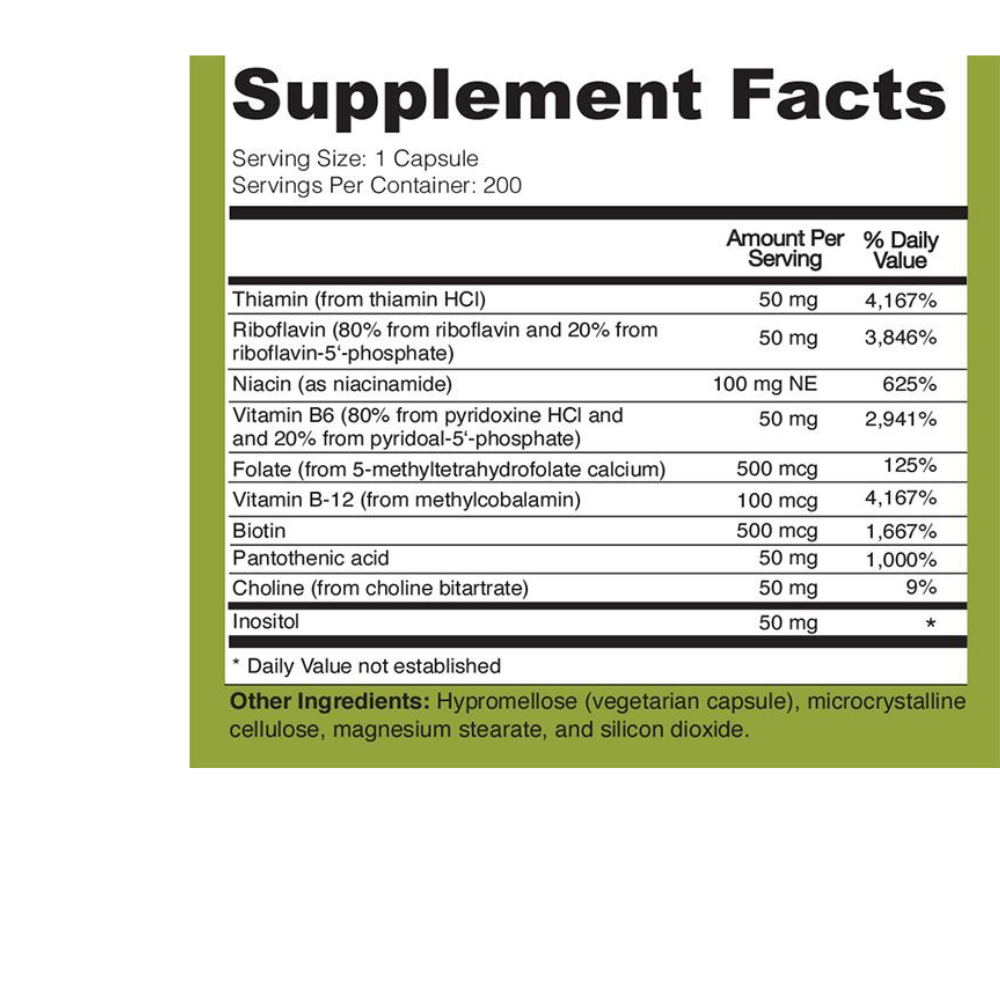
Village Green carries Pathway B-Complex as well as other professional-grade B-vitamin formulations.
However, B vitamins aren't stimulants. Taking more doesn't necessarily mean having more energy. If fatigue persists, it's worth investigating the underlying cause.
Magnesium
The mineral magnesium plays a role in more than 300 enzymatic reactions in the body. These include the following: regulation of muscle and nerve function; energy production; maintenance of normal blood pressure.
Different forms of magnesium can behave differently in the digestive tract.
Magnesium glycinate may be a good choice for those seeking a well-tolerated form that doesn’t upset the stomach like some others do.
Village Green carries several forms of magnesium, allowing our team to help you choose a formulation based on your individual needs rather than simply recommending "magnesium."
Supporting Digestive Health
Digestive health is another area where supplements can be useful, but more isn't necessarily better.
The probiotics in your supplement contain specific types of beneficial bacteria. Different strains can have different characteristics. A probiotic strain that is appropriate for one application might not be the most effective for another.
Village Green carries a variety of probiotic formulations, including Pathway 35 Billion Probiotic and higher-potency options.
Prebiotics can also be important because they provide fuel for beneficial bacteria in the digestive tract.
And sometimes the best digestive-health strategy isn't a supplement at all. Increasing dietary fibre, eating a variety of plant foods, staying hydrated, and identifying foods that don't agree with you may have a much greater impact.
But if you've got persistent bloating, abdominal pain, diarrhea, constipation, or unexplained changes in bowel habits, don't just toss a probiotic into the mix, find out why!
Supplements for Healthy Inflammation Support

We don’t want to stop inflammation altogether. Inflammation is the body’s normal response to injury or infection. What we want is for the body to have a good inflammatory response.
Nutrition plays an important role.
Foods rich in omega-3 fatty acids, colourful vegetables and fruit, nuts, seeds, legumes, and extra-virgin olive oil can all be part of an overall anti-inflammatory dietary pattern.
For those not getting sufficient dietary omega-3s, supplements might make sense.
Village Green offers several omega-3 products, including Pathway Ultra Omega-3 Mini, providing EPA and DHA in a convenient smaller softgel.
Omega-3s are particularly interesting because EPA and DHA support cardiovascular health and contribute to the normal inflammatory response.
What About Botanicals?
Botanical supplements can be valuable, but they deserve the same level of scrutiny as vitamins and minerals.
Turmeric/curcumin, ginger, boswellia, and many other herbs have also been investigated for a variety of uses.
However, "natural" doesn't automatically mean safe for everyone.
Botanicals can interact with prescription medications, affect blood clotting, influence blood pressure or blood sugar, and may not be appropriate before surgery or during certain medical conditions.
This is one of the reasons a pharmacist review is so valuable before combining multiple supplements.
When Food Is Enough
Are supplements necessary for health and wellness
Occasionally the ideal supplement recommendation is that you don’t need a supplement at all.
If your diet provides adequate amounts of a nutrient and there isn't a demonstrated need for additional supplementation, taking more may not provide an additional benefit.
Think of supplements as tools, not requirements.
A healthy foundation includes:
-
A varied, nutrient-dense diet
-
Adequate protein and fibre
-
Regular physical activity
-
Quality sleep
-
Stress management
-
Good hydration
-
Regular medical care and appropriate screening
These holistic wellness supplements may support you, but shouldn’t be relied upon to replace a solid lifestyle foundation.
Why Testing Can Change the Conversation

One of the biggest problems with supplement shopping is guessing.
For example, fatigue could be related to iron deficiency, vitamin B12 deficiency, vitamin D insufficiency, thyroid dysfunction, inadequate sleep, or something completely unrelated to nutrition.
Instead of buying several of your wellness supplements and hoping one works, testing can sometimes provide a much clearer starting point.
Village Green Apothecary offers laboratory testing and lab review consultations, allowing our team to look at your results alongside your diet, symptoms, medications, and current supplements.
That information may help you figure out what you may actually need and what you don't.
Where Village Green Apothecary Is Different
There are many places you can purchase supplements.
What makes Village Green different is the professional guidance behind the products.
As a compounding pharmacy with pharmacists and nutritionists, we have a more complete view of the ingredients that go into food.
That might mean:
-
Helping you choose between different forms of a nutrient
-
Reviewing your laboratory results
-
Checking for supplement-drug interactions
-
Considering digestive tolerance and absorption
-
Reviewing your current supplement regimen
Helping determine whether you actually need a particular nutrient
Discussing customized formulations when a standard product isn't appropriate
Sometimes the answer is a Pathway professional-grade supplement. Sometimes it's a different formulation. And sometimes the best answer is to stop taking something you don't need.
This is the difference between supplementation and a supplementation strategy.
The Bottom Line
There is no definitive list of supplements everyone needs to take.
There’s good evidence for some vitamins, minerals, fatty acids, probiotics, and botanicals for certain applications. However, whether a supplement is beneficial depends on the individual, the nutrient, the formulation, the dosage, and why they’re taking it.
At Village Green Apothecary, we believe supplements should be purposeful, not excessive.
Whether you're looking for better nutritional support, digestive health, healthy aging, or wellness supplements for men, women, and every life stage, our pharmacists and nutrition professionals can help you separate the useful from the unnecessary.
Because the goal isn't more supplements. It's better supplementation.
Frequently Asked Questions
Do wellness supplements work
It depends entirely on the nutrient, the form, and the reason you're taking it. Some do have solid research behind them. Vitamin D can be useful when blood levels are low, omega-3s deliver EPA and DHA, and certain probiotic strains have evidence for specific digestive uses. A supplement that fills a real gap tends to earn its place. One that duplicates what your diet already provides usually doesn't.
Are wellness supplements worth the hype
Some are. And some aren’t. Most of the time, though, the hype outpaces the actual research, so we end up asking the same question at Village Green: Does this fill a gap or goal that needs to be filled? If it does, at the right dosage, it’s probably worth it. If not, it probably isn’t. The label makes a big claim. Your body responds to what it needs.
What do people look for in wellness supplements
Most people look for four things, whether they name them or not: the right form for absorption, a dose that makes sense for their situation, quality ingredients from a reputable maker, and honest labeling that lists each active amount instead of hiding it in a proprietary blend. Fit for your own body matters more than any single feature. At Village Green Apothecary, our pharmacists and nutrition professionals can help you weigh all four, tailored to your needs.
How do I know which supplements I actually need?
Start with your diet, health goals, medications, and, when appropriate, laboratory testing. A pharmacist or qualified healthcare professional can help you identify potential gaps and avoid unnecessary supplementation.
Are natural supplements safe?
Are wellness supplements bad for you
Natural does not mean safe. Supplements can interact with medications. They also can cause problems when consumed in large amounts, particularly those nutrients and botanicals that influence blood pressure, blood sugar, blood clotting, or how drugs are broken down in the body.
Can I take several supplements together?
Sometimes, but it's worth reviewing the entire combination. Individual products may be safe on their own but create problems when combined or taken alongside prescription medications. A pharmacist can review your complete regimen for potential interactions and unnecessary duplication.
Does Village Green help people choose supplements?
Yes. Village Green Apothecary offers professional guidance from pharmacists and nutrition professionals, along with nutritional consultations and laboratory testing. The goal is to help you choose supplements based on your individual needs rather than simply following the latest wellness trend.
venta
PATHWAY
Vitamina D3 más K2
4 reviews
$25.59
$31.99
Promueve la salud ósea y cardiovascularCantidades óptimas de vitaminas D y K son esenciales para la salud ósea, cardiovascular e inmunológica. Estas dos vitaminas trabajan sinérgicamente al ayudar a utilizar el calcio correctamente en el cuerpo. La vitamina D es necesaria para la absorción del calcio, y la vitamina K es importante para dirigir el calcio a los huesos y alejarlo de los tejidos blandos, como los vasos sanguíneos. Tomar vitamina D y K en combinación puede proporcionar un mayor apoyo al cuerpo que tomarlas por separado. Uso Sugerido: 1 cápsula diaria
venta
PATHWAY
Complejo B 50
No reviews
$43.99
$54.99
Apoyo equilibrado, incluyendo formas de coenzimas
Las vitaminas B están involucradas en un grupo grande e importante de funciones metabólicas en el cuerpo humano. Deben ser repuestas diariamente porque son solubles en agua y, por lo tanto, no acumulan una reserva en el cuerpo. La forma más fácil y mejor de obtener lo que su cuerpo necesita es tomar un suplemento de complejo B como Pathway B-Complex 50. La fórmula de Pathway contiene el complemento completo de vitaminas del complejo B, así como formas de coenzimas. Las vitaminas B trabajan en equipo y siempre deben tomarse juntas en proporciones específicas como las que se encuentran en esta fórmula.
Uso sugerido: 1 cápsula al día con una comida
venta
PATHWAY
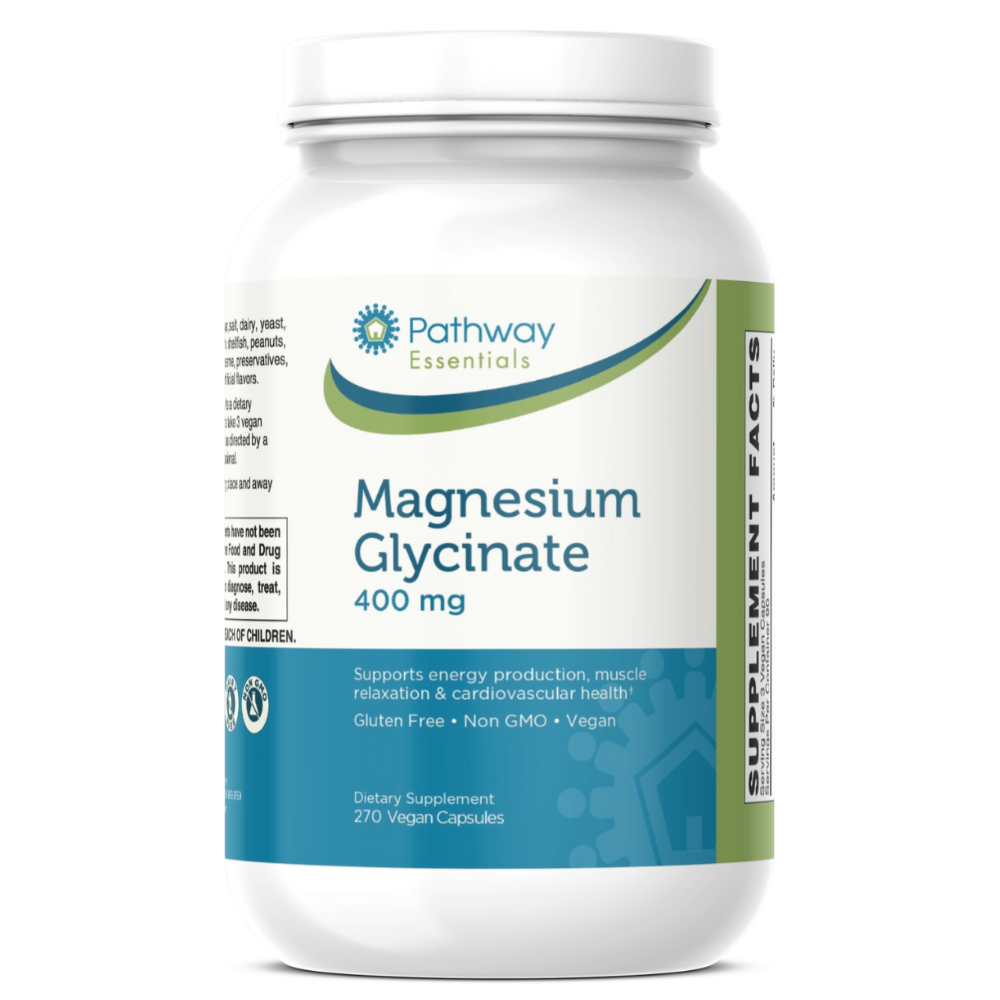
GLICINATO DE MAGNESIO 400 MG
No reviews
$48.15
$60.19
El magnesio recibe menos atención que muchos otros minerales, pero puede ser uno de los nutrientes esenciales más importantes del cuerpo. Aunque muchos nutrientes son vitales para algunos procesos biológicos, el magnesio es esencial para cientos de ellos. Es fundamental para procesos fundamentales como la síntesis de carbohidratos y proteínas, el movimiento de otros minerales a través de las membranas celulares, la producción de energía celular, la síntesis de RDA y ADN, la contracción del impulso nervioso, la contracción muscular, la regulación de la presión arterial, el mantenimiento del ritmo cardíaco normal, por nombrar solo algunos. Aunque está presente en muchos alimentos frescos y no procesados, el magnesio es deficiente en los alimentos altamente procesados que constituyen la mayor parte de la dieta de personas de todo el mundo. En ausencia de una dieta saludable, la suplementación dietética con magnesio puede ser aconsejable para asegurar una salud adecuada. El glicinato de magnesio es altamente absorbible y biodisponible y es una de las formas más eficientes de añadir magnesio a la dieta.
Características:
Absorción y biodisponibilidad superiores. La quelación con glicina cambia el pH local y mejora significativamente la absorción. El glicinato de magnesio no depende del ácido gástrico para su absorción.
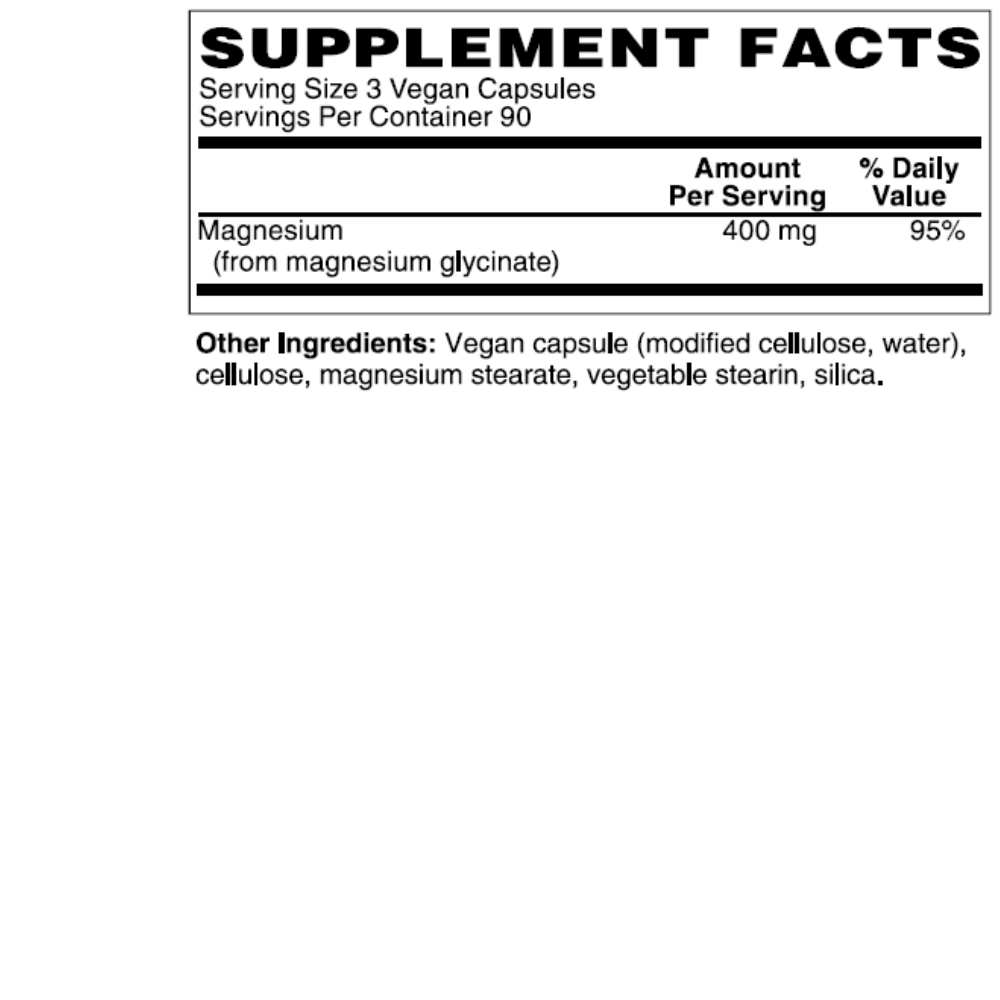
400 mg de magnesio por porción.
Sin soja ni lácteos.
Sin gluten • Sin OGM • Vegano
Beneficios:
En el estudio cardíaco de Framingham, que duró décadas, los niveles más altos de magnesio se asociaron con una probabilidad significativamente menor de calcificación de las arterias coronarias y abdominales.
Una mayor ingesta de magnesio se asocia con una reducción en la aparición de arritmias. El magnesio también se utiliza como intervención clínica en ciertos tipos de arritmias ventriculares.
Los Institutos Nacionales de Salud publicaron hallazgos que indican que los niveles más altos de magnesio en la sangre están fuertemente asociados con un menor riesgo de enfermedad cardiovascular.
El magnesio ayuda al cuerpo a responder rápidamente al estrés y ayuda a darle al cuerpo una profunda sensación de relajación.
El magnesio es fundamental para la relajación de los músculos lisos, incluidos los que se encuentran en los vasos sanguíneos.
Una mayor ingesta de magnesio se asocia con un menor riesgo de aterosclerosis.
Las reducciones en los niveles de magnesio se han relacionado con un aumento en los niveles de ansiedad.
El magnesio es esencial para mantener una presión arterial normal y saludable.
El magnesio es un cofactor en cientos de procesos enzimáticos, incluidas las actividades de hormonas, neurotransmisores y otros reguladores celulares.
El magnesio es necesario para ciertos procesos que involucran ATP, ADN y ARN.
Uso sugerido:
Como suplemento dietético, los adultos deben tomar 3 cápsulas veganas al día, o según las indicaciones de un profesional de la salud.
Instrucciones de almacenamiento:
Guardar en un lugar fresco y seco
Mantener alejado de la luz directa
MANTENER FUERA DEL ALCANCE DE LOS NIÑOS.
venta
PATHWAY
35 mil millones de probióticos
2 reviews
$74.88
$93.60
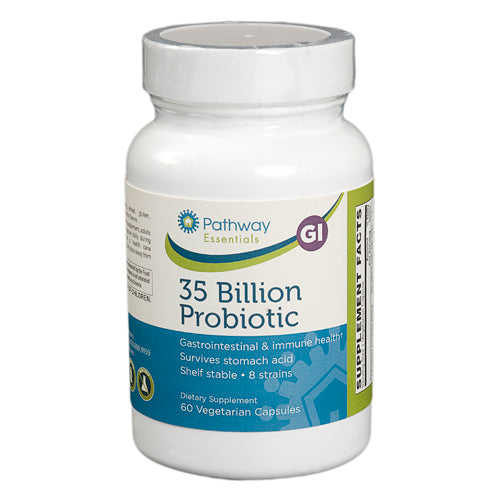
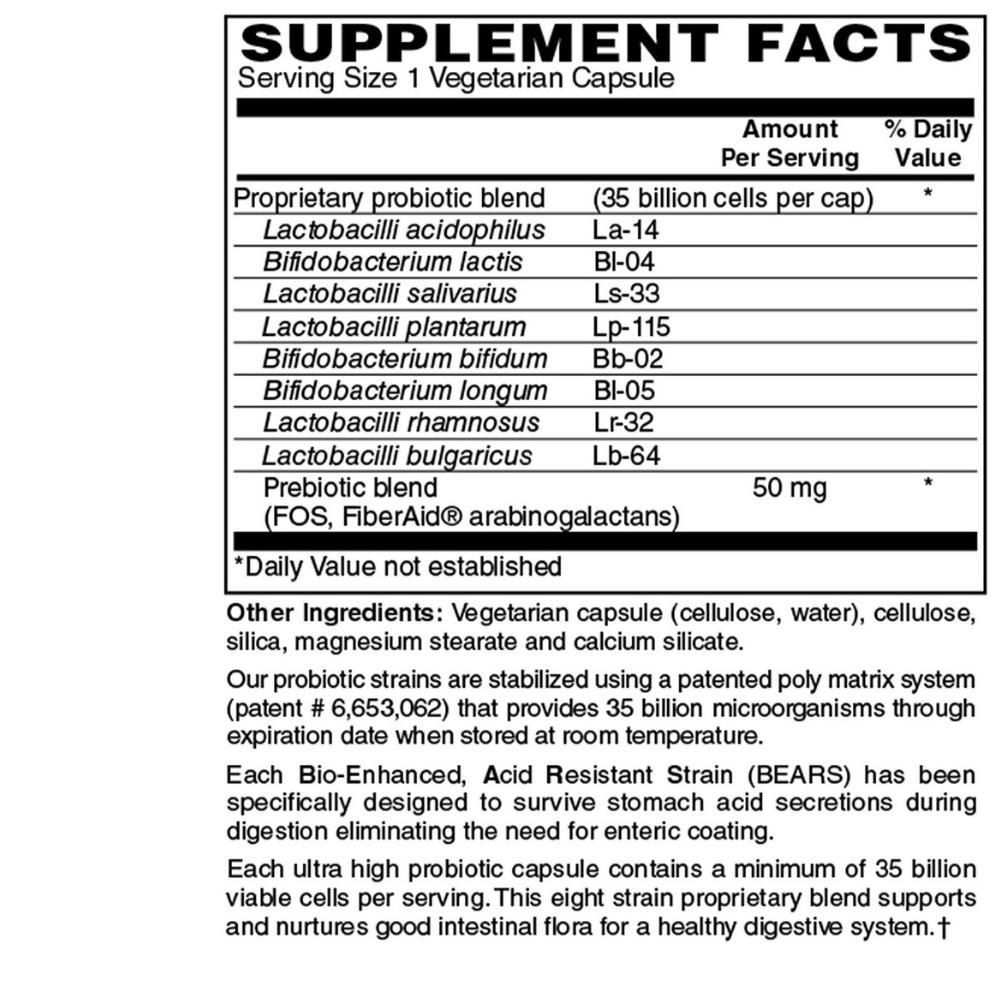
Probiótico de ultra alta potencia para un apoyo extraintestinalLas bacterias beneficiosas son fundamentales para un sistema digestivo e inmunológico saludable. Esta mezcla probiótica de alta potencia se recomienda cuando se necesita apoyo avanzado debido al uso de antibióticos, viajes o problemas digestivos. Pathway 35 Billion Probiotic presenta 8 cepas de bacterias beneficiosas que están estabilizadas para que no sea necesaria la refrigeración. Además, las bacterias están diseñadas para sobrevivir a los ácidos estomacales para que puedan funcionar eficazmente en su intestino.Uso sugerido: 1 cápsula durante las comidas
References
- NIH Office of Dietary Supplements - Vitamin D Fact Sheet for Health Professionals
- NIH Office of Dietary Supplements - Magnesium Fact Sheet for Health Professionals
- NIH Office of Dietary Supplements - Thiamin Fact Sheet for Health Professionals
- NIH Office of Dietary Supplements - Omega-3 Fatty Acids Fact Sheet for Health Professionals
- NIH Office of Dietary Supplements - Probiotics Fact Sheet for Health Professionals
- Dietary Supplements: Regulatory Challenges and Research Resources (PubMed, 2018)
- Diet and Mental Health (PubMed, 2021)
- ISSN exercise & sports nutrition review update: research & recommendations (PubMed, 2018)
- Melatonin Natural Health Products and Supplements: Significant Variability of Melatonin Content (PubMed, 2017)
Categories
Categories
Humanized Health - NEW!
Learn about personalized health from top experts! Check out our fascinating new shows every week, available as videos, podcasts and transcripts.:
Our Bloggers
-
 Paula Gallagher
Paula is a highly qualified and experienced nutrition counselor on the staff at Village Green.
read more.. -
 Margo Gladding
Margo's impressive knowledge base is the result of a unique blend of educational and professional experience.
read more.. -
 Dr. Neal Barnard
Dr. Barnard leads programs advocating for preventive medicine, good nutrition, and higher ethical standards in research.
read more.. -
 Dr. Joseph Pizzorno
Dr. Joseph Pizzorno, ND is a pioneer of integrative medicine and a leading authority on science-based natural medicine.
read more.. -
 Debi Silber
Debi is a registered dietitian with a master’s degree in nutrition, a personal trainer, and whole health coach.
read more..
SEE ALL OF OUR BLOGGERS
Invalid password
Enter


Learning Resources
Consultas
Farmacia/Preparación de medicamentos
Salud Humanizada
Blog de Village Green
General Information
Contáctenos
Sobre nosotros
Política de privacidad
Oportunidades de Empleo
Programa de afiliados
Stay Connected
Village Green Apothecary
5415 W Cedar Ln
Bethesda, Maryland, 20814
(301) 530-0800
Toll Free: (800) 869-9159
The information provided on this site is not intended to be a substitute for advice or treatment from a qualified physician, nor is it intended to diagnose or treat a health problem or disease. Consult your physician prior to starting any new health program or if you any questions regarding a medical condition.
© 2025 Village Green Apothecary - All Rights Reserved.
