 FREE SHIPPING! Automatically Applied on Orders Over $74!



Tu dieta tiene un impacto profundo y de gran alcance en la salud mental y la función cognitiva. Para que tu cerebro funcione de manera óptima, requiere un suministro equilibrado de nutrientes esenciales. Estos nutrientes esenciales desempeñan papeles críticos en diversas funciones cerebrales, desde la construcción y reparación de células hasta la producción de neurotransmisores que regulan el estado de ánimo y la cognición. También protegen el cerebro contra el estrés oxidativo y la inflamación crónica, que están relacionados con el deterioro cognitivo y las enfermedades neurodegenerativas. Comprender la conexión fundamental entre la dieta y la salud cerebral resalta la importancia de la nutrición para mantener y mejorar el rendimiento cognitivo y la salud mental a lo largo de la vida.
La conexión cerebro-intestino
Un área de investigación fascinante es el eje intestino-cerebro, una compleja red de comunicación que une el tracto gastrointestinal y el cerebro. Esta conexión es facilitada por el nervio vago, las vías hormonales y, lo que es importante, la microbiota intestinal, los billones de bacterias que residen en nuestros intestinos. Estos microbios desempeñan un papel crucial en la producción de neurotransmisores como la serotonina, que regula el estado de ánimo y la función cognitiva.
Una dieta rica en alimentos procesados, azúcar y grasas poco saludables puede alterar el equilibrio de las bacterias intestinales, lo que lleva a la inflamación y a un mayor riesgo de trastornos de salud mental, como la ansiedad y la depresión. Por el contrario, una dieta rica en fibra, frutas, verduras, proteínas magras y grasas saludables apoya un microbioma intestinal sano, promoviendo una mejor salud mental.
Nutrientes críticos para la salud cerebral
Las vitaminas, los minerales y los aminoácidos son esenciales para una salud cerebral óptima. Construyen tu cerebro, permiten una función cerebral saludable, producen energía, mantienen tus genes sanos, combaten la inflamación y te protegen de las toxinas. Los nutrientes también son bloques de construcción fundamentales para la producción de neurotransmisores y el apoyo al proceso de metilación.
Estos son algunos nutrientes clave que se ha demostrado que son particularmente beneficiosos para el cerebro y la función cognitiva:
venta
PATHWAY
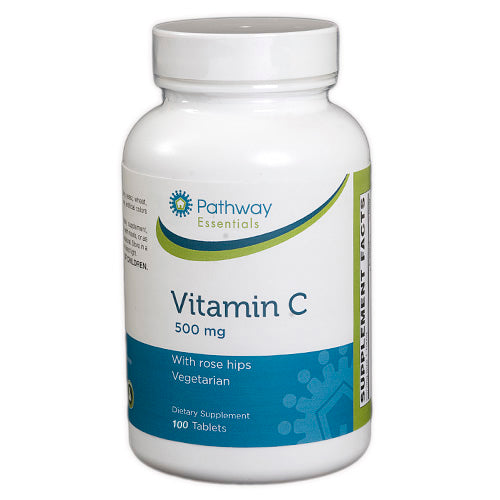
Vitamina C 500 mg con escaramujo
2 reviews
$11.55
$16.50
Con escaramujoLa vitamina C (ácido ascórbico) es un antioxidante importante, pero como es hidrosoluble, su cuerpo no puede almacenarla, por lo que necesita obtener suficiente cada día. La vitamina C es esencial para las funciones básicas de construcción del cuerpo y la prevención de enfermedades, y es necesaria para el crecimiento y la reparación de los tejidos en todas las partes del cuerpo. La suplementación con vitamina C es especialmente importante cuando se está bajo estrés físico y emocional.Uso sugerido: 1-3 comprimidos al día
venta
PATHWAY
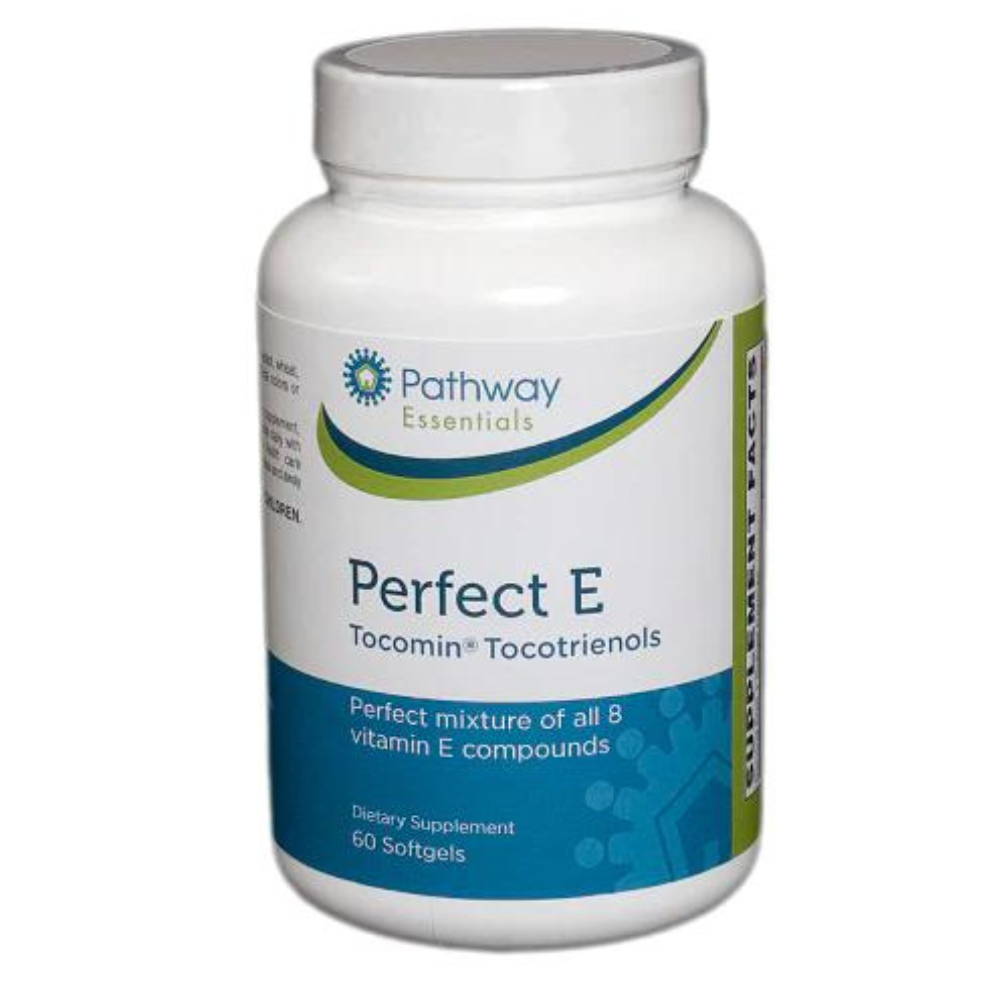
Perfecto
2 reviews
$55.15
$78.78
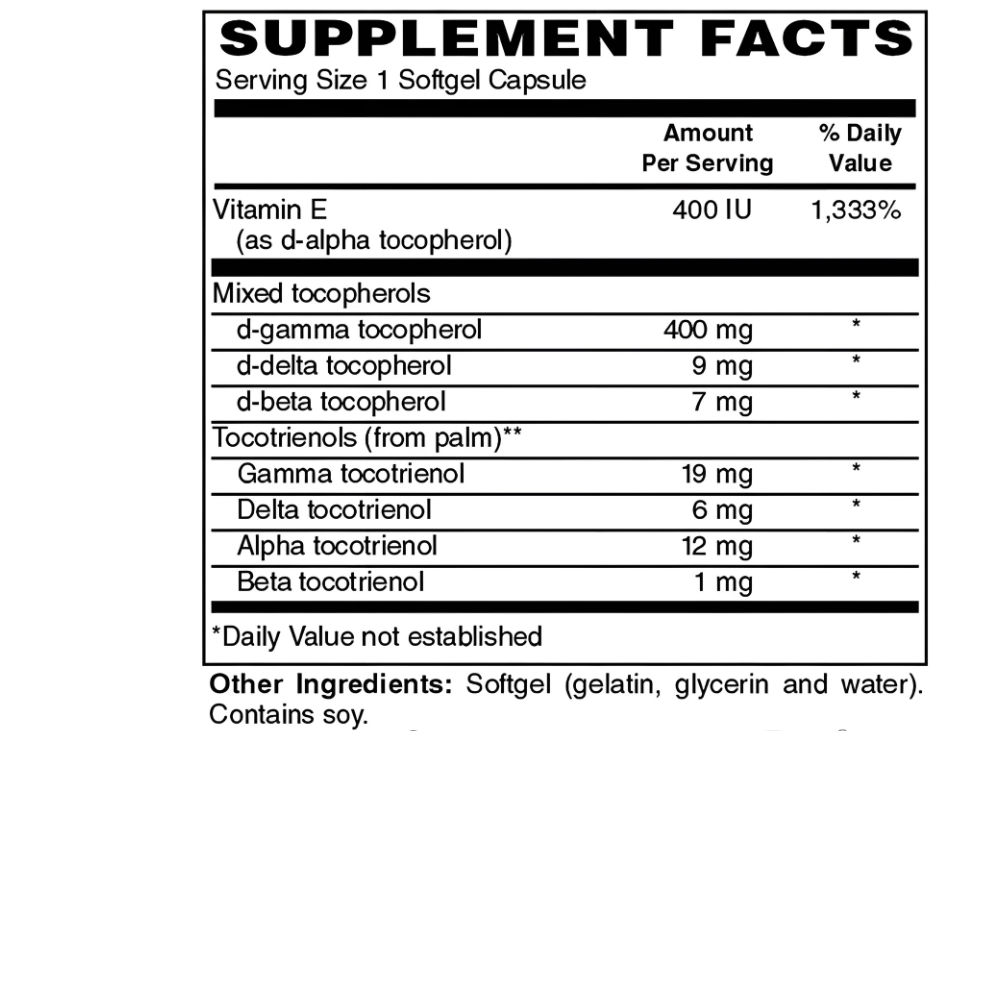
La mezcla perfecta de los 8 compuestos de Vitamina EPerfect E contiene los 8 compuestos de la Vitamina E, incluyendo tocoferoles gamma adicionales y tocotrienoles de palma (Tocomin). Esto convierte a Perfect E en uno de los productos de Vitamina E más completos disponibles. Proporciona un excelente apoyo antioxidante para una función inmunológica adecuada, y para la salud cerebral, de la piel, ocular y cardiovascular.Uso sugerido: 1 cápsula blanda diaria con las comidas
venta
PATHWAY
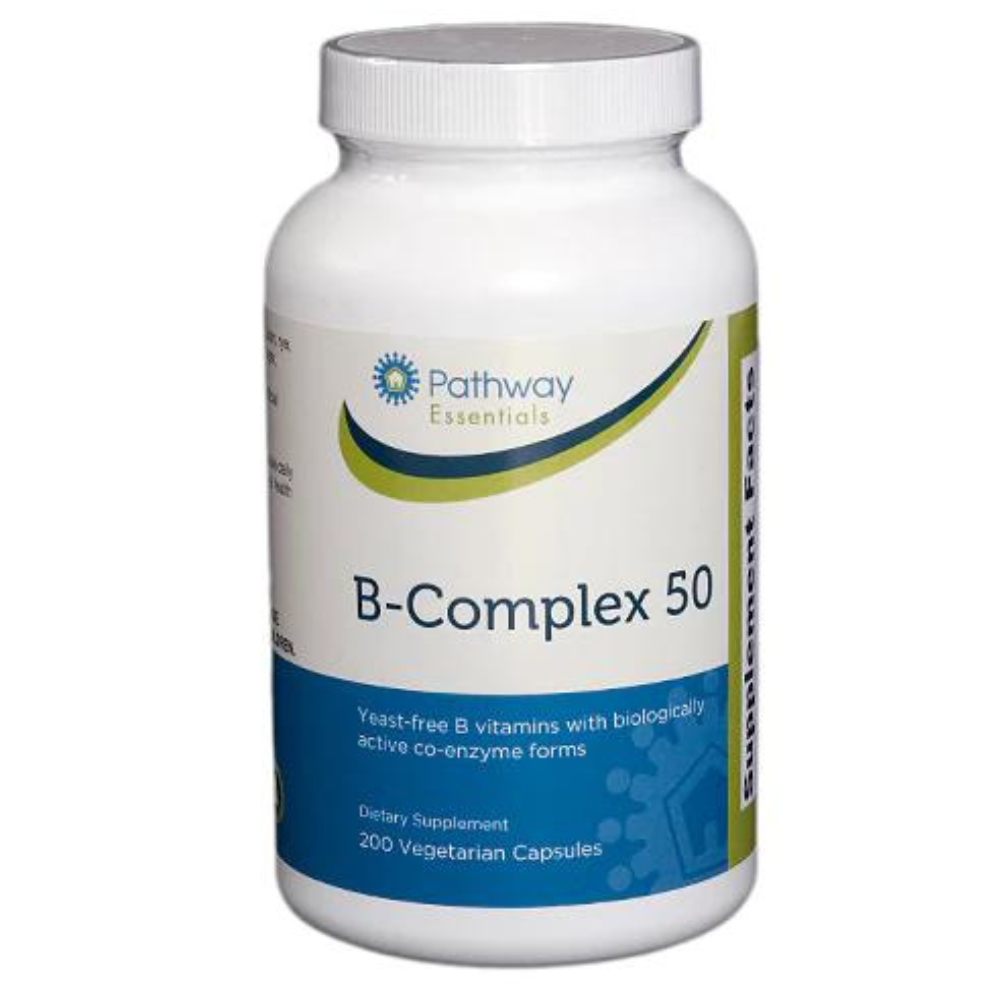
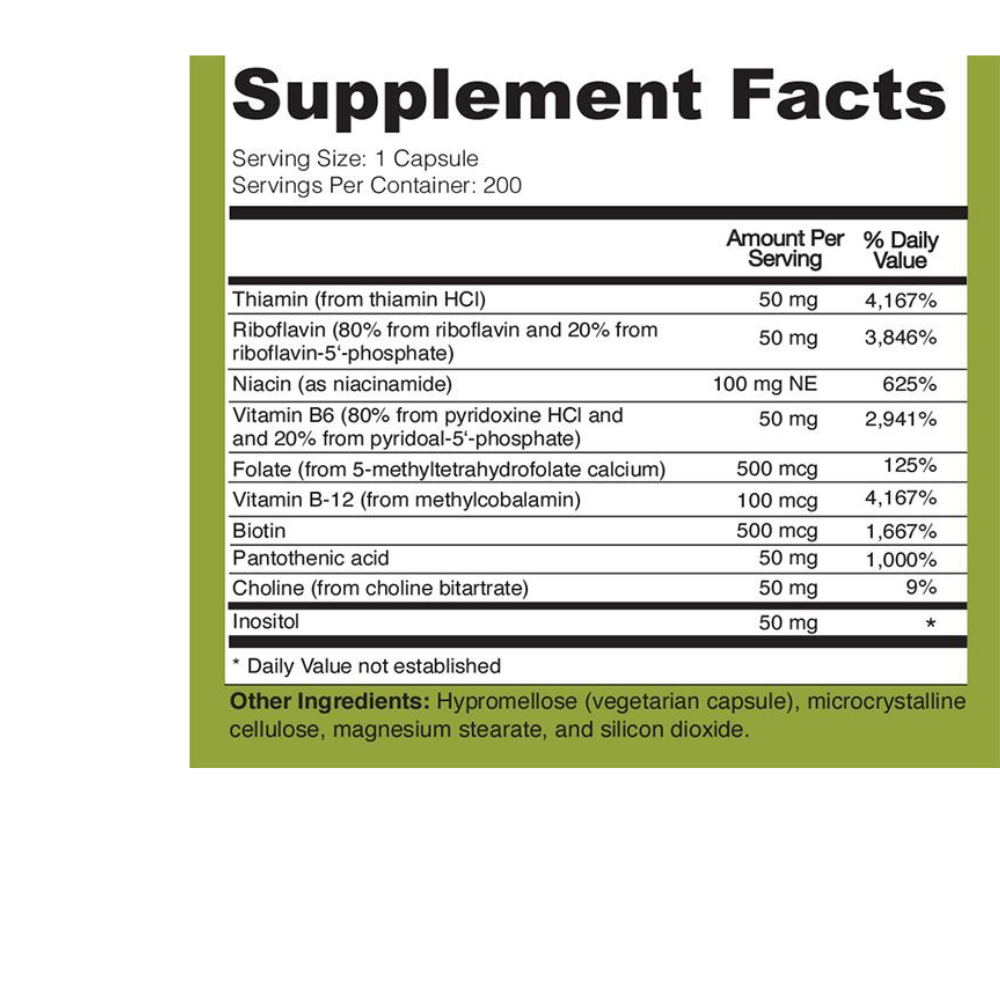
Complejo B 50
No reviews
$38.49
$54.99
Apoyo equilibrado, incluyendo formas de coenzimas
Las vitaminas B están involucradas en un grupo grande e importante de funciones metabólicas en el cuerpo humano. Deben ser repuestas diariamente porque son solubles en agua y, por lo tanto, no acumulan una reserva en el cuerpo. La forma más fácil y mejor de obtener lo que su cuerpo necesita es tomar un suplemento de complejo B como Pathway B-Complex 50. La fórmula de Pathway contiene el complemento completo de vitaminas del complejo B, así como formas de coenzimas. Las vitaminas B trabajan en equipo y siempre deben tomarse juntas en proporciones específicas como las que se encuentran en esta fórmula.
Uso sugerido: 1 cápsula al día con una comida
- Antioxidants: Vitamins C and E, selenium, and flavonoids have been linked to improved cognitive function and a reduced risk of neurodegenerative diseases. Foodsrich in antioxidants, such as berries, dark chocolate, and leafy greens, help combat oxidative stress, which can damage brain cells.
- B Vitamins: B vitamins, particularly B6, B12, and folate, are vital for brain health. They help produce and regulate neurotransmitters and can improve mood and cognitive function. Sources include whole grains, eggs, leafy greens, and legumes.
- Magnesium: This important mineral supports nerve function and plays a fundamental
role in numerous biochemical pathways. Magnesium-rich foods include nuts, seeds, whole grains, and leafy green vegetables. - Omega-3 Fatty Acids: These healthy fats help build cell membranes in the brain and have anti-inflammatory properties. Studies have shown that omega-3s can improve symptoms of depression and anxiety and enhance cognitive functions such as memory and learning. Omega-3s are found in fatty fish (like salmon and mackerel), flaxseeds, and walnuts.
- Probiotics and Prebiotics: A healthy and diverse gut microbiome is closely linked to brain health and mood regulation. Feeding your microbes with prebiotics (non-digestible fiber found in many plant foods) promotes a healthy gut microbiome. Probiotics are found in fermented foods like yogurt, kefir, and sauerkraut, while prebiotics are found in foods like garlic, onions, and bananas.
venta
PATHWAY
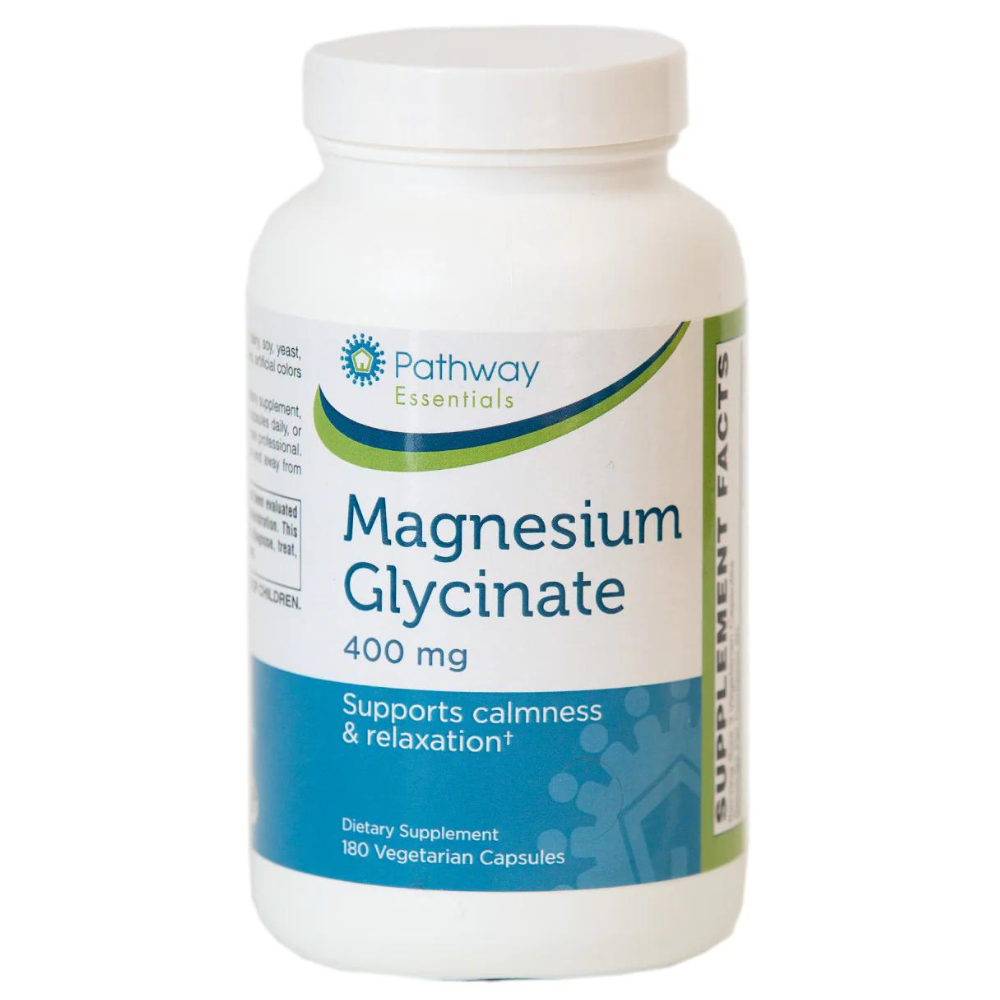
Glicinato de Magnesio 400Mg
1 review
$32.89
$46.99
Magnesio altamente absorbible
El magnesio desempeña un papel esencial en cientos de reacciones celulares en el cuerpo y se considera uno de los minerales más importantes. En EE. UU., la deficiencia de magnesio es común y puede ser resultado del agotamiento del suelo, problemas digestivos, enfermedades crónicas y el uso de medicamentos. Los síntomas de la deficiencia de magnesio incluyen calambres en las piernas, insomnio, dolor muscular, ansiedad, presión arterial alta, desequilibrios del azúcar en la sangre, fatiga, migrañas y osteoporosis. El Glicinato de Magnesio de Pathway es una forma quelada de magnesio que proporciona altos niveles de absorción y biodisponibilidad, y es una recomendación ideal para personas que desean corregir una deficiencia de magnesio.
Uso sugerido: 3 cápsulas al día
venta
PATHWAY
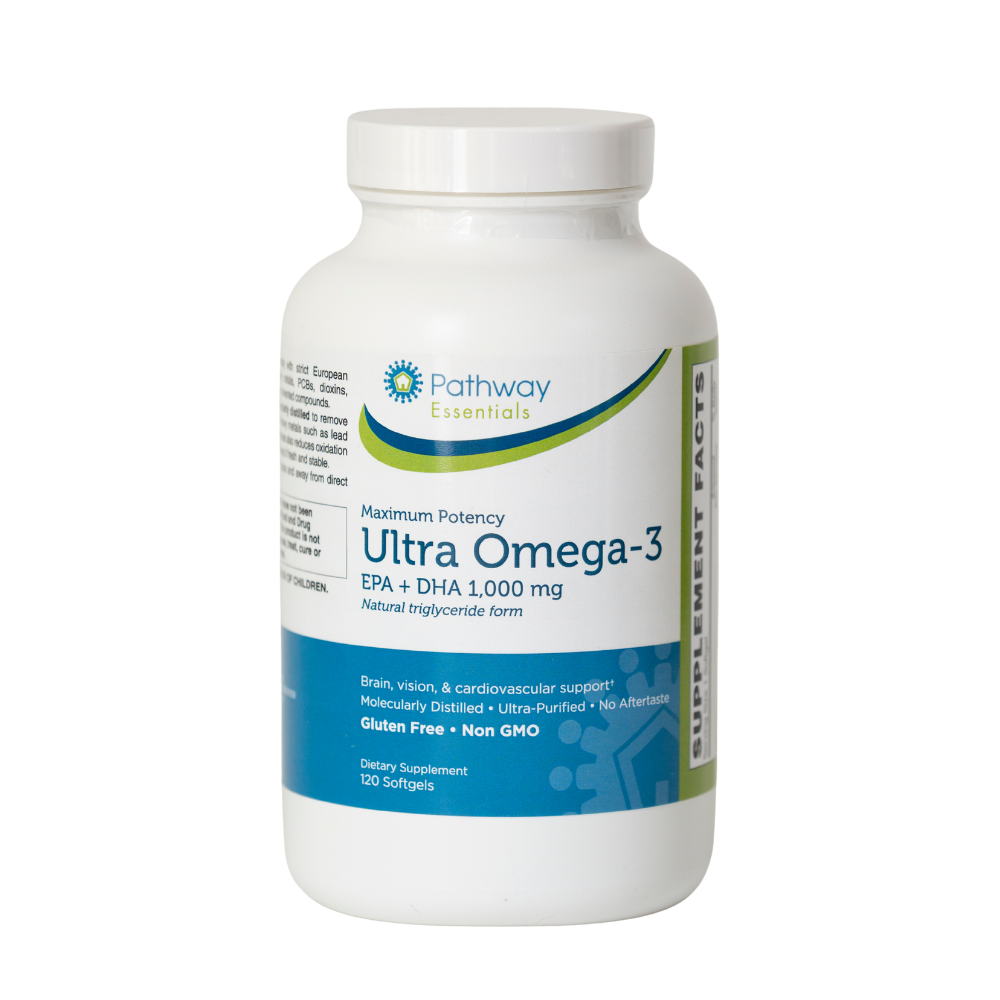
Ultra Omega-3
No reviews
$61.79
$88.27
Los beneficios para la salud de las grasas Omega-3 en dosis altas procedentes del aceite de pescado están bien documentados en la literatura científica. Numerosos estudios demuestran los beneficios de las grasas Omega-3, EPA y DHA. El DHA es importante para la estructura y función de las membranas celulares, particularmente las del sistema nervioso. El DHA es crítico para la estructura y función cerebral normal y saludable.† El EPA se encuentra en pequeñas cantidades en el cerebro, pero es necesario para numerosas funciones reguladoras en todo el cuerpo. El EPA ayuda a mantener una respuesta inflamatoria saludable y una función cardiovascular óptima.† Los beneficios cardiovasculares de las dosis altas de Omega-3 incluyen la capacidad de mantener un latido cardíaco normal y saludable, una coagulación sanguínea normal, así como niveles saludables de triglicéridos en la sangre.Características
Una sola cápsula blanda bovina proporciona 1250 mg de concentrado de aceite de pescado molecularmente destilado en forma de triglicéridos naturales.
1063 mg de ácidos grasos Omega 3 totales, que contienen 687 mg de ácido eicosapentaenoico (EPA) y 313 mg de ácido docosahexaenoico (DHA).
El aceite de pescado Ultra Omega 3 es molecularmente destilado para eliminar posibles contaminantes: muy limpio y puro, libre de subproductos de pescado, sin regusto.
Pescado de agua fría capturado en la naturaleza (anchoa, sardina, caballa) de origen sostenible.
El aceite de pescado Ultra Omega 3 se somete a pruebas exhaustivas para cumplir con los estándares europeos y Prop65 más estrictos para metales pesados, PCB, dioxinas, microbios, pesticidas y otros compuestos no deseados.
Beneficios
Manera conveniente y fácil de obtener una dosis alta de ácidos grasos omega-3 en forma de triglicéridos naturales.
Numerosos estudios demuestran los potentes beneficios de las grasas omega-3, en particular el EPA, para la salud cardiovascular.
El EPA tiene el potencial de regular la producción de prostaglandinas que tienen un efecto beneficioso sobre los procesos inflamatorios en el cuerpo.
El EPA ayuda a mantener una circulación sanguínea normal y saludable al ayudar a regular los procesos de coagulación sanguínea.
El EPA ayuda a mantener un metabolismo normal y saludable del colesterol y los triglicéridos.
El DHA es esencial para el desarrollo cerebral fetal e infantil normal, y apoya la función cerebral y la visión normales y saludables a lo largo de la vida.
El DHA apoya la estructura de las membranas celulares, particularmente las de las células nerviosas. La estructura de la membrana de la célula nerviosa es crítica para una función saludable del sistema nervioso, particularmente la del cerebro.
venta

PATHWAY
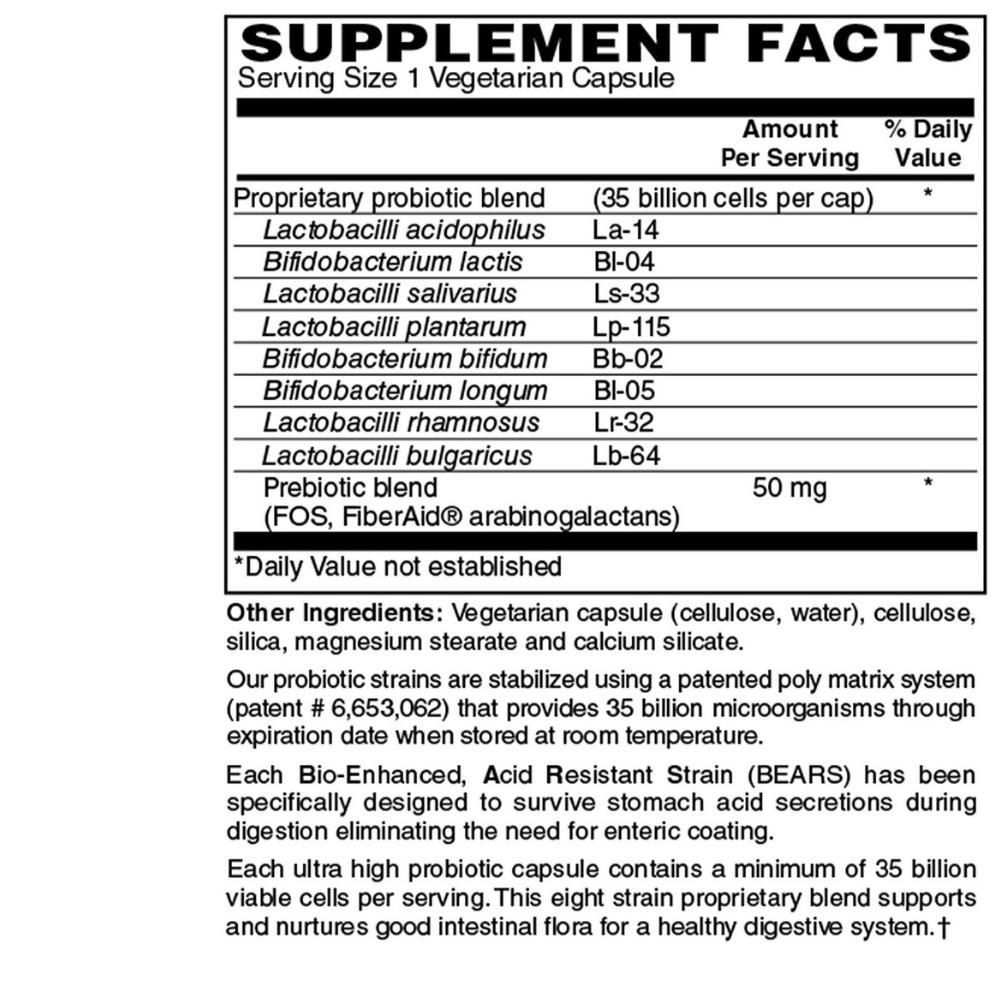
35 mil millones de probióticos
2 reviews
$65.52
$93.60
Probiótico de ultra alta potencia para un apoyo extraintestinalLas bacterias beneficiosas son fundamentales para un sistema digestivo e inmunológico saludable. Esta mezcla probiótica de alta potencia se recomienda cuando se necesita apoyo avanzado debido al uso de antibióticos, viajes o problemas digestivos. Pathway 35 Billion Probiotic presenta 8 cepas de bacterias beneficiosas que están estabilizadas para que no sea necesaria la refrigeración. Además, las bacterias están diseñadas para sobrevivir a los ácidos estomacales para que puedan funcionar eficazmente en su intestino.Uso sugerido: 1 cápsula durante las comidas
The Role of Dietary Patterns
Overall dietary patterns can also have a significant impact on brain health. For example, the Mediterranean diet, characterized by high consumption of fruits, vegetables, whole grains, lean protein (especially fish), and healthy fats (such as olive oil), has been consistently associated with better mental health and cognitive function. This diet is rich in anti-inflammatory and antioxidant compounds, supporting both brain and gut health.
In contrast, the Standard American Diet, high in processed foods, refined sugars, and unhealthy fats, has been linked to an increased risk of mental health issues and cognitive decline. This diet promotes inflammation and oxidative stress, both of which can negatively affect the brain.
Practical Tips for a Brain-Boosting Diet
- Eat a Rainbow: Incorporate a variety of colorful fruits and vegetables into your meals to ensure a broad range of antioxidants and other essential nutrients.
- Choose Whole Foods: Opt for whole grains, lean proteins, and healthy fats instead of processed and refined foods.
- Include Omega-3s: Aim to eat fatty fish at least twice a week or consider a high-quality fish oil supplement.
- Stay Hydrated: Proper hydration is crucial for cognitive function, so drink plenty of water throughout the day.
- Mind Your Gut: Include probiotic and prebiotic foods to support a healthy gut microbiome.
- Limit Sugar and Unhealthy Fats: Reduce intake of sugary snacks, soft drinks, and trans fats to minimize inflammation and support mental health.
Diet plays a critical role in shaping our mental health and cognitive abilities. By making mindful food choices and adopting a diet rich in nutrients that support brain and gut health, we can enhance our mood, improve cognitive function, and reduce the risk of mental health disorders. As research continues to unveil the intricate connections between nutrition and mental well-being, it's clear that what we eat matters just as much for our minds as it does for our bodies.
If you would like personalized guidance on how to optimize your brain health through your diet, we invite you to consult with one of Village Green’s expert nutritionists. Our team is here to help you make the best choices to enhance your cognitive function and overall mental well-being. Schedule a consultation today!
Categories
Categories
Humanized Health - NEW!
Learn about personalized health from top experts! Check out our fascinating new shows every week, available as videos, podcasts and transcripts.:
Our Bloggers
-
 Paula Gallagher
Paula is a highly qualified and experienced nutrition counselor on the staff at Village Green.
read more.. -
 Margo Gladding
Margo's impressive knowledge base is the result of a unique blend of educational and professional experience.
read more.. -
 Dr. Neal Barnard
Dr. Barnard leads programs advocating for preventive medicine, good nutrition, and higher ethical standards in research.
read more.. -
 Dr. Joseph Pizzorno
Dr. Joseph Pizzorno, ND is a pioneer of integrative medicine and a leading authority on science-based natural medicine.
read more.. -
 Debi Silber
Debi is a registered dietitian with a master’s degree in nutrition, a personal trainer, and whole health coach.
read more..
SEE ALL OF OUR BLOGGERS
Invalid password
Enter


Learning Resources
Consultas
Farmacia/Preparación de medicamentos
Salud Humanizada
Blog de Village Green
General Information
Contáctenos
Sobre nosotros
Política de privacidad
Oportunidades de Empleo
Programa de afiliados
Stay Connected
Village Green Apothecary
5415 W Cedar Ln
Bethesda, Maryland, 20814
(301) 530-0800
Toll Free: (800) 869-9159
The information provided on this site is not intended to be a substitute for advice or treatment from a qualified physician, nor is it intended to diagnose or treat a health problem or disease. Consult your physician prior to starting any new health program or if you any questions regarding a medical condition.
© 2025 Village Green Apothecary - All Rights Reserved.
