 FREE SHIPPING! Automatically Applied on Orders Over $74!



You've reached your goal, held it, and now, with your prescriber, you're thinking about coming off your medication.
Almost nobody prepares for this part. Yet this is where results are most commonly lost.
Do you gain weight after stopping Ozempic? Here's the hard truth the headlines get half-right: research shows many people regain some weight after stopping a GLP-1. But regain isn't automatic, and it isn't a personal failure when it happens. It's physiology, and physiology can be prepared for. The people who hold their results aren't the ones with more willpower. They're the ones who saw the transition coming and got ready before it started.
The timing is crucial, so I’ll state that directly here: Phase 5 takes place four to six weeks before you start reducing your dosage, rather than after your appetite returns. The time to get your home in order is while the workers are still there, not after you’ve moved out.
The medication affects how much food you consume. It does not affect what your body needs.
A Quick Refresher: The Five-Phase Framework
The GLP-1 journey is more like a home renovation. Each phase has its own priorities. Your foundation (protein, the Core 4, movement, and sleep) remains the same. It's just the targeted support your body needs right now that changes.
The base doesn’t change. The support changes as your body does.
This article covers Phase 5: Transitioning Off, maintain it on your own.
Not sure where you are? Take the Free GLP-1 Nutrition Assessment ►
What Happens When You Taper Off?
What happens after stopping Ozempic?

That drug was doing a lot of work for you over those months; slowly and invisibly, as it winds down, your body will begin relying more on its own hormones to do the job. So what happens after stopping Ozempic? Here are a few things you might expect to see happen, and being aware of these changes beforehand can go a long way toward making the process easier.
Your appetite comes back. As the medication's effect fades, ghrelin, your "I'm hungry" hormone, rebounds. Hunger you haven't felt in months can return, sometimes stronger than you remember. This is expected. It isn't a sign you're doing anything wrong; it's your body's signaling returning to baseline.
Food noise can return. Many people describe the quiet that GLP-1 medications bring, the constant background chatter about food fading away. As you taper, that noise can come back. Anticipating it means you can meet it with a plan instead of being caught off guard.
That feeling of fullness changes. You may find that a small meal, once filling, no longer leaves you satisfied. This happens as your digestive rate returns to normal. This is when you can easily fall back into old habits.
Blood sugar leans on you again. Less medicine means that maintaining steady blood sugar becomes more about what you eat, protein, fiber, and meals, and less about the medicine. Nutrition takes back some of the load that it used to be sharing.
None of that’s any reason to panic about coming off Ozempic. It’s the reason to prepare. Every single change here is completely predictable, which means every single one can be planned for, and the plan will work best if you’ve already implemented it before your taper begins.
Any decision to reduce your dose, or to stop suddenly and face the side effects of stopping Ozempic suddenly, should be made with your prescribing provider. This article is about the nutrition and lifestyle side of that transition, not a guide to changing your dose.
Your Foundation: The Core 4
The Core 4 won’t be changing in this phase, or any other phase. Quality multivitamin, Vitamin D3 with K2, a synbiotic, and magnesium. Your food intake may increase as you taper down from medication, but the Core 4 remains a solid investment because you’re building new habits and your body is adjusting. You need to keep up your nutritional habits throughout the transition period.
The base doesn’t change. The support adjusts to your body.
Phase 5 Additions: Support for the Transition

In phase 5, we introduce the next two supplements needed to navigate the process of coming off: one to maintain blood sugar control as medications wear off, and one to help re-establish a healthy appetite. Introduce these supplements 4 to 6 weeks prior to your initial dose cutback, early enough that they are fully established when your body needs them.
For blood sugar support: Humanized Nutrtion Pro Advanced Blood Sugar Support. As the medication tapers, steady blood sugar leans more on nutrition and less on the drug. A formula built around clinically studied ingredients that support healthy blood sugar balance already in the normal range can help smooth that handoff, supporting the stability the medication was helping provide, so the return to your own regulation is gradual rather than abrupt.
How to take: as directed on the product, ideally with meals. Consistency through the transition matters most. If you take medication that affects your blood sugar, check with your provider before starting.
For appetite regulation: Optimized Saffron with Satiereal. Saffron extract may help support healthy appetite regulation and a positive mood, both of which come under pressure as ghrelin rebounds and food noise returns. It's a gentle, well-tolerated tool for the exact window when your own hunger signals are coming back online and finding their footing.
How to take: as directed on the product, daily, beginning before your taper.
It’s up to you which combination works best for you depending on your experience, medication, and tapering schedule. A free assessment or consultation can help you determine what works best for you.
Food and Daily Habits That Protect Your Results

The secret to how to not gain weight after stopping Ozempic is simply this. When you’re on the medication, your lifestyle changes are there to help. But once you’re off the medication, your lifestyle changes are what’s holding everything up. And that’s good, because you’ve been practicing them for a while now. It’s time to see what happens when they have to hold everything up. That’s Phase 5.
Anchor every meal with protein, now more than ever. 25 to 30 grams per meal did its job through every phase, and it's your best defense against regain. Protein is the most satiating nutrient there is; as appetite returns, it's what helps you feel full on a reasonable amount of food rather than chasing fullness upward.
First, load up on vegetables, legumes and whole grains. These foods provide both volume and fiber which help create a sense of fullness and slow down digestion, essentially doing what the medication was doing. Making fiber and protein the foundation of your meal plan will help keep your sense of fullness high as the medication wears off.
Rebuild your hunger awareness. On meds, you might not feel hunger or fullness cues. Rebuild that. Notice when those come back. Slow down. Pause in between bites. Ask yourself if you want seconds. It’s a skill, and it’s especially important during the rebuilding phase.
Keep the movement and sleep that got you here. Resistance training maintains the muscle that keeps your metabolism stable; good sleep maintains hormone regulation of appetite. You can’t skip either now.
It's important to have a plan for the hard days. The appetite rebound happens in cycles, not a linear trajectory. Having a plan for the tough days, such as premade protein-heavy meals, going on a walk instead of eating, and checking in with your accountability partner, is what helps you push through when willpower just isn't enough.
Most importantly: do not wait for the rebound to begin your prep work. Once you feel hunger and cravings returning, it’s too late to get ahead. Set up your diet, your supplementation, and your habits BEFORE the taper. This is by far the most important factor in successfully holding your weight.
Life After Your GLP-1

Coming off the meds is not the finish line, it’s when you do it for yourself. And you’re more prepared than you know. All that work through the phases, building a solid foundation, forming a protein habit, getting strong, figuring out what your body needs. It all led to this point. The meds were the key that unlocked the door, but it’s you who steps through it and holds it open.
Some people taper off quite easily and there’s even a chance that some of them can continue losing weight for a period of time after stopping Ozempic while the appetite begins to catch up again. But others will do best with continued support, be that regular touchpoints, on-going dietary advice or having access to a team who knows their history. No one-size-fits-all, just the solution that helps keep the results yours.
Find Out What Your Body Needs Today
The process of coming off your medication is the highest risk part of the entire journey and the area that you can benefit the most from planning ahead. A good plan will depend on the way your taper is being done, your history, and your objectives. Our free GLP-1 Nutrition Assessment will determine which phase you're currently in in about 2 minutes, and provide you with a customized report for exactly where you are.
And if you need more personalized support, we can offer that as well. This is the stage where a 1-on-1 consultation comes in handy. Our clinical nutrition staff can look over your medical and lab work, and tailor a transition plan to your unique taper, not just your phase.
Frequently Asked Questions
Will I regain the weight after stopping a GLP-1?
Many people regain some, but it isn't inevitable, and it isn't a failure when it happens. As the medication tapers, appetite and food noise return and fullness changes, all of which make it easier to drift back toward old habits. The people who hold their results are the ones who prepared before the taper: protein at every meal, fiber and volume, resistance training, and support for blood sugar and appetite as they come back online.
When should I start preparing to come off my GLP-1?
Four to six weeks before your first dose decrease, not when your appetite returns. Get your nutrition, supplements, and lifestyle habits ready BEFORE the rebound begins. When and how you will taper is a decision for your prescriber, but the nutrition is on you and can begin earlier.
Why does my appetite come back so strongly after stopping?
Once the medication stops working, ghrelin, the hunger hormone, bounces back to its normal level, and the appetite suppression you got used to goes away. For a lot of people, the food noise comes back as well. This may seem extreme, but it’s normal, it’s just that your body is telling you to eat again. The key to dealing with this is having a good meal plan that includes more protein and fiber.
Can I stop my GLP-1 cold turkey?
That is up to your prescriber; do not do it yourself. Tapering is done differently by different providers and drugs. This article talks about the nutrition and lifestyle factors, the part that you can prepare for regardless of how your tapering is done, and the part that determines most of your outcome.
New to the framework, or want the basics on how nutrition fits at every phase? Our main guide covers it: The GLP-1 Nutrition Guide Nobody Gave You →
What are the side effects of stopping Ozempic suddenly?
It is important to work with your prescribing provider to understand how to taper or discontinue a medication, since the process is highly individual and medication specific. A return of appetite is common, as is food noise, as ghrelin levels rebound, digestion speeds up and fullness cues can diminish. Since medication effects can mask poor blood sugar control, your body may now be more reliant upon food choices to keep blood sugar stable. Knowing what to expect and preparing in advance will smooth out the transition process.
The Bottom Line
The hardest part of coming off GLP-1s is what you do after. The phase that no one anticipates. The phase that makes all the difference. Regain isn’t fate. It’s biology. And biology obeys instructions.
All the work you put in leading up to this point is all for now. That’s why you built the foundation, got the protein, did the training, and became aware of what your body needed. The difference between those who retain the work they’ve done and those who lose it is rarely a matter of willpower. Usually, it’s that the former group got prepared before the taper, not after.
Prepare early. Lean on your habits. Maintain it on your own.
The medicine affects how much you eat, but it does not affect what your body still needs.
These statements have not been evaluated by the Food and Drug Administration. These products are not intended to diagnose, treat, cure, or prevent any disease. This information is educational and is not a substitute for advice from your healthcare provider.
venta


HUMANIZED NUTRITION
Pro Advanced Blood Sugar Support
No reviews
$44.76
$55.95
About 4 in 10 Americans experience the effects of poor sugar control [i.e.: hyperglycemia, hypoglycemia, insulin resistance, overweight, uncontrolled cravings for sugar, starch or alcohol, etc.]. Low energy, unstable mood, weight gain, poor focus, and reduced concentration are just some of the early indicators of this plethora of sugar-induced issues. Cardiovascular disease, non-alcoholic fatty liver disease, high triglycerides, nerve issues, infections, and inflammation are just some of the long-term health effects associated with poor regulation of blood sugar. The good news is industry data shows increased consumer interest in natural ‘glucose control’, and the explosive growth in the sales of products like berberine demonstrates this preference for an effective natural solution. Pro Advanced Blood Sugar Support provides a better solution at greater value than the top national brands.Features
500 mg Chromax Chromium (as Chromium Picolinate)
500 mg Berberine HCl (from Berberis aristata)
300 mg Alpha Lipoic Acid
250 mg CinSulin Cinnamon (Cinnamomum cassia)
Contains no sugar, dairy, yeast, gluten, eggs, peanuts, soy, tree nuts, sesame, fish, shellfish, preservatives, artificial colors or flavors
Gluten Free, Non-GMO and Vegan
Benefits
Clinically studied ingredients for normal blood sugar balance and antioxidant protection
Chromax Chromium Picolinate is a highly bioavailable form of chromium supported by 35 human clinical studies affirming its benefits for glucose metabolism, insulin function, energy support, weight management, body composition, appetite control, cognitive health, and more. The superiority of Chromax over other forms of chromium can be seen in its stable chemical structure and superior absorption profile.
500 mg of Berberine HCl provides blood sugar & cardiovascular support. Studies have shown Berberine’s effectiveness in activating the enzyme adenosine monophosphate-activated protein kinase (AMPK), which supports fasting glucose levels, while also helping to reduce insulin resistance.
Studies show Alpha Lipoic Acid is essential for supporting normal, healthy blood sugar levels and healthy insulin function.
Alpha Lipoic Acid has been shown in numerous studies to help support normal, healthy nerve function.
CinSulin, a water extract of cinnamon, has been studied in six human clinical trials and a meta-analysis to prove its effectiveness and safety.
venta
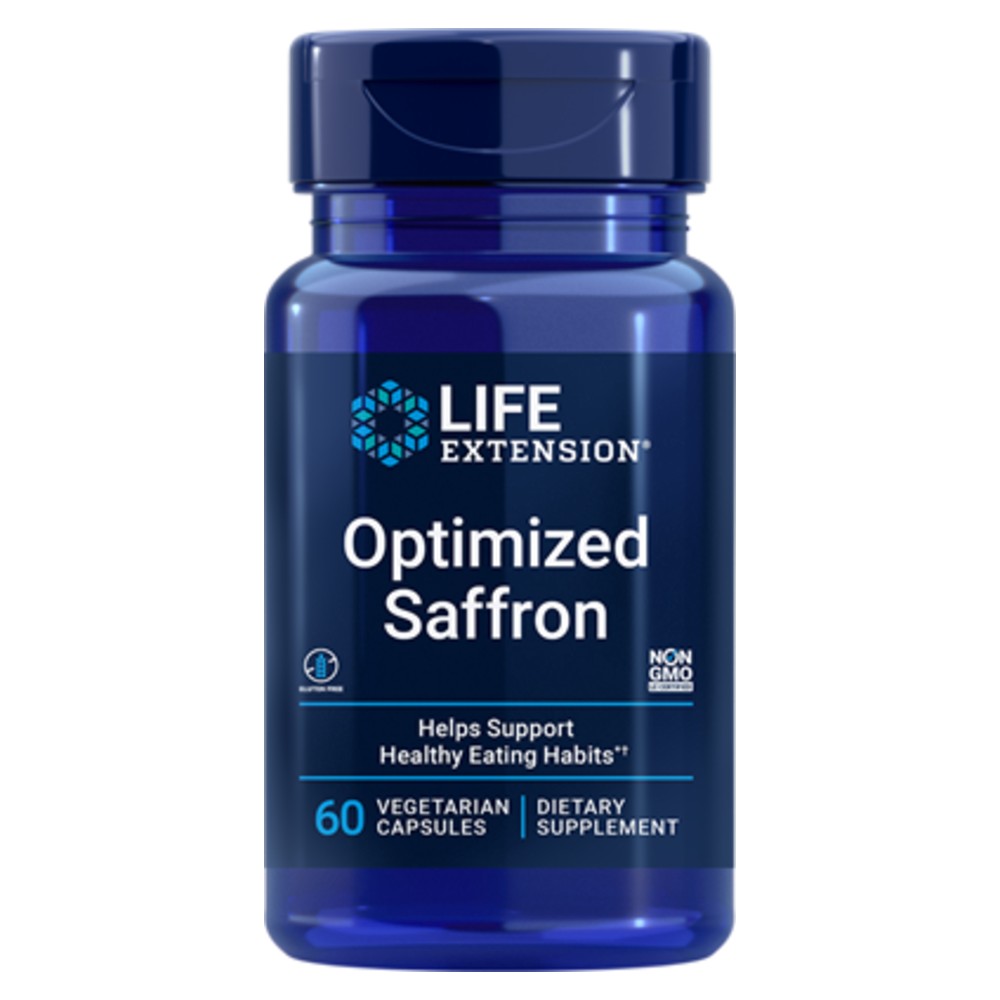
LIFE EXTENSION
Azafrán optimizado
No reviews
$27.00
$36.00
Mantener un peso saludable puede ser difícil. Los malos hábitos, los factores emocionales y el estrés diario pueden hacer que comamos cuando no debemos, incluso cuando estamos siguiendo una dieta saludable y un programa de ejercicio regular. Ahí es donde entra en juego el Azafrán Optimizado.Este novedoso extracto de estigma de azafrán puede ayudar a mantener sus objetivos de control de peso en tan solo 8 semanas.Beneficios del Azafrán Optimizado
Afecta las señales de los neurotransmisores para ayudar a reducir los antojos.
Ayuda a mantener un control de peso saludable al reducir la ingesta de alimentos fuera de horario.
Proporciona apoyo para el control del apetito, sin cafeína.
Este suplemento debe tomarse junto con una dieta saludable y un programa de ejercicio regular. Los resultados individuales no están garantizados y pueden variar.
References
- Wegovy (semaglutide): a new weight loss drug for chronic weight management
- Efficacy and Safety of Glucagon-Like Peptide-1 Receptor Agonists for Weight Loss Among Adults Without Diabetes: A Systematic Review of Randomized Controlled Trials
- Changes in Eating Behaviour During Treatment With Obesity Medications
- Real-world evidence on the utilization, clinical and comparative effectiveness, and adverse effects of newer GLP-1RA-based weight-loss therapies
- Semaglutide vs Tirzepatide for Weight Loss in Adults With Overweight or Obesity
- Safety and efficacy of GLP-1 receptor agonists in patients with weight regain or insufficient weight loss after metabolic bariatric surgery: A systematic review and meta-analysis
- Use of Obesity Medications in the Era of GLP-1 Agonists: An Expert Panel Discussion
- Discontinuing glucagon-like peptide-1 receptor agonists and body habitus: A systematic review and meta-analysis
- Evaluating the Efficacy, Safety, and Practical Considerations of Semaglutide for Weight Loss in Non-Diabetic Adults: A Narrative Review
- Patient Perceptions of Ozempic (Semaglutide) for Weight Loss: Mixed Methods Analysis of Online Medication Reviews
- Weight regain and cardiometabolic effects after withdrawal of semaglutide: the STEP 1 trial extension (Diabetes Obes Metab, 2022)
- Nutritional and lifestyle supportive care recommendations for management of obesity with GLP-1-based therapies: an expert consensus statement (Obesity Pillars, 2026)
Categories
Categories
Humanized Health - NEW!
Learn about personalized health from top experts! Check out our fascinating new shows every week, available as videos, podcasts and transcripts.:
Our Bloggers
-
 Paula Gallagher
Paula is a highly qualified and experienced nutrition counselor on the staff at Village Green.
read more.. -
 Margo Gladding
Margo's impressive knowledge base is the result of a unique blend of educational and professional experience.
read more.. -
 Dr. Neal Barnard
Dr. Barnard leads programs advocating for preventive medicine, good nutrition, and higher ethical standards in research.
read more.. -
 Dr. Joseph Pizzorno
Dr. Joseph Pizzorno, ND is a pioneer of integrative medicine and a leading authority on science-based natural medicine.
read more.. -
 Debi Silber
Debi is a registered dietitian with a master’s degree in nutrition, a personal trainer, and whole health coach.
read more..
SEE ALL OF OUR BLOGGERS
Invalid password
Enter


Learning Resources
Consultas
Farmacia/Preparación de medicamentos
Salud Humanizada
Blog de Village Green
General Information
Contáctenos
Sobre nosotros
Política de privacidad
Oportunidades de Empleo
Programa de afiliados
Stay Connected
Village Green Apothecary
5415 W Cedar Ln
Bethesda, Maryland, 20814
(301) 530-0800
Toll Free: (800) 869-9159
The information provided on this site is not intended to be a substitute for advice or treatment from a qualified physician, nor is it intended to diagnose or treat a health problem or disease. Consult your physician prior to starting any new health program or if you any questions regarding a medical condition.
© 2025 Village Green Apothecary - All Rights Reserved.
