 FREE SHIPPING! Automatically Applied on Orders Over $74!



Bardet-Biedl syndrome and Laurence-Moon syndrome share a name and a genetic root, but they are not the same thing. Bardet-Biedl syndrome is an autosomal recessive ciliopathy that classically brings early-onset obesity, extra fingers or toes, and progressive vision loss. Laurence-Moon was historically grouped with it, but that older label leaned more on spastic paraplegia and less on polydactyly and obesity. The two overlap so much that the combined term "Laurence-Moon-Bardet-Biedl" persisted for decades. Today most clinicians help with them as distinct. Here's what actually separates them, and why the relentless hunger seen in Bardet-Biedl is a signaling problem, not a willpower one.
Two Syndromes, One Confusing Name
It’s why you’ll often see them referred to with one hyphenated term: Bardet-Biedl syndrome. That’s why you’ll often see a search result that reads “Bardet-Biedl syndrome vs Laurence Moon Bardet Biedl.”
Short answer: They're both ciliopathies that cause retinal degeneration. In Laurence-Moon, neurological signs such as spastic paraplegia predominate; there's usually less obesity, and no extra digits.
Bardet-Biedl, however, involves polydactyly, obesity that starts in childhood, kidney complications, and hormone imbalances. Today, most modern genetic testing will help distinguish them as different conditions with some overlap in symptoms.
The Genetic Mutation Behind the Cilia
The Bardet-Biedl syndrome genetic cause traces back to primary cilia. They are small, hair-like extensions of the cell surface.
But cilia also do the work of the cell. They act as anchors, messengers, and transport systems, carrying receptors and vesicles around the cell.
The failure of transport through mutations in the genes responsible for building and maintaining cilia occurs simultaneously throughout various organs. This is the reason why a single disease can affect multiple organs like the eyes, kidneys, brain, and reproductive organs.
BBS is associated with over 20 genes. It is inherited in an autosomal recessive manner, which means that children inherit one copy of the mutation from each parent.
-
The most frequently reported variants are in BBS1 and BBS10.
-
Cilia dysfunction also impacts sperm motility, hence the prevalence of infertility problems.
-
This same broken signaling affects the brain's control of appetite.
How Bardet-Biedl Syndrome Drives Obesity

BBS obesity begins in childhood, and it is caused by unrelenting hunger that the brain cannot turn off. People describe this as "food noise," a term that describes the constant urge to eat. It may also be called hyperphagia.
Not your typical cravings, these are a message from your body that something has gone wrong with the signals between your brain and your gut.
Usually, leptin from your fat cells signals to the brain that there is sufficient energy stored. In BBS that leptin pathway is broken, so the "you're full" message never lands.
This is why BBS is so often misdiagnosed as a lack of willpower. The person is fighting a biological issue, not a lack of discipline.
The Eye Symptoms You Notice First

For some families, it's the Bardet-Biedl syndrome eye symptoms that provide the first true clue. The retina begins its slow degeneration.
The disease typically starts out as night blindness and constricted peripheral vision, and then worsens until patients become legally blind.
As the retina is rich in cilia-bearing cells, this symptom is seen early on and is very common for BBS.
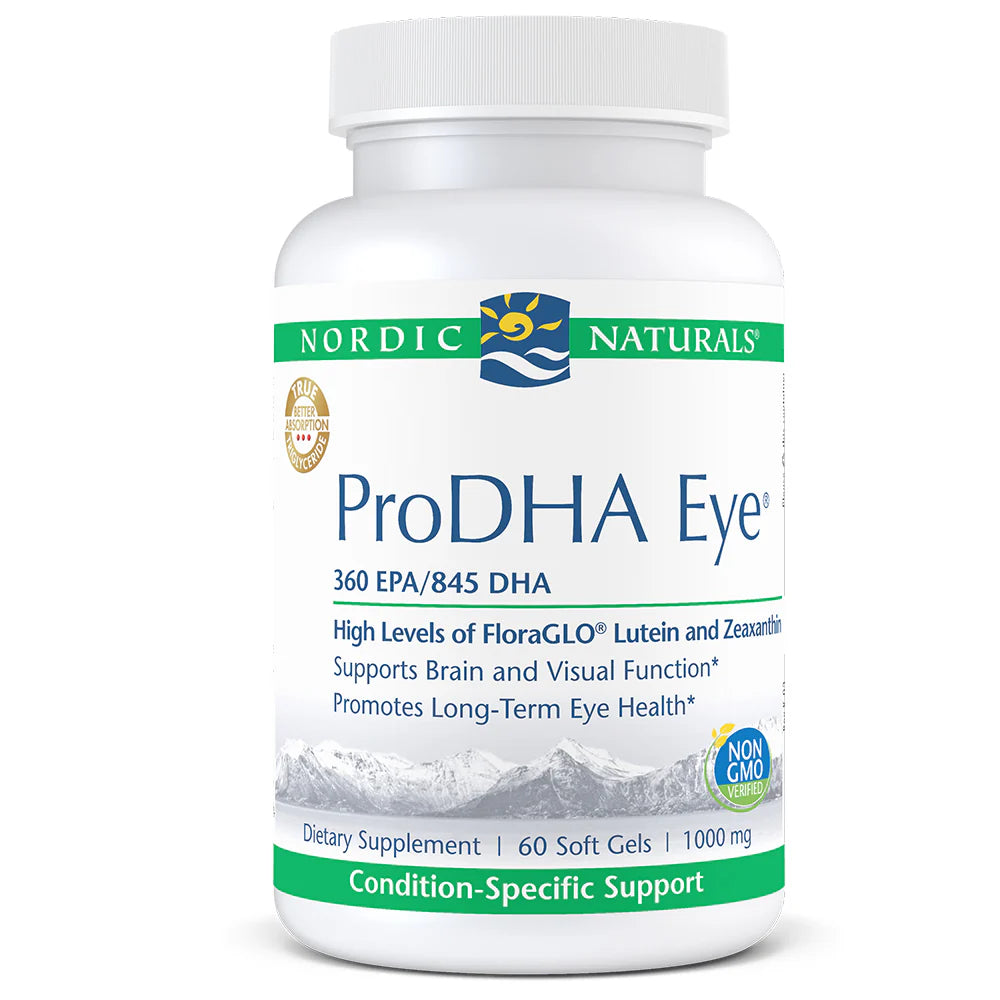
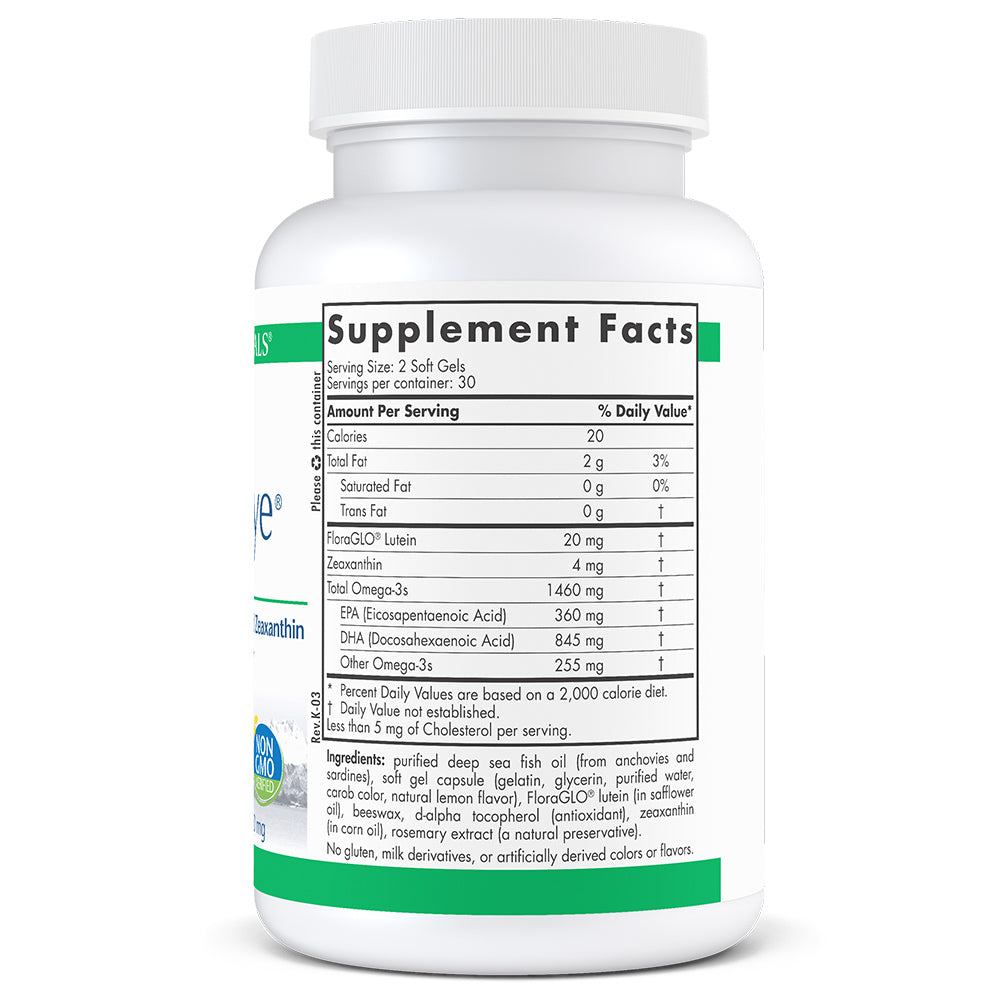
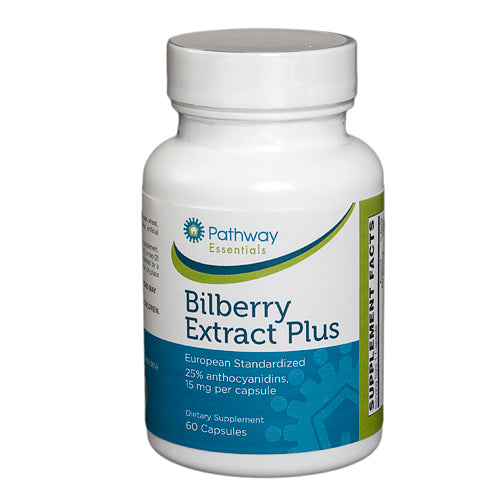
Nutrition can't improve a genetic retinal condition, but some people ask us about general eye-health support as part of a broader wellness routine. Nutrients like lutein, bilberry, and omega-3s have been studied for eye health, and options such as ProDHA Eye or Bilberry Extract Plus may help support the eyes as part of daily care. You can browse our full Eye Health collection to see what fits.
Telling It Apart From Alstrom Syndrome
Bardet-Biedl syndrome vs Alstrom syndrome? They are both ciliopathies that share the features of obesity and vision loss.
What sets these syndromes apart is the hands and feet. While Alstrom syndrome doesn't include polydactyly, extra digits are one of the hallmarks of BBS.
Alstrom also brings hearing loss and heart muscle issues earlier and more visibly. A lifelong weak or absent sense of smell, anosmia or hyposmia, is a minor diagnostic criterion for BBS, and an easy screening question that a doctor could ask.
To separate them out you need clinical and genetic assessments, rather than a single symptom.
As the original post put it: "One of the minor diagnostic criteria for Bardet-Biedl Syndrome is lifelong anosmia or hyposmia, meaning you have a weak or missing sense of smell your entire life, which is a quick and overlooked screening question any doctor can ask."
Inheritance, Testing, and Who helps with the Weight

BBS is inherited in an autosomal recessive fashion, meaning that both parents are typically unaffected carriers of BBS. That’s why there are usually no Bardet-Biedl syndrome carrier symptoms present in either parent.
Bardet-Biedl syndrome genetic testing is used to confirm the diagnosis of Bardet-Biedl syndrome by revealing the specific Bardet-Biedl syndrome genetic mutation. Commercial panels are just one way to look for genetic causes, but the diagnosis itself continues to be based on major and minor criteria in addition to the genetics.
A key drug in the Bardet-Biedl syndrome obesity treatment space is setmelanotide. It functions by circumventing broken leptin signaling to signal the brain that there’s enough fat stored.
Other options in metabolic care include GLP-1 medications and bariatric surgery. Both of these are prescriptions made with a specialist.
If severe hunger has been dismissed as willpower and your labs deserve a closer look, our team can help you review them and coordinate with your physician. You can book a lab review consultation to talk it through.
Key Takeaways
-
Bardet-Biedl syndrome results from defective primary cilia, the tiny cellular projections that ferry receptors and signals between cells.
-
It is characterized by early-onset obesity, retinal dystrophy frequently resulting in legal blindness, and postaxial polydactyly.
-
The insatiable hunger, also known as “food noise” or “hyperphagia,” reflects broken brain-body signaling, not a failure of willpower.
-
The medication, setmelanotide, bypasses broken leptin signaling and has already led to larger weight loss among BBS patients compared with people with conventional obesity.
-
A lifelong weak or absent sense of smell is a minor criterion and an easy screening question.
Frequently Asked Questions
How does Bardet-Biedl syndrome cause obesity
BBS damages the primary cilia in brain regions that regulate appetite, so the leptin signal that normally says "you have enough fat stored" never registers. The result is hyperphagia, or relentless hunger, that begins in early childhood. It's a broken signaling loop, not a behavior problem. That's why targeted treatments like setmelanotide, which bypass the broken pathway, can work when general weight strategies stall.
What is Bardet-Biedl syndrome symptoms
The most well-known symptoms include early onset obesity, retinal dystrophy which may lead to blindness, and having extra fingers or toes (polydactyly). There can also be kidney problems, hormonal and reproductive issues, and learning differences. Other minor symptoms include a lifelong poor or absent sense of smell, dental changes, and fatty liver. Every person’s experience is unique.
Who discovered Bardet-Biedl syndrome
Bardet-Biedl syndrome was named for Georges Bardet and Arthur Biedl, the doctors who reported the clinical features of the disorder in the first half of the 20th century. John Laurence and Robert Moon had reported a similar syndrome earlier, Laurence-Moon syndrome. For a long time, the syndromes were lumped together as Laurence-Moon-Bardet-Biedl syndrome until geneticists determined that they were actually different disorders.
How is Bardet-Biedl syndrome inherited
This condition is inherited in an autosomal recessive pattern, which means both copies of the gene in each cell have mutations. Most often, the parents of an individual with an autosomal recessive condition are carriers of one copy of the mutated gene but do not show signs and symptoms of the condition. More than 20 BBS genes have been identified.
How is Bardet-Biedl syndrome diagnosed
Diagnosis is based on meeting a certain number of major criteria (retinal dystrophy, polydactyly, obesity, renal problems, learning difficulties) and minor criteria (hyposmia). Testing is also performed using genetic panels to identify specific mutations. Screening tools such as the GOSS scale can be used to determine who needs further evaluation.
How common is Bardet-Biedl syndrome
Bardet-Biedl syndrome is rare and prevalence estimates vary according to population; it may be more common in certain populations that have greater levels of shared ancestry. Since the signs and symptoms can overlap with other conditions and may develop over time, it is likely that many cases of Bardet-Biedl syndrome go undiagnosed. Patient registries help researchers learn more about this condition by tracking cases and identifying additional people with the condition as they develop.
venta
NORDIC NATURALS
ProDHA Ojo
1 review
$45.26
$53.25
Apoyo a largo plazo para la salud ocular y la función visual
ProDHA Eye está específicamente formulado para proteger los ojos de la luz azul ultravioleta y apoyar la salud ocular a largo plazo, combinando ácidos grasos omega-3 concentrados con luteína y zeaxantina, carotenoides respaldados por investigaciones.
Beneficios para la salud:
La luteína FloraGLO protege los ojos de los factores de estrés ambiental como la luz azul ultravioleta
Proporciona un potente apoyo para abordar el estrés oxidativo en la retina
Apoyo respaldado por investigaciones para la salud macular a largo plazo
Uso sugerido:
Dos cápsulas blandas al día, con alimentos, o según las indicaciones de su profesional de la salud o farmacéutico.
venta
PATHWAY
Extracto de Mirtilo Plus
No reviews
$20.99
$29.99
Potente antioxidante para los ojos El arándano desempeña un papel importante como antioxidante que favorece la salud ocular y vascular. El extracto de arándano Bilberry Extract Plus de Pathway se fabrica meticulosamente bajo estrictos estándares europeos de control de calidad sin el uso de disolventes agresivos. Se extrae para proporcionar un nivel óptimo del 25 % de antocianidinas de origen natural. Además, contiene un espectro completo de componentes tal como se encuentran naturalmente en los arándanos frescos enteros. El extracto de piel de uva roja y los bioflavonoides cítricos trabajan sinérgicamente para mejorar los beneficios probados de Bilberry Extract Plus. Uso sugerido: 1 cápsula 1-2 veces al día con las comidas
References
- PubMed: Bardet-Biedl syndrome, a clinical overview focusing on diagnosis, outcomes and best-practice management
- Genes: Ophthalmic and Genetic Features of Bardet-Biedl Syndrome in a German Cohort
- Orphanet Journal of Rare Diseases: Molecular and phenotypic characteristics of Bardet-Biedl syndrome in Chinese patients
- MedlinePlus Genetics: Bardet-Biedl syndrome
Categories
Categories
Humanized Health - NEW!
Learn about personalized health from top experts! Check out our fascinating new shows every week, available as videos, podcasts and transcripts.:
Our Bloggers
-
 Paula Gallagher
Paula is a highly qualified and experienced nutrition counselor on the staff at Village Green.
read more.. -
 Margo Gladding
Margo's impressive knowledge base is the result of a unique blend of educational and professional experience.
read more.. -
 Dr. Neal Barnard
Dr. Barnard leads programs advocating for preventive medicine, good nutrition, and higher ethical standards in research.
read more.. -
 Dr. Joseph Pizzorno
Dr. Joseph Pizzorno, ND is a pioneer of integrative medicine and a leading authority on science-based natural medicine.
read more.. -
 Debi Silber
Debi is a registered dietitian with a master’s degree in nutrition, a personal trainer, and whole health coach.
read more..
SEE ALL OF OUR BLOGGERS
Invalid password
Enter


Learning Resources
Consultas
Farmacia/Preparación de medicamentos
Salud Humanizada
Blog de Village Green
General Information
Contáctenos
Sobre nosotros
Política de privacidad
Oportunidades de Empleo
Programa de afiliados
Stay Connected
Village Green Apothecary
5415 W Cedar Ln
Bethesda, Maryland, 20814
(301) 530-0800
Toll Free: (800) 869-9159
The information provided on this site is not intended to be a substitute for advice or treatment from a qualified physician, nor is it intended to diagnose or treat a health problem or disease. Consult your physician prior to starting any new health program or if you any questions regarding a medical condition.
© 2025 Village Green Apothecary - All Rights Reserved.
