 FREE SHIPPING! Automatically Applied on Orders Over $74!



Your body has mechanisms to protect against whatever ends up on your fork, and many common things quietly erode them.
This has happened to all of us, right? You had a family picnic and left your chicken salad out too long. Maybe you ate dinner out and everyone at the table ordered the same dish, but only one of you got sick.
It's tempting to chalk that up to luck, or to having a "strong stomach." But there's real biology underneath it. Your digestive tract isn't a passive tube that food travels through, it's a layered defense system, and each layer filters out some portion of whatever arrives. How well those layers are working on a given day has a great deal to do with which side of the picnic you end up on.
Here is how it works, how it gets worn down, and what actually helps.
The Amount That Arrives Still Matters Most
All defenses discussed below act as filters, not walls. Each will decrease the number of surviving organisms on the trip, which is why the initial inoculum load is so important.
Small exposures that a healthy system clears without a symptom can overwhelm that same system if it’s large enough. Food poisoning with chicken left on the counter for three hours is a different event than chicken left out for twenty minutes, and no amount of gut health changes that.
So, cool it quickly. Store raw meat separately from fruits and vegetables and cooked food. Clean your produce. Cook at the right temperature. Watch out for high-risk foods like raw sprouts, unpasteurized milk and juice, raw shellfish, and undercooked eggs and poultry.
That’s the base; everything else determines the amount of wiggle room that you have once that gets breached.
Stomach Acid at the Gate

That’s the front door, which is doing more work than you think.
In a healthy person, the acidity of the stomach will kill off a significant portion of the microbes that come in with food. While some pathogens can survive a more acidic environment than others, the majority of exposure to microbes is terminated in the stomach before reaching the small intestine.
Increase the pH, and you get different numbers. This is where medications to reduce acid really come in. A systematic review and meta-analysis of community-acquired gastrointestinal infections showed that patients taking proton pump inhibitors such as omeprazole, esomeprazole, and pantoprazole had a significantly increased risk of infection compared to non-users, with the greatest relative risks seen with Salmonella and Campylobacter. Importantly, the increased infection risk was not observed with H2 receptor antagonists like famotidine, which produce a much smaller decrease in stomach acidity. This provides us with one of the most compelling pieces of evidence that the acid itself has a protective effect.
None of this is a reason to discontinue a prescription medication your physician has advised. Proton pump inhibitors (PPIs) are effective for genuine conditions, and withdrawing them suddenly may provoke a surge in stomach acid that makes you feel worse than before. Rather, these concerns warrant a periodic review: Do you really still require this drug, at this dosage, after this duration? Many individuals begin a PPI for a temporary ailment, yet continue using it four years later because nobody followed up.
If you are on long-term acid suppression, handle your food more carefully than most people have to, as well. You've got a smaller front gate.
Talk to your doctor. If you have been on an acid-suppressing drug for more than two months, mention it during your next visit. Acid suppression can also reduce the absorption of vitamin B12, magnesium, and non-heme iron.
The Gut Bacteria That Resist Food Poisoning

After the stomach, the resident bacteria of your gut take over. That is one of the most elegant systems in the human body.
And you don’t need to worry about any of that, because the trillions of organisms already living in your colon are not sitting around twiddling their thumbs. They’re taking up room and eating your food. They’re making short-chain fatty acids such as butyrate and propionate that make life miserable for interlopers. Some of them make chemical weapons against their competitors. Some of them metabolise bile acids into forms that some organisms cannot tolerate.
Microbiologists call this "colonization resistance": A full, healthy community is very difficult to invade. An empty or sparse community is not.
Antibiotics are the single most disruptive agent in that community, and it takes much longer than you might expect to bounce back. This study used a particularly potent cocktail, so it’s the high end rather than the norm, but the general trend persists throughout the literature.
The point here isn’t to avoid taking antibiotics when you need them. The point is that the weeks after taking them are a time of lower margin, and that time is worth treating with care by being more careful about food prep, more careful about rebuilding.
Now let’s talk about rebuilding. Knowing what the label says can help with making the right choice. A probiotic provides live, helpful microbes. A prebiotic provides the fibers those microbes need to eat. A synbiotic includes both, which makes sense, because why drop newcomers off in an empty house? This is especially important following antibiotic use, since these medications temporarily reduce the population of helpful microbes while your body tries to restore equilibrium. Our Humanized Nutrition Pro Advanced Synbiotic was made for exactly this kind of transitional support of normal microbial balance. And don’t stop at the last capsule; it can take a long time for these microbes to return to full strength.
The Mucus Barrier

And then there’s a third layer that few have even heard of, which lies between the microorganisms within the intestines and the intestinal lining itself. This is mucus, and it serves as a barrier, keeping organisms away from the cells that they would have to access in order to do harm.
This layer has to be maintained, and fiber has a great deal to do with it. In animal studies, fiber was shown to maintain the gut mucus barrier. When the layer thinned, the animals were significantly more susceptible to a pathogen that they would normally clear easily.
Research in animal models has shown that a consistently low-fiber diet can thin the mucus barrier. The thinning of mucus has been replicated by other labs.
For most US citizens, daily fiber intake is far from the recommended 28- 38 g a day. If you’re looking for one dietary modulator to pull on in order to help support gut resilience, this is likely the one with the most convincing evidence for doing so, and how much you eat might matter just as much as whether you do.
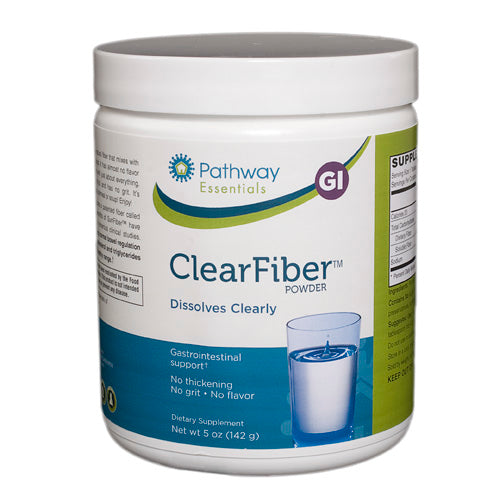
This misses people who are literally eating less than before. Maybe they’re on a GLP-1 drug, maybe they just recovered from surgery, or maybe they’re just less hungry than 10 years ago. In all cases, the first thing to go is fiber, which comes along with food that isn’t there anymore. It can be helpful to top up fiber gently, perhaps with a supplement such as Pathway ClearFiber, which doesn’t add too much bulk for those eating a little bit of food. What About Fermented Foods and Probiotics?
I think it is better if I tell you what the evidence says than give you a straight answer.
Fermented foods have been studied for their potential effects on gut health. People who increased their intake of things like yogurt, kefir, kimchi, kombucha, and fermented vegetables showed changes in gut bacteria and inflammatory markers, with bigger effects at higher intakes. So, this seems like a great, easy, delicious change you could make in your diet, but we don’t know enough about it yet to give it a strong recommendation.
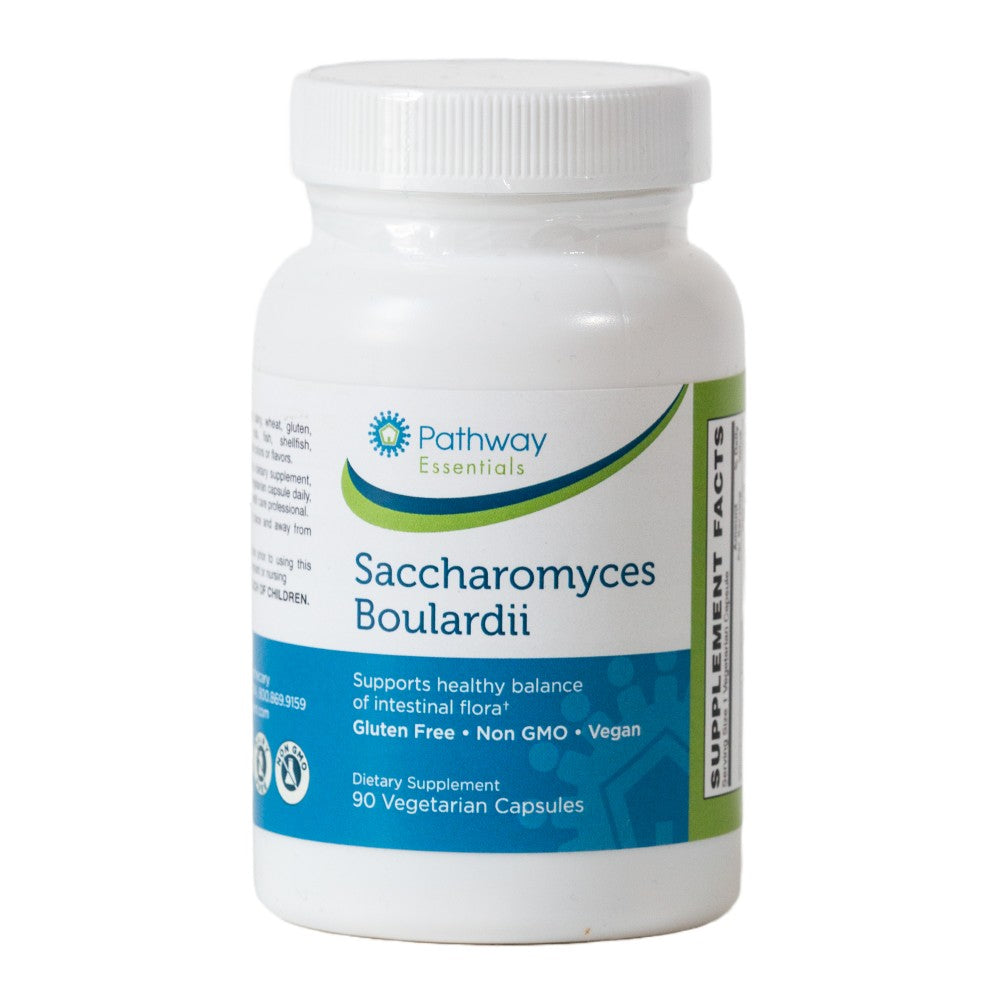
Probiotics are strain-specific, and the honest summary is that the general claims run well ahead of the data. The best-studied application relevant here is travel: the yeast Saccharomyces Boulardii has the strongest research behind it among commonly available options, with a modest but statistically meaningful effect in pooled trial data. Several Lactobacillus strains studied alongside it showed no clear benefit. "Take a probiotic" isn't a strategy. A specific strain, for a specific situation, sometimes is.
Who Has the Least Margin

There are some people who are running with less of their original layers intact, and they should know about it:
Anyone on long-term acid-suppressing medication
Anyone in the weeks after taking antibiotics
Adults over about 65, who tend to have lower stomach acidity and fewer microbial varieties
Anyone eating a significantly smaller amount of food than before, for any reason
Anyone who is pregnant or has a medical condition or takes a medication that suppresses immune function
If you're one of those groups, food safety is not merely good practice but critical infrastructure, and a bout of food poisoning with fever is worth a call to your doctor.
The Short Version
Stomach acid at the gate, a thriving community of microbes that resist invasion, and a wall of mucus that keeps things far away. Each one weakens under very specific conditions, and you can predict most of those conditions.
Eat fiber consistently rather than in bursts. Take antibiotics when you need them, and rebuild deliberately afterward. Revisit long-term acid suppression with your practitioner instead of letting it run on autopilot. And handle food as though the number of organisms arriving still matters, because it does, more than anything else on this list.
Questions about your own situation or want guidance building a gut-support plan specifically for your needs? Our clinical nutritionists are available for one-on-one consultations.
Frequently Asked Questions
What foods to eat when you have food poisoning
Take it easy and take your time. After your illness is over, our customers usually fare well when beginning with liquid foods and light foods such as broth, bananas, white rice, applesauce and bread, then moving on to their regular diet as they recover their appetite. Small amounts of fiber, reintroduced steadily, may help support the gut mucus barrier as it recovers. Avoid alcohol, caffeine, and heavy, fatty foods until you feel more stable.
How long after eating contaminated food do symptoms start?
It depends entirely on the organism, which is why people so often blame the wrong meal. Toxins produced by Staphylococcus aureus can cause symptoms within 30 minutes to 8 hours. Norovirus typically takes 12 to 48 hours. Salmonella ranges from 6 hours to 6 days, Campylobacter from 2 to 5 days, and Listeria can take weeks. The meal you suspect is frequently not the one responsible.
Can food make you sick even if it looks and smells fine?
Yes, and this trips up almost everyone. The bacteria that cause spoilage, the ones behind off smells, sliminess and discoloration, are largely different organisms from the ones that cause illness. Food carrying a meaningful dose of Salmonella or Listeria can look, smell and taste completely normal. Your senses are not a safety test.
Is it safe to eat food that was left out overnight?
No. The standard guidance is to discard perishable food left at room temperature for more than two hours, or more than one hour if it's above 90°F. Overnight is well past both. Reheating doesn't reliably fix it either, which brings up the next question.
Does reheating leftovers make them safe?
Reheating thoroughly to 165°F throughout does kill most bacteria. But it doesn't neutralize toxins some bacteria have already produced in the food. Staphylococcus aureus and Bacillus cereus both make heat-stable toxins that survive cooking temperatures entirely. This is why the "just microwave it longer" instinct fails with food that's been sitting out.
Should you wash raw chicken before cooking it?
No. The USDA specifically advises against it. Rinsing poultry doesn't remove bacteria, but it does aerosolize them, spraying droplets onto your sink, counters, and any produce nearby. Cooking to 165°F handles the bacteria on the chicken. Washing simply relocates them to surfaces that won't get cooked.
How should you eat while recovering from a stomach illness?
Fluids and electrolytes come first; dehydration causes more trouble than the infection in most cases. As appetite returns, start with easily tolerated foods and rebuild toward normal eating, including fiber, as things settle. There's no need to stay on bland food longer than your symptoms warrant, your gut community re-establishes faster when it's actually being fed.
Should you take a probiotic at the same time as an antibiotic?
Common practice is to space them a few hours apart so the antibiotic isn't acting directly on the organisms you just took, though how much this matters likely varies by strain and drug. The more meaningful point is duration: rebuilding is worth continuing for weeks after the course ends, not stopping the day the prescription does.
How long after food poisoning should you eat?
There is no strict time here. Wait until you are past the vomiting stage and able to keep small amounts of fluid down, then have a few small bites of bland food. If you move too quickly, you might set yourself back, so just follow your symptoms.
venta


HUMANIZED NUTRITION
Pro Advanced Synbiotic
No reviews
$59.16
$73.95
Pro Advanced Synbiotic is a next-generation gut health formula combining prebiotics, probiotics, and postbiotics for comprehensive digestive and immune support. Features EpiCor®, ButyraGen™, and PoZibio® for microbiome balance, GLP-1 support, and optimal gut function.
Nearly 30% of Americans report that gut health is an ongoing challenge, with one-third experiencing abdominal discomfort a few times each month and nearly 40%, especially women, are struggling with bloating. To address these issues, half of consumers turn to non-prescription solutions, and 41% already take probiotics. In fact, one in five Americans has experimented with multiple approaches to improve digestive well-being. While prebiotic and probiotic combinations have become commonplace, consumers are now seeking a more advanced, comprehensive solution. Postbiotics are the beneficial compounds produced by inactivated microorganisms and they represent the next evolution in gut health. These science-backed ingredients deliver measurable benefits without the challenges of live cultures, and interest is high: research shows 50% of all consumers and 91% of probiotic users are eager to try a postbiotic.
Features
PREBIOTIC and PROBIOTIC supplying:
100 mg ButyraGen™ Tributyrin
100 mg Inulin (from Jerusalem artichoke [Helianthus tuberous] root)
20mg LP-116 Lactobacillus plantarum 10 Billion CFU
POSTBIOTIC supplying:
500 mg EpiCor® Saccharomyces cerevisiae
100 mg PoZibio® Lactobacillus paracasei
5 mg Akkermansia (Pasteurized Akkermansia muciniphila) 1 billion TFU
Contains no sugar, salt, dairy, wheat, gluten, eggs, peanuts, soy, tree nuts, fish, shellfish, sesame, preservatives, artificial colors or flavors
Gluten Free, Non-GMO and Vegan
Benefits
Clinically studied ingredients provide Gut Health and GLP-1 Support.
EpiCor® – a leading postbiotic made from Saccharomyces cerevisiae – delivers a unique blend of beneficial metabolites and bioactive compounds. Backed by 15 published studies and multiple human clinical trials, EpiCor® has been shown to help support immune and gut health.
ButyraGen™ Tributyrin is a prebiotic which generates butyrate in the gut independent of the state of the microbiome and contributes to gut lining integrity, digestion, and microbial balance.
Chicory Inulin is a soluble fiber and source of fructo-oligosaccharide that has a prebiotic effect, acts as a soluble fiber, increases probiotic fermentation, and enhances calcium absorption.
LP-116 Lactobacillus plantarum is a probiotic strain naturally found in the gut and fermented foods like sauerkraut and sourdough that helps support digestive balance and immune function. Research suggests it may reduce occasional bloating, strengthen the intestinal barrier, and support healthy lipid metabolism.
PoZibio® is a scientifically backed, patented ingredient that limits inflammation in the gut lining, while promoting healthy digestion and nutrient absorption, immunity, the gut-brain axis, and gastro-discomfort.
venta
PATHWAY
Clearfiber
3 reviews
$22.39
$27.99
¡Fibra invisible… beneficios visibles!ClearFiber contiene goma guar parcialmente hidrolizada, clínicamente probada, que tiene numerosos beneficios para la salud. Por ejemplo, la goma guar apoya los niveles saludables de colesterol y triglicéridos, así como el funcionamiento del sistema digestivo. ClearFiber se disuelve claramente sin grumos ni espesamiento. Se mezcla fácilmente en la mayoría de los alimentos y bebidas sin añadir ningún sabor. ClearFiber es una forma fácil y cómoda de aumentar la ingesta de fibra dietética. Uso sugerido: 1 cucharada diaria en 4 oz de líquido o alimentos blandos
venta
PATHWAY
Saccharomyces Boulardii
1 review
$34.22
$42.77
Saccharomyces boulardii, comúnmente conocido como S. boulardii, es una especie tropical de levadura que fue aislada de las frutas lichi y mangostán en 1923 por el científico francés Henri Boulard. Boulard aisló por primera vez la levadura después de observar a los nativos del sudeste asiático masticar la piel del lichi y el mangostán en un intento de controlar los síntomas del cólera. En pacientes sanos, se ha demostrado que S. boulardii no es patógeno ni sistémico, lo que significa que permanece en el tracto gastrointestinal en lugar de extenderse a otras partes del cuerpo. S. boulardii es una cepa de S. cerevisiae (levadura de panadero) y a veces se utiliza como probiótico con el propósito de introducir microbios beneficiosos en el intestino grueso y delgado, y para apoyar la protección contra patógenos. Hoy en día, Saccharomyces Boulardii suplementario se usa comúnmente en afecciones gastrointestinales agudas, ayudando a apoyar la salud intestinal, la diarrea del viajero y la diarrea asociada a antibióticos (DAA) en adultos y niños. Características
La cepa S. boulardii es un producto verificado como Non-GMO Project por Gnosis USA Inc.; este suplemento está en proceso de verificación de producto Non-GMO.
Alta potencia de 5 mil millones de células viables por cápsula garantizadas hasta la fecha de caducidad.
Contiene 200 mg de la fibra prebiótica, Fructooligosacárido (FOS).
Libre de los principales alérgenos alimentarios: leche, huevo, pescado, mariscos, trigo, gluten, cacahuetes, soja, frutos secos.
Beneficios
Se utiliza por su capacidad para apoyar la salud gastrointestinal y la diarrea ocasional.
Puede apoyar el tratamiento de la diarrea asociada a antibióticos en niños y adultos.
Puede apoyar o reducir la duración de la diarrea del viajero en niños y adultos.
Puede apoyar la reducción de la frecuencia de la infección por Clostridium difficile (C. diff).
Puede apoyar la reducción de los efectos secundarios de náuseas y diarrea de la terapia de erradicación de Helicobacter pylori (H. pylori).
Puede apoyar la reducción de la unión de bacterias patógenas a la mucosidad intestinal.
Los fructooligosacáridos actúan como fibra apoyando el tracto intestinal mientras funcionan como fuente de alimento para S. boulardii.
References
- CDC, Burden of Foodborne Illness in the United States
- CDC, Norovirus Burden in the U.S.
- PubMed, Gastric acid suppression and enteric infection
- Nontyphoidal Salmonella in Food from Latin America: A Systematic Review
- PubMed, Saccharomyces boulardii and traveler's diarrhea meta-analysis
- USDA Dietary Guidelines for Americans, 2020-2025
- Current Research in Fermented Foods: Bridging Tradition and Science (2025)
Categories
Categories
Humanized Health - NEW!
Learn about personalized health from top experts! Check out our fascinating new shows every week, available as videos, podcasts and transcripts.:
Our Bloggers
-
 Paula Gallagher
Paula is a highly qualified and experienced nutrition counselor on the staff at Village Green.
read more.. -
 Margo Gladding
Margo's impressive knowledge base is the result of a unique blend of educational and professional experience.
read more.. -
 Dr. Neal Barnard
Dr. Barnard leads programs advocating for preventive medicine, good nutrition, and higher ethical standards in research.
read more.. -
 Dr. Joseph Pizzorno
Dr. Joseph Pizzorno, ND is a pioneer of integrative medicine and a leading authority on science-based natural medicine.
read more.. -
 Debi Silber
Debi is a registered dietitian with a master’s degree in nutrition, a personal trainer, and whole health coach.
read more..
SEE ALL OF OUR BLOGGERS
Invalid password
Enter


Learning Resources
Consultas
Farmacia/Preparación de medicamentos
Salud Humanizada
Blog de Village Green
General Information
Contáctenos
Sobre nosotros
Política de privacidad
Oportunidades de Empleo
Programa de afiliados
Stay Connected
Village Green Apothecary
5415 W Cedar Ln
Bethesda, Maryland, 20814
(301) 530-0800
Toll Free: (800) 869-9159
The information provided on this site is not intended to be a substitute for advice or treatment from a qualified physician, nor is it intended to diagnose or treat a health problem or disease. Consult your physician prior to starting any new health program or if you any questions regarding a medical condition.
© 2025 Village Green Apothecary - All Rights Reserved.
