 FREE SHIPPING! Automatically Applied on Orders Over $74!



¿Sabe qué vitaminas y minerales pueden ayudar a mantener su salud mental? La evidencia muestra cada vez más que la nutrición juega un papel importante y que las deficiencias nutricionales pueden tener un impacto negativo sustancial tanto en su cuerpo como en su salud mental. Una buena dieta es importante, así como la suplementación de nutrientes clave, según sea necesario.
Es útil saber cómo identificar una deficiencia, cuáles son los impactos a largo plazo y qué suplementos debe considerar para ayudar a mantener su mente y cuerpo equilibrados y saludables. Aquí encontrará información útil sobre las vitaminas y otros nutrientes, y su impacto en el estado mental.
¿Qué es una deficiencia nutricional?
Una deficiencia nutricional o vitamínica ocurre cuando tiene una escasez de un nutriente en particular en su cuerpo, generalmente porque no ingiere una cantidad adecuada a través de su dieta. Los signos comunes de deficiencia de vitaminas pueden incluir fatiga, confusión mental, piel seca, ansiedad, mal humor y depresión, por nombrar algunos. Los suplementos no pueden tratar un trastorno del estado de ánimo diagnosticado por sí solos, pero agregar los adecuados a su dieta puede ayudar a marcar una gran diferencia en su estado mental.
Las 5 deficiencias más comunes
Existen varias deficiencias nutricionales comunes que se observan en pacientes con trastornos mentales y otros problemas de salud. Abordar las deficiencias con suplementos nutricionales puede ayudar a mantener el bienestar mental.
1. Ácidos grasos omega-3
Los ácidos grasos omega-3 son importantes para la salud cerebral y la función cognitiva. Una deficiencia de este nutriente clave también puede provocar síntomas como cabello quebradizo y piel seca, pero las personas que no obtienen suficientes de estos ácidos grasos también pueden notar síntomas de fatiga y trastornos del sueño. La falta de sueño puede tener un impacto sustancial en muchas áreas de la salud mental porque cuando su cuerpo no tiene el tiempo adecuado para recargarse, puede provocar niveles más altos de estrés y depresión. Los omega-3 se encuentran a menudo en el pescado graso y el aceite de pescado, pero estos ácidos grasos también se pueden tomar a través de suplementos.
2. Vitaminas B
Las vitaminas B, incluidas las vitaminas B1, B3, B-6 y B-12, y nutrientes como el folato/ácido fólico, ayudan a mantener la función del sistema nervioso. Muchas personas con deficiencia de vitamina B-12 luchan con sensaciones de hormigueo en las manos y los pies. Tomar vitamina B-12 también puede ayudar con la fatiga al mejorar los niveles de energía. Muchos optan por tomar vitaminas B juntas en un solo suplemento en lugar de tomarlas por separado.3. Vitamina D
Las personas suelen obtener vitamina D al pasar tiempo al aire libre, porque la exposición al sol en la piel estimula naturalmente su producción en el cuerpo. Eso significa que muchos ingieren menos durante los meses de invierno, ya que pasan más tiempo en interiores para evitar el frío y otros factores climáticos adversos. Agregar un suplemento de vitamina D puede ayudar a las personas a evitar los síntomas de la depresión estacional. Algunos productos lácteos también están fortificados con vitamina D.
venta
PATHWAY
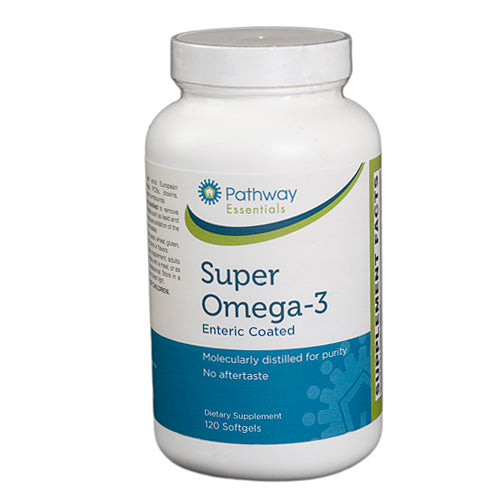
Súper Omega-3 EC
1 review
$36.04
$51.48
La cubierta entérica reduce los eructos con sabor a pescado
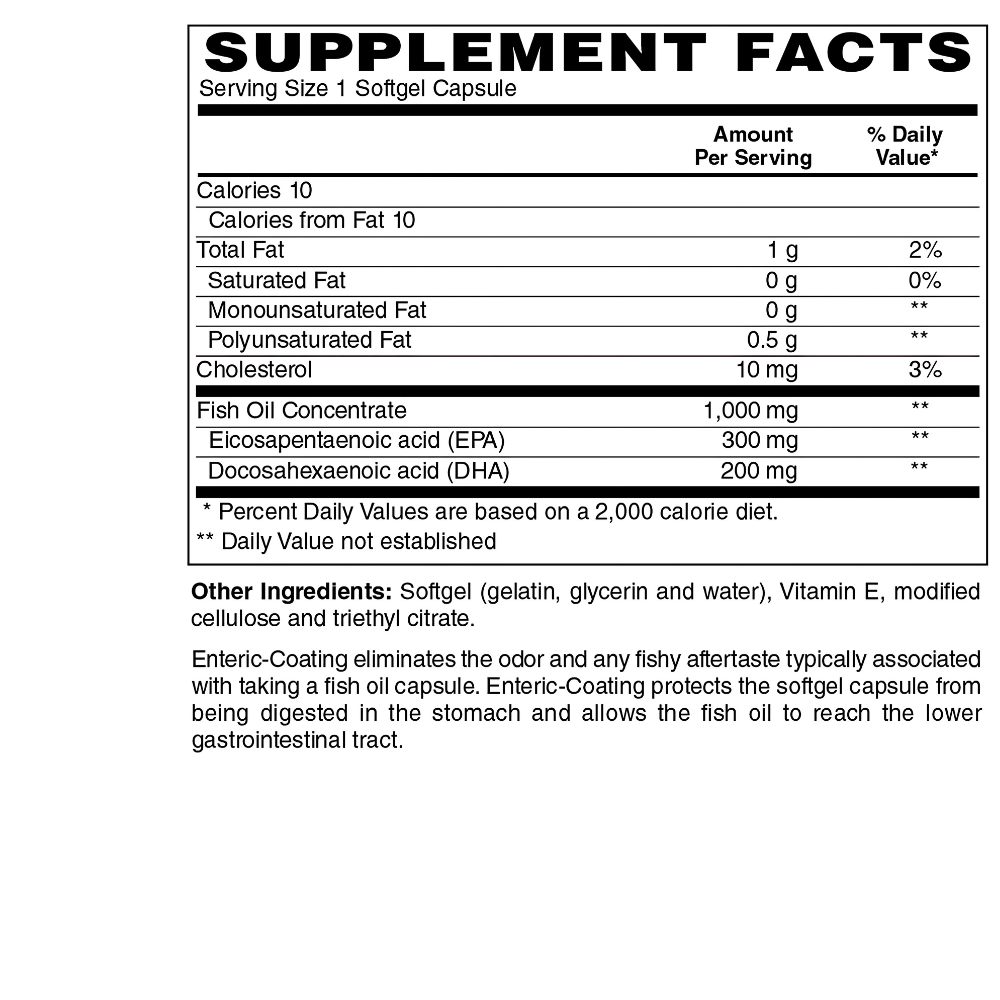
Super Omega-3 es destilado molecularmente para su pureza y contiene altas concentraciones de los ácidos grasos esenciales Omega-3 EPA y DHA (300 mg y 200 mg respectivamente). Los ácidos grasos Omega-3 son un nutriente de apoyo muy importante para la salud cardiovascular, así como para la salud cerebral y ocular. Cada cápsula blanda tiene una cubierta entérica para eliminar el olor y el regusto a pescado típicamente asociados con la ingesta de una cápsula de aceite de pescado. La cubierta entérica también protege las cápsulas blandas de ser digeridas en el estómago y permite que el aceite de pescado llegue al tracto gastrointestinal inferior para su absorción.
Uso sugerido: 1 cápsula blanda 2 veces al día
venta
PATHWAY
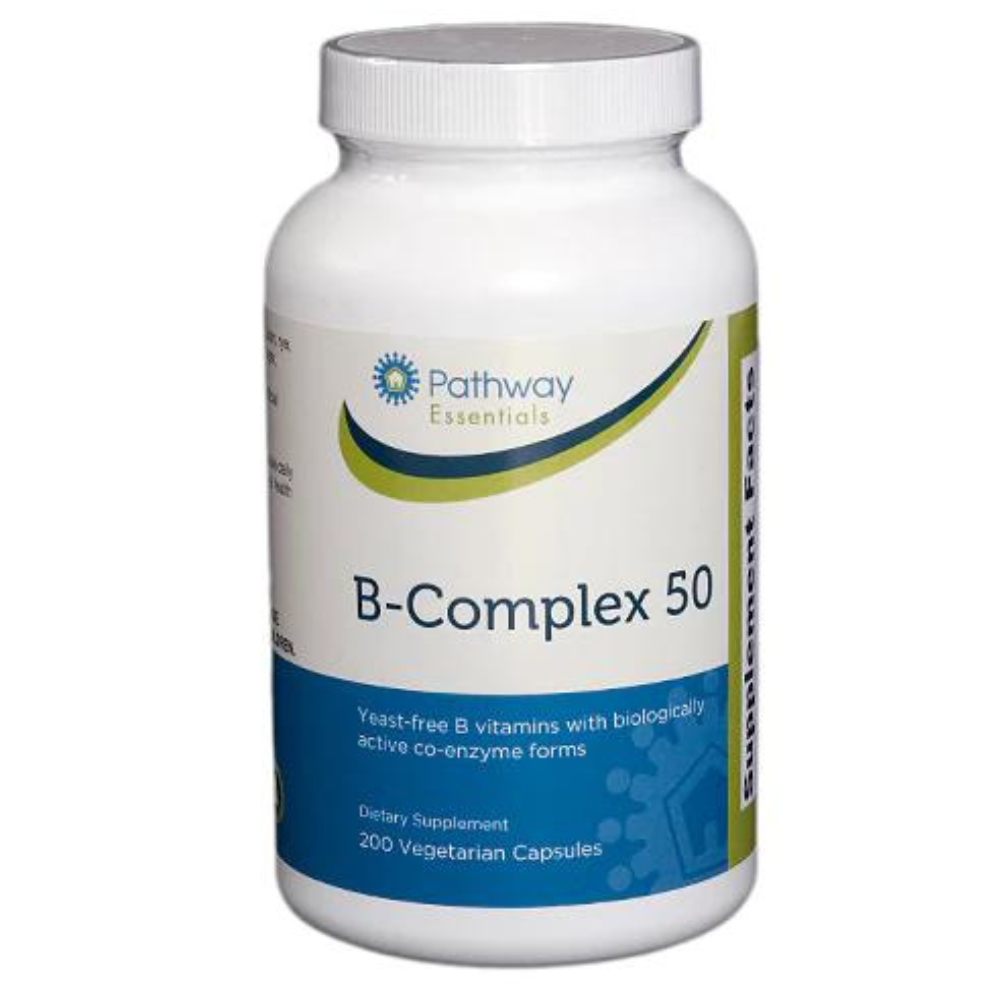
Complejo B 50
No reviews
$38.49
$54.99
Apoyo equilibrado, incluyendo formas de coenzimas
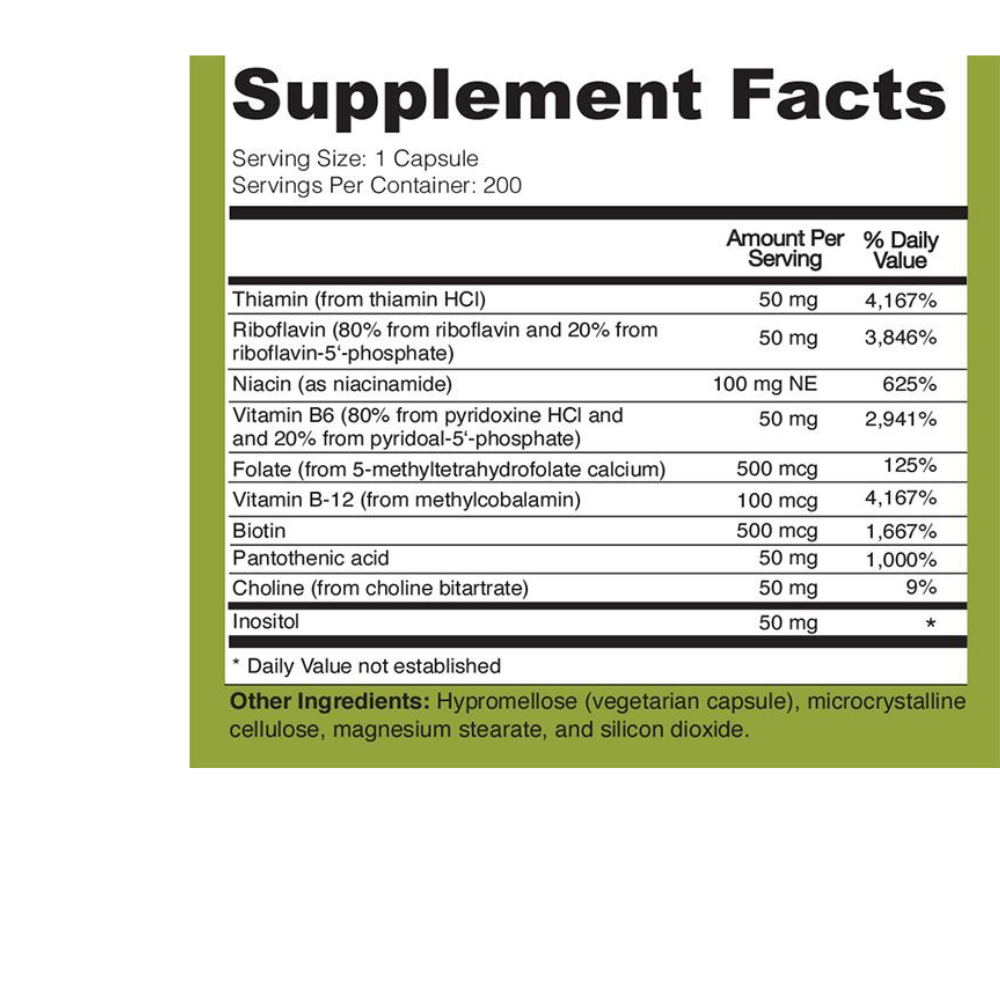
Las vitaminas B están involucradas en un grupo grande e importante de funciones metabólicas en el cuerpo humano. Deben ser repuestas diariamente porque son solubles en agua y, por lo tanto, no acumulan una reserva en el cuerpo. La forma más fácil y mejor de obtener lo que su cuerpo necesita es tomar un suplemento de complejo B como Pathway B-Complex 50. La fórmula de Pathway contiene el complemento completo de vitaminas del complejo B, así como formas de coenzimas. Las vitaminas B trabajan en equipo y siempre deben tomarse juntas en proporciones específicas como las que se encuentran en esta fórmula.
Uso sugerido: 1 cápsula al día con una comida
venta
PATHWAY
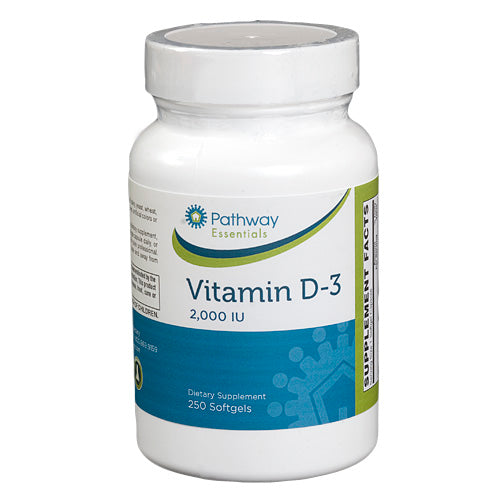
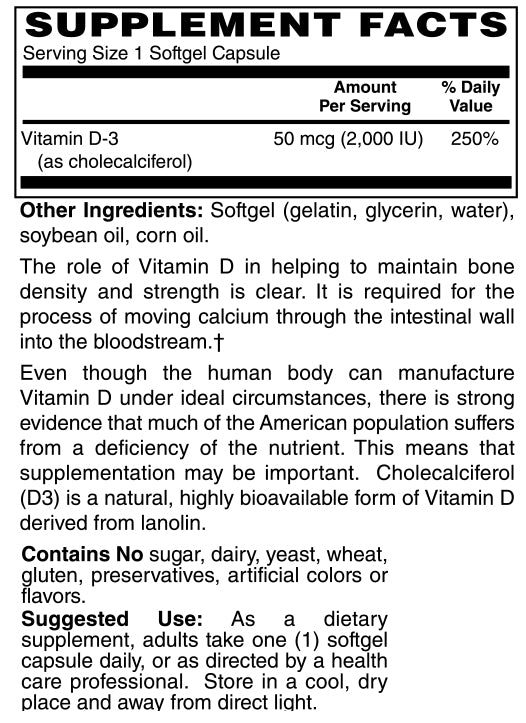
Vitamina D-3 2000 UI
2 reviews
$24.49
$34.99
Importante vitamina para la formación ósea La vitamina D desempeña un papel clave en el mantenimiento de la densidad y la fuerza ósea. También contribuye a la salud cardiovascular, la salud mental, la salud de la piel y la salud del sistema inmunitario. Aunque el cuerpo humano puede producir vitamina D en circunstancias ideales, gran parte de la población estadounidense padece una deficiencia de vitamina D. La vitamina D-3 es la forma más bioactiva de la vitamina D. Uso sugerido: 1 cápsula blanda al día
4. Minerals
Many commonminerals– including calcium, chromium, iodine, iron, lithium, selenium, zinc and magnesium – also impact mental state. Mineral deficiency, or an imbalance, can play a role in decreased overall immunity, lead to poor sleep habits, and cause a sharp increase in instances of major depression. Taking a high-qualitymultivitamin/mineralsupplement can help to avoid deficiencies.
5. The Gut-Brain Link
Recent studies have also delved into the topic of beneficial bacteria and their impact on the gut-brain connection. As it turns out, gut health is directly linked to brain function and optimal health throughout the rest of the body. Imbalances can lead to problems like:
- Depressed immune function
- Mental health conditions
- Focus issues such as attention deficit hyperactivity disorder (ADHD)
- Mood fluctuations
- Sleep disorders
- Poor digestion
Many health professionals recommend probiotics and other dietary supplements like hydrochloric acid and digestive enzymes to help balance gut health and improve overall digestive function. Poor levels of beneficial bacteria and other gastrointestinal imbalances can lead to problems with digestion and nutrient absorption, negatively impacting overall health.
venta
PATHWAY
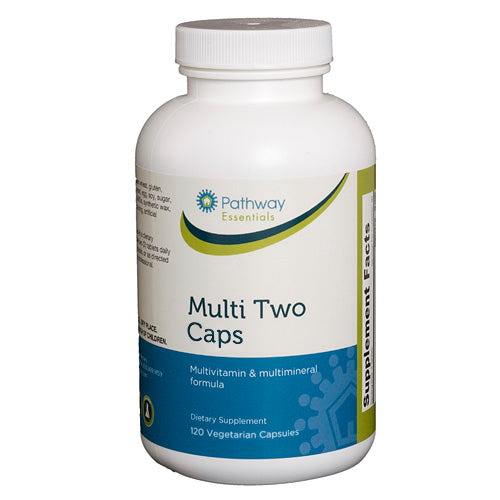
Múltiples dos tapas
4 reviews
$31.49
$44.99
Base equilibrada para el apoyo diarioPara sentirse lo mejor posible, necesita más que el escaso valor diario de nutrientes recomendado por el gobierno. Es por eso que creamos MULTI TWO de Pathway. Con esta fórmula revolucionaria, sabrá que está obteniendo los niveles y la gama de vitaminas, minerales y cofactores que recomendamos para un apoyo diario integral. Además, esta fórmula incorpora las últimas investigaciones sobre el transporte e interacción de nutrientes para mejorar la absorción, por lo que es posible que realmente sienta la diferencia. Uso sugerido: Tome 4 cápsulas diarias divididas entre las comidas
venta
PATHWAY
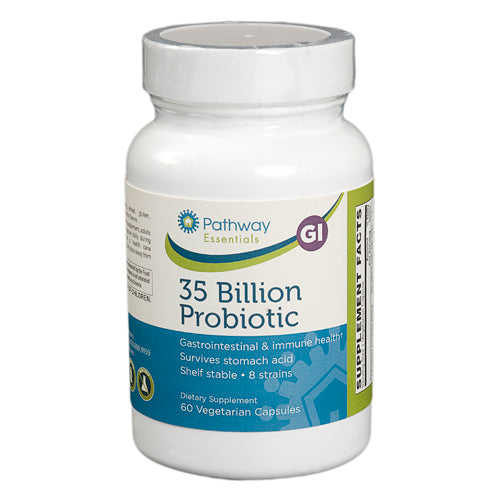
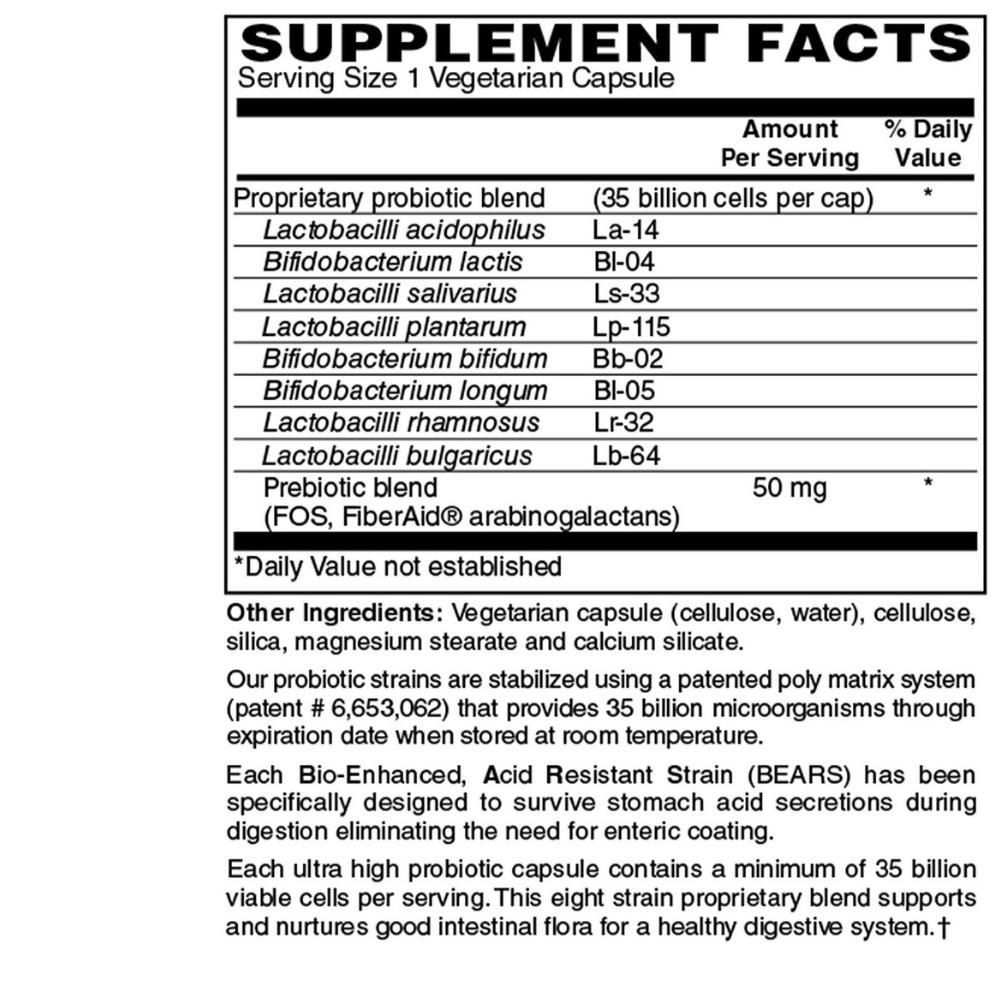
35 mil millones de probióticos
2 reviews
$65.52
$93.60
Probiótico de ultra alta potencia para un apoyo extraintestinalLas bacterias beneficiosas son fundamentales para un sistema digestivo e inmunológico saludable. Esta mezcla probiótica de alta potencia se recomienda cuando se necesita apoyo avanzado debido al uso de antibióticos, viajes o problemas digestivos. Pathway 35 Billion Probiotic presenta 8 cepas de bacterias beneficiosas que están estabilizadas para que no sea necesaria la refrigeración. Además, las bacterias están diseñadas para sobrevivir a los ácidos estomacales para que puedan funcionar eficazmente en su intestino.Uso sugerido: 1 cápsula durante las comidas
venta
PATHWAY
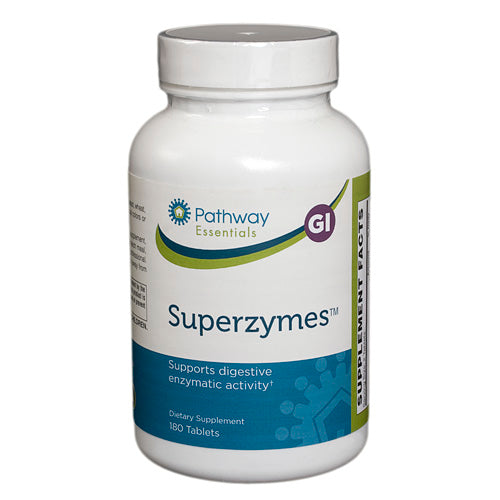
Superenzimas
1 review
$37.79
$53.99
Apoya la actividad enzimática digestiva Las enzimas digestivas son vitales para la correcta digestión y absorción de nutrientes de los alimentos. Pathway Superzymes contiene potentes enzimas digestivas como amilasa, proteasa, lipasa, pepsina, bromelina y papaína para la descomposición de grasas, proteínas e hidratos de carbono. Esta fórmula también incluye hidrocloruro de betaína y bilis de buey, para un mayor apoyo en la emulsificación de grasas y la descomposición de proteínas. Pathway Superzymes también protege el cuerpo contra patógenos dañinos. Uso sugerido: 2 tabletas después de cada comida
Taking the right supplements can have a major impact on mental well-being. Getting enough of the right nutrients may be able to help reduce or eliminate symptoms of depression and elevate mood.
7 Common Causes of Nutrient Deficiencies
Nutrient deficiencies can occur for a variety of reasons. Sometimes people assume they have good nutritional habits only to discover they have a deficiency that may be contributing to poor mental function, depression or anxiety. Getting more key nutrients from food sources, as well as adding dietary supplements, can help with deficiencies and improving nutritional status. Here are some of the most common causes of deficiency:
1. Daily Diet
Diets that are high in processed foods and low in nutrients are often linked to depression, so making a shift in your eating patterns can be a great way to help boost your mood. Some people avoid certain healthy foods due to texture difficulties, picky eating, or simply personal preferences, while others may unintentionally limit nutrient content of their foods through:
- Restrictive diets, including low-carb diets or low protein intake, which can make people deficient in amino acids
- Vegetarian or vegan diets, which are typically low in B12 vitamins and can lead to symptoms of vitamin B12 deficiency
- Not eating enough fruits and vegetables
- Low-fat diets
Eating a healthy, balanced diet that includes fruits and vegetables, good sources of protein and essential fatty acids, and limiting processed foods, is a great way to boost mood and decrease your risk of mental health problems
2. Ability to Absorb Nutrients
Your genetics can impact the metabolism of certain vitamins, including vitamins A and D, and folate. Some people cannot process these substances properly, which can lead to vitamin deficiencies. Others may struggle to break down the nutrient forms provided in some supplement brands, typically those of lesser quality, which makes it crucial to choosehigh-quality supplements.
3. Less-Than-Healthy Lifestyle Habits
Both smoking and regular alcohol use can deplete many of the vitamins in the blood. Heavy alcohol users are more likely to have poor nutritional habits, which can lead to imbalances within the body and eventually to mental health disorders like depression.
4. Medications
Some medications naturally deplete nutrient stores in the body. Others may make it difficult for your body to process certain vitamins and minerals. Your healthcare provider or nutritionally-oriented pharmacist may suggest supplements if a prescribed medication is draining your body of certain nutrients.
5. High Levels of Stress
High levels of stress can interfere with your ability to absorb and process vitamins or minerals because your body is running on a "fight or flight" response and may not be able to perform its everyday functioning as well. Depression symptoms may increase alongside stress levels, too, making it essential to findways to calm your mind and body.
6. Chronic Diseases
Some chronic diseases can cause issues with processing nutrients in food. As a result, some patients with chronic diseases may suffer from increased risk of depression and major depressive disorders, or struggle to receive the right treatment for depression symptoms.
7. Pregnancy
Pregnancy increases the demand on the body for certain nutrients. Back-to-back pregnancies can further deplete stores in the body and lead to increased deficiencies, as well as deficiencies in the mother that are passed to the baby. This makes it important for pregnant women to consult with their doctor to ensure their nutrient levels stay where they need to be.
Summing Up
Vitamin and mineral deficiencies can contribute to a host of conditions and lead to significant mental health issues. Taking dietary supplements can help support mental health and well-being, balance your nutritional levels, and improve overall functioning.
If you're looking for high-quality supplements to aid your mental wellness or support your overall health, contact Village Green Apothecary to speak with an expert about supplements and their impact on wellness.
Related Articles:
Categories
Categories
Humanized Health - NEW!
Learn about personalized health from top experts! Check out our fascinating new shows every week, available as videos, podcasts and transcripts.:
Our Bloggers
-
 Paula Gallagher
Paula is a highly qualified and experienced nutrition counselor on the staff at Village Green.
read more.. -
 Margo Gladding
Margo's impressive knowledge base is the result of a unique blend of educational and professional experience.
read more.. -
 Dr. Neal Barnard
Dr. Barnard leads programs advocating for preventive medicine, good nutrition, and higher ethical standards in research.
read more.. -
 Dr. Joseph Pizzorno
Dr. Joseph Pizzorno, ND is a pioneer of integrative medicine and a leading authority on science-based natural medicine.
read more.. -
 Debi Silber
Debi is a registered dietitian with a master’s degree in nutrition, a personal trainer, and whole health coach.
read more..
SEE ALL OF OUR BLOGGERS
Invalid password
Enter


Learning Resources
Consultas
Farmacia/Preparación de medicamentos
Salud Humanizada
Blog de Village Green
General Information
Contáctenos
Sobre nosotros
Política de privacidad
Oportunidades de Empleo
Programa de afiliados
Stay Connected
Village Green Apothecary
5415 W Cedar Ln
Bethesda, Maryland, 20814
(301) 530-0800
Toll Free: (800) 869-9159
The information provided on this site is not intended to be a substitute for advice or treatment from a qualified physician, nor is it intended to diagnose or treat a health problem or disease. Consult your physician prior to starting any new health program or if you any questions regarding a medical condition.
© 2025 Village Green Apothecary - All Rights Reserved.
