 FREE SHIPPING! Automatically Applied on Orders Over $74!



A medida que me acercaba a los 40, comencé a notar cambios sutiles en mi cuerpo y mente. Sofocos, períodos irregulares y cambios de humor se estaban convirtiendo en compañeros familiares, pero nada me preparó para la niebla mental. Si estás pasando por una experiencia similar, sabe que no estás sola. De hecho, un estudio muestra que hasta el 60% de las mujeres de mediana edad reportan dificultad para concentrarse y otros problemas de cognición.
¿Qué es la niebla mental de la perimenopausia?
La perimenopausia, la fase de transición antes de la menopausia, trae una variedad de síntomas, uno de los cuales es la niebla mental. La niebla mental se manifiesta como olvido, dificultad para concentrarse y confusión mental. Las tareas que antes parecían sencillas pueden volverse desafiantes, y esto puede ser increíblemente frustrante. Otro estudio encontró que las mujeres en las primeras etapas de la menopausia experimentaron problemas más notorios con la cognición, específicamente en el primer año después de su último período menstrual.
La lucha diaria
Para muchas mujeres, la niebla mental se ha convertido en parte de su vida diaria. Cosas simples como recordar dónde puse mis llaves o recordar el nombre de un colega pueden volverse vergonzosas. La niebla mental puede presentarse de manera diferente en cada mujer. Donde la multitarea pudo haber sido tu superpoder, ahora se siente como un desafío insuperable. Algunas mujeres se encuentran mirando fijamente la pantalla de una computadora, incapaces de concentrarse en la tarea en cuestión. Algunas dicen que se siente como si su cerebro hubiera presionado un botón de pausa sin permiso.
Entender las causas
Comprender las causas de la niebla mental puede ser algo reconfortante. Durante la perimenopausia, los niveles hormonales, particularmente el estrógeno y la testosterona, fluctúan drásticamente. Estas hormonas son cruciales para la función cerebral, incluyendo la memoria y la concentración. Cuando sus niveles disminuyen, puede conducir a las dificultades cognitivas que a menudo denominamos niebla mental.
venta
PATHWAY
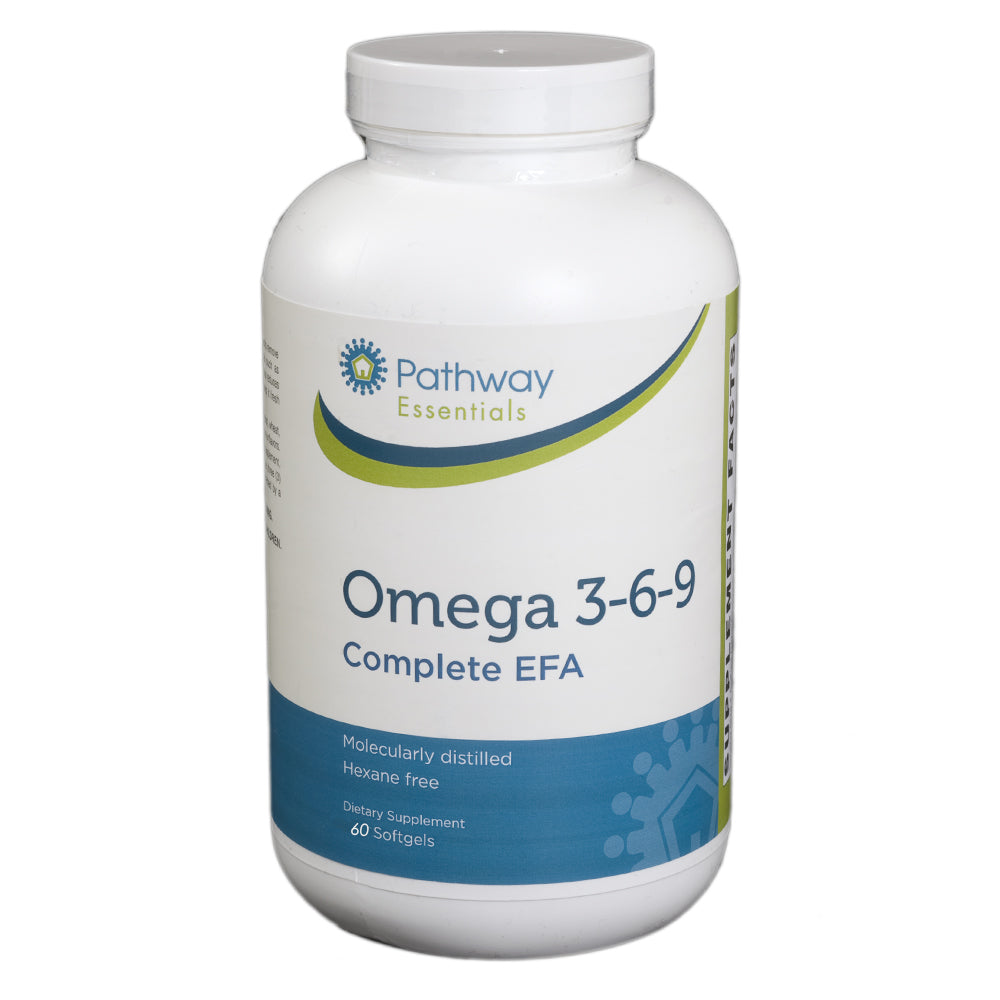
Omega 3, 6, 9 (Efa Completo)
No reviews
$17.49
$24.99
Una mezcla perfecta de AGE Nuestra mezcla completa de AGE Omega 3-6-9 contiene aceite de pescado destilado molecularmente con altas concentraciones de importantes omega-3 EPA y DHA. Omega 3-6-9 también contiene aceites de semillas de lino y borraja prensados en frío y sin hexano, que aportan omega-6 y omega-9 AGE. Uso sugerido: 1 cápsula blanda tres veces al día con las comidas
Dealing With Brain Fog
The good news is that brain health can be supported with simple lifestyle changes. Although memory loss and brain fog can be alarming, there’s no need to panic about these menopausal effects on the brain. Midlife is a turning point, and there are many proactive steps you can take to support brain function.
Mindfulness and Meditation: Practicing mindfulness and meditation helps me stay grounded and reduces anxiety, which can exacerbate brain fog. Even a few minutes of deep breathing can make a difference.
Organization Tools: I’ve become best friends with lists and planners. Writing things down as soon as they come to mind helps me keep track of tasks and reduces the stress of trying to remember everything.
Healthy Lifestyle: Eating a balanced diet, staying hydrated, and exercising regularly have a positive impact on my overall well-being, including my cognitive function. There are links between what we eat and our hormone balance. A brain-friendly diet is rich in polyunsaturated fatty acids, such as Omega 3 and Omega 6, which are found in eggs, fish, nuts and seeds and supplements.
Adequate Sleep: Sleep is crucial for cognitive function. Aim for a consistent sleep schedule and create a calming bedtime routine to improve the quality of sleep.
Mental Stimulation: Keeping the brain active through puzzles, reading, and learning new skills helps keep the mind sharp. It’s like giving the brain a workout.
Hormone Therapy: Menopausal Hormone Therapy involves taking either low-dose estrogen or a combination of estrogen and progestin. These hormones may help with many symptoms experienced during menopause, not just memory loss.
Support System: Talking about my experiences with friends and family has been invaluable. Knowing that others understand what I'm going through and can offer support makes a huge difference.
Categories
Categories
Humanized Health - NEW!
Learn about personalized health from top experts! Check out our fascinating new shows every week, available as videos, podcasts and transcripts.:
Our Bloggers
-
 Paula Gallagher
Paula is a highly qualified and experienced nutrition counselor on the staff at Village Green.
read more.. -
 Margo Gladding
Margo's impressive knowledge base is the result of a unique blend of educational and professional experience.
read more.. -
 Dr. Neal Barnard
Dr. Barnard leads programs advocating for preventive medicine, good nutrition, and higher ethical standards in research.
read more.. -
 Dr. Joseph Pizzorno
Dr. Joseph Pizzorno, ND is a pioneer of integrative medicine and a leading authority on science-based natural medicine.
read more.. -
 Debi Silber
Debi is a registered dietitian with a master’s degree in nutrition, a personal trainer, and whole health coach.
read more..
SEE ALL OF OUR BLOGGERS
Invalid password
Enter


Learning Resources
Consultas
Farmacia/Preparación de medicamentos
Salud Humanizada
Blog de Village Green
General Information
Contáctenos
Sobre nosotros
Política de privacidad
Oportunidades de Empleo
Programa de afiliados
Stay Connected
Village Green Apothecary
5415 W Cedar Ln
Bethesda, Maryland, 20814
(301) 530-0800
Toll Free: (800) 869-9159
The information provided on this site is not intended to be a substitute for advice or treatment from a qualified physician, nor is it intended to diagnose or treat a health problem or disease. Consult your physician prior to starting any new health program or if you any questions regarding a medical condition.
© 2025 Village Green Apothecary - All Rights Reserved.
