 FREE SHIPPING! Automatically Applied on Orders Over $74!



Los investigadores han sospechado durante mucho tiempo que la conexión entre nuestro intestino y el cerebro influye significativamente en el desarrollo de la enfermedad de Parkinson. Un estudio reciente, dirigido por el investigador médico Hiroshi Nishiwaki de la Universidad de Nagoya, ha identificado microbios intestinales específicos que probablemente estén involucrados en este proceso. El estudio señala la disminución de los niveles de riboflavina (vitamina B2) y biotina (vitamina B7) como factores clave, sugiriendo que la suplementación con vitaminas B podría beneficiar a un subgrupo de pacientes con Parkinson que presentan disbiosis intestinal.
La conexión intestino-cerebro en la enfermedad de Parkinson
La enfermedad de Parkinson es un trastorno neurodegenerativo que afecta a casi 10 millones de personas en todo el mundo. Afecta principalmente a las células productoras de dopamina en el cerebro, lo que provoca síntomas como temblores, rigidez y bradicinesia (lentitud de movimiento). Los síntomas no motores, como el estreñimiento y los problemas de sueño, pueden manifestarse hasta 20 años antes del inicio de síntomas más graves como la demencia y la pérdida del control muscular.
Investigaciones anteriores han demostrado que las personas con enfermedad de Parkinson experimentan cambios en su microbiota intestinal mucho antes de que aparezcan otros signos. El nuevo estudio de Nishiwaki y sus colegas refuerza esta conexión al analizar muestras fecales de 94 pacientes con Parkinson y 73 controles sanos en Japón, y comparar los resultados con datos de China, Taiwán, Alemania y Estados Unidos.
venta
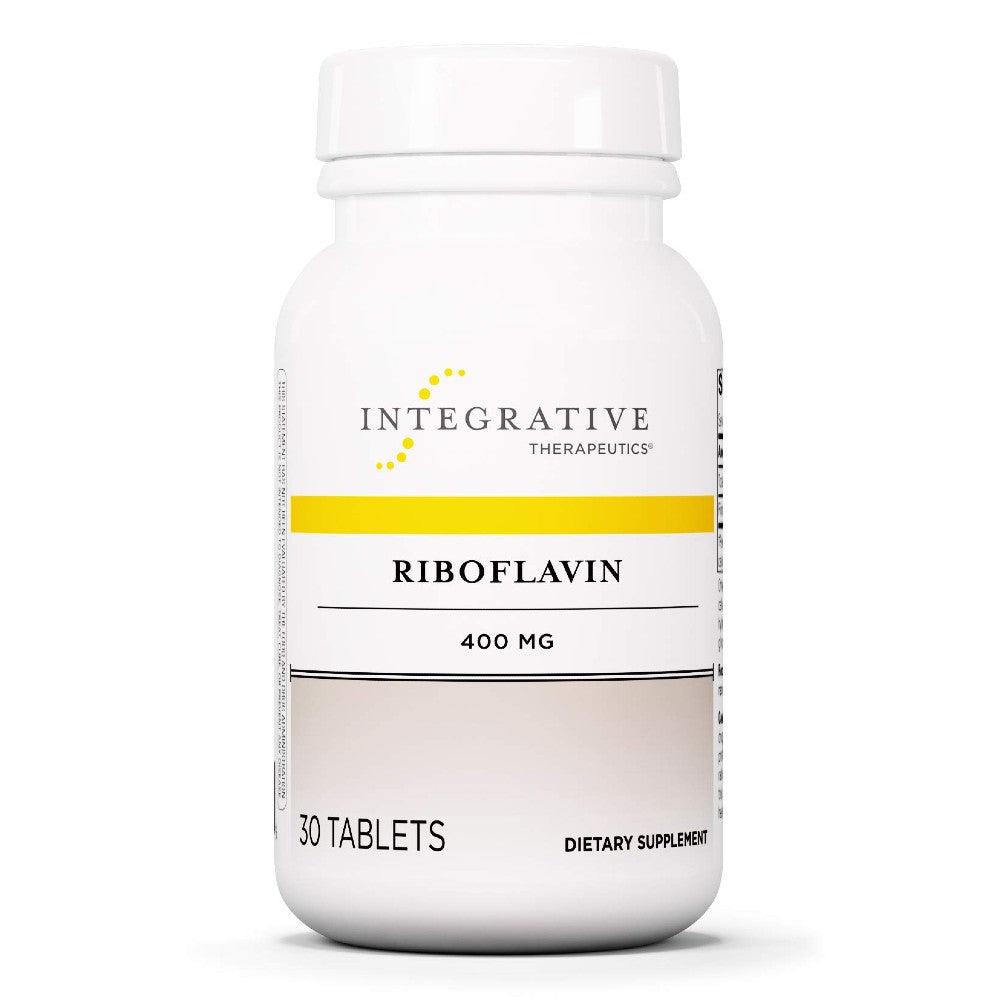
INTEGRATIVE THERAPEUTICS
Riboflavina
No reviews
$13.99
$13.99
La riboflavina funciona en dos enzimas importantes (FMN y FAD) que participan en laproducción de energía y es necesaria en los mecanismos de defensa de las enzimas antioxidantes.La medicina integrativa es una colaboración de terapias seguras y eficaces de lamedicina convencional y complementaria. Los profesionales integradores van más allá delos síntomas para identificar y abordar la causa raíz y trabajan mano a mano conlos pacientes para desarrollar un plan de atención. Este enfoque colaborativo y orientado al bienestara menudo incluye la nutrición clínica, tanto a través de la dieta como dela suplementación nutricional, y ahí es donde entran los suplementos Integrative Therapeutics.Integrative Therapeutics es uno de los principales fabricantes desuplementos utilizados hoy en día por los profesionales integradores, incluidoslos naturópatas, quiroprácticos, nutricionistas, acupunturistas, así como unavariedad de profesionales de la salud general y especializados.
Características:
Una vitamina esencial para la producción de energía
Perfecto para vegetarianos.
Este producto es vegetariano y sin gluten
venta
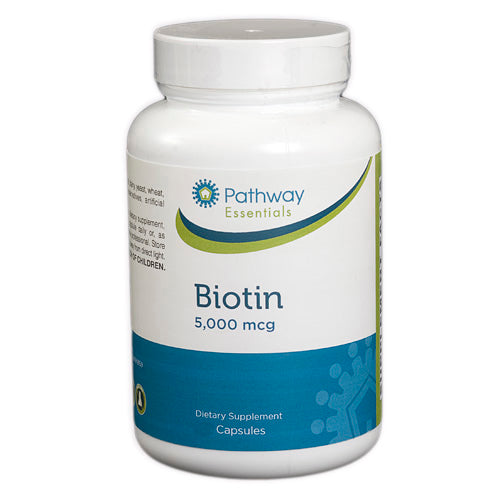
PATHWAY
Biotina
No reviews
$16.79
$23.99
Fortalece las uñas quebradizas La biotina es una coenzima importante que participa en varios procesos del cuerpo. Es un miembro de la familia de las vitaminas B y es un nutriente esencial en la nutrición humana. La biotina participa en la biosíntesis de ácidos grasos, la producción de energía y el metabolismo. La biotina se ha utilizado ampliamente como apoyo nutricional para la salud de la piel, el cabello y las uñas. Uso sugerido: 1 tableta al día con una comida
Key Findings: Gut Bacteria, B Vitamins, and Parkinson's Disease
Despite variations in the specific bacteria involved across different countries, the study found a common thread: all the bacteria influenced pathways that synthesize B vitamins in the body. Researchers discovered that changes in gut bacteria were linked to decreased levels of riboflavin and biotin in Parkinson's patients.
Key Findings:
- Gut Dysbiosis: Parkinson's patients exhibited significant differences in gut microbiota compared to healthy controls.
- Vitamin Deficiency: The altered gut bacteria were associated with reduced levels of riboflavin and biotin.
- Intestinal Health: A deficiency in these vitamins was linked to decreased short-chain fatty acids (SCFAs) and polyamines, which are crucial for maintaining a healthy mucus layer in the intestines.
Nishiwaki explains that deficiencies in polyamines and SCFAs could lead to a thinner intestinal mucus layer, increasing intestinal permeability—a condition observed in Parkinson's disease. This weakened protective layer may expose the intestinal nervous system to more toxins, including cleaning chemicals, pesticides, and herbicides, which are increasingly present in our environment.
The Role of Toxins and α-Synuclein
The study suggests that exposure to these toxins could lead to the overproduction of α-synuclein fibrils. These molecules accumulate in dopamine-producing cells in the brain's substantia nigra region, causing increased nervous system inflammation and eventually leading to the motor and dementia symptoms characteristic of Parkinson's disease.
Potential Treatment: B Vitamin Supplementation
A 2003 study found that high doses of riboflavin could help recover some motor functions in Parkinson's patients who also eliminated red meat from their diets. This new research builds on that finding, proposing that high doses of vitamin B might prevent some of the damage caused by gut dysbiosis and toxin exposure.
Implications for Treatment:
- Personalized Approach: Not all Parkinson's patients experience the same causes and symptoms. Individual assessments through gut microbiota or fecal metabolite analysis could identify specific deficiencies.
- B Vitamin Supplementation: Administering oral riboflavin and biotin supplements to those with decreased levels could potentially create an effective treatment for a subset of patients.
Categories
Categories
Humanized Health - NEW!
Learn about personalized health from top experts! Check out our fascinating new shows every week, available as videos, podcasts and transcripts.:
Our Bloggers
-
 Paula Gallagher
Paula is a highly qualified and experienced nutrition counselor on the staff at Village Green.
read more.. -
 Margo Gladding
Margo's impressive knowledge base is the result of a unique blend of educational and professional experience.
read more.. -
 Dr. Neal Barnard
Dr. Barnard leads programs advocating for preventive medicine, good nutrition, and higher ethical standards in research.
read more.. -
 Dr. Joseph Pizzorno
Dr. Joseph Pizzorno, ND is a pioneer of integrative medicine and a leading authority on science-based natural medicine.
read more.. -
 Debi Silber
Debi is a registered dietitian with a master’s degree in nutrition, a personal trainer, and whole health coach.
read more..
SEE ALL OF OUR BLOGGERS
Invalid password
Enter


Learning Resources
Consultas
Farmacia/Preparación de medicamentos
Salud Humanizada
Blog de Village Green
General Information
Contáctenos
Sobre nosotros
Política de privacidad
Oportunidades de Empleo
Programa de afiliados
Stay Connected
Village Green Apothecary
5415 W Cedar Ln
Bethesda, Maryland, 20814
(301) 530-0800
Toll Free: (800) 869-9159
The information provided on this site is not intended to be a substitute for advice or treatment from a qualified physician, nor is it intended to diagnose or treat a health problem or disease. Consult your physician prior to starting any new health program or if you any questions regarding a medical condition.
© 2025 Village Green Apothecary - All Rights Reserved.
