 FREE SHIPPING! Automatically Applied on Orders Over $74!



If you live with IBS, the gut-brain axis connection to your microbiome helps explain why symptoms so often feel bigger than "just" a digestive issue. IBS isn't simply a localized problem in the gut; it's increasingly understood as a systems disorder rooted in disrupted communication between the brain, the gut, and the trillions of microbes that live there. That constant back-and-forth shapes daily comfort more than most people realize. When the signals get scrambled by chronic stress or a poor diet, gut motility shifts, and symptoms tend to follow. Understanding the whole system, not just the belly, is often where real relief starts.
When Your Gut Talks to Your Brain
The gut-brain axis is the two-way communication network linking your digestive tract and your central nervous system. It runs on several components at once: nerves, hormones, and immune signals, all working in parallel.
Your gut has its own dense web of neurons, sometimes called the "second brain", and it actually sends far more signals up to your head than it receives back. So when your stomach churns before a stressful meeting, that's the axis at work in real time. The conversation between gut and brain never really stops.
Research on the microbiota-gut-brain axis frames IBS specifically as a systems disorder, one rooted in disrupted communication between the brain, gut, and the microbial community living inside it, rather than a problem confined to the gut alone.
How the Gut-Brain Axis Actually Works

Several overlapping pathways carry signals back and forth between gut and brain. The main routes include:
The vagus nerve, a direct line between the gut and the brainstem
Neurotransmitters like serotonin, much of which is actually produced in the gut, not the brain
Immune signaling and inflammatory messengers
Short-chain fatty acids, produced when gut microbes ferment fiber
The HPA axis, or central stress-hormone pathway
Serotonin shows just how gut-centered this system is. Most of the body's serotonin is made in the gut, not the brain, which is one reason microbial balance and mood tend to shift together. Research on neurotransmitter and intestinal interactions in the microbiota-gut-brain axis points to these signals as a core part of why IBS symptoms so often overlap.
Your Microbiome Runs the Conversation
Your microbiome acts as something like a moderator for this entire exchange. Microbial balance in the gut helps regulate motility, mood-related signaling, and immune response all at once.
The microbiota-gut-brain axis is an active area of research, and several studies have linked changes in gut flora to mood and mental sootheth outcomes. When that microbial balance shifts, the signals traveling up to the brain shift too, which is part of what makes the connection between the microbiome and mental sootheth such an active research focus. Because the gut produces the majority of the body's serotonin, the serotonin gut-brain axis means microbial balance and mood tend to move together.
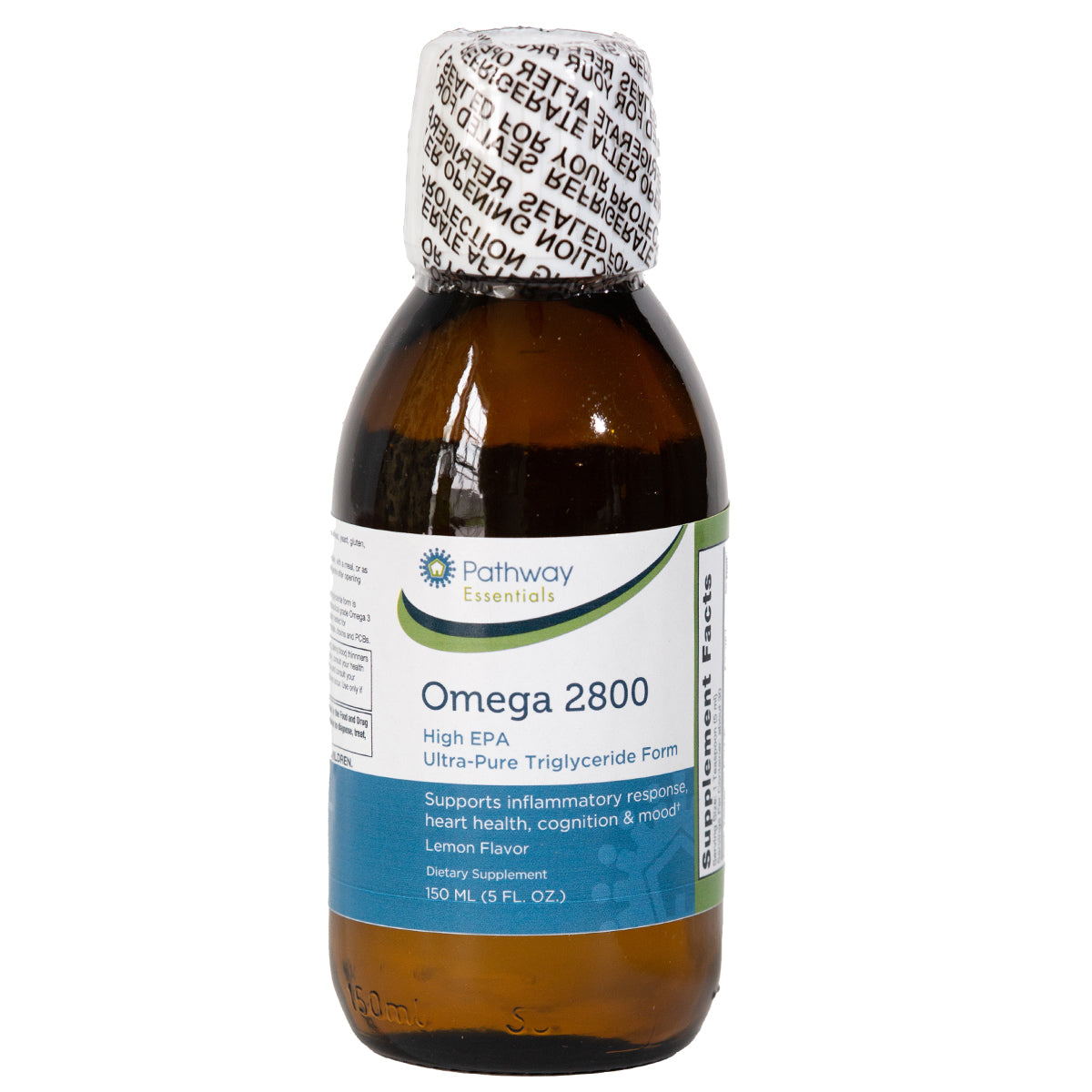
Omega-3 fatty acids and steady blood sugar both play supporting roles in this system. A quality fish oil like Omega 2800 in triglyceride form may help support that nutritional foundation.
Why IBS Lives on This Axis
The IBS gut-brain axis connection is a tight one, which is part of why symptoms so rarely show up in isolation. Many people describe the same overlapping trio:
Abdominal pain or cramping
Anxiety or low mood
Irregular bowel movements
The Self-Perpetuating Cycle

Chronic stress and a poor diet can alter brain signaling and gut motility at the same time, creating a loop where physical discomfort feeds anxiety, and anxiety in turn worsens discomfort.
Standard treatments often only take a bite out of this cycle rather than closing it off completely. While both low-FODMAP diets and antibiotics may help to alleviate symptoms in the short term, both have the potential to impact long-term gut soothing, as they influence the microbiome and motility of the gut. In other words, the treatment that works for your symptoms this week may decrease microbial diversity over months, which is worth keeping in mind if you’re considering using either option on a long-term basis.
Stress, the Gut, and the Blood-Brain Barrier
Stress acts as an amplifier on this whole system. With stress and gut-brain axis signaling, chronic stress keeps the HPA axis switched on, which can shift gut motility and loosen the integrity of the gut lining over time.
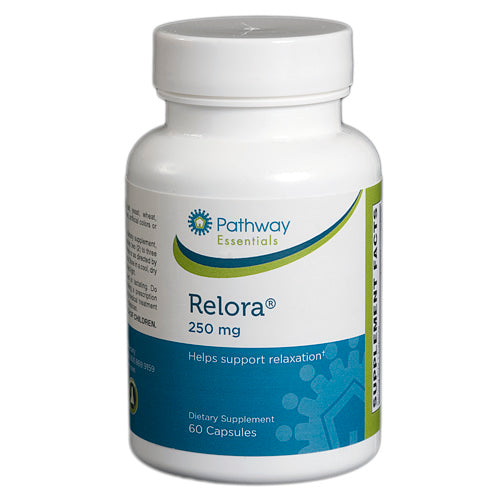
Researchers are also studying how gut microbes influence the blood-brain barrier itself, since gut-brain axis inflammation and the signals it generates appear capable of affecting both the gut lining and the blood-brain barrier. Calming the stress response is a genuine, practical lever here; botanical blends like Relora and magnesium glycinate are commonly used to help support a calmer physiological baseline.
If your symptoms track closely with stress, a clinician's perspective can help. A Lab Review Consultation can help map out what's actually driving the cycle for you specifically.
This isn't fringe theory anymore. A wide body of research frames the microbiota-gut-brain axis as central to IBS and to several psychiatric conditions, with inflammatory signaling from the gut studied as one pathway that may reach the brain. That's the case for treating stress as a real, physiological lever rather than an afterthought.
Everyday Ways to Support the Gut-Brain Axis
How to help with the gut-brain axis
You can't reset this entire system overnight, but small, consistent habits can support both ends of the axis over time:
Provide your microbiome with diverse fibers and fermented foods
Protect your sleep, poor sleep disrupts both gut and brain rhythms
Get moving every day! Even a walk can help with soothethy motility.
Manage stress through breathwork, downtime, or a gentler daily routine
Add targeted support like omega-3s or magnesium where appropriate
Keep blood sugar steady with balanced, regular meals
A Note on Antimicrobials
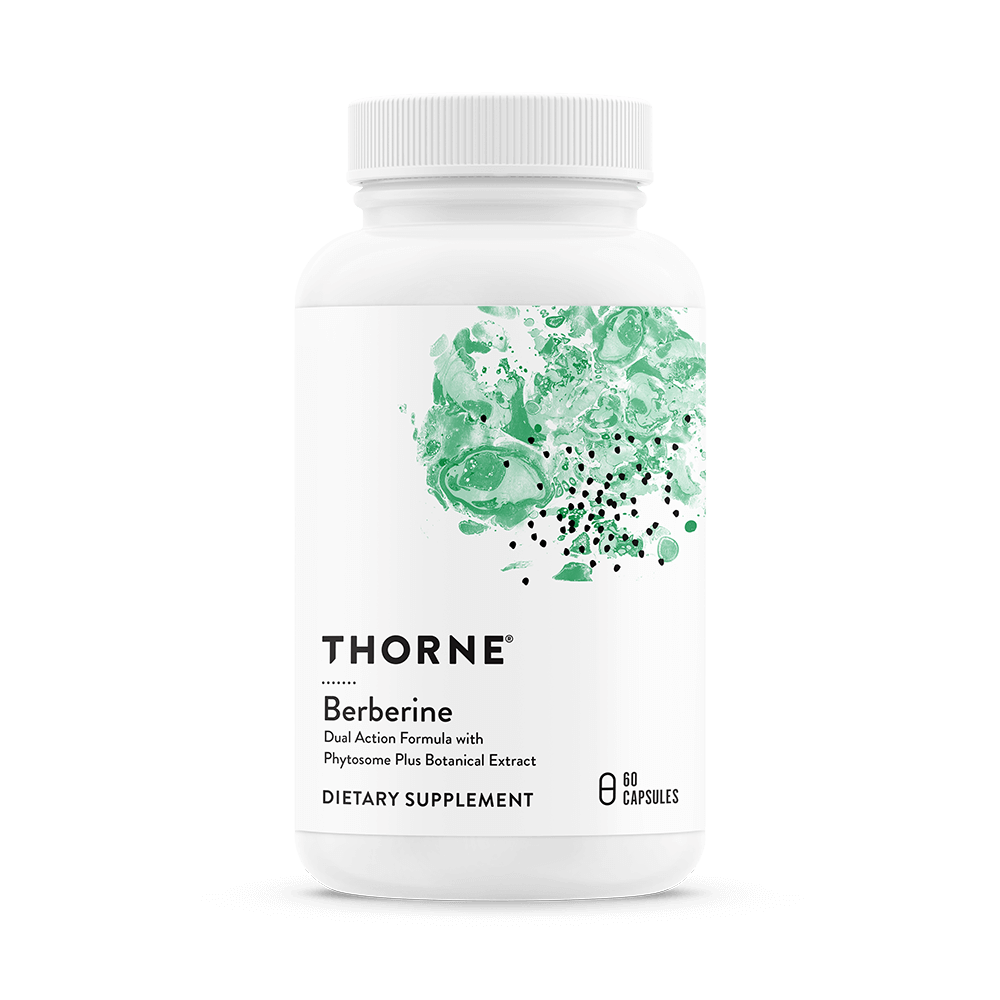
Some people explore botanical options like Allimed 450mg or Berberine when microbial overgrowth is suspected. These are best used with professional guidance rather than on a guess.
Key Takeaways
The prevailing view of IBS today is that it is a system disorder, in which communication among the brain, gut and microbiome goes awry.
Chronic stress and poor diet can alter brain signaling and gut motility simultaneously, creating a self-perpetuating cycle.
Common symptoms cluster together: abdominal pain, anxiety, and irregular bowel movements.
Low-FODMAP diets and antibiotics may offer short-term relief but can compromise long-term gut sootheth if used without a broader strategy.
Supporting the whole axis, sleep, stress, diet, and targeted nutrients, may help support more lasting comfort than addressing any single piece alone.
Frequently Asked Questions
How to soothe gut-brain axis
There's no overnight fix, but you can support the gut-brain axis by feeding your microbiome varied fiber and fermented foods, protecting sleep, moving daily, and calming your stress response. Steady blood sugar and targeted nutrients like omega-3s or magnesium may help support the effort too. Consistency over weeks tends to matter more than any single move. If symptoms track closely with stress, a lab review consultation can help pinpoint what's driving the cycle for you.
Is IBS a gut problem or a brain problem?
It's genuinely both, which is why it doesn't respond well to treatments that target only one side. Research frames IBS as a disruption in the ongoing communication loop between gut, brain, and microbiome, so effective approaches tend to address diet, stress, and gut sootheth together rather than in isolation.
Why do stress and anxiety make IBS symptoms worse?
Stress keeps the body's HPA stress-response system activated, which can directly shift gut motility and increase gut sensitivity. Because the gut and brain are in constant two-way communication, psychological stress and physical gut symptoms tend to reinforce each other, which is part of why anxiety and IBS symptoms so often show up together.
Can fixing my diet alone resolve issues in the gut-brain axis? Diet is key, but probably not everything. Short-term dietary changes such as a low-FODMAP diet can be helpful in reducing symptoms, but can decrease microbial diversity if done long-term without reintroduction. Long-term strategies often incorporate diet along with sleep, stress, and movement.
What role does the microbiome play in mood, not just digestion?
A meaningful one. Because the gut produces most of the body's serotonin, and gut microbes help regulate that production, shifts in microbial balance can influence mood-related signaling as well as digestive symptoms. This is a major reason researchers now study gut and mental sootheth together rather than separately.
Would probiotics or supplements be sufficient to help resolve IBS symptoms without the need for lifestyle changes? Typically no. Targeted nutrients such as omega-3s, magnesium, or certain botanicals can provide some support; however, these will usually perform better when integrated with other factors such as nutrition, rest, and stress reduction rather than on their own.
When to see a doctor for IBS If your symptoms are frequent, are impacting your quality of life, or you think may be related to stress, consider seeking guidance from a clinician instead of trying to figure it out all on your own. The Lab Review can uncover what’s really going on with your individual symptoms.
venta
PATHWAY
Omega 2800 - Forma de triglicérido ultrapuro
No reviews
$44.79
$63.99
Aceite de pescado líquido ultrapuro y de alta potenciaPathway Omega 2800 es un aceite de pescado con certificación de grado farmacéutico que proporciona ácidos grasos omega-3 altamente purificados y concentrados, formulado con una alta proporción de EPA (ácido eicosapentaenoico) a DHA (ácido docosahexaenoico) para obtener beneficios específicos para la salud. Se ha demostrado que los omega-3, especialmente en proporciones más altas de EPA a DHA, son beneficiosos para la modulación de la inflamación, la salud cerebral, la función cardiovascular y la salud de las articulaciones. Los omega-3 con alto contenido de EPA también han sido bien estudiados por sus propiedades estabilizadoras del estado de ánimo.Obtenido de peces de agua fría noruegos (anchoa, sardina y caballa), Omega 2800 es destilado molecularmente y probado por el fabricante, así como por terceros, para detectar contaminantes y agentes contaminantes ambientales, incluidos metales pesados, pesticidas, dioxinas y PCB. Nuestra tecnología de procesamiento y el sabor natural de limón patentado garantizan la ausencia de olor, sabor o regusto a pescado. Además, nuestro Omega 2800 suministra aceite de pescado en la forma de triglicérido reesterificado preferida para optimizar su eficacia. La mayoría de los aceites de pescado contienen la forma de ácido graso "éster etílico", moléculas sintéticas de omega-3, que han demostrado ser menos eficaces en la entrega de ácidos grasos esenciales al cuerpo durante la digestión y el metabolismo.Uso sugerido: Los adultos deben tomar de ½ a 1 cucharadita diaria con una comida, o según las indicaciones de su médico. Refrigerar después de abrir y usar dentro de los 60 días posteriores a la apertura del envase.
venta
PATHWAY
Relora
No reviews
$23.79
$33.99
Controla la alimentación inducida por el estrés Relora® contiene dos extractos vegetales patentados en proceso de aprobación, uno de Magnolia officinalis y el otro de Phellodendron amurense. Se ha demostrado clínicamente que Relora altera significativamente los niveles hormonales asociados con la obesidad inducida por el estrés. Relora también favorece la sensación de relajación y puede ayudarte a disfrutar de un sueño más reparador. Nuestra fórmula contiene la misma dosis utilizada en los estudios clínicos.Uso sugerido: 1 cápsula 3 veces al día con las comidas
venta
THORNE RESEARCH
Berberina
2 reviews
$44.00
$44.00
Un potente botánico para la salud del corazón, el apoyo metabólico, el equilibrio de la glucosa y el apoyo gastrointestinal
La berberina proporciona apoyo nutricional para mantener niveles saludables de colesterol y azúcar en la sangre, promover el equilibrio microbiano gastrointestinal y apoyar un metabolismo saludable.
Detalles de la berberina
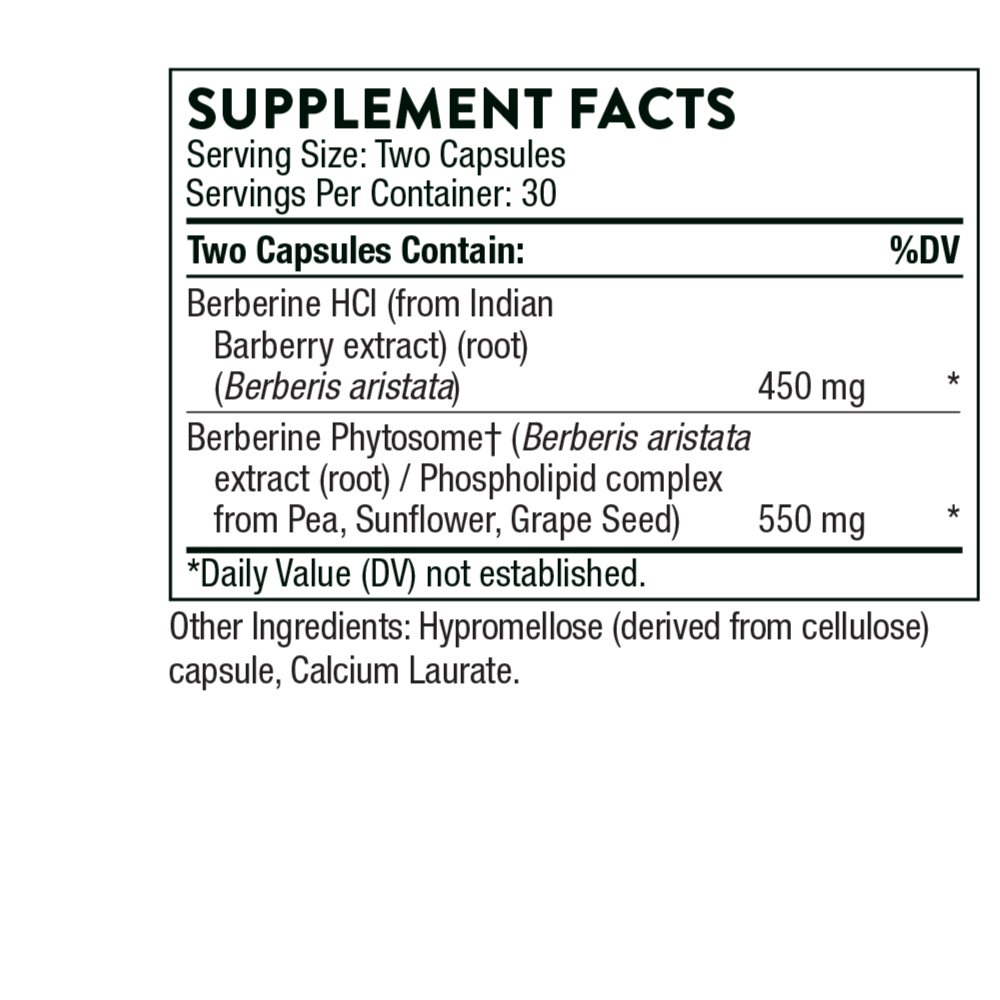
La berberina es un botánico bien investigado con una larga historia de uso en las prácticas herbales tradicionales ayurvédicas y chinas. Los productos de berberina de alta calidad de Thorne contienen la forma más investigada, el HCl de berberina, junto con el fitosoma de berberina altamente absorbible, ofreciendo así una amplia gama de beneficios para la salud y el bienestar.
¿Quién puede beneficiarse de la berberina?
Personas que buscan apoyo para la salud metabólica, cardiovascular y gastrointestinal.
Cualquier persona que quiera mantener niveles normales de azúcar en la sangre.
Personas que desean mantener niveles saludables de colesterol.
Mujeres que buscan apoyo nutricional para los síntomas relacionados con el SOP.
Personas que buscan apoyo nutricional para el síndrome metabólico.
Personas que desean un apoyo adicional para mantener un microbioma intestinal saludable.
Beneficios de la berberina:
Apoyo para la salud metabólica:
Apoya un metabolismo saludable de varias maneras.
Promueve un metabolismo saludable del azúcar en la sangre y la sensibilidad a la insulina.
Mantiene niveles saludables de colesterol y triglicéridos.
Apoyo para el control de peso:
Estudios han demostrado que la berberina puede ser eficaz para ayudar a mantener un peso corporal saludable.
Ayuda a disminuir la grasa abdominal y la relación cintura-cadera.
Apoya el metabolismo de las grasas en el hígado.
Beneficia la composición corporal.
Apoyo para la salud gastrointestinal:
Apoya el equilibrio bacteriano beneficioso en el intestino.
Ayuda a mantener un microbioma saludable.
Beneficia la diversidad de la flora intestinal.
Apoyo nutricional para mujeres con SOP:
Apoya el metabolismo saludable de las grasas y los carbohidratos.
Promueve el equilibrio hormonal, como la insulina y la testosterona, que a menudo no se produce de manera óptima en mujeres con SOP.
Promueve una piel sana.
Características clave de la berberina de Thorne:
Contiene fitosoma de berberina para una mejor absorción.
Contiene el bien estudiado HCl de berberina.
Obtenido de especies no en peligro de extinción.
El extracto de semilla de uva en la matriz del fitosoma protege el tracto gastrointestinal de la posible irritación por berberina.
venta

SINUS SURVIVAL
Allimed 450 mg / Allimax Pro 450 mg
1 review
$149.25
$199.00
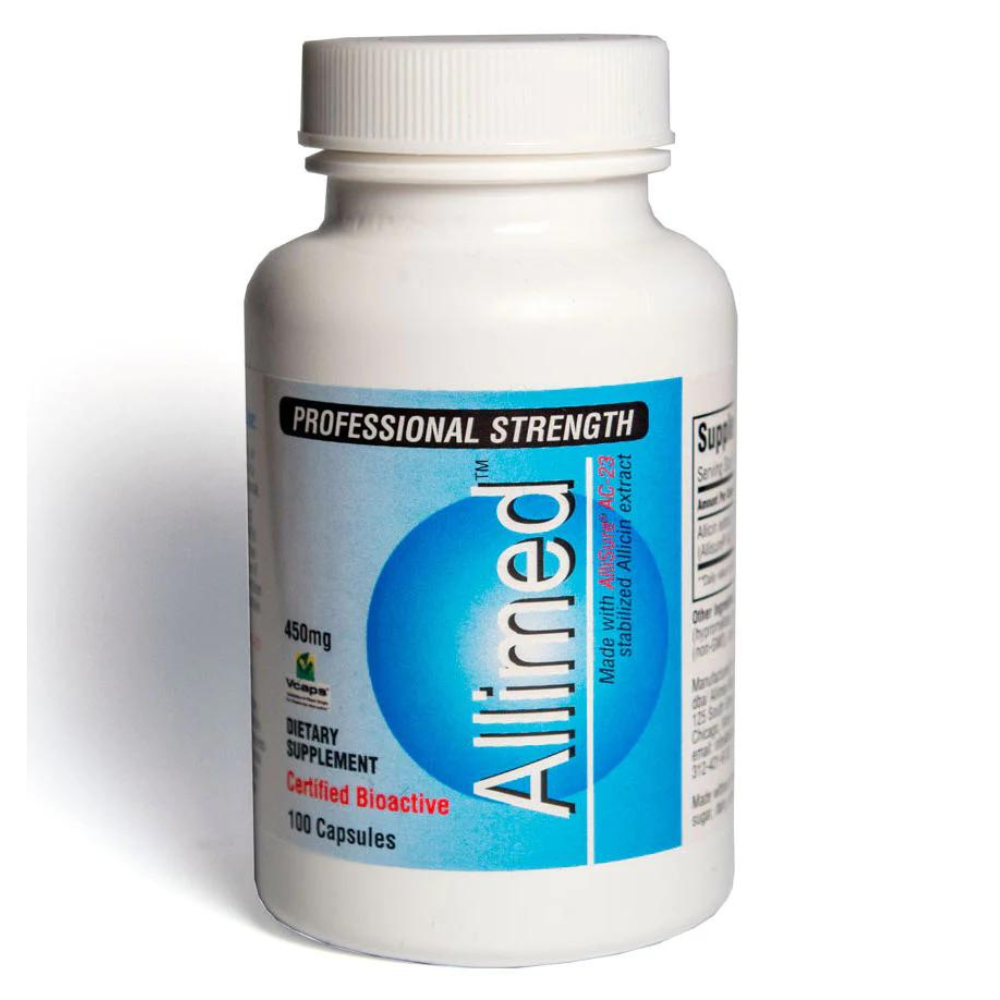
¡Descubra el poder del ajo fresco hoy mismo!Cápsulas Allimed o Allimax Pro con Allisure AC-23 (450 mg), 100 unidades (frasco)Allimed proporciona al cuerpo un rendimiento del 100% de alicina. Un proceso de extracción patentado produce alicina y encierra todos sus beneficios en cápsulas convenientes de una toma al día, diseñadas para una rápida absorción en su cuerpo.El sofisticado refinamiento de Allimed nos permite capturar el componente activo del ajo, la Alicina, y entregarlo directamente donde su cuerpo lo necesita.Ingredientes: Las cápsulas vegetarianas "0" de Allimed Capsugel contienen 450 mg de Allisure AC-23, alicina natural concentrada extraída de ajo fresco. La cubierta es de Maltodextrina sin OMG. Libre de colorantes artificiales, saborizantes, sal, gluten y conservantes. Apto para veganos y vegetarianos.Formulación: cápsula vegetariana que contiene maltodextrina, goma arábiga y alicina.Dosis: Se pueden tomar hasta 8 cápsulas al día si es necesario, y solo una cápsula al día de Allimed con alimentos puede ser beneficiosa para la salud y el bienestar. Se absorbe fácilmente.
References
- PubMed: Gut bless you: The microbiota-gut-brain axis in irritable bowel syndrome
- PubMed: Neurotransmitter and Intestinal Interactions: Focus on the Microbiota-Gut-Brain Axis in Irritable Bowel Syndrome
- PubMed: Gut microbiome-gut brain axis-depression: interconnection
- PubMed: The Microbiota-Gut-Brain Axis in Psychiatric Disorders
- PubMed: The low FODMAP diet: recent advances in understanding its mechanisms and efficacy in IBS
- PubMed: Long-term dietary patterns are associated with pro-inflammatory and anti-inflammatory features of the gut microbiome
- PubMed: Feeding gut microbes to nourish the brain: unravelling the diet-microbiota-gut-brain axis
- PubMed: The role of microbiota-gut-brain axis in neuropsychiatric and neurological disorders
Categories
Categories
Humanized Health - NEW!
Learn about personalized health from top experts! Check out our fascinating new shows every week, available as videos, podcasts and transcripts.:
Our Bloggers
-
 Paula Gallagher
Paula is a highly qualified and experienced nutrition counselor on the staff at Village Green.
read more.. -
 Margo Gladding
Margo's impressive knowledge base is the result of a unique blend of educational and professional experience.
read more.. -
 Dr. Neal Barnard
Dr. Barnard leads programs advocating for preventive medicine, good nutrition, and higher ethical standards in research.
read more.. -
 Dr. Joseph Pizzorno
Dr. Joseph Pizzorno, ND is a pioneer of integrative medicine and a leading authority on science-based natural medicine.
read more.. -
 Debi Silber
Debi is a registered dietitian with a master’s degree in nutrition, a personal trainer, and whole health coach.
read more..
SEE ALL OF OUR BLOGGERS
Invalid password
Enter


Learning Resources
Consultas
Farmacia/Preparación de medicamentos
Salud Humanizada
Blog de Village Green
General Information
Contáctenos
Sobre nosotros
Política de privacidad
Oportunidades de Empleo
Programa de afiliados
Stay Connected
Village Green Apothecary
5415 W Cedar Ln
Bethesda, Maryland, 20814
(301) 530-0800
Toll Free: (800) 869-9159
The information provided on this site is not intended to be a substitute for advice or treatment from a qualified physician, nor is it intended to diagnose or treat a health problem or disease. Consult your physician prior to starting any new health program or if you any questions regarding a medical condition.
© 2025 Village Green Apothecary - All Rights Reserved.
