 FREE SHIPPING! Automatically Applied on Orders Over $74!



The cortisol awakening response is the sharp, natural rise in cortisol that happens in the first 30 to 45 minutes after you wake up. It's your body's built-in ignition switch. That surge helps you feel alert, mobilizes energy, and sets the tone for your whole day. Lately we've been getting questions at Village Green about how morning routine timing, delaying that first cup of coffee, pushing back breakfast, can either support or blunt this response. The short answer: timing matters, and the science ties this small window to your circadian rhythm, sleep quality, and how steady your energy feels by mid-afternoon.
What the Cortisol Awakening Response Really Is
The cortisol awakening response, sometimes shortened to CAR, is a distinct burst of cortisol layered on top of your daily rhythm. It's not the same as your baseline morning level.

Cortisol has a circadian rhythm. It dips around midnight and rises until about 8 a.m., then there’s a Cortisol Awakening Response (CAR) spike.
Researchers measure it with a series of saliva samples, usually at waking and again 30 and 45 minutes later. Compliance matters a lot here; one study in elite military men found that sampling exactly on time changed the results significantly.
-
Waking: your first sample, taken the moment you're up
-
+30 minutes: typically the peak of the response
-
+45 mins: cortisol starts settling down and approaching its daily curve
Here, accuracy of time of sampling was essential. A recent study of elite military men showed that accurate reporting of time of waking did make a significant difference in CAR results, hence the need for accurate time points of saliva collection to have any value.
What a Skewed CAR Feels Like
You can't feel cortisol directly, but you may notice the pattern when the response is off. A blunted cortisol awakening response, or a flattened one, often shows up as that groggy, foggy feeling that no amount of coffee fixes.
On the other end, an exaggerated response is associated with feeling wired, anxious, or jittery before your feet even hit the floor.
What people tell us about their cortisol awakening response symptoms looks something like this:
-
Waking already tired, despite a full night in bed
-
A slow, heavy start that takes hours to shake
-
Morning anxiety or a racing mind at first light
-
Afternoon energy crashes and cravings
-
Trouble winding down, then early waking around 3 to 5 a.m.
How Your Morning Routine Shapes the CAR
Here's where the popular advice comes in. Some approaches suggest delaying caffeine for 60 to 90 minutes after waking, and pushing breakfast back a bit, so you don't stack stimulation on top of your natural cortisol peak.
The idea is simple. Let your body's own hormonal cascade do its job first, then add coffee once the surge tapers.
Morning light is the most grounded lever we know of. Getting outside within an hour of waking helps anchor your circadian rhythm, and a steady circadian rhythm supports a healthier CAR. A 2026 primer on circadian rhythms for psychiatry underscores how tightly light exposure and cortisol timing are linked.
-
Wake up at the same time each day (including weekends).
-
Get 5 to 10 minutes of outdoor light early
-
Delay caffeine 60-90 minutes if it fits your day
-
Eat when genuinely hungry, not on autopilot
-
Move gently before you reach for the mug
When Stress and Poor Sleep Hijack the Response
What causes high cortisol awakening response
The link between the cortisol awakening response and stress is the big disruptor here. Ongoing pressure can push the CAR too high or, over time, flatten it out, and research on cognitive function links a skewed response to worse attention and memory across the day.
Sleep is the other half. If you have a short or fragmented sleep, it changes the intensity of cortisol’s morning climb. So it’s important to fix your sleep routine the night before.
There's promising research here too. A 2026 study found that hypnotic safety suggestions reduced the cortisol awakening response and morning heart rate in daily life, a reminder that calming the nervous system before sleep may carry into the morning.
For daytime support, some people find Ashwagandha Extract 500Mg or Relora helpful as part of a stress-support routine. L-Theanine, including a Chewable L-Theanine 200 MG, has been studied for a calm, focused state without sedation.
Perimenopause, Menopause, and Morning Cortisol
Interest in the cortisol awakening response and perimenopause overlaps heavily with menopause conversations, especially around sleep. Shifting estrogen and progesterone can fragment sleep, and that early-morning waking often lands right in the cortisol window.
When you wake at 3 or 4 a.m. and can't drift back off, a rising cortisol curve may be part of the picture. It's not a diagnosis, just a pattern worth tracking.
This is where a cortisol awakening response test helps. A salivary cortisol panel across the day can show whether your curve is flattened, elevated, or off-rhythm, and that guides real next steps rather than guesswork. Our team is happy to walk you through results at an appointment for your lab review consultation.
Nutrients like a Basic B Complex and magnesium are often part of a menopause-era sleep and energy routine. An Adrenal Support formula may also help support the body's stress response.
Exercise and Habits That Steady the Curve

Movement matters, but so does timing and intensity. Gentle morning activity, a walk or light mobility, can complement your natural cortisol rise without overloading it.
Very intense cortisol awakening response exercise first thing spikes cortisol further. That's fine for some, but if you already wake wired, you may want to save the hard sessions for later.
Simple habits that may help reduce an exaggerated cortisol awakening response, or lift a flattened one, include:
-
Maintain consistent sleep and wake times
-
Front-load light, back-load screens
-
Walk outdoors before heavy caffeine
-
Eat protein at your first real meal
-
Wind down with a nervous-system reset before bed
Where Supplements May Fit
For mood and sleep support, L-5-Htp 100 mg and Mood Formula 50 Billion Probiotic are options some people layer into an evening routine. Lion's Mane Mushroom is often used for daytime focus.
These are supports, not fixes. The foundation is still light, sleep, and consistent timing.
Key Takeaways
-
The cortisol awakening response (CAR) is a normal spike that peaks about 30-45 minutes after waking.
-
Morning light, movement, and meal timing may help support a healthy CAR and steady daytime energy.
-
Chronic stress and poor sleep are associated with a flattened or exaggerated response.
-
Perimenopause and menopause shifts can overlap with early-morning waking and altered cortisol.
-
Adaptogens and targeted nutrients may help support your body's stress response as part of a routine.
Frequently Asked Questions
How to reduce cortisol awakening response
To help reduce an exaggerated cortisol awakening response, focus on the basics first: consistent sleep and wake times, morning light, and calming your nervous system before bed. Some people delay caffeine 60 to 90 minutes so they aren't stacking stimulation on the natural peak. Adaptogens like ashwagandha may help support a balanced stress response as part of a routine. If mornings feel intensely wired, a salivary cortisol test can clarify what's happening.
What is cortisol awakening response
Cortisol Awakening Response is the sharp, healthy rise in cortisol levels in the first 30-45 minutes after waking. It is superimposed over your circadian cortisol curve, and contributes to feeling awake and energized throughout the day. Measured with salivary samples immediately upon waking and again 30-45 minutes later. Well-timed CAR has been linked to better daytime energy and mood.
How to increase cortisol awakening response
A flattened or low cortisol awakening response is often linked to chronic stress or poor sleep, so the goal is usually to restore rhythm rather than force cortisol up. Consistent sleep, early morning light, and gentle movement may help support a healthier rise. B vitamins and adrenal-support nutrients are sometimes used within a routine. Persistently low morning cortisol should be reviewed with a clinician and appropriate testing.
What does cortisol awakening response feel like
You can't feel cortisol itself, but a healthy response tends to feel like natural alertness that builds within the first hour of waking. A blunted response can feel like grogginess and fog that coffee doesn't touch. An exaggerated one may feel like waking already anxious, wired, or with a racing mind. Afternoon energy crashes are a common downstream clue.
How to stop cortisol awakening response
You don't want to stop the cortisol awakening response entirely, it's a normal, useful part of waking. What you can do is smooth an exaggerated version with steady sleep, morning light, and stress-calming habits. Delaying caffeine and heavy exercise early may help if you tend to wake wired. If it feels overwhelming, testing and a clinician's input can guide next steps.
venta
PATHWAY
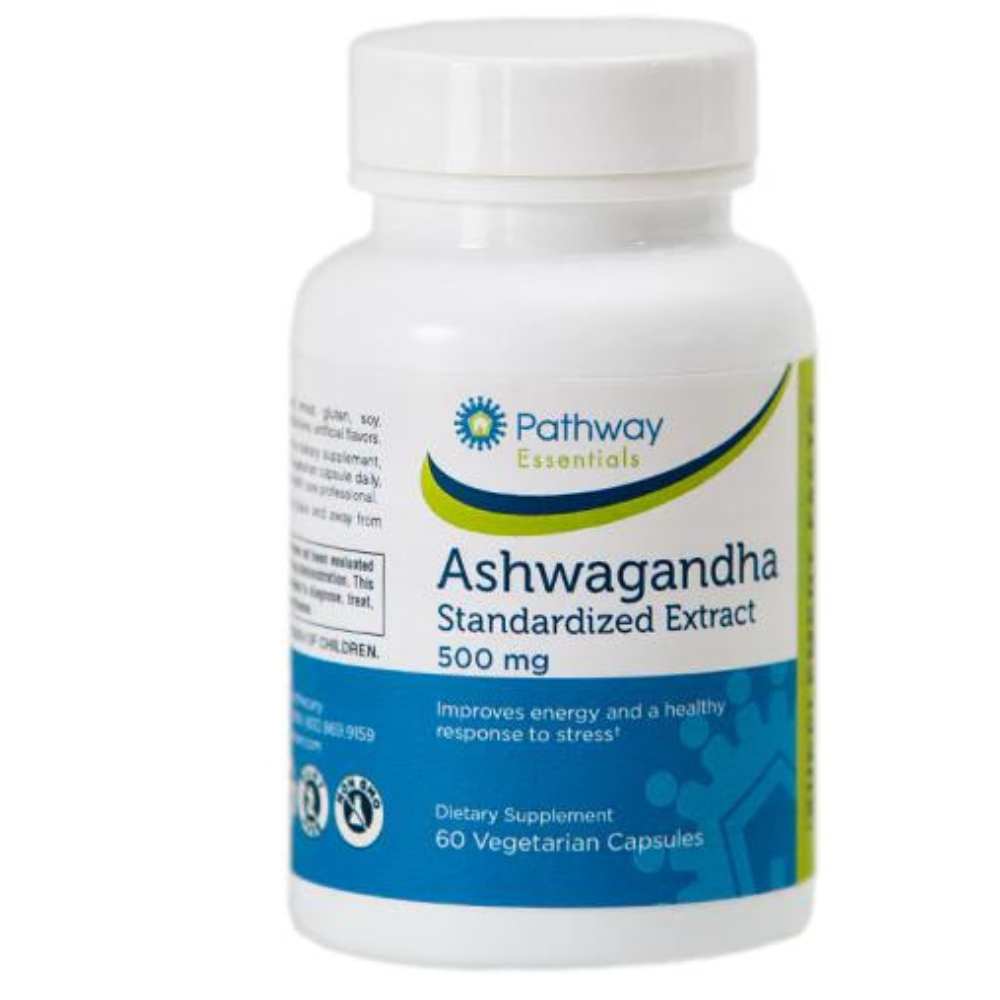
Extracto de Ashwagandha 500 mg
1 review
$20.29
$28.99
La Ashwagandha es una hierba muy apreciada en la farmacopea ayurvédica que recientemente ha ganado popularidad fuera del Ayurveda, y con razón. Aunque la Ashwagandha aporta una larga lista de beneficios al cuerpo, históricamente se la conoce como Adaptógeno. La Ashwagandha apoya la resistencia del cuerpo al estrés, a la vez que le otorga la asombrosa capacidad de energizar y calmar al mismo tiempo. Se cree que el extracto de Ashwagandha ayuda a crear y mantener la vitalidad, la energía, el rejuvenecimiento y a evitar el insomnio y otras afecciones nerviosas. La planta, científicamente designada como Withania somnifera, crece en toda la India, Oriente Medio y partes de África. Contiene lactonas esteroideas conocidas como withanólidos, que, según estudios científicos, son responsables de los beneficios para la salud de la planta.
Características:
Extracto estandarizado de Ashwagandha de Sabinsa, líder mundial en extractos de hierbas ayurvédicas.
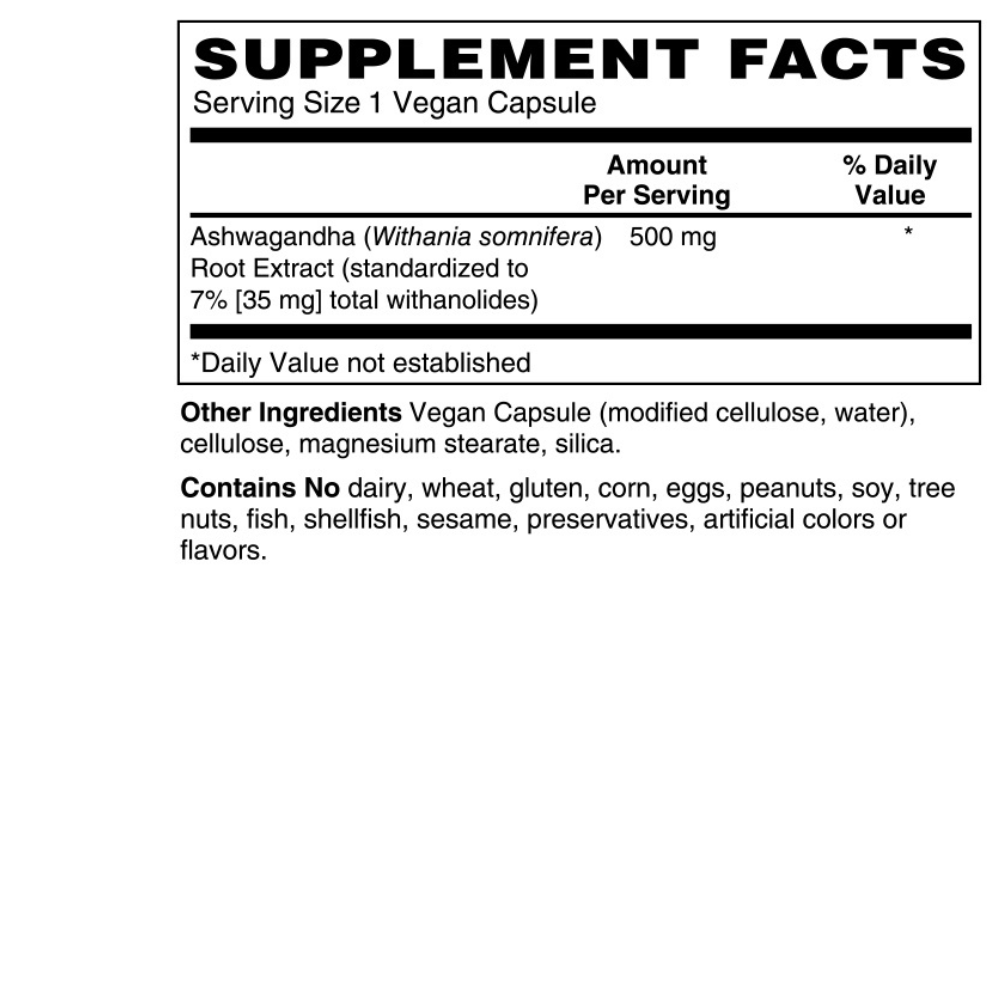
500 mg por cápsula, estandarizado al 7% de witanólidos.
El extracto estandarizado de Ashwagandha se ha utilizado en numerosos estudios clínicos, demostrando continuamente su eficacia contra la inflamación durante más de 40 años.
Sin gluten, sin OMG y vegano.
No contiene lácteos, trigo, gluten, maíz, huevos, cacahuetes, soja, frutos secos, pescado, marisco, sésamo, conservantes, colorantes ni aromas artificiales.
Beneficios:
El extracto de Ashwagandha 500 mg apoya la energía y una respuesta saludable al estrés.
Ayuda a mantener niveles saludables de cortisol.
Ayuda a reducir la fatiga y a mejorar la energía.
Actúa como adaptógeno, ayudando a mantener la respuesta saludable del cuerpo al estrés fisiológico y psicológico.
Ayuda a mantener la concentración mental y la agudeza.
Ayuda a mejorar el rendimiento físico y la fuerza.
Ayuda a mantener una perspectiva positiva.
Ayuda a promover un sueño reparador.
Ayuda a mantener niveles saludables de azúcar en la sangre.
Ayuda a mitigar el daño oxidativo causado por la tensión nerviosa.
venta
PATHWAY
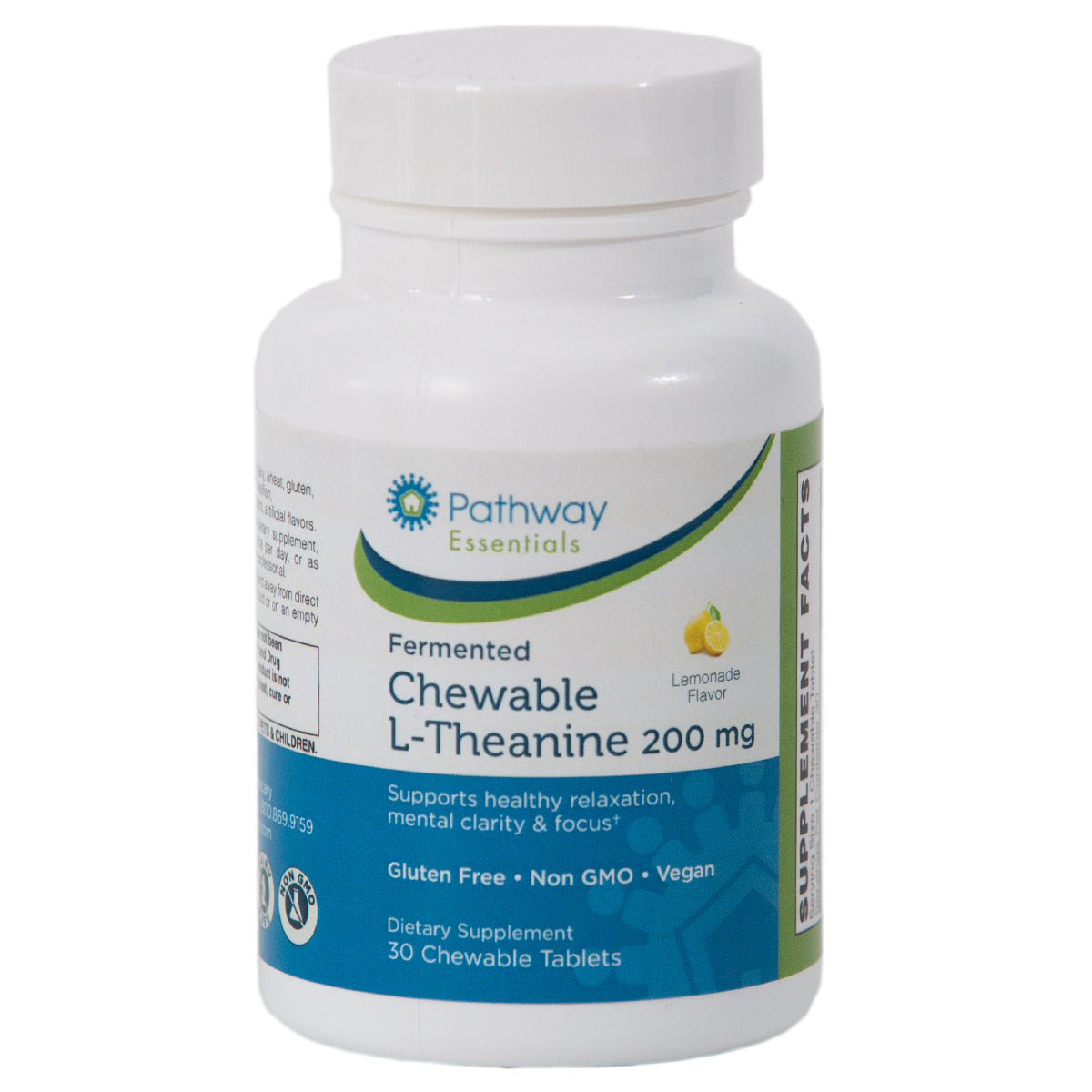
L-Teanina Masticable 200 MG
1 review
$21.69
$30.99
La L-teanina es un aminoácido que se encuentra naturalmente en el té verde. Las investigaciones clínicas demuestran que tiene propiedades relajantes y calmantes al aumentar la producción de dopamina y serotonina, así como al estimular la actividad de las ondas alfa en el cerebro. Nuestra L-teanina masticable proporciona 200 mg de L-teanina patentada AlphaWave®, que ha demostrado favorecer una relajación saludable sin somnolencia, promover la claridad mental y la concentración, mejorar el aprendizaje y la memoria, y reducir la tensión nerviosa.
Uso sugerido: Los adultos deben masticar 1 comprimido al día, o según las indicaciones de un profesional de la salud.
venta
PATHWAY
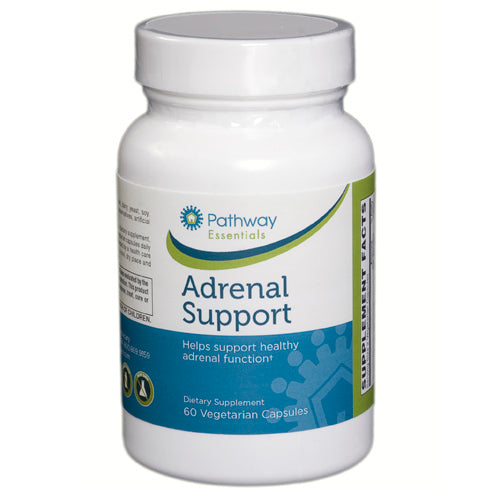
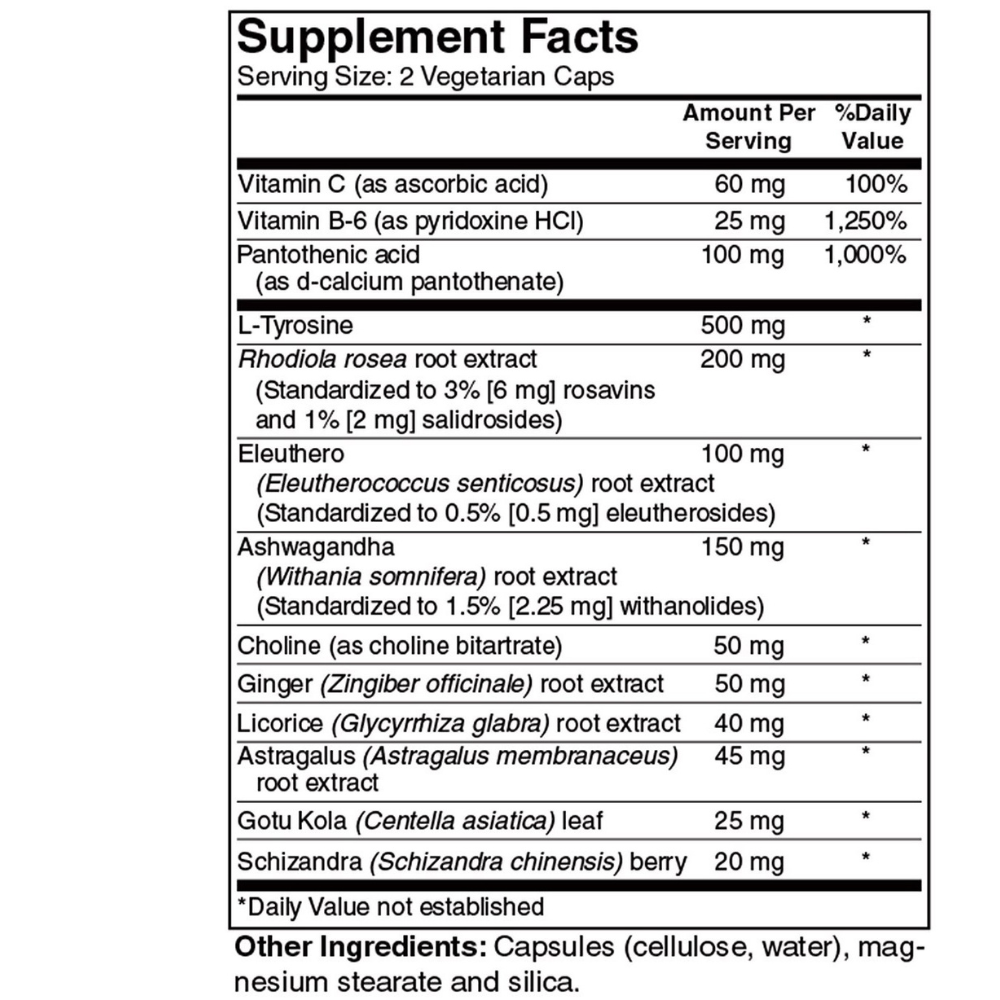
Soporte Suprarrenal
No reviews
$28.69
$40.99
Apoya Niveles Saludables de Estrés
El estrés puede debilitar su salud al exigir un trabajo excesivo de los sistemas endocrino, nervioso e inmunitario. Tomar nutrientes que ayuden al cuerpo a adaptarse a los desafíos estresantes puede ayudar a restaurar la energía y la vitalidad. Pathway Adrenal Support contiene hierbas clave junto con vitaminas y aminoácidos seleccionados para apoyar la respuesta del cuerpo al estrés.
Uso sugerido: 1 cápsula 2 veces al día
venta
PATHWAY
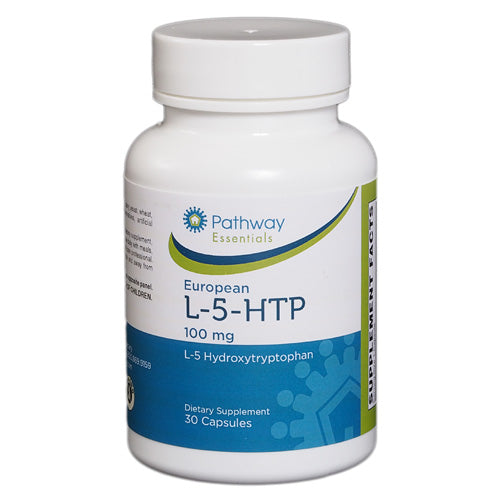
L-5-Htp 100 Mg
1 review
$14.69
$20.99
Un precursor natural de la serotoninaEl L-5-HTP es un aminoácido que desempeña un papel importante en la producción de serotonina, un neurotransmisor asociado con el bienestar emocional y la regulación del ciclo del sueño. Debido a que el estrés y una dieta deficiente pueden causar una disminución de los niveles de serotonina, la suplementación con 5-HTP puede ayudar a reponerlos. Pathway L-5-HTP 100 mg también incluye importantes cofactores, vitamina C y vitamina B6, para un apoyo mejorado. Uso sugerido: 1 cápsula diaria con las comidas
venta
PATHWAY
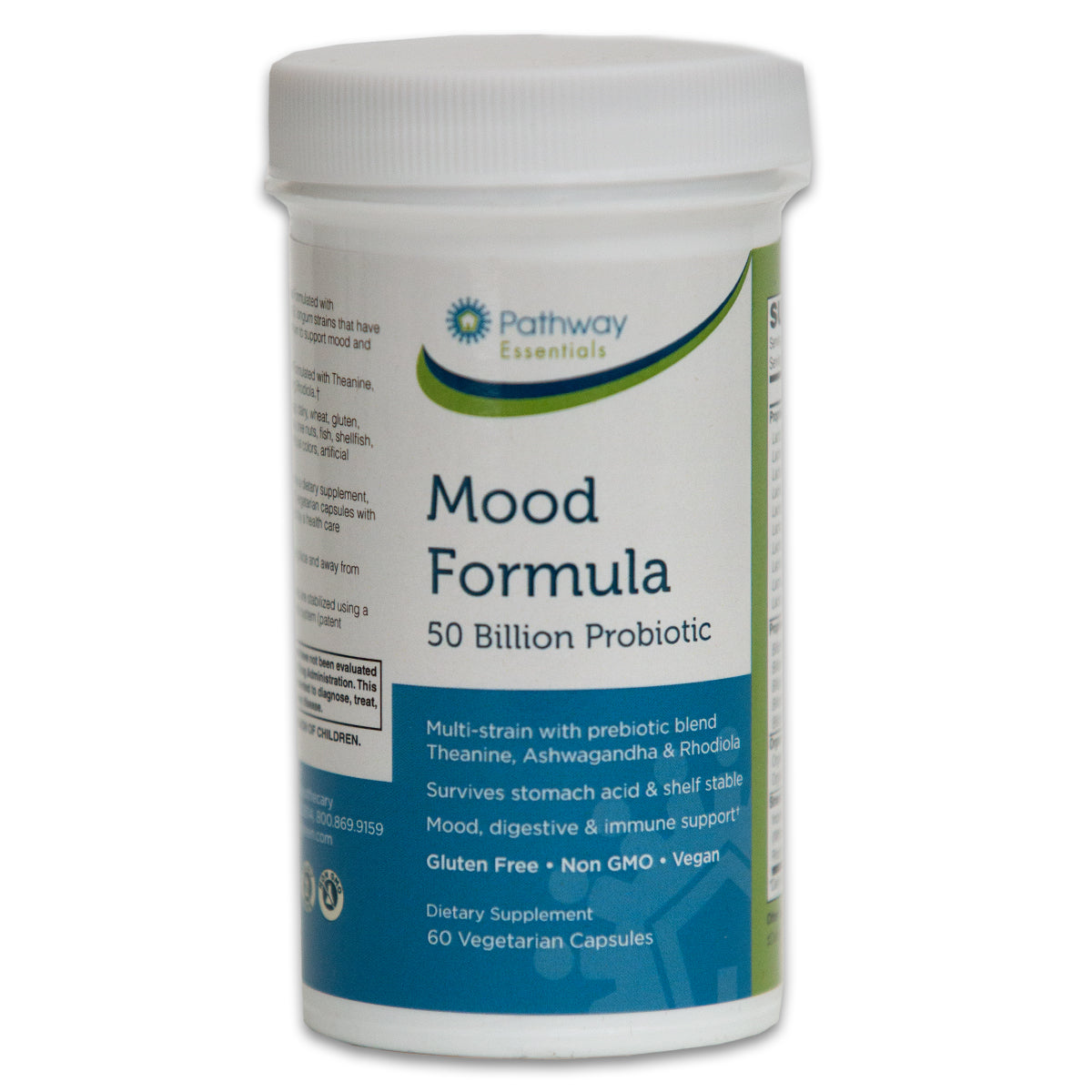
Probiótico Mood Formula de 50 mil millones
1 review
$43.04
$61.49
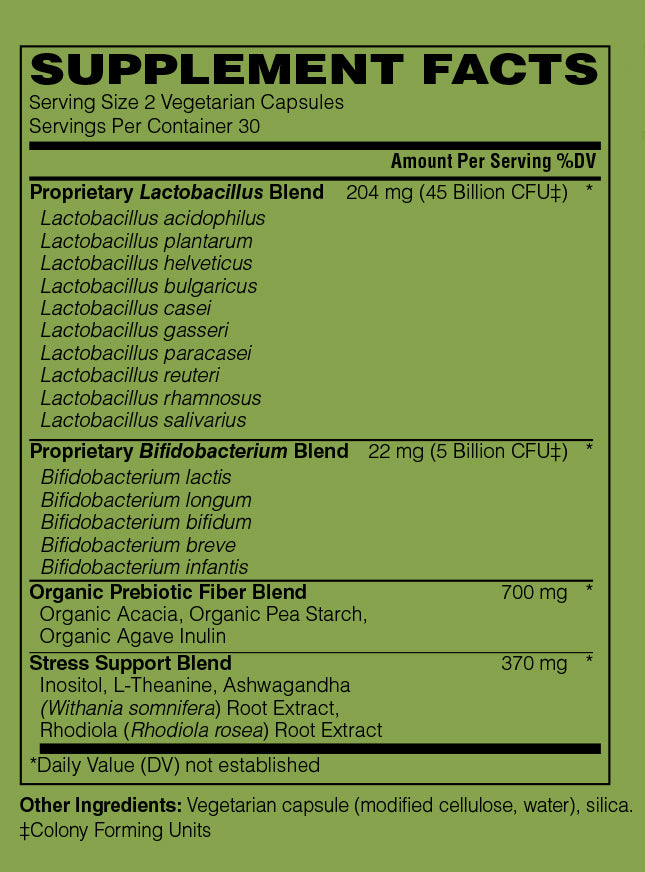
Las investigaciones siguen revelando la importancia de la conexión intestino-cerebro (un vínculo de comunicación bidireccional entre el tracto gastrointestinal y el sistema nervioso central) y el papel que desempeña el microbioma intestinal en la salud y la enfermedad. Esta fórmula única contiene cepas específicas de probióticos que han demostrado clínicamente que favorecen el estado de ánimo, el bienestar emocional y la relajación. También contiene una mezcla orgánica de fibra prebiótica para ayudar a mantener el equilibrio de la microflora, así como una mezcla de nutrientes y hierbas para promover una respuesta saludable al estrés.
Uso sugerido: Los adultos deben tomar dos (2) cápsulas vegetarianas con alimentos o según las indicaciones de un profesional de la salud.
venta
PATHWAY
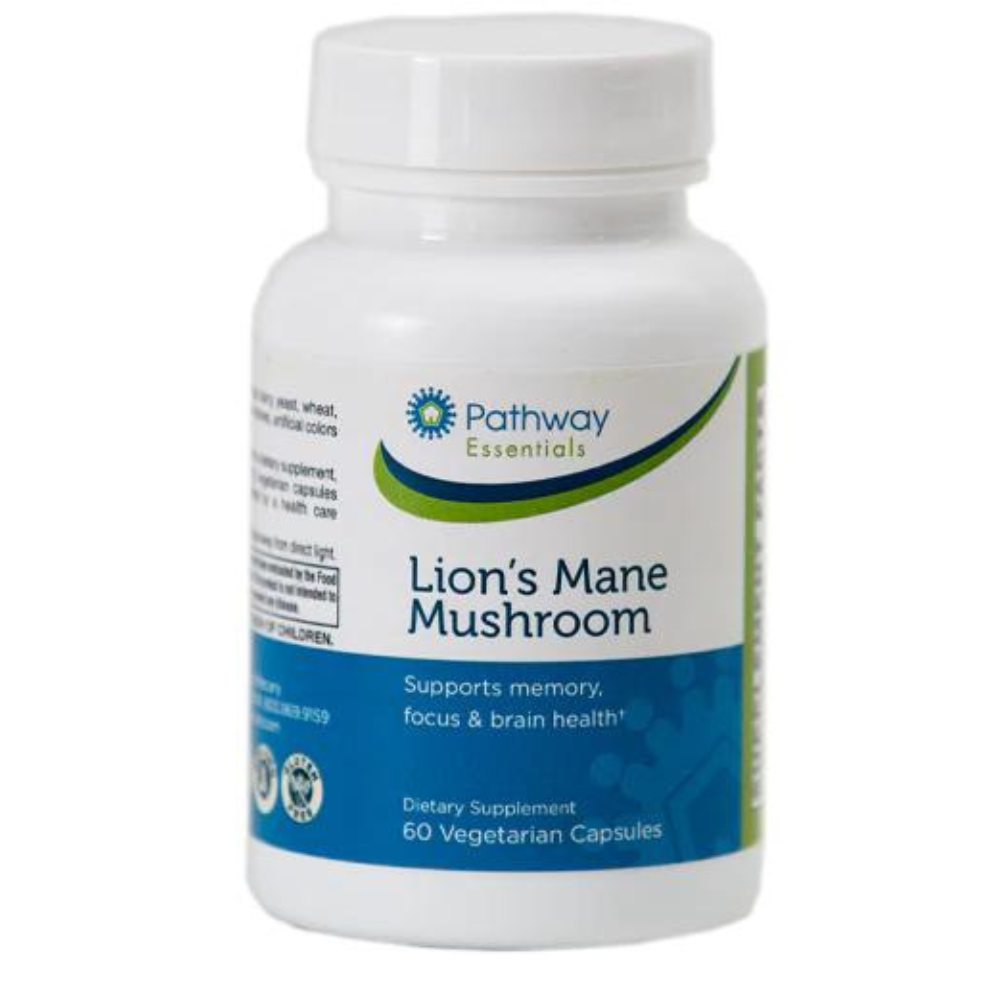
Seta orgánica melena de león
2 reviews
$26.75
$38.22
Apoya la memoria, el enfoque y la salud cerebral La seta melena de león muestra una prometedora capacidad para apoyar la salud neuronal y mental. Los estudios demuestran que los compuestos de esta seta inducen la síntesis de proteínas llamadas factores de crecimiento nervioso, que promueven la supervivencia y proliferación nerviosa. Estudios adicionales muestran que la melena de león tiene la capacidad de mejorar la función cognitiva, así como de elevar el estado de ánimo.Uso sugerido: 2 cápsulas diarias
References
- PubMed: Cortisol Awakening Response in Elite Military Men
- PubMed: Hypnotic safety suggestions reduce cortisol awakening response and morning heart rate in daily life
- A primer on circadian rhythms for psychiatry
- University Exams and Psychosocial Stress: Effects on Cortisol Rhythmicity in Students
- PubMed: The Cortisol Awakening Response: Regulation and Functional Significance
- PubMed: Stress, the cortisol awakening response and cognitive function
- PubMed: The cortisol awakening response - applications and implications for sleep medicine
- PubMed: The cortisol awakening response: more than a measure of HPA axis function
- PubMed: The cortisol awakening response in context
Categories
Categories
Humanized Health - NEW!
Learn about personalized health from top experts! Check out our fascinating new shows every week, available as videos, podcasts and transcripts.:
Our Bloggers
-
 Paula Gallagher
Paula is a highly qualified and experienced nutrition counselor on the staff at Village Green.
read more.. -
 Margo Gladding
Margo's impressive knowledge base is the result of a unique blend of educational and professional experience.
read more.. -
 Dr. Neal Barnard
Dr. Barnard leads programs advocating for preventive medicine, good nutrition, and higher ethical standards in research.
read more.. -
 Dr. Joseph Pizzorno
Dr. Joseph Pizzorno, ND is a pioneer of integrative medicine and a leading authority on science-based natural medicine.
read more.. -
 Debi Silber
Debi is a registered dietitian with a master’s degree in nutrition, a personal trainer, and whole health coach.
read more..
SEE ALL OF OUR BLOGGERS
Invalid password
Enter


Learning Resources
Consultas
Farmacia/Preparación de medicamentos
Salud Humanizada
Blog de Village Green
General Information
Contáctenos
Sobre nosotros
Política de privacidad
Oportunidades de Empleo
Programa de afiliados
Stay Connected
Village Green Apothecary
5415 W Cedar Ln
Bethesda, Maryland, 20814
(301) 530-0800
Toll Free: (800) 869-9159
The information provided on this site is not intended to be a substitute for advice or treatment from a qualified physician, nor is it intended to diagnose or treat a health problem or disease. Consult your physician prior to starting any new health program or if you any questions regarding a medical condition.
© 2025 Village Green Apothecary - All Rights Reserved.
