 FREE SHIPPING! Automatically Applied on Orders Over $74!



Access Denied
IMPORTANT! If you’re a store owner, please make sure you have Customer accounts enabled in your Store Admin, as you have customer based locks set up with EasyLockdown app. Enable Customer Accounts
Can Food Additives Raise Blood Pressure? What New Research Reveals About Preservatives and Heart Health
Paula Gallagher on

When making healthy food choices, it's important to look beyond calories, carbohydrates, and fats. Emerging research suggests that the food additives found in many ultra-processed foods may also play a role in long-term health, including blood pressure and cardiovascular health.
A recent study published in the European Heart Journal examined the relationship between common food preservatives, high blood pressure, and cardiovascular disease. While the findings do not prove that food additives directly cause hypertension, they add to a growing body of evidence suggesting that the ingredients added to our food may be just as important as the food itself.
Key Takeaways
-
Researchers followed more than 112,000 adults for up to eight years.
-
Higher consumption of certain food preservatives was associated with an increased risk of high blood pressure and cardiovascular disease.
-
Nearly all participants consumed food preservatives during the study period.
-
Choosing whole, minimally processed foods may help reduce exposure to unnecessary food additives and support heart health.
New Research Examines Food Preservatives and Heart Health
Researchers from France analyzed dietary data from 112,395 adults participating in the NutriNet-Santé study, one of the world's largest ongoing nutrition studies.
Participants recorded everything they ate and drank during multiple three-day periods every six months. Rather than evaluating foods alone, researchers also examined the specific additives and preservatives contained in those foods.
Participants were followed for an average of seven to eight years to determine whether they developed:
-
High blood pressure (hypertension)
-
Heart attack
-
Stroke
-
Angina
-
Other cardiovascular diseases
One notable finding was that exposure to food preservatives was nearly universal. Within the first two years of the study, 99.5% of participants had consumed at least one preservative additive.
Key Findings: Food Preservatives Linked to Higher Blood Pressure
Researchers found that participants with the highest intake of certain food preservatives had significantly greater risks of developing hypertension and cardiovascular disease compared with those consuming the lowest amounts.
Specifically:
-
Individuals with the highest intake of non-antioxidant preservatives had a 29% greater risk of developing hypertension.
-
They also had a 16% greater risk of cardiovascular disease.
-
Those consuming the highest amounts of antioxidant preservatives had a 22% greater risk of hypertension.
Because this was an observational study, it cannot establish cause and effect. However, the findings suggest that long-term exposure to certain food additives may contribute to cardiovascular health risks and warrant further investigation.
Eight Common Food Preservatives Identified
Researchers identified eight preservatives associated with an increased risk of hypertension:
-
Potassium sorbate (E202)
-
Potassium metabisulphite (E224)
-
Sodium nitrite (E250)
-
Ascorbic acid (E300)
-
Sodium ascorbate (E301)
-
Sodium erythorbate (E316)
-
Citric acid (E330)
-
Extracts of rosemary (E392)
These preservatives are commonly found in foods such as:
-
Packaged baked goods
-
Processed meats
-
Soft drinks
-
Shelf-stable snacks
-
Condiments
-
Ready-to-eat meals
It's important to remember that consuming a single food containing one of these ingredients is unlikely to significantly affect blood pressure. Instead, the research suggests that regularly consuming large amounts of ultra-processed foods containing multiple additives may contribute to long-term cardiovascular risk.
How Might Food Preservatives Affect Cardiovascular Health?
Scientists continue to study the biological mechanisms that may explain these associations.
Previous experimental research suggests that certain preservatives may:
-
Increase oxidative stress
-
Promote inflammation
-
Influence insulin and glucose regulation
-
Alter the gut microbiome
-
Affect blood vessel function
These biological changes may contribute to the development of hypertension and cardiovascular disease over time, although additional research is needed to better understand these relationships.
Ultra-Processed Foods and Blood Pressure
This study reinforces recommendations long made by nutrition experts: focus on eating whole, minimally processed foods whenever possible.
A dietary pattern centered on vegetables, fruits, legumes, nuts, seeds, healthy fats, whole grains, and quality protein naturally reduces exposure to unnecessary additives while providing nutrients that support healthy blood pressure and cardiovascular function.
Practical ways to reduce your intake of food additives include:
-
Prepare more meals at home.
-
Read ingredient labels carefully.
-
Choose foods with shorter ingredient lists.
-
Limit highly processed convenience foods.
-
Prioritize fresh, frozen, or minimally processed ingredients.
Lifestyle Habits That Support Healthy Blood Pressure
While nutrition plays an important role, blood pressure is influenced by many lifestyle factors.
Exercise Regularly
Regular physical activity supports healthy circulation, blood vessel function, and weight management. Even 30 minutes of brisk walking on most days can benefit cardiovascular health.
Manage Stress
Chronic stress may contribute to elevated blood pressure over time. Mindfulness, meditation, deep breathing, spending time outdoors, and other relaxation techniques can help support cardiovascular wellness.
Maintain a Healthy Weight
Even modest weight loss can positively influence blood pressure in individuals who are overweight.
Prioritize Quality Sleep
Poor sleep quality has been increasingly linked to hypertension and cardiovascular disease. Aim for consistent, restorative sleep each night as part of a heart-healthy lifestyle.
Nutritional Support for Healthy Blood Pressure
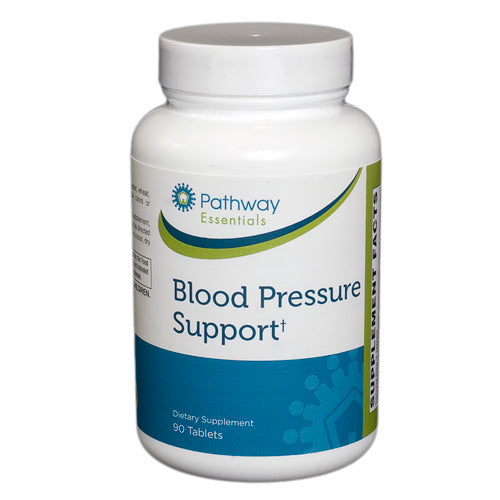
For individuals looking for additional nutritional support alongside a healthy diet and lifestyle, targeted supplements may help support cardiovascular health. At Village Green Apothecary, one option we often recommend is Pathway Blood Pressure Support.
This comprehensive formula contains a blend of nutrients selected to support healthy blood pressure and overall cardiovascular wellness. When combined with healthy eating habits, regular exercise, stress management, and quality sleep, targeted nutritional support can be part of a proactive approach to heart health.
As always, supplements work best when they complement, rather than replace, a healthy lifestyle.
The latest research highlights an important reminder: what is added to our food matters. While more studies are needed to fully understand the relationship between food preservatives and cardiovascular disease, current evidence continues to support choosing whole, minimally processed foods whenever possible.
Supporting healthy blood pressure isn't about one single food or supplement. It's the result of consistent daily habits, including nutritious eating, regular physical activity, quality sleep, stress management, and appropriate nutritional support.
Take the Next Step Toward Better Heart Health
If you're looking for personalized guidance to support healthy blood pressure and cardiovascular wellness, the experienced practitioners at Village Green Apothecary are here to help.
Book a consultation with our team to receive individualized recommendations tailored to your health history, lifestyle, nutrition, and supplement needs. Together, we can help you create a personalized plan to support your long-term heart health.
Frequently Asked Questions
Can food additives raise blood pressure?
Emerging research suggests that consuming high amounts of certain food additives and preservatives may be associated with an increased risk of high blood pressure. More research is needed to determine whether these additives directly contribute to hypertension.
Which food preservatives were linked to higher blood pressure?
The study identified potassium sorbate, potassium metabisulphite, sodium nitrite, ascorbic acid, sodium ascorbate, sodium erythorbate, citric acid, and rosemary extract as preservatives associated with an increased risk of hypertension.
Should I avoid foods containing preservatives?
Not necessarily. Occasional consumption is unlikely to have a major impact. However, reducing your intake of ultra-processed foods and choosing whole, minimally processed foods may support better cardiovascular health.
What foods help support healthy blood pressure?
A diet rich in vegetables, fruits, legumes, whole grains, nuts, seeds, lean proteins, and healthy fats provides nutrients that support healthy blood pressure and overall heart health.
Can supplements help support healthy blood pressure?
Certain nutritional supplements may help support healthy blood pressure when combined with a healthy diet and lifestyle. Speak with a qualified healthcare practitioner to determine which supplements are appropriate for your individual health needs.
venta
PATHWAY
Apoyo para la Presión Arterial
No reviews
$33.59
$41.99
Apoyo sinérgico para la presión arterialBlood Pressure Support proporciona apoyo nutritivo para una presión arterial saludable. Coleus forskohlii ayuda a mantener un estado de ánimo saludable. Se incluye espino por sus beneficios estudiados para una circulación saludable. Se añaden magnesio y lúpulo para ayudar a la relajación del sistema nervioso central. Además, la taurina apoya el sistema nervioso central y se cree que es útil para lidiar con la ansiedad. Utilizamos el ingrediente registrado Forslean® que es el único Coleus forskohlii respaldado por una patente estadounidense. Uso sugerido: 1 tableta 3 veces al día con las comidas
Categories
Categories
Humanized Health - NEW!
Learn about personalized health from top experts! Check out our fascinating new shows every week, available as videos, podcasts and transcripts.:
Our Bloggers
-
 Paula Gallagher
Paula is a highly qualified and experienced nutrition counselor on the staff at Village Green.
read more.. -
 Margo Gladding
Margo's impressive knowledge base is the result of a unique blend of educational and professional experience.
read more.. -
 Dr. Neal Barnard
Dr. Barnard leads programs advocating for preventive medicine, good nutrition, and higher ethical standards in research.
read more.. -
 Dr. Joseph Pizzorno
Dr. Joseph Pizzorno, ND is a pioneer of integrative medicine and a leading authority on science-based natural medicine.
read more.. -
 Debi Silber
Debi is a registered dietitian with a master’s degree in nutrition, a personal trainer, and whole health coach.
read more..
SEE ALL OF OUR BLOGGERS
Invalid password
Enter


Learning Resources
Consultas
Farmacia/Preparación de medicamentos
Salud Humanizada
Blog de Village Green
General Information
Contáctenos
Sobre nosotros
Política de privacidad
Oportunidades de Empleo
Programa de afiliados
Stay Connected
Village Green Apothecary
5415 W Cedar Ln
Bethesda, Maryland, 20814
(301) 530-0800
Toll Free: (800) 869-9159
The information provided on this site is not intended to be a substitute for advice or treatment from a qualified physician, nor is it intended to diagnose or treat a health problem or disease. Consult your physician prior to starting any new health program or if you any questions regarding a medical condition.
© 2025 Village Green Apothecary - All Rights Reserved.
