 FREE SHIPPING! Automatically Applied on Orders Over $74!



La hinchazón puede aparecer en los momentos más inoportunos: antes de un evento importante o después de una comida indulgente. Aunque es común, la hinchazón puede hacerte sentir inflado, perezoso y frustrado. Pero, ¿qué causa exactamente la hinchazón y, lo que es más importante, cómo puedes solucionarla?
¿Qué es la hinchazón?
La hinchazón se refiere a una sensación de plenitud o tensión en el abdomen, a menudo acompañada de inflamación, gases o malestar. Aunque la hinchazón ocasional es inofensiva, la hinchazón frecuente o grave puede alterar la vida diaria y puede indicar una condición de salud subyacente.
Causas comunes de la hinchazón
1. CulPables dietéticos
Ciertos alimentos son conocidos por causar producción de gases durante la digestión. Estos incluyen:
-
Alimentos ricos en fibra: Frijoles, lentejas y vegetales crucíferos como el brócoli y el repollo.
-
Bebidas carbonatadas: Las bebidas efervescentes introducen un exceso de gas directamente en tu sistema digestivo.
-
Productos lácteos: La intolerancia a la lactosa puede provocar gases e hinchazón.
-
Edulcorantes artificiales: El sorbitol y el xilitol son difíciles de digerir, lo que provoca la acumulación de gases.
2. Trastornos digestivos
La hinchazón crónica puede indicar problemas de salud digestiva subyacentes, como:
-
Síndrome del Intestino Irritable (SII): Un trastorno común que causa hinchazón, calambres y movimientos intestinales irregulares.
-
Sobrecrecimiento Bacteriano del Intestino Delgado (SIBO): El exceso de bacterias en el intestino delgado puede provocar una hinchazón grave.
-
Intolerancias alimentarias: Las intolerancias al gluten y la lactosa son desencadenantes comunes de la hinchazón cuando se consumen estos alimentos.
3. Factores del estilo de vida
Los hábitos diarios pueden influir en la hinchazón:
-
Comer demasiado rápido: Tragar aire mientras se come o bebe contribuye a la acumulación de gases.
-
Estrés y ansiedad: Los altos niveles de estrés pueden ralentizar la digestión, causando hinchazón.
-
Estilo de vida sedentario: La inactividad física dificulta la digestión y contribuye a la retención de gases.
4. Fluctuaciones hormonales
Los cambios hormonales, particularmente durante la menstruación, pueden causar hinchazón y retención de líquidos en las mujeres.
venta
PATHWAY
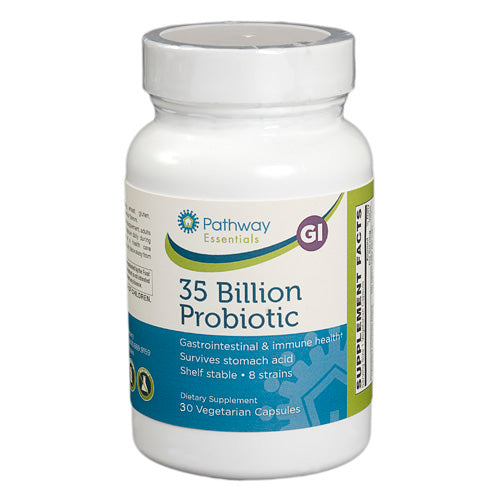
35 mil millones de probióticos
No reviews
$34.85
$49.79
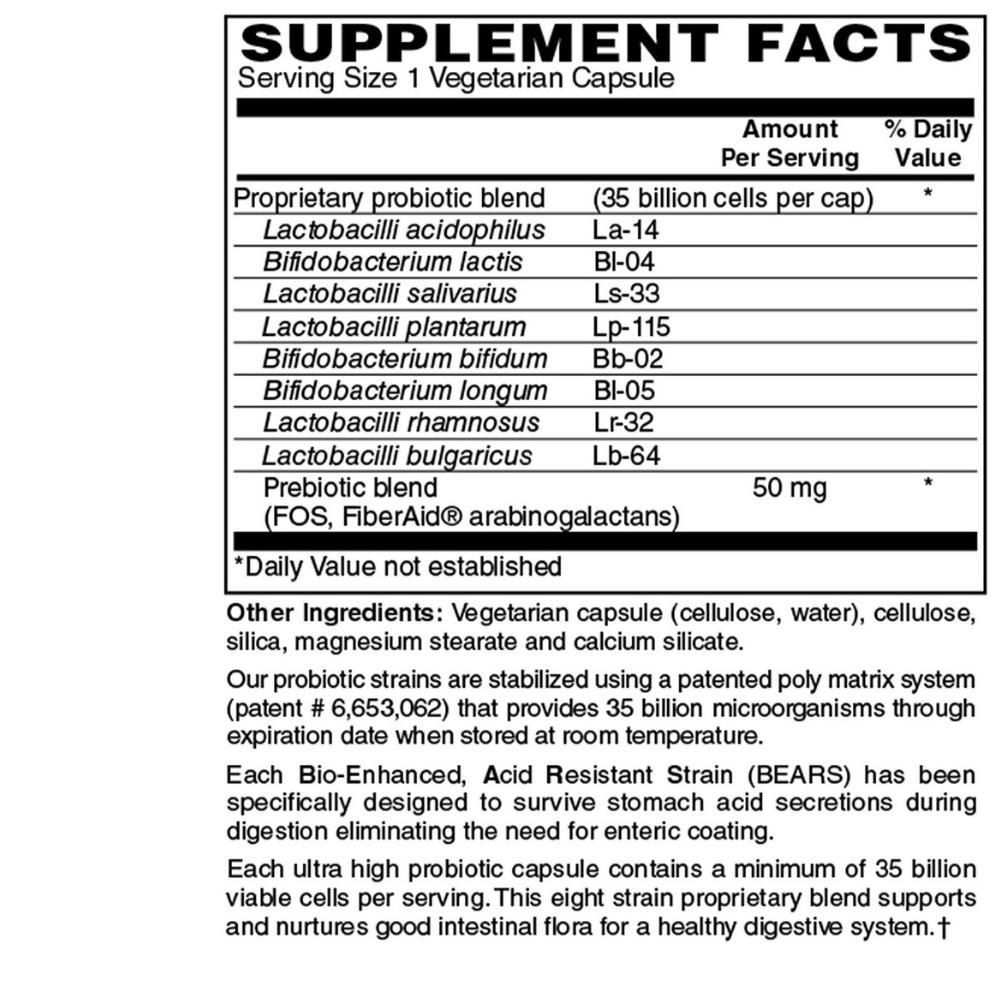
Probiótico de ultra alta potencia para soporte extraintestinalLas bacterias beneficiosas son fundamentales para un sistema digestivo e inmunitario sano. Esta mezcla probiótica de alta potencia se recomienda cuando se necesita un apoyo avanzado debido al uso de antibióticos, viajes o problemas digestivos. Pathway 35 Billion Probiotic contiene 8 cepas de bacterias beneficiosas estabilizadas, por lo que no requieren refrigeración. Además, las bacterias están diseñadas para sobrevivir a los ácidos del estómago y así poder actuar eficazmente en el intestino.Uso sugerido: 1 cápsula durante las comidas
How to Reduce Bloating
While a chewable tablet can offer instant gas and bloating relief in the moment, lasting relief from bloating often requires a combination of dietary and lifestyle changes. Here are six proven strategies:
1. Eat Mindfully
Chew your food thoroughly and eat slowly to reduce the amount of air you swallow. Consider smaller, more frequent meals instead of large ones.
2. Opt for Bloat-Reducing Foods
- Ginger: A natural anti-inflammatory that promotes digestion.
- Peppermint Tea: Relaxes the digestive muscles and reduces bloating.
- Bananas: Rich in potassium, which helps combats water retention.
3. Stay Hydrated
Drinking plenty of water prevents constipation and flushes out excess sodium, a common cause of bloating.
4. Incorporate Physical Activity
Chewable gas relief tablets and light exercise such as walking or yoga can help move gas through your digestive system and reduce the feeling of bloating.
5. Manage Stress
Techniques like meditation, deep breathing, and yoga can improve digestion and minimize stress-induced bloating.
6. Consider Digestive Supplements
- Probiotics: Probiotics support gut health by balancing beneficial bacteria in the digestive system. They can help reduce bloating caused by imbalances, especially in conditions like IBS or SIBO.
- Supplements: Digestive supplements and gas relief pills for bloating, such as enzymes, ginger, and DGL (Deglycyrrhizinated Licorice), can aid digestion, soothe the GI tract, and alleviate bloating.
This research is worth knowing. A 2023 AGA Clinical Practice Update on belching, bloating, and distention noted that peppermint oil and certain probiotic strains may help support symptom relief in people with functional bloating. Enzymes also need to be timed properly. If you use alpha-galactosidase or lactase, you should take them before the meal, not after.
When to See a Doctor
While occasional bloating is common, certain symptoms should not be ignored. Consult a healthcare provider if bloating is accompanied by:
- Severe abdominal pain
- Unexplained weight loss
- Blood in the stool
- Persistent constipation or diarrhea
Final Thoughts
Bloating may feel uncomfortable, but in most cases, it can be managed through mindful eating, dietary adjustments, lifestyle changes, and a better understanding of your body. Identifying your triggers and making proactive changes is the first step toward finding relief and improving your digestive health.
Need Support for Persistent Bloating?
At Village Green Apothecary, we specialize in personalized wellness solutions. Book a consultation with one of our experts today to uncover the root cause of your bloating and get tailored recommendations for relief.
Chewable Tablets and Gas Relief Pills for Bloating
Lately we've been getting questions about the chewable tablets for bloating you see at every pharmacy counter. Most of them work on gas rather than fullness. This is the truth. Simethicone is the active ingredient in many gas relief pills for bloating, and it works by breaking up gas bubbles in your gut so they pass more easily. What to look for if you want fast, simple relief: - Simethicone chewable gas relief tablets, which target trapped gas after a meal - Alpha-galactosidase, an enzyme that may help you digest beans and cruciferous veggies - Lactase enzyme tablets, taken with dairy if lactose is your trigger These are tools for occasional discomfort, not a fix for the root cause. And if you find that bloating returns frequently, that’s something to investigate.
FAQs About Bloating
What foods should I avoid to prevent bloating?
Avoid high-fiber foods like beans and lentils, carbonated drinks, dairy products (if lactose intolerant), and artificial sweeteners like sorbitol and xylitol.
Can probiotics help reduce bloating?
Yes, probiotics can help balance gut bacteria, improving digestion and reducing bloating.
How can I tell if my bloating is caused by a food intolerance?
If bloating consistently occurs after eating specific foods (e.g., gluten or dairy), it may indicate an intolerance. Consider an elimination diet or consult with a healthcare provider.
Is bloating a sign of a serious health condition?
Occasional bloating is normal, but persistent or painful bloating may indicate conditions like IBS, SIBO, or food intolerances. Seek medical advice if symptoms persist.
These statements have not been evaluated by the Food and Drug Administration. This product is not intended to diagnose, treat, cure, or prevent any disease.
References
- PubMed: Management of bloating
- PubMed: How much bloating in the irritable bowel syndrome?
- AGA Clinical Practice Update on Evaluation and Management of Belching, Abdominal Bloating, and Distention: Expert Review
- PubMed: Management of Chronic Abdominal Distension and Bloating
- PubMed: Abdominal bloating
- Gut microbiota in irritable bowel syndrome: a narrative review of mechanisms and microbiome-based therapies
- Ferula asafoetida oleo-gum resin alleviates dyspepsia symptoms: a randomized, double-blind, placebo-controlled study
- Patients' Real-World Experiences With Pharmacologic Therapies for Irritable Bowel Syndrome With Constipation
Categories
Categories
Humanized Health - NEW!
Learn about personalized health from top experts! Check out our fascinating new shows every week, available as videos, podcasts and transcripts.:
Our Bloggers
-
 Paula Gallagher
Paula is a highly qualified and experienced nutrition counselor on the staff at Village Green.
read more.. -
 Margo Gladding
Margo's impressive knowledge base is the result of a unique blend of educational and professional experience.
read more.. -
 Dr. Neal Barnard
Dr. Barnard leads programs advocating for preventive medicine, good nutrition, and higher ethical standards in research.
read more.. -
 Dr. Joseph Pizzorno
Dr. Joseph Pizzorno, ND is a pioneer of integrative medicine and a leading authority on science-based natural medicine.
read more.. -
 Debi Silber
Debi is a registered dietitian with a master’s degree in nutrition, a personal trainer, and whole health coach.
read more..
SEE ALL OF OUR BLOGGERS
Invalid password
Enter


Learning Resources
Consultas
Farmacia/Preparación de medicamentos
Salud Humanizada
Blog de Village Green
General Information
Contáctenos
Sobre nosotros
Política de privacidad
Oportunidades de Empleo
Programa de afiliados
Stay Connected
Village Green Apothecary
5415 W Cedar Ln
Bethesda, Maryland, 20814
(301) 530-0800
Toll Free: (800) 869-9159
The information provided on this site is not intended to be a substitute for advice or treatment from a qualified physician, nor is it intended to diagnose or treat a health problem or disease. Consult your physician prior to starting any new health program or if you any questions regarding a medical condition.
© 2025 Village Green Apothecary - All Rights Reserved.
