 FREE SHIPPING! Automatically Applied on Orders Over $74!



El intestino humano es el hogar de billones de bacterias, cada una desempeñando un papel crítico en nuestra salud general. Entre ellas, la Akkermansia muciniphila ha ganado una atención significativa por sus beneficios potenciales en la digestión y el control del peso. Esta bacteria única, nombrada en honor al microbiólogo Antoon Akkermans, reside en la capa de moco de los intestinos y ha mostrado efectos prometedores en la mejora de la salud intestinal, la optimización de la función metabólica y el apoyo a la pérdida de peso.
¿Qué es Akkermansia muciniphila?
Akkermansia muciniphila es una bacteria anaerobia Gram-negativa que prospera en el revestimiento mucoso de los intestinos. Descubierta tan recientemente como en 2004, esta bacteria constituye aproximadamente el 3-5% del microbioma intestinal total en individuos sanos. Se considera un "probiótico de próxima generación" debido a sus diversas propiedades promotoras de la salud. Lo que hace única a Akkermansia muciniphila es su capacidad para descomponer la mucina, una glicoproteína que se encuentra en el revestimiento mucoso del intestino, que actúa como su fuente de alimento y hábitat.
¿Cómo afecta Akkermansia muciniphila a la digestión?
- Degradación de la mucina y función de barrera intestinal: Akkermansia muciniphila es conocida por su capacidad para degradar la mucina en el revestimiento intestinal. Aunque esto pueda sonar perjudicial, en realidad fortalece la barrera intestinal al estimular la producción de nueva mucina, manteniendo una capa de moco sana y bien conservada. Esta capa actúa como un escudo protector que mantiene a raya a los patógenos y toxinas dañinos, al tiempo que permite el paso de nutrientes beneficiosos. Una barrera intestinal fuerte es crucial para prevenir el síndrome del intestino permeable, una condición en la que los huecos en la pared intestinal permiten que las toxinas y las partículas de alimentos no digeridas entren en el torrente sanguíneo, lo que puede causar inflamación y reacciones autoinmunes.
- Efectos antiinflamatorios: Al mantener una capa de moco saludable, Akkermansia muciniphila ayuda a reducir la inflamación intestinal. La inflamación crónica de bajo grado en el intestino está relacionada con varios problemas de salud, incluido el Síndrome del Intestino Irritable (SII), la enfermedad de Crohn y los trastornos metabólicos. Akkermansia muciniphila puede modular el sistema inmunitario y producir metabolitos como los ácidos grasos de cadena corta (AGCC), incluidos el acetato y el propionato, que tienen efectos antiinflamatorios en el revestimiento intestinal.
- Mejora del equilibrio del microbioma intestinal: Un microbioma intestinal sano es aquel que es diverso y está bien equilibrado. Akkermansia muciniphila apoya este equilibrio al competir con las bacterias patógenas por espacio y recursos, evitando así su crecimiento excesivo. La presencia de Akkermansia a menudo se considera un indicador de la salud intestinal, siendo sus niveles típicamente más bajos en individuos con condiciones como la obesidad, la diabetes tipo 2 y las enfermedades inflamatorias intestinales.
venta
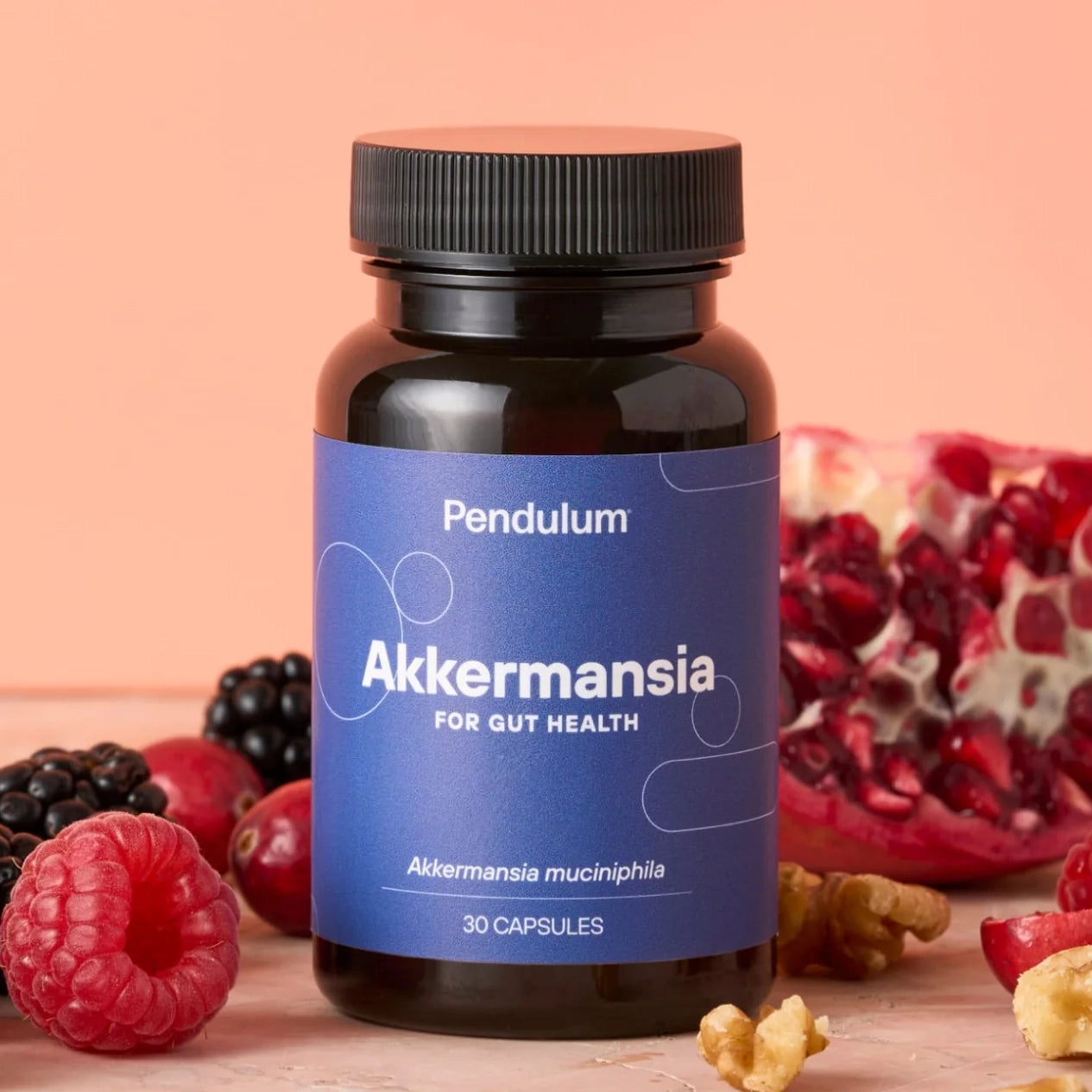
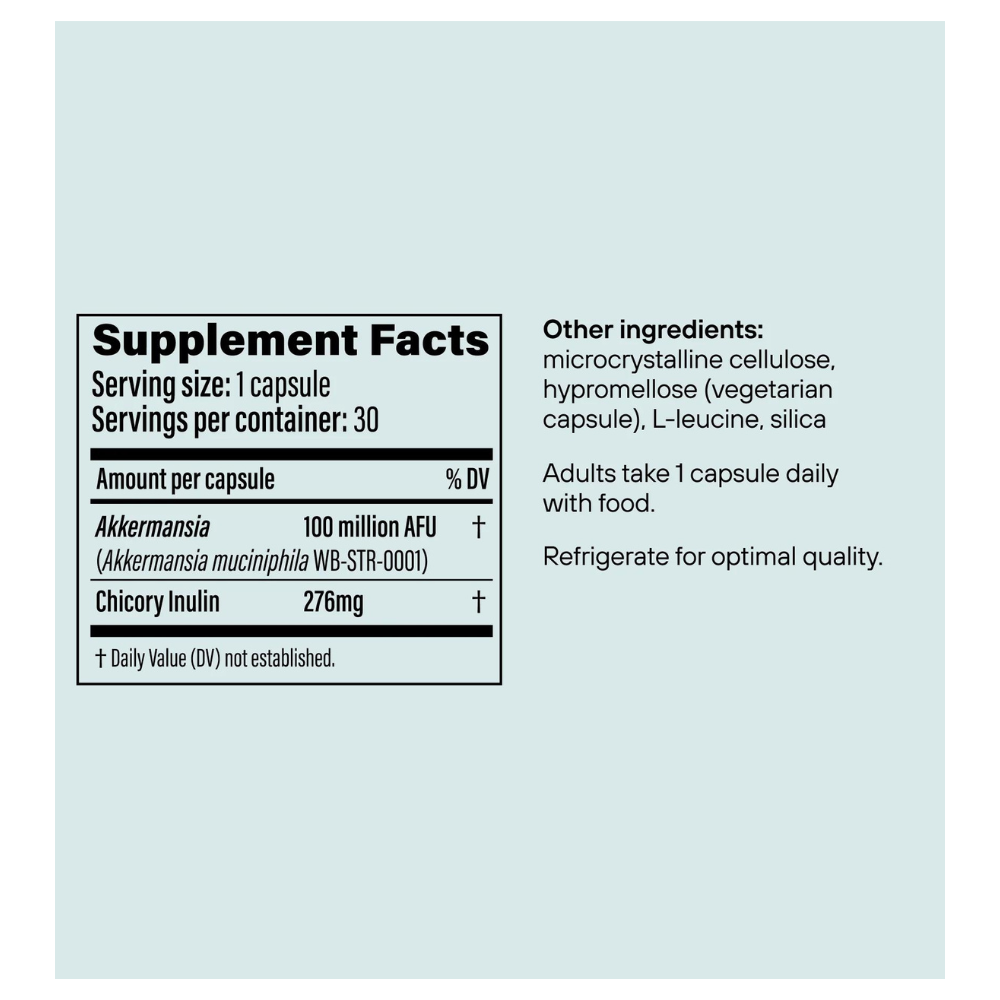
PENDULUM
AKKERMANSIA
No reviews
$59.50
$70.00
REPONE LA CEPA CLAVE
AKKERMANSIA MUCINIPHILA
Incluye Akkermansia viva – una cepa beneficiosa de próxima generación esencial para la salud intestinal. Ahora disponible exclusivamente de Pendulum como probiótico diario
Mejora la salud intestinal
Fortalece el revestimiento intestinal y reduce la permeabilidad intestinal
Aumenta la producción de GLP-1
venta


MICROBIOME LABS
Megapre en Polvo
No reviews
$66.99
$66.99
MegaPre es el primer suplemento prebiótico de precisión compuesto por oligosacáridos no digeribles clínicamente probados que pueden aumentar la diversidad microbiana y alimentar selectivamente bacterias beneficiosas como Akkermansia muciniphila, Faecalibacterium prausnitzii y Bifidobacterium. MegaPre REFUERZA los cambios microbianos beneficiosos creados por MegaSporeBiotic para promover un microbioma fuerte y diverso.
venta
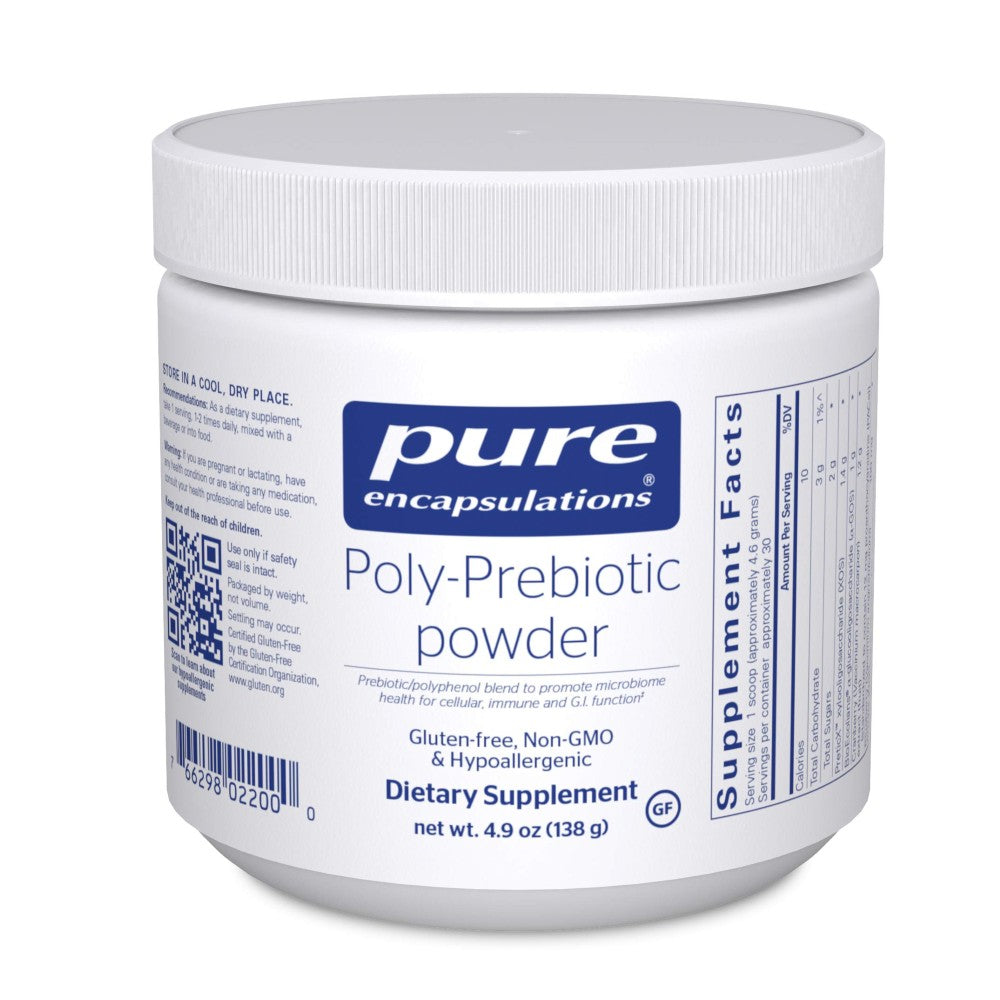
PURE ENCAPSULATIONS
Polvo Poli-Prebiótico
No reviews
$44.00
$44.00
El polvo poliprebiótico es una mezcla en polvo de fibras prebióticas y polifenolespara promover la salud del microbioma para la función celular, inmunológica y gastrointestinal.
Características:
Mezcla prebiótica: Mezcla de prebióticos investigados y polifenoles con efectos prebióticos.*
Apoyo gastrointestinal: Se dirige a Akkermansia muciniphila para apoyar la función de barrera gastrointestinal.*
Estimulador de bifidobacterias: Combinación de polifenoles y prebióticos para aumentar la diversidad del microbioma.*
Calidad pura: Nuestros suplementos están elaborados únicamente con ingredientes de primera calidad obtenidos de proveedores de confianza y guiados por nuestros expertos en nutrición; luego, se fabrican y prueban cuidadosamente para verificar su potencia y pureza.
Pura diferencia: Lo que nos hace diferentes no es solo nuestro proceso o lo que contienen nuestros suplementos; lo que dejamos fuera también importa. Todos los productos de Pure Encapsulations NO CONTIENEN muchos alérgenos comunes como trigo, huevos, frutos secos y cacahuetes, gluten, colorantes, saborizantes y edulcorantes artificiales, recubrimientos y gomas laca, OGM, aglutinantes, rellenos y conservantes innecesarios, y más.
Role of Akkermansia muciniphila in Weight Loss
A growing body of researchhighlights the role of Akkermansia muciniphila in weight management and metabolic health. It contributes in the following ways:
- Regulation of Fat Storage and Metabolism: Several studies have suggested that Akkermansia muciniphila may play a role in reducing fat storage. It is believed to influence the body's energy metabolism by interacting with host cells and signaling pathways. One way it achieves this is by enhancing the production of endocannabinoids–molecules that reduce inflammation, regulate gut permeability, and control fat storage.
- Impact on Glucose Homeostasis: Akkermansia muciniphila has been shown to improve glucose metabolism and insulin sensitivity, key factors in combating obesity and Type 2 diabetes. By reducing gut permeability, lowering inflammation, and minimizing metabolic endotoxemia (a condition where toxins from gut bacteria enter the bloodstream), Akkermansia muciniphila helps maintain stable blood sugar levels, essential for weight loss.
- Appetite Regulation: Emerging research indicates that Akkermansia muciniphila can influence the hormones that regulate hunger and satiety, such as leptin and ghrelin. By modulating these hormones, the bacterium may help control food intake and cravings, potentially assisting in weight management.
How to Increase Akkermansia muciniphila in Your Gut
- Dietary Fibers and Prebiotics: Foods rich in prebiotic fibers, such as inulin found in onions, garlic, leeks, and asparagus, can support the growth of Akkermansia muciniphila levels in the gut. These fibers serve as food for the bacteria, enabling them to thrive and multiply.
- Polyphenol-Rich Foods: Polyphenols in foods like berries, green tea, and red wine have been shown to promote Akkermansia muciniphila growth. These bioactive compounds offer antioxidant properties, supporting gut health and reducing inflammation.
- Avoiding Processed Foods and Excessive Sugar: Diets high in processed foods and sugars can harm the gut microbiome, reducing levels of beneficial bacteria like Akkermansia muciniphila. A balanced, whole-food diet rich in fibers, healthy fats, and lean proteins can support a healthy and thriving gut environment.
- Consider Supplements: Probiotic supplements aim to enhance Akkermansia muciniphila levels provide beneficial bacteria or prebiotics that can help foster its growth. Consult a practitioner to learn more.
Akkermansia muciniphila plays a promising role in gut health, digestion, and weight management. Its unique ability to maintain gut barrier function, reduce inflammation, and influence metabolic processes makes it a potential therapeutic target for obesity, metabolic disorders, and other gut-related issues. While more research is needed to fully understand its mechanisms and benefits, supporting a healthy gut environment through diet and lifestyle changes offers a practical way to harness the power of this remarkable bacterium.
By nurturing your gut microbiome, you’re not only supporting your digestive health but also paving the way for a healthier, more balanced body.
Categories
Categories
Humanized Health - NEW!
Learn about personalized health from top experts! Check out our fascinating new shows every week, available as videos, podcasts and transcripts.:
Our Bloggers
-
 Paula Gallagher
Paula is a highly qualified and experienced nutrition counselor on the staff at Village Green.
read more.. -
 Margo Gladding
Margo's impressive knowledge base is the result of a unique blend of educational and professional experience.
read more.. -
 Dr. Neal Barnard
Dr. Barnard leads programs advocating for preventive medicine, good nutrition, and higher ethical standards in research.
read more.. -
 Dr. Joseph Pizzorno
Dr. Joseph Pizzorno, ND is a pioneer of integrative medicine and a leading authority on science-based natural medicine.
read more.. -
 Debi Silber
Debi is a registered dietitian with a master’s degree in nutrition, a personal trainer, and whole health coach.
read more..
SEE ALL OF OUR BLOGGERS
Invalid password
Enter


Learning Resources
Consultas
Farmacia/Preparación de medicamentos
Salud Humanizada
Blog de Village Green
General Information
Contáctenos
Sobre nosotros
Política de privacidad
Oportunidades de Empleo
Programa de afiliados
Stay Connected
Village Green Apothecary
5415 W Cedar Ln
Bethesda, Maryland, 20814
(301) 530-0800
Toll Free: (800) 869-9159
The information provided on this site is not intended to be a substitute for advice or treatment from a qualified physician, nor is it intended to diagnose or treat a health problem or disease. Consult your physician prior to starting any new health program or if you any questions regarding a medical condition.
© 2025 Village Green Apothecary - All Rights Reserved.
