 FREE SHIPPING! Automatically Applied on Orders Over $74!



GLP-1 (péptido-1 similar al glucagón) es una hormona que regula la insulina y controla el apetito, lo que la hace crucial para el control del peso y el tratamiento de la diabetes. Aunque los medicamentos como la semaglutida se recetan a menudo para mejorar la actividad del GLP-1, muchas personas prefieren alternativas naturales que apoyen la secreción de GLP-1 y promuevan la salud metabólica general. Aquí hay cinco suplementos naturales que pueden aumentar los niveles de GLP-1 o mejorar vías metabólicas similares:
1. Berberina
La berberina es un compuesto que se encuentra en varias plantas, incluyendo el sello de oro y el agracejo. Se ha demostrado que mejora la sensibilidad a la insulina y reduce los niveles de azúcar en la sangre, en parte al aumentar la secreción de GLP-1. La berberina se utiliza para apoyar la diabetes tipo 2 y el síndrome metabólico. También puede ayudar a regular el apetito al mejorar la salud intestinal, ya que tiene propiedades antimicrobianas que promueven un microbioma equilibrado.
Consideraciones: La berberina puede interactuar con ciertos medicamentos, como los anticoagulantes, y debe evitarse durante el embarazo. También se aconseja tomar berberina en ciclos para evitar posibles tensiones hepáticas.
2. Curcumina
La curcumina, el compuesto activo de la cúrcuma, tiene potentes propiedades antiinflamatorias y antioxidantes. Los estudios han sugerido que puede ayudar a regular los niveles de azúcar en la sangre y aumentar la secreción de GLP-1, contribuyendo a un mejor metabolismo de la glucosa. Además, la curcumina apoya la salud intestinal, lo cual es crucial para mantener una actividad óptima de GLP-1.
Consideraciones: La curcumina no es fácilmente absorbida por el cuerpo, por lo que es mejor tomarla con pimienta negra o en forma liposomal para mejorar la absorción. Cantidades excesivas pueden causar malestar digestivo.
venta
PENDULUM
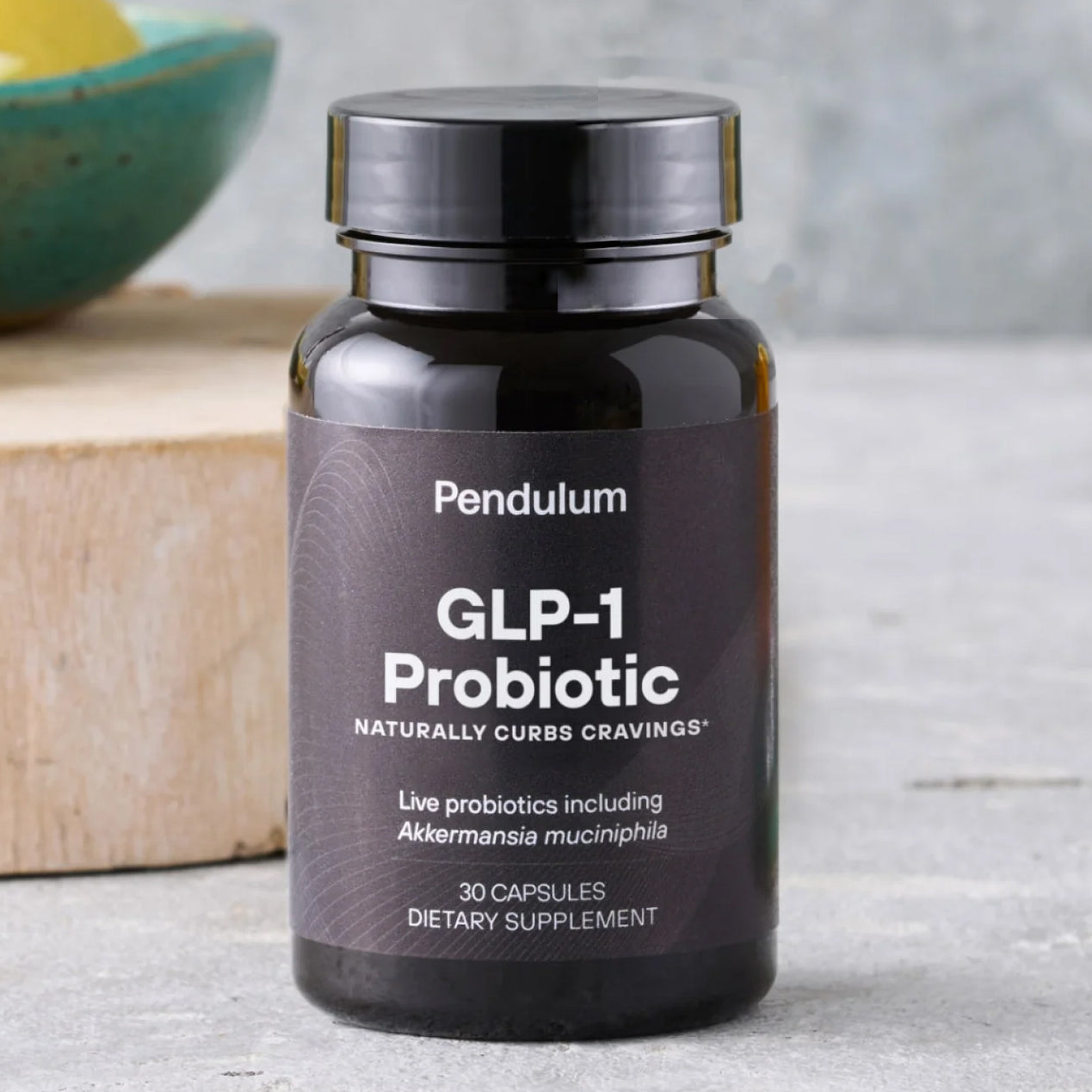
PROBIÓTICO GLP-1
No reviews
$66.30
$78.00
REDUCE ANTOJOS DE FORMA NATURAL
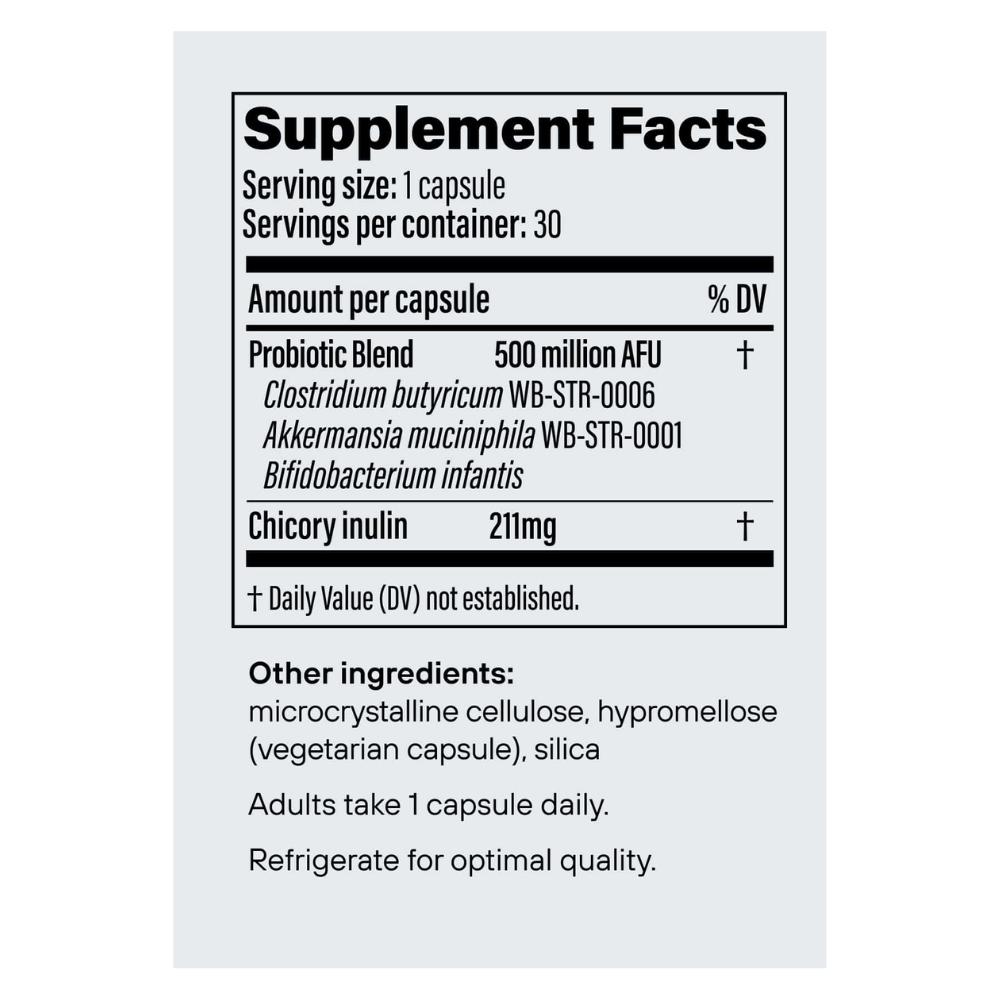
Este probiótico multicepa está formulado con bacterias beneficiosas que aumentan naturalmente el GLP-1, la hormona "sin hambre" que ayuda a reducir los antojos y el apetito.
El 91 % informó una reducción en los antojos de comida en general
Ayuda a mantener un peso saludable
Mejora la producción natural de GLP-1
venta
PATHWAY
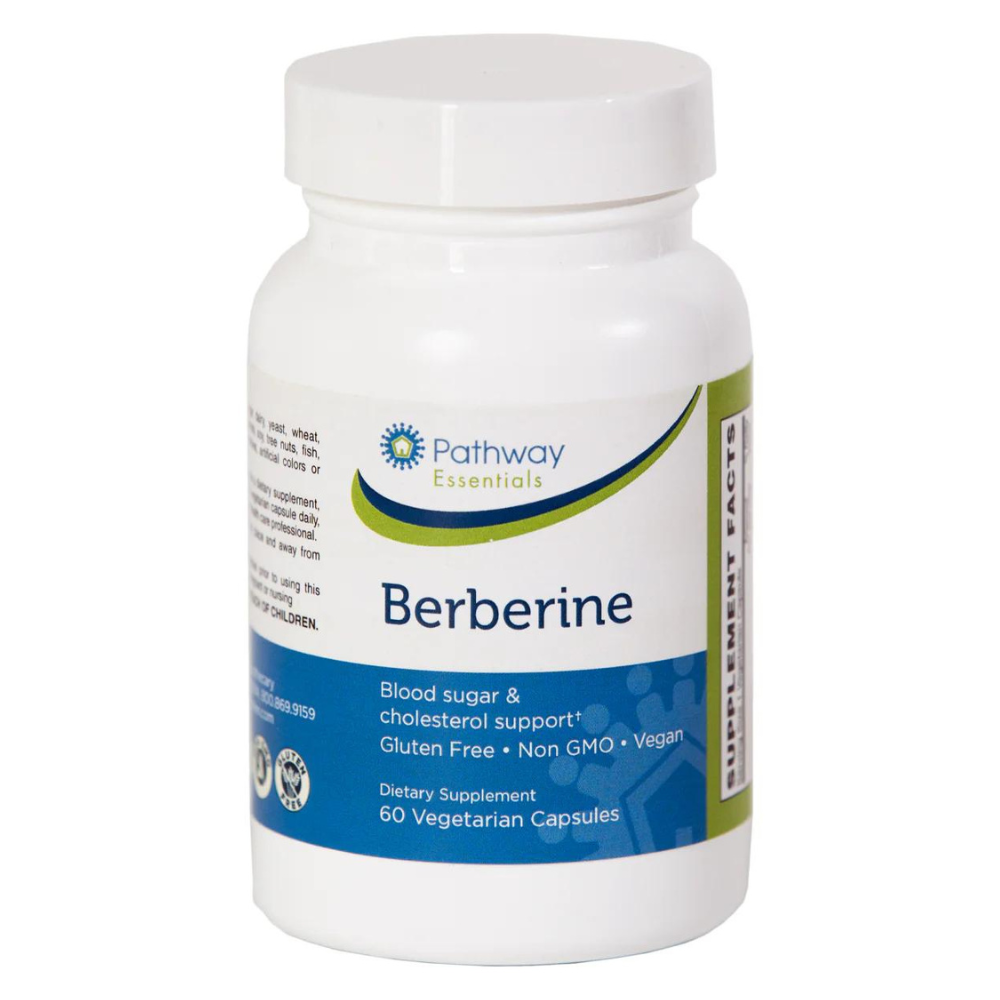
Berberina
1 review
$31.49
$44.99
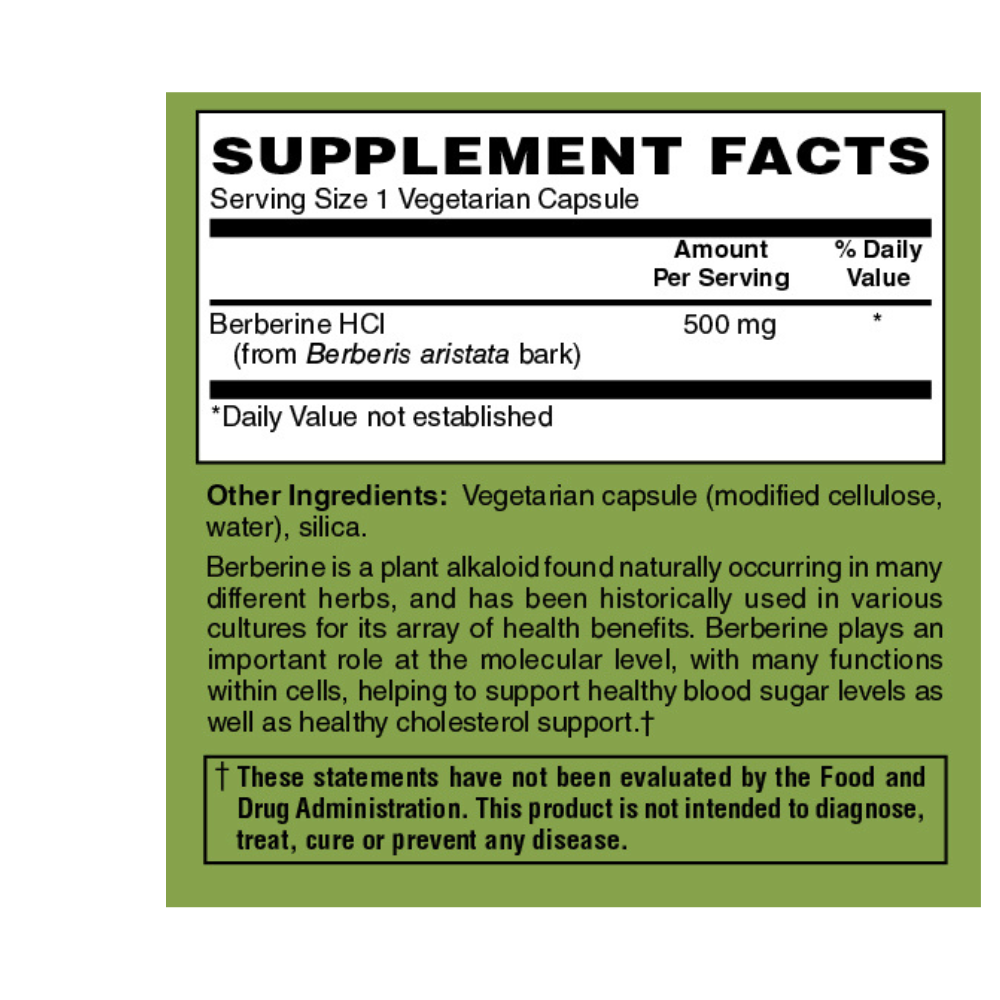
Berberina – Apoya el Azúcar en Sangre y la Salud CardiometabólicaLa berberina es un compuesto natural que se encuentra en una variedad de plantas, como el sello de oro y el agracejo. Tiene una larga historia de uso tanto en la medicina china como en la ayurvédica. Los estudios demuestran que la berberina tiene muchos beneficios para la salud, incluyendo el apoyo a los niveles de colesterol, el equilibrio del azúcar en sangre, la salud microbiana gastrointestinal, el control del peso, la salud de las membranas mucosas respiratorias, así como el apoyo a la función del sistema inmunológico. Pathway Berberine contiene 500 mg por cápsula.
venta
PATHWAY
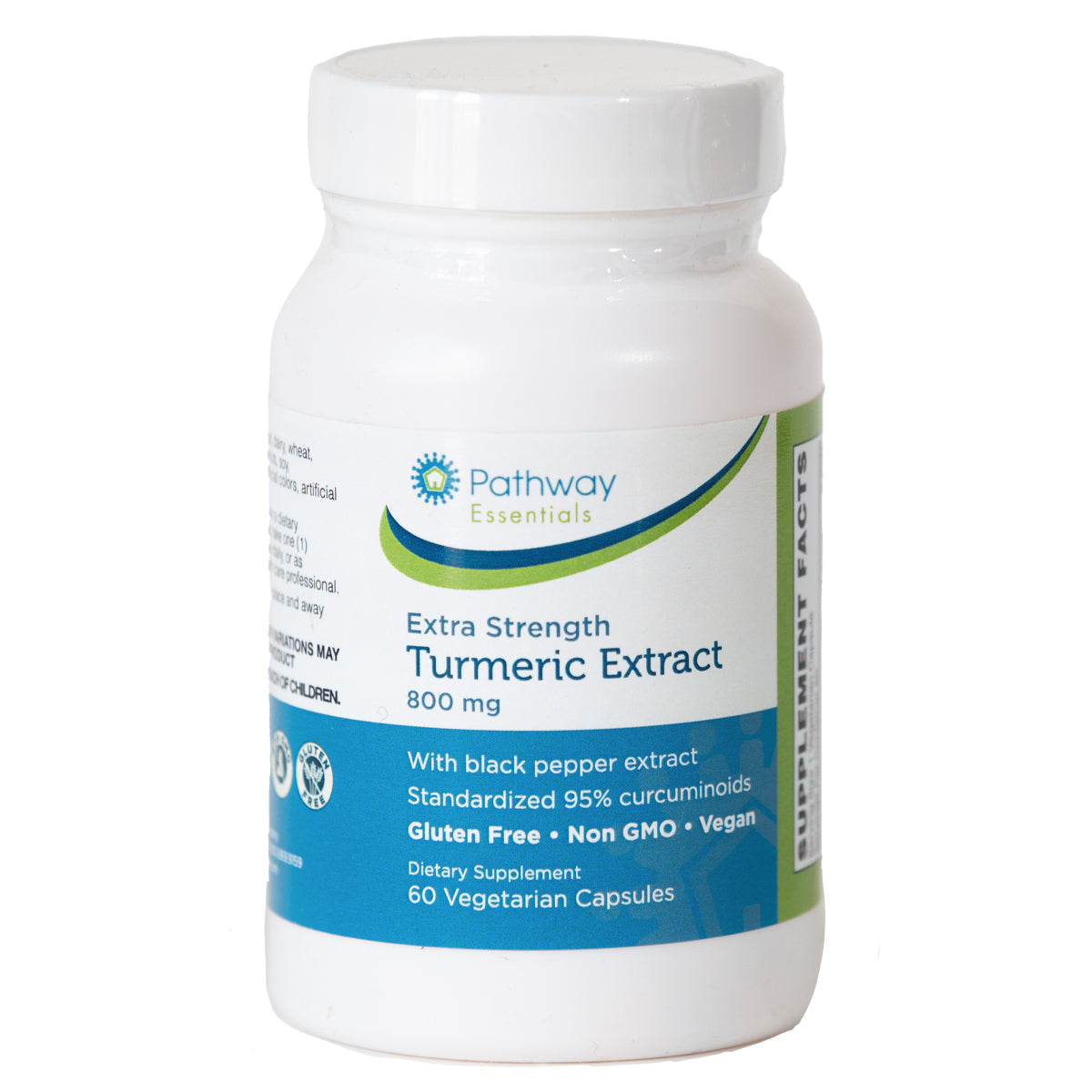
Extracto de Cúrcuma de Máxima Potencia
No reviews
$53.42
$76.31
La cúrcuma ha sido tendencia durante más de una década, pero esta potente especia se ha utilizado para promover la salud y el bienestar durante miles de años. La cúrcuma es una especia culinaria tradicional india y una medicina ayurvédica que se ha utilizado para una amplia gama de propósitos medicinales. Su uso tradicional más común ha sido para promover una digestión adecuada. Incluso la Monografía E de la Comisión Alemana sobre la cúrcuma la describe como una hierba medicinal aprobada para afecciones dispépticas (indigestión). En la última década, la cúrcuma ha recibido una atención más centrada de la comunidad científica occidental y los estudios clínicos han confirmado sus efectos promotores de la salud. De sabor y color intensos, la cúrcuma es un antioxidante debido a su rico suministro de curcuminoides. Contiene 800 mg de cúrcuma extra fuerte que puede ayudar a promover una respuesta inflamatoria saludable, proporcionar apoyo cardiovascular y ayudar a la movilidad articular saludable.† La cúrcuma de fuerza extra con curcumina también contiene BioPerine, mejorando la absorción de la cúrcuma en su sistema. BioPerine es un extracto estandarizado de los frutos de Piper nigrum L. (pimienta negra) o Piper Longum L. (pimienta larga). Con un contenido mínimo de piperina del 95%, BioPerine puede administrarse conjuntamente con cúrcuma para mejorar la absorción.Características
800 mg de cúrcuma por cápsula (estandarizada al 95 % de curcuminoides [760 mg])
5 mg de extracto de pimienta negra (BioPerine) (estandarizado al 95 % de piperina [4,75 mg])
No contiene azúcar, sal, lácteos, trigo, gluten, huevos, cacahuetes, soja, pescado, marisco, conservantes, colorantes ni aromas artificiales
Sin gluten, sin OMG y vegano
Beneficios
La cúrcuma de fuerza extra con BioPerine puede promover niveles normales y saludables de ciclooxigenasa-2 (COX-2), una enzima a menudo asociada con la inflamación y el dolor.
Puede ayudar a la recuperación del dolor muscular por el esfuerzo excesivo.
Suministra potentes antioxidantes que ayudan a neutralizar los radicales libres tanto hidrosolubles como liposolubles. Numerosos estudios han demostrado un papel de apoyo para los antioxidantes en los procesos relacionados con la inflamación.
Apoya la salud del tracto gastrointestinal.
Apoya la salud y desintoxicación del hígado.
Apoya el crecimiento y la maduración celular normales y saludables.
3. Ginger
Ginger has been shown to increase GLP-1 secretion and improve insulin sensitivity. This combination has led some to consider ginger a contender for the best GLP-1 booster natural supplement for weight loss.
By slowing the rate at which food leaves the stomach, ginger helps you feel fuller for longer, making it useful for weight management. Ginger's anti-inflammatory effects may also support overall metabolic health. For this reason, ginger is often mentioned among GLP-1 natural alternatives that some people explore for metabolic support.
Considerations: While ginger is generally safe, high doses may cause heartburn or digestive issues in some people. If you're taking blood-thinning medications, consult your healthcare provider before use.
4. Probiotics
The gut microbiome plays a significant role in GLP-1 secretion, and probiotics that promote gut health may increase natural GLP-1 levels. Strains like Clostridium butyricum, Akkermansia muciniphila and Bifidobacterium infantis have been linked to improved glucose metabolism and weight management, possibly through enhanced GLP-1 production.
Considerations: The effectiveness of probiotics can vary widely depending on the strains used and your unique gut health. Opt for high-quality, multi-strain supplements, and consider consulting a healthcare professional for personalized guidance.
A 2025 study looked at Akkermansia muciniphila and found it may support GLP-1 and insulin secretion. Engineered Clostridium butyricum strains have also been studied for blood sugar effects in type 2 diabetes models, which is why strain selection matters more than sheer CFU count.
5. Green Tea Extract
Green tea extract, particularly its catechin EGCG, may help support GLP-1 levels and improve insulin sensitivity. It's also associated with supporting fat oxidation and often comes up for readers looking for the best GLP-1 pills for weight loss. Because of this, green tea extract is sometimes cited as a candidate for the best natural GLP-1 booster supplement, though results vary by individual.
Considerations: Green tea extract contains caffeine, so it might not be suitable for people sensitive to stimulants. Decaffeinated versions are available, but they may be less potent.
EGCG is the main active ingredient in green tea. Standardized green tea extracts usually state their EGCG content on the label, so look for this when comparing different products.
Lifestyle Strategies and Natural GLP-1 Foods
- Diet: A diet high in fiber, healthy fats, and lean protein can naturally boost GLP-1 secretion. Natural GLP-1 foods like oats, chia seeds, avocados, and legumes help stabilize blood sugar and support a balanced gut microbiome.
- Exercise: Regular activity increases GLP-1 secretion and improves insulin sensitivity. Strength training and HIIT are especially effective.
- Gut Health: Incorporate fermented foods like kimchi, kefir, and sauerkraut. Reduce processed foods and artificial sweeteners, which may disrupt beneficial gut bacteria.
- Sleep and Stress: Chronic stress and poor sleep can impair glucose metabolism and reduce GLP-1 secretion. Prioritize sleep and mindfulness practices like meditation or yoga.
Building a Complete GLP-1 Support Strategy
Berberine, curcumin, ginger, probiotics, and green tea extract are valuable tools for metabolic health and among the best GLP supplement options when combined with balanced nutrition, exercise, and stress management. Always consult a health care practitioner before adding new supplements.
Frequently Asked Questions About Natural GLP-1
1. How can I increase GLP-1 naturally?
Lifestyle habits may support your body's natural GLP-1 activity. These include eating a diet rich in fiber, healthy fats, and lean protein, getting regular exercise, prioritizing quality sleep, managing stress, and nurturing a healthy gut microbiome. Certain supplements that increase GLP-1, including berberine, curcumin, ginger, probiotics, and green tea extract, are also commonly associated with supporting GLP-1 pathways.
2. What foods are commonly associated with supporting GLP-1?
Foods rich in soluble fiber, healthy fats, and quality protein are often associated with supporting natural satiety signaling and GLP-1 activity. Examples include oats, chia seeds, flaxseed, avocados, legumes, eggs, fatty fish, nuts, and fermented foods such as kimchi, kefir, and sauerkraut, which also help nurture a balanced gut microbiome.
3. How are natural GLP-1 supplements different from GLP-1 medications like semaglutide?
GLP-1 medications such as semaglutide are designed to amplify, extend, or mimic the body's existing GLP-1 signaling. Natural supplements like berberine, curcumin, ginger, probiotics, and green tea extract are associated with supporting the body's own GLP-1 secretion and related metabolic pathways, generally with a milder effect than prescription therapy.
4. Can I take natural GLP-1 supplements with my current medications?
Several of the supplements discussed, including berberine, curcumin, ginger, and green tea extract, may interact with certain medications. Consult your healthcare provider before combining any new supplement with your current prescriptions to ensure safety and appropriateness for your individual situation.
5. Can natural GLP-1 support help with perimenopause weight changes?
Midlife and perimenopausal hormonal shifts can disrupt digestion, satiety, and metabolic signaling, which may make weight management more challenging. Supporting natural GLP-1 activity through balanced nutrition, gut health, sleep, stress management, and targeted supplements may help, but a personalized plan with a qualified health care practitioner is recommended.
6. Does poor sleep affect GLP-1 and appetite?
Disrupted sleep can influence cortisol, insulin, and growth hormone, which are tied to appetite, cravings, and metabolism. Prioritizing consistent, high-quality sleep is associated with healthier hormonal signaling and may support natural GLP-1 function and satiety.
7. How long does it take natural GLP-1 supplements to work?
Response varies by individual, supplement, and overall lifestyle. Some people may notice changes in appetite or blood sugar within a few weeks of consistent use combined with diet and exercise, while broader metabolic benefits may take several months. Consult your health care practitioner for guidance tailored to your needs.
8. What is a natural GLP-1 supplement?
This is one of the biggest misunderstanding that people have about such products: A natural GLP-1 supplement does not contain GLP-1. Instead, it gives your body ingredients that may help support its own GLP-1 secretion. Berberine, curcumin, ginger, probiotics and green tea extract are all more of a nudge to a system that you have rather than a replacement of a prescription. This is the best description of what a natural GLP-1 supplement is.
9. Which GLP-1 supplement is best for weight loss?
Which is the best GLP-1 supplement for weight loss? There isn’t really one best supplement for everyone. It all comes down to what you’re trying to do and your unique circumstances. The article discussed berberine, curcumin, ginger, probiotics, and green tea extract. Each of these has been shown to be associated with helping your body make its own GLP-1 in different ways. They should also be used in conjunction with a healthy diet, physical activity, and stress reduction strategies. As always, consult with a licensed medical professional or pharmacist before beginning any new supplement program.
10. Do OTC GLP-1 or GIP supplements work, and is there a best over the counter GLP-1 supplement?
Are there GLP-1 supplements or best GPL1 pills you can take? In short, no. There is no pill available that includes a natural version of GLP-1 in the same way a prescription does. The closest thing to the best OTC GLP-1 supplement available will help facilitate the body’s production of its own GLP-1. Examples include berberine, curcumin, ginger, probiotics, and green tea extract. These GLP-1 supplement pills (or, as people frequently search for them, “GPL1 supplements”) act alongside the hormone in the body.
These statements have not been evaluated by the Food and Drug Administration. This product is not intended to diagnose, treat, cure, or prevent any disease.
References
- Annals of Internal Medicine (PubMed)
- SUSTAIN 1 trial, The Lancet Diabetes & Endocrinology (PubMed)
- Crosstalk between GLP-1 and gut microbiota in metabolic diseases (PubMed)
- SGLT-2 inhibitors and GLP-1 receptor agonists for type 2 diabetes (PubMed)
- MedlinePlus: Berberine
- NIH National Center for Complementary and Integrative Health: Turmeric
- NIH National Center for Complementary and Integrative Health: Ginger
- Gut liver brain axis in diseases (PubMed)
- Beyond GLP-1 Agonists: Plant-Derived Bioactive Compounds as Adjunctive Strategies for Obesity Management (2026)
- Effect of Akkermansia muciniphila on GLP-1 and Insulin Secretion (PubMed)
- Hypoglycemic effect of C. butyricum-pMTL007-GLP-1 engineered probiotics on type 2 diabetes mellitus (PubMed)
Categories
Categories
Humanized Health - NEW!
Learn about personalized health from top experts! Check out our fascinating new shows every week, available as videos, podcasts and transcripts.:
Our Bloggers
-
 Paula Gallagher
Paula is a highly qualified and experienced nutrition counselor on the staff at Village Green.
read more.. -
 Margo Gladding
Margo's impressive knowledge base is the result of a unique blend of educational and professional experience.
read more.. -
 Dr. Neal Barnard
Dr. Barnard leads programs advocating for preventive medicine, good nutrition, and higher ethical standards in research.
read more.. -
 Dr. Joseph Pizzorno
Dr. Joseph Pizzorno, ND is a pioneer of integrative medicine and a leading authority on science-based natural medicine.
read more.. -
 Debi Silber
Debi is a registered dietitian with a master’s degree in nutrition, a personal trainer, and whole health coach.
read more..
SEE ALL OF OUR BLOGGERS
Invalid password
Enter


Learning Resources
Consultas
Farmacia/Preparación de medicamentos
Salud Humanizada
Blog de Village Green
General Information
Contáctenos
Sobre nosotros
Política de privacidad
Oportunidades de Empleo
Programa de afiliados
Stay Connected
Village Green Apothecary
5415 W Cedar Ln
Bethesda, Maryland, 20814
(301) 530-0800
Toll Free: (800) 869-9159
The information provided on this site is not intended to be a substitute for advice or treatment from a qualified physician, nor is it intended to diagnose or treat a health problem or disease. Consult your physician prior to starting any new health program or if you any questions regarding a medical condition.
© 2025 Village Green Apothecary - All Rights Reserved.
