 FREE SHIPPING! Automatically Applied on Orders Over $74!




Can low vitamin B1 cause swollen legs and ankles? Yes, it can. Low levels of B1 can weaken the nerves controlling the muscles of the vascular system, allowing for swelling, or edema, of the legs and ankles. This problem can be exacerbated by a diet high in refined sugars and starches, which deplete thiamine stores during digestion. The good news is that low thiamine is testable and corrected through a combination of food, supplementation, and decreased intake of refined carbohydrates.
When Swollen Ankles Signal a Hidden Shortfall

There is a wide range of reasons for swollen legs and ankles, including poor blood circulation, eating too much salt, standing all day, certain drugs, or underlying heart, kidney or liver problems. One reason that tends to be missed is low levels of thiamine.
This is the mechanism at its simplest. Part of the blood vessels is muscle tissue, and that muscle tissue is controlled by nerves. And thiamine nourishes those nerves. When those nerves aren’t sending signals to that muscle tissue well, fluid can build up in your lower extremities and your feet. And if you’re deficient enough, it may affect your heart too, and that’s why you shouldn’t just wave your hand at it.
What Vitamin B1 and Thiamine Deficiency Really Means
Vitamin B1 and thiamine deficiency simply means the body isn't getting or keeping enough thiamine to run its metabolism properly. Thiamine plays a central role in converting carbohydrates into usable energy and in supporting healthy nerve function.
Because thiamine is water-soluble, the body doesn't store much of it, so a steady supply from food or supplements matters. The classic deficiency disease is beriberi, which comes in two main forms: "dry" beriberi, which mainly affects the nervous system, and "wet" beriberi, which affects the heart and circulation and is associated with swelling. Both can become serious if left untreated.
Key facts worth remembering:
Thiamine is water-soluble and isn't stored long-term
The deficiency disease is called beriberi
Thiamine plays a key role in converting carbs into energy.
Adult RDA is around 1.2 mg/day for men and 1.1 mg/day for women
What Causes Vitamin B1 Thiamine Deficiency
The causes of thiamine deficiency are related to either inadequate intake or poor absorption. Another reason for thiamine deficiency may be the increasing consumption of refined carbohydrates. The processing of sugar and starch requires thiamine; therefore, a diet high in refined carbohydrates increases the requirement for the vitamin. If the intake does not increase with the demand, thiamine stores will slowly become depleted.
Other factors can also increase your risk, and a pharmacist can help you figure out which of these are relevant to you:
A high intake of sugar and refined starches
Heavy alcohol use, which interferes with thiamine absorption and use
Digestive or absorption problems, including after bariatric surgery
Certain medications, such as some diuretics, that increase thiamine loss
Diets low in whole grains, legumes, and other thiamine-rich foods
Thiamine Deficiency Symptoms Beyond Swelling

Edema in the legs and ankles is one visible sign, but the effects of vitamin B1 thiamine deficiency can affect the whole body. As thiamine is also involved in nerve function, a deficiency can lead to tingling, numbness, or weakness, and B vitamin deficiencies have been linked to some types of neuropathy. Energy metabolism and heart function also depend on thiamine, so fatigue and poor endurance are often early, mild thiamine deficiency symptoms.
Common signs and symptoms include:
Swelling (edema) in the legs and ankles
Tingling, numbness, or nerve pain
Fatigue and low energy
Trouble with focus or mood
No one symptom alone confirms either a vitamin B12 or thiamine deficiency because all three of these symptoms have multiple potential causes. So again, I suggest working with your healthcare team to help put the pieces together rather than guessing on your own.
Thiamine Deficiency Symptoms in Women and Men
Thiamine deficiency symptoms also appear to be fairly similar for males and females, including fatigue, edema, and neurological changes. It can affect sleep as well because the nervous system requires thiamine, and some individuals who are thiamine-deficient experience poor or restless sleep.
Each symptom can be attributed differently. A woman with many responsibilities might attribute fatigue to being busy; a man might attribute his swollen legs to spending time on his feet. But if there are multiple symptoms present, they shouldn’t be viewed as separate issues but rather as one concerning issue.
When Swollen Legs Need Medical Attention
Because there are so many potential causes for leg swelling, it should not be assumed to be thiamine-related. Seek immediate medical attention if the swelling is sudden, in one leg, accompanied by pain, warmth or redness, or accompanied by shortness of breath, chest pain or rapid weight gain. These symptoms may indicate a blood clot, or heart, kidney or liver issues that require prompt treatment.
How to Check Your Thiamine Levels
Symptoms alone can't confirm a deficiency because they're so nonspecific. A simple blood test can assess vitamin B1 status, and a provider may order a direct thiamine level or a related functional marker. A pharmacist can help you interpret those results in context, and a lab review consultation is a good way to connect your results to your diet and routine.
Restoring Thiamine Through Food and Supplements
There are two main ways to correct a low thiamine level, getting more in and using less out. While you can supplement with B1, eating less sugar and refined starches is equally important.
Good food-first sources of thiamine include whole grains, legumes, pork, and fortified products.
Regarding supplements, there are a couple different types of thiamine you should be familiar with. The most common type is Thiamine HCl, which is used in almost all thiamine/B1 tablets. Another type is called Benfotiamine, which is fat soluble and therefore absorbed by the body in a different way. Another possibility for supplementation would be a B-complex, since the B vitamins all work synergistically. A Basic B Complex provides you with thiamine along with the rest of the B vitamins in a single capsule.
Getting it right means selecting the type, dosage, and root cause of the depletion. The latter is important since controlling blood sugar and reducing refined carbohydrate intake often play as important a role as the supplement.
A simple starting framework:
Whole grains, legumes, and pork for food-first thiamine
Thiamine HCl for a standard oral form
A B complex if you want all of the B vitamins together
Cut back on refined sugar and starch to reduce the need for thiamine
Key Takeaways
Vitamin B1 (thiamine) supports the nerves that control vascular muscle, and low levels are associated with swelling in the legs and ankles.
Thiamine requirements go up when we eat refined carbs, and excess drinking, malabsorption, and some drugs can cause a deficiency.
Symptoms can include fatigue, tingling, numbness, and, for some people, disrupted sleep.
Thiamine status may be assessed by blood testing, but levels can usually be normalized with dietary thiamine or vitamin B1 supplements.
If leg swelling happens suddenly in only one leg and is painful, seek immediate medical care. Swelling also requires immediate medical care if you have shortness of breath.
Frequently Asked Questions
What is vitamin B1 deficiency called?
The classic deficiency disease is called beriberi. "Dry" beriberi primarily affects the nervous system, while "wet" beriberi affects the heart and circulation and is associated with swelling. Both forms can be serious, which is one reason thiamine is so important to nerve and heart health.
What causes vitamin B1 deficiency?
Most commonly, it's due to too much demand and too little intake, or absorption issues. High refined sugar and starch intake increases thiamine needs. Heavy alcohol consumption, malabsorption, gastric bypass surgery, some medications, and diets that are low in whole grains and legumes may also increase the risk of deficiency. More often than not, it is a combination of causes.
How do I know if I have a vitamin B1 deficiency?
Symptoms don’t really tell us for sure because fatigue, tingling, and swelling can all come from other problems too. But we can do a simple blood test to look at your thiamine levels and a provider can also send off a related functional marker that is more telling of a true deficiency. A pharmacist is good at interpreting these results.
How is vitamin B1 deficiency treated?
Treatment involves replacing thiamine and reducing the refined sugars and starches that increase the demand for thiamine. Foods rich in thiamine are whole grains, legumes, and pork. A B1 tablet or a B complex vitamin can also restore thiamine levels. It’s best to find out which type and how much of thiamine you need from a pharmacist or doctor, and follow-up blood tests can show if your levels improve.
Can vitamin B1 deficiency cause neuropathy?
Thiamine helps nerves function properly, and low levels have been associated with tingling, numbness, and weakness. Studies have linked low levels of B vitamins with some types of neuropathy. Since these are non-specific symptoms that could be caused by many things, a blood test and a chat with your doctor are a much better idea than jumping to the conclusion that your problem is a lack of thiamine.
Why Does Alcohol Cause Thiamine Deficiency?
Since alcohol also interferes with the absorption and utilization of thiamine by the body, and since thiamine isn’t stored for long periods of time, anything that interferes with its intake or absorption can lead to thiamine deficiency over time. And as we’ll see, thiamine deficiency alcoholism symptoms can have serious neurological consequences in people with AUD. So if you’re concerned about your own or someone else’s drinking habits, it’s always a good idea to consult with your doctor.
Can low vitamin B1 affect memory and concentration?
Thiamine is also important for healthy brain and nerve function, and low levels can interfere with focus and mood. A severe deficiency can impact the nervous system in a more serious way. Because there are a variety of reasons for poor memory or concentration, it’s a good idea to speak with your doctor instead of just attributing the problem to thiamine deficiency.
Does vitamin B1 deficiency cause hair loss, tinnitus, or cracked heels?
None of those symptoms are definitive, main signs of thiamine deficiency, and all have other, more likely explanations. If you’re noticing any of these symptoms, your doctor can look at the entire context, including your nutritional state, as opposed to saying “it’s this one vitamin.”
Who discovered vitamin B1 and its link to beriberi?
Beriberi in chickens caused by eating polished white rice was noticed by the Dutch physician Christiaan Eijkman in the 1890s. His studies provided evidence for the connection between diet and beriberi and led him to a Nobel Prize. Thiamine was isolated and identified as vitamin B1. It was one of the first vitamins to be discovered.
The information presented in this article is for educational purposes only and should not be considered as a substitute for personalized medical advice. Please consult your doctor or pharmacist regarding ongoing swelling, tingling, or fatigue. Also, talk to your doctor before taking any new supplement, especially if you're currently on medication.
venta

LIFE EXTENSION
Benfotiamina con tiamina, 100 mg
No reviews
$14.99
$19.99
Descripción
Vitamina B1 liposoluble e hidrosoluble
Suplemento alimentario
Sin gluten
Producto no transgénico certificado por LE
La benfotiamina es la forma liposoluble de la vitamina B1 probada clínicamente para ofrecer protección contra los productos finales de glicación avanzada, que suelen asociarse con irregularidades de la glucosa en sangre.
La benfotiamina, una forma liposoluble de la vitamina B1 (tiamina), favorece el metabolismo saludable del azúcar en sangre y ayuda a proteger los tejidos del cuerpo contra los productos finales de glicación avanzada y el estrés oxidativo.
La benfotiamina es más biodisponible que la tiamina hidrosoluble. También puede penetrar fácilmente en el interior de las células.
Beneficios de la benfotiamina con tiamina
Favorece el metabolismo saludable del azúcar en sangre.
Promueve niveles óptimos de tiamina importantes para la salud cardiovascular.
Ayuda a proteger contra los productos finales de glicación avanzada.
Brinda protección contra el estrés oxidativo.
La benfotiamina es una forma liposoluble de la vitamina B1 (tiamina). La tiamina es necesaria para el metabolismo normal del azúcar en sangre a través de una vía metabólica independiente del oxígeno llamada vía de las pentosas fosfato. Los productos de esta vía son necesarios para la síntesis de ácidos grasos, aminoácidos y nucleótidos. Los niveles adecuados de tiamina son especialmente críticos para favorecer una función cerebral saludable, donde las células dependen de la vía de las pentosas fosfato para obtener energía. La tiamina también ayuda a proteger los tejidos del cuerpo contra los productos finales de glicación avanzada y el estrés oxidativo, lo que hace que el mantenimiento de niveles óptimos sea importante para la salud cardiovascular y metabólica.
Desafortunadamente, la tiamina en la mayoría de los suplementos (clorhidrato de tiamina) es hidrosoluble, lo que la hace menos disponible para el interior de la célula. Como forma liposoluble de tiamina, la benfotiamina puede penetrar fácilmente en el interior de las células. Se ha demostrado que favorece los niveles de tiamina más rápido y por más tiempo que la tiamina hidrosoluble.
La tiamina es un cofactor para la transketolasa, la enzima de la vía de las pentosas fosfato. En un estudio, la benfotiamina aumentó eficazmente la actividad de la transketolasa en cultivos celulares en un 300 %, en comparación con el 20 % de la tiamina. Esta activación ayuda a promover la salud de los vasos sanguíneos. La benfotiamina también favorece una respuesta inflamatoria saludable en el factor nuclear-kappa B (NF-kB) y fomenta la expresión del factor nuclear eritroide 2 relacionado con el factor 2 (Nrf2), que favorece la actividad antioxidante en las células.
Además, se ha descubierto que la benfotiamina inhibe la formación de ovillos neurofibrilares y el daño de la proteína tau en el tejido cerebral y favorece una vida útil saludable en estudios preclínicos, así como mantiene la función de las células endoteliales.
En general, la benfotiamina puede favorecer el metabolismo saludable de la glucosa y promover niveles saludables de glucosa en sangre en aquellas personas que ya se encuentran dentro del rango normal. Benfotiamina con tiamina es un suplemento alimentario que puede ayudar a mantener los niveles de azúcar en sangre en aquellas personas que ya se encuentran dentro del rango normal y favorecer la salud de los nervios, los riñones, los ojos, los vasos sanguíneos y el corazón.
venta

LIFE EXTENSION
Megabenfotiamina
No reviews
$22.50
$30.00
Mega Benfotiamine está formulado con 250 mg de benfotiamina y 10 mg de tiamina (vitamina B1) para apoyar el metabolismo saludable del azúcar en sangre. También ayuda a proteger su cuerpo contra el estrés oxidativo y la glicación, una reacción bioquímica que puede contribuir a una variedad de factores relacionados con la edad.La benfotiamina puede modular el metabolismo de la glucosa y mantener los niveles de glucosa en sangre ya saludables.Beneficios de Mega Benfotiamine
Ayuda a mantener un metabolismo saludable del azúcar en sangre
Mantiene los niveles de glucosa en sangre ya saludables
Ofrece protección contra los productos finales de glicación avanzada (AGEs) y el estrés oxidativo
venta
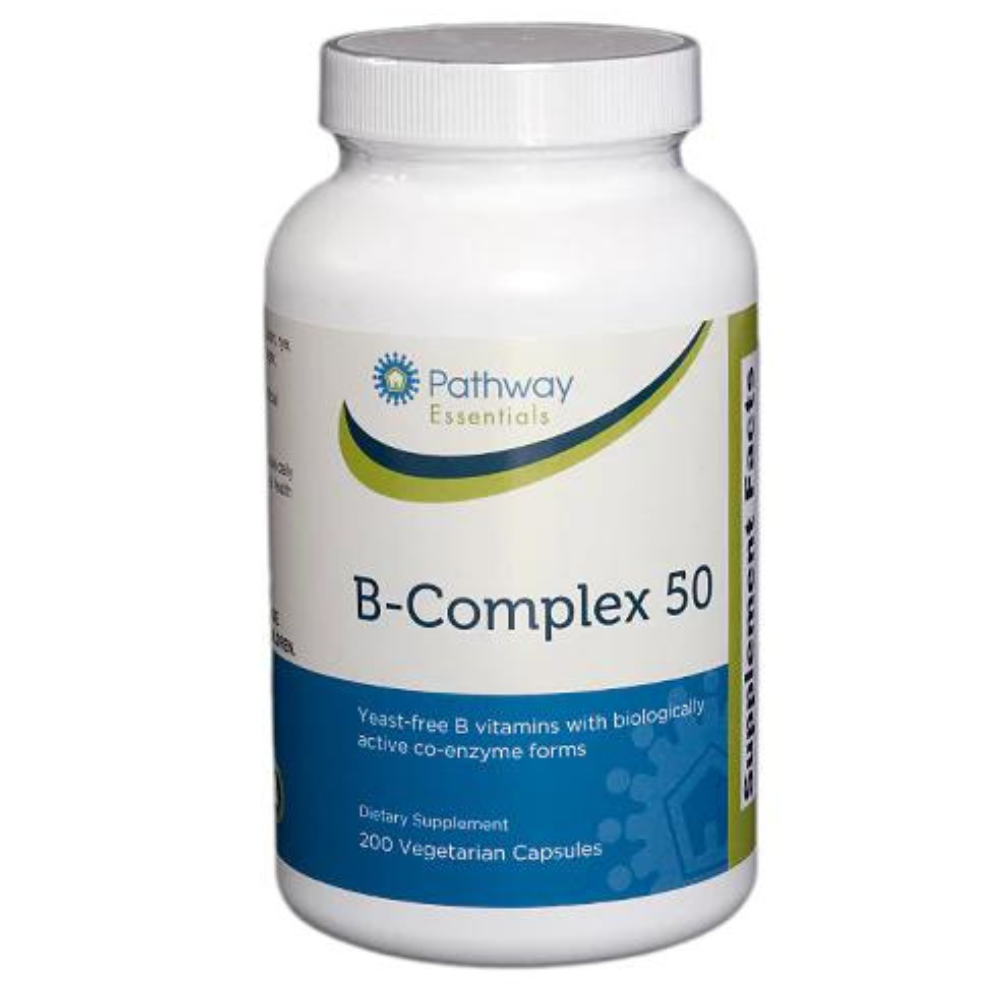
PATHWAY
Complejo B 50
No reviews
$38.49
$54.99
Apoyo equilibrado, incluyendo formas de coenzimas
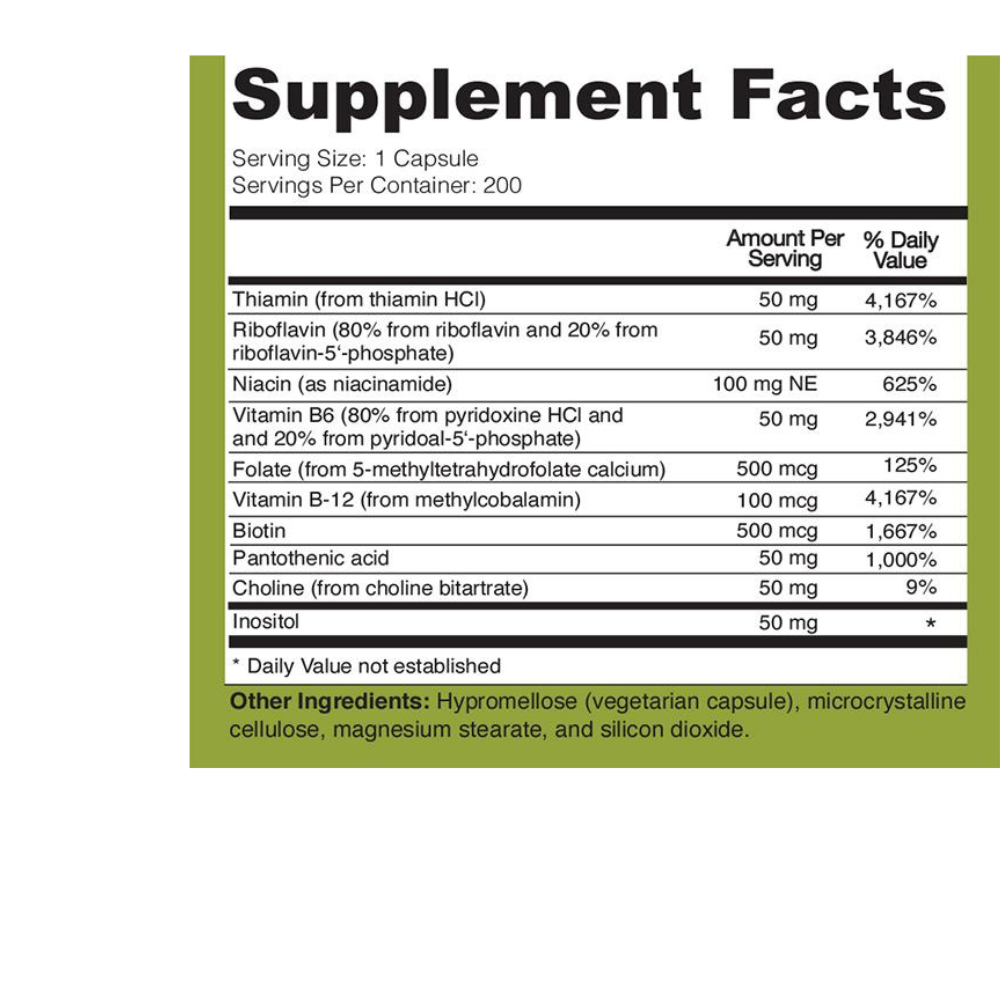
Las vitaminas B están involucradas en un grupo grande e importante de funciones metabólicas en el cuerpo humano. Deben ser repuestas diariamente porque son solubles en agua y, por lo tanto, no acumulan una reserva en el cuerpo. La forma más fácil y mejor de obtener lo que su cuerpo necesita es tomar un suplemento de complejo B como Pathway B-Complex 50. La fórmula de Pathway contiene el complemento completo de vitaminas del complejo B, así como formas de coenzimas. Las vitaminas B trabajan en equipo y siempre deben tomarse juntas en proporciones específicas como las que se encuentran en esta fórmula.
Uso sugerido: 1 cápsula al día con una comida
References
- PubMed: Thiamine Deficiency Disorders — A Clinical Perspective
- NIH Office of Dietary Supplements: Thiamin Fact Sheet
- PubMed: Thiamin
- PubMed: Thiamine (Vitamin B1) Treatment in Patients With Alcohol Dependence
- PubMed: Comprehensive review of Wernicke encephalopathy
- PubMed: Diagnosis and treatment of Wernicke's encephalopathy: A systematic literature review
- PubMed: Epidemiological profile of reported beriberi cases
Categories
Categories
Humanized Health - NEW!
Learn about personalized health from top experts! Check out our fascinating new shows every week, available as videos, podcasts and transcripts.:
Our Bloggers
-
 Paula Gallagher
Paula is a highly qualified and experienced nutrition counselor on the staff at Village Green.
read more.. -
 Margo Gladding
Margo's impressive knowledge base is the result of a unique blend of educational and professional experience.
read more.. -
 Dr. Neal Barnard
Dr. Barnard leads programs advocating for preventive medicine, good nutrition, and higher ethical standards in research.
read more.. -
 Dr. Joseph Pizzorno
, ND is a pioneer of integrative medicine and a leading authority on science-based natural medicine.
read more.. -
 Debi Silber
Debi is a registered dietitian with a master’s degree in nutrition, a personal trainer, and whole health coach.
read more..
SEE ALL OF OUR BLOGGERS
Invalid password
Enter


Learning Resources
Consultas
Farmacia/Preparación de medicamentos
Salud Humanizada
Blog de Village Green
General Information
Contáctenos
Sobre nosotros
Política de privacidad
Oportunidades de Empleo
Programa de afiliados
Stay Connected
Village Green Apothecary
5415 W Cedar Ln
Bethesda, Maryland, 20814
(301) 530-0800
Toll Free: (800) 869-9159
The information provided on this site is not intended to be a substitute for advice or treatment from a qualified physician, nor is it intended to diagnose or treat a health problem or disease. Consult your physician prior to starting any new health program or if you any questions regarding a medical condition.
© 2025 Village Green Apothecary - All Rights Reserved.
