 FREE SHIPPING! Automatically Applied on Orders Over $74!



Una piel sana y radiante no solo se logra con los productos tópicos y las rutinas de cuidado de la piel adecuados; lo que ponemos dentro de nuestro cuerpo juega un papel igualmente importante en el mantenimiento de la salud de la piel. Las vitaminas, minerales y suplementos nutren y apoyan la piel desde adentro hacia afuera, proporcionando nutrientes esenciales que mejoran tanto la apariencia como la vitalidad. Entre los más importantes para la salud de la piel se encuentran el colágeno, la vitamina C y el ácido hialurónico.
1. Colágeno: la base de la estructura de la piel
El colágeno es la proteína más abundante en el cuerpo y un componente principal de la piel, proporcionando estructura, elasticidad y firmeza. A medida que envejecemos, la producción de colágeno disminuye naturalmente, lo que provoca arrugas, flacidez y piel más delgada. Los suplementos de colágeno pueden ayudar a contrarrestar estos efectos, promoviendo una tez más juvenil.
Cómo el colágeno apoya la salud de la piel
Los suplementos de colágeno, típicamente derivados de fuentes bovinas o marinas, se descomponen en péptidos de colágeno de fácil absorción. Estos péptidos ayudan a estimular la producción natural de colágeno de la piel, mejorando la elasticidad de la piel, aumentando la hidratación y reduciendo la aparición de arrugas.
Estudios han demostrado que tomar suplementos de colágeno regularmente puede mejorar significativamente la elasticidad de la piel y reducir la profundidad de las arrugas. Además, el colágeno puede ayudar a apoyar los procesos de reparación natural de la piel, lo que lo hace particularmente útil para aquellos con daño solar o preocupaciones relacionadas con el envejecimiento.
Cómo incorporar el colágeno en su rutina
Los suplementos de colágeno están disponibles en varias formas, incluyendo polvos, cápsulas y líquidos. Agregar colágeno en polvo a batidos, café o incluso agua es una forma popular de aumentar la ingesta diaria. Una dosis diaria típica es de alrededor de 2.5 a 15 gramos, dependiendo del producto y los resultados deseados. Muchos encuentran que tomar colágeno por la mañana o con las comidas ayuda con la absorción.
2. Vitamina C: el antioxidante iluminador
La vitamina C es una de las vitaminas más estudiadas y conocidas para la salud de la piel. Como un poderoso antioxidante, es esencial para la producción de colágeno y protege contra los factores estresantes ambientales como los rayos UV y la contaminación, que pueden acelerar el envejecimiento.
Cómo la vitamina C beneficia la piel
La vitamina C ayuda a aumentar la síntesis de colágeno, lo que la convierte en un excelente complemento para los suplementos de colágeno. También ayuda a iluminar la piel al reducir la hiperpigmentación y las manchas oscuras, lo que resulta en una tez más uniforme. Además, sus propiedades antioxidantes protegen contra el estrés oxidativo, que puede causar envejecimiento prematuro, opacidad y líneas finas.
Vitamina C tópica vs. oral
Los sueros tópicos de vitamina C son efectivos para tratar problemas específicos de la piel, mientras que los suplementos orales de vitamina C pueden apoyar la salud general de la piel desde el interior. Tomar ambos ofrece los máximos beneficios. Además de mejorar la producción de colágeno, la vitamina C oral puede ayudar a reparar la piel dañada y promover la curación de heridas.Cómo usar los suplementos de vitamina C
La vitamina C es hidrosoluble, lo que significa que no se almacena en el cuerpo y debe reponerse diariamente a través de la dieta o suplementos. Puede encontrar vitamina C en frutas y verduras como naranjas, fresas y pimientos, pero para un impulso adicional, un suplemento en forma de cápsulas o polvos puede ser útil.
venta
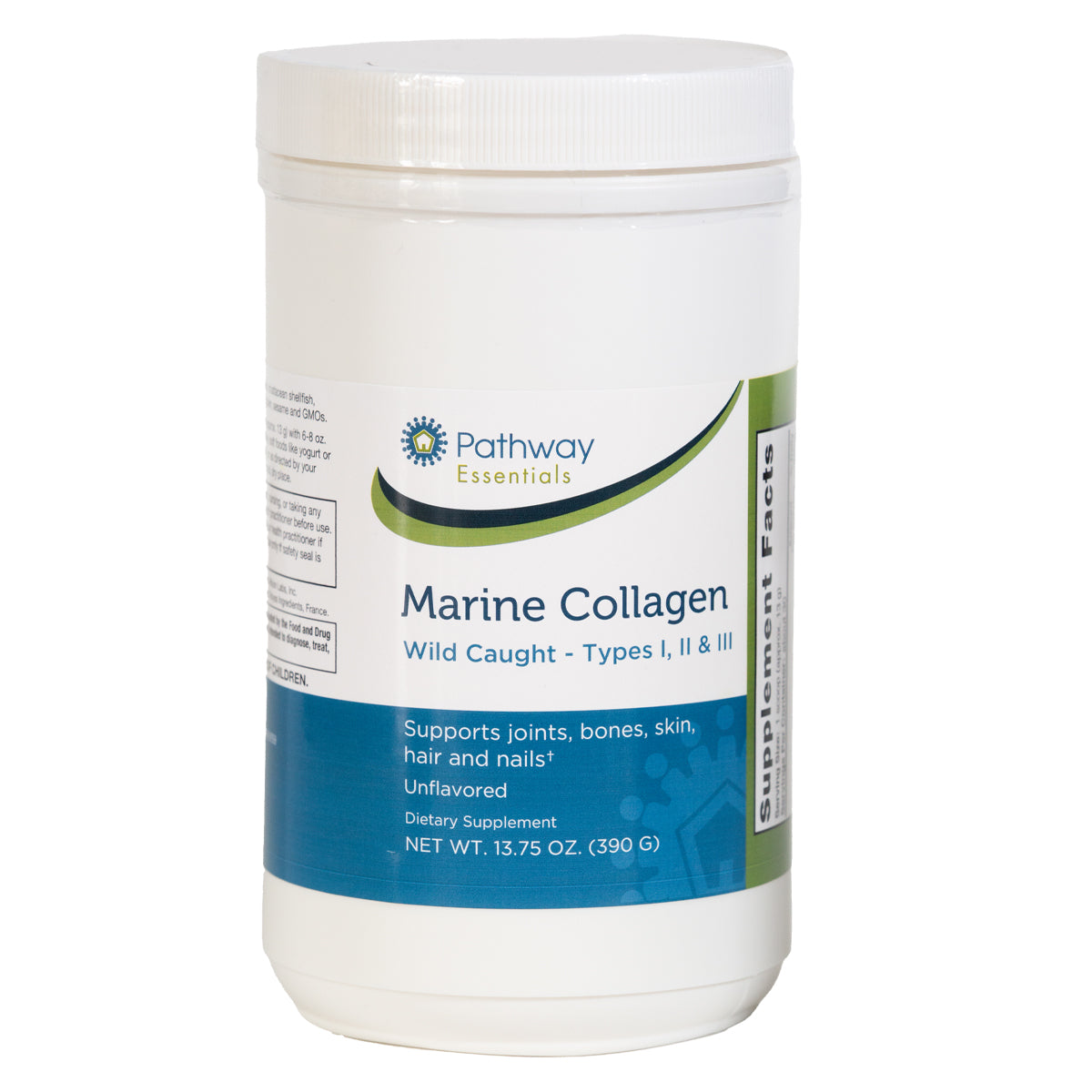
PATHWAY
Colágeno marino - Capturado en la naturaleza - Tipos I,...
reviews
$55.29
$78.99
Apoya la salud de la piel, el cabello, las uñas, las articulaciones y los huesosEl colágeno es un componente principal de la piel y juega un papel en su elasticidad e hidratación. Ayuda a asegurar que el cartílago sea lo suficientemente fuerte como para absorber los golpes y proteger las articulaciones de los daños, al mismo tiempo que permite que los huesos se muevan fluidamente sin fricción. El colágeno es también un componente vital del tejido conectivo del intestino y puede ayudar a apoyar el revestimiento protector del estómago y las paredes intestinales. Aunque el cuerpo produce colágeno de forma natural, la producción se ralentiza a medida que envejecemos y también puede dañarse por el estrés, una mala nutrición, toxinas y la exposición al sol.Pathway Marine Collagen proporciona péptidos de colágeno marino hidrolizado de pescado capturado en la naturaleza para una fácil absorción, junto con cofactores sinérgicos que apoyan la producción de colágeno. Este polvo sin sabor es insípido e inodoro y se disuelve fácilmente en líquidos o alimentos blandos.Uso sugerido: Mezcle 1 cucharada (aprox. 13 g) con 6-8 oz. de agua o bebida preferida una vez al día, o según lo indique su profesional de la salud.
venta
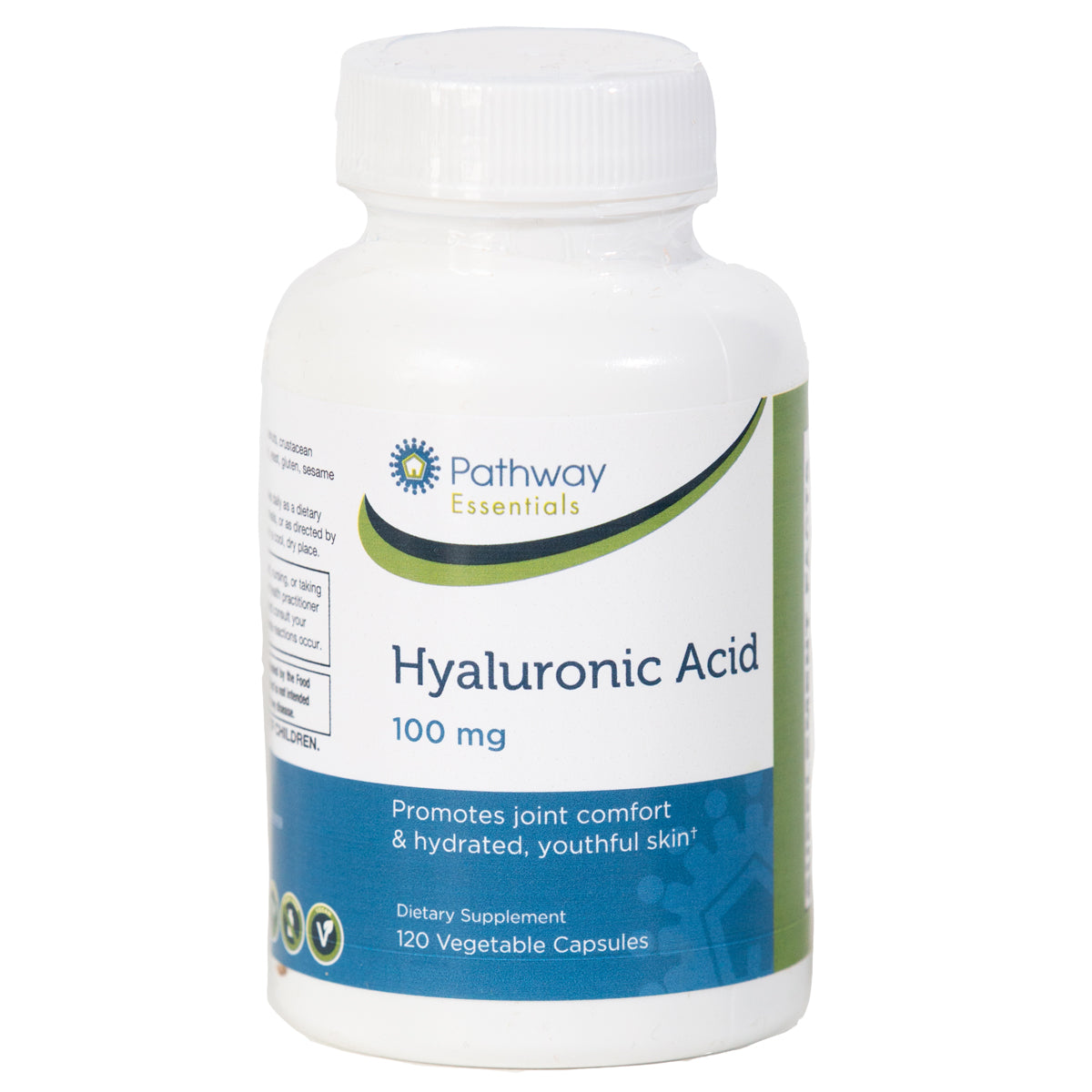
PATHWAY
Ácido Hialurónico 100MG
No reviews
$29.39
$41.99
Proporciona Confort Articular y Piel HidratadaEl ácido hialurónico es un polisacárido natural que se encuentra en la piel, los tejidos conectivos de las articulaciones y el líquido ocular. Es un componente principal del líquido sinovial que permite un movimiento suave y amortiguación para las articulaciones e hidrata los ojos. Tomar ácido hialurónico puede ayudar a promover una piel sana, nutrir e hidratar el colágeno, lubricar los ojos y apoyar la flexibilidad de las articulaciones. Uso Sugerido: Tome 2 cápsulas al día como suplemento dietético, con o entre comidas, o según las indicaciones de su médico.
3. Hyaluronic Acid: The Ultimate Hydrator
Hyaluronic acid (HA) is a naturally occurring substance in the skin that retains moisture, giving skin a plump, smooth appearance. However, like collagen, HA levels decrease with age, leading to dryness, fine lines, and a loss of volume.
How Hyaluronic Acid Hydrates and Plumps the Skin
Hyaluronic acid’s remarkable ability to hold up to 1, 000 times its weight in water makes it a go-to for maintaining skin hydration. HA supplements work by replenishing your body’s natural stores, leading to better moisture retention, improved elasticity, and a reduction in the appearance of fine lines.
HA also supports skin barrier function, preventing water loss and keeping your skin soft and supple. By boosting hydration, it creates a plumper, more youthful appearance.
How to Take Hyaluronic Acid
Hyaluronic acid supplements, available in capsule or powder form, work from within to improve hydration levels, complementing topical HA serums that can moisturize the skin’s surface. A typical dose ranges from 100 mg to 240 mg per day, though it's wise to start lower and adjust based on how your skin responds. HA is particularly effective when taken alongside collagen supplements, as the two work synergistically to enhance skin elasticity and moisture retention.
4. Other Essential Vitamins and Minerals for Skin Health
In addition to collagen, vitamin C, and hyaluronic acid, several other vitamins and minerals play a key role in supporting healthy skin:
Vitamin E: The Skin Protector
Vitamin E is a fat-soluble antioxidant that shields the skin from oxidative damage caused by free radicals, helping prevent premature aging. Its anti-inflammatory properties also make it beneficial for reducing redness and irritation, especially in those with acne, eczema, or sensitive skin. Vitamin E is often found in topical skincare products, but taking it as a supplement can enhance its protective benefits. Foods rich in vitamin E include nuts, seeds, and leafy green vegetables. For supplements, the recommended dose is around 15 mg per day.
Zinc: The Healing Mineral
Zinc is a vital trace mineral that supports skin repair and reduces inflammation. It is particularly beneficial or those with acne, as it helps regulate oil production and supports the skin’s immune defenses. Zinc supplements are commonly associated with supporting acne-prone skin, wound healing, and a reduced risk of scarring. The recommended daily intake of zinc is around 8 to 11 mg for adults, though higher doses may be suggested for those managing skin concerns like acne. Always consult with a healthcare provider before taking higher doses.
Biotin: The Hair, Skin, and Nails Vitamin
Biotin, also known as vitamin B7, is often marketed as a "beauty vitamin" and one of the best hair, skin and nails vitamins in the UK and beyond, due to its benefits for hair, skin, and nails. Although biotin deficiencies are rare, pairing collagen, vitamin C, and biotin can help strengthen brittle nails, improve skin hydration, and promote healthy hair growth. The recommended daily intake of biotin is approximately 30 mcg, which can be found in foods such as eggs, nuts, and seeds. However, formulas like NeoCell Super Collagen Vitamin C & Biotin can provide a higher concentration for those looking to enhance the appearance of their skin, hair, and nails.
While skincare products can provide a temporary solution for surface-level skin issues, supplements like collagen, vitamin C, hyaluronic acid, and other key nutrients offer a lasting, internal solution for skin health. These supplements nourish your skin from within, helping to improve elasticity, enhance hydration, and promote an overall radiant complexion. For optimal skin health, consider incorporating a combination of these vitamins and supplements into your daily routine. Remember, healthy skin starts from within, and nourishing your body with the right nutrients is key to maintaining a radiant, youthful appearance. As always, consult with a healthcare provider before starting any new supplement regimen, especially if you have underlying health conditions or are taking other medications.
Frequently Asked Questions
Are vitamin c supplements good for skin?
It’s true that vitamin C is one of the most well-researched vitamins for your skin. Not only is it necessary for collagen production, but it also serves as an antioxidant to protect your skin from external aggressors like UV rays and pollutants. Taken daily, it may help support a brighter, more even complexion from the inside. It goes particularly well with collagen supplements.
Can I take vit c?
It depends. Most healthy adults should be able to tolerate vitamin C supplementation. Since it's a water-soluble vitamin, your body will use what it needs and pass the excess in your urine, making it well tolerated at most supplemental doses. In higher doses, it may cause gastrointestinal distress for some individuals. If you have any kidney issues or take medications, consult your doctor first.
Will collagen supplements help crepey skin?
Crepey skin is a term used to describe thin, loose skin typically found on older people as they lose collagen and elastin. Collagen peptides may help support skin elasticity and firmness over time, which is why so many people ask about them for this concern. It takes time. Each day you add more results. It may take several weeks. You can also take collagen with vitamin C to boost your own collagen production.
Can iron supplements cause skin rash?
Iron isn’t typically a rash-inducing substance. But you could be allergic or sensitive to a particular form of iron in your supplement, and this could manifest as an itchy rash, hives or redness. In that case, discontinue use of the supplement and contact your doctor. It’s possible your rash is from something entirely unrelated to your supplement, so don’t guess about it - see a doctor.
What vitamins help skin health?
Several vitamins and nutrients may help support skin health from within. Vitamin C helps the body make collagen and acts as an antioxidant against environmental factors. Vitamin E is an antioxidant which can help protect your skin from oxidative damage and may reduce redness. Biotin, or vitamin B7, helps keep hair, skin and nails healthy. Other potentially beneficial vitamins and minerals include collagen, hyaluronic acid and zinc. As with most supplements, talk to a qualified health care practitioner before taking one.
These statements have not been evaluated by the Food and Drug Administration. This product is not intended to diagnose, treat, cure, or prevent any disease.
References
- PubMed - Oral collagen supplementation and skin
- NIH Office of Dietary Supplements - Vitamin C
- PubMed - Hyaluronic acid: A key molecule in skin aging
- NIH Office of Dietary Supplements - Vitamin E
- NIH Office of Dietary Supplements - Zinc
- NIH Office of Dietary Supplements - Biotin
- PubMed - The skin: a microbial ecosystem
- PubMed - Immunomodulatory Plant Natural Products
- Collagen, Curcumin, and Glutathione to Enhance Dermal Health in Aging Women with Declining Estrogen Levels -A Narrative Review (2026)
- Food Supplements in Osteoarthritis: A Practical Framework for Discussing Evidence with Patients (2026)
Categories
Categories
Humanized Health - NEW!
Learn about personalized health from top experts! Check out our fascinating new shows every week, available as videos, podcasts and transcripts.:
Our Bloggers
-
 Paula Gallagher
Paula is a highly qualified and experienced nutrition counselor on the staff at Village Green.
read more.. -
 Margo Gladding
Margo's impressive knowledge base is the result of a unique blend of educational and professional experience.
read more.. -
 Dr. Neal Barnard
Dr. Barnard leads programs advocating for preventive medicine, good nutrition, and higher ethical standards in research.
read more.. -
 Dr. Joseph Pizzorno
Dr. Joseph Pizzorno, ND is a pioneer of integrative medicine and a leading authority on science-based natural medicine.
read more.. -
 Debi Silber
Debi is a registered dietitian with a master’s degree in nutrition, a personal trainer, and whole health coach.
read more..
SEE ALL OF OUR BLOGGERS
Invalid password
Enter


Learning Resources
Consultas
Farmacia/Preparación de medicamentos
Salud Humanizada
Blog de Village Green
General Information
Contáctenos
Sobre nosotros
Política de privacidad
Oportunidades de Empleo
Programa de afiliados
Stay Connected
Village Green Apothecary
5415 W Cedar Ln
Bethesda, Maryland, 20814
(301) 530-0800
Toll Free: (800) 869-9159
The information provided on this site is not intended to be a substitute for advice or treatment from a qualified physician, nor is it intended to diagnose or treat a health problem or disease. Consult your physician prior to starting any new health program or if you any questions regarding a medical condition.
© 2025 Village Green Apothecary - All Rights Reserved.
