 FREE SHIPPING! Automatically Applied on Orders Over $74!



Mantener un patrón de deposiciones saludable es crucial para el bienestar general, como lo demuestra una investigación reciente. El estudio exploró los hábitos intestinales de más de 1400 adultos sanos, proporcionando una visión completa de cómo las diferentes frecuencias de las deposiciones pueden afectar nuestra salud.
Comprendiendo las frecuencias de las deposiciones
Los participantes en el estudio informaron sobre la frecuencia de sus deposiciones, que se clasificaron en cuatro grupos:
- Estreñimiento: Una o dos deposiciones por semana.
- Normal-baja: De tres a seis por semana.
- Normal-alta: De una a tres por día.
- Diarrea: Tres o más deposiciones blandas o líquidas por día.
Cada grupo exhibió distintas características biológicas y clínicas, lo que subraya la importancia de mantener una frecuencia equilibrada de las deposiciones.
El papel del microbioma intestinal
El microbioma intestinal, que consiste en trillones de microorganismos que viven en nuestros intestinos, desempeña un papel crucial en la digestión y la salud en general. Cuando las heces permanecen en el intestino durante demasiado tiempo, los microbios agotan la fibra disponible, típicamente fermentándola en ácidos grasos de cadena corta beneficiosos. Si la fibra se agota, comienzan a fermentar proteínas, produciendo toxinas como el p-cresol sulfato y el indoxil sulfato, que pueden entrar en el torrente sanguíneo y afectar negativamente a los riñones, incluso en individuos sanos con estreñimiento.
Por el contrario, la diarrea se asoció con marcadores clínicos que indicaban inflamación y daño hepático. Esto ocurre porque durante la diarrea, el cuerpo excreta un exceso de ácidos biliares, que normalmente serían reciclados por el hígado para disolver y absorber las grasas dietéticas.
venta

PATHWAY
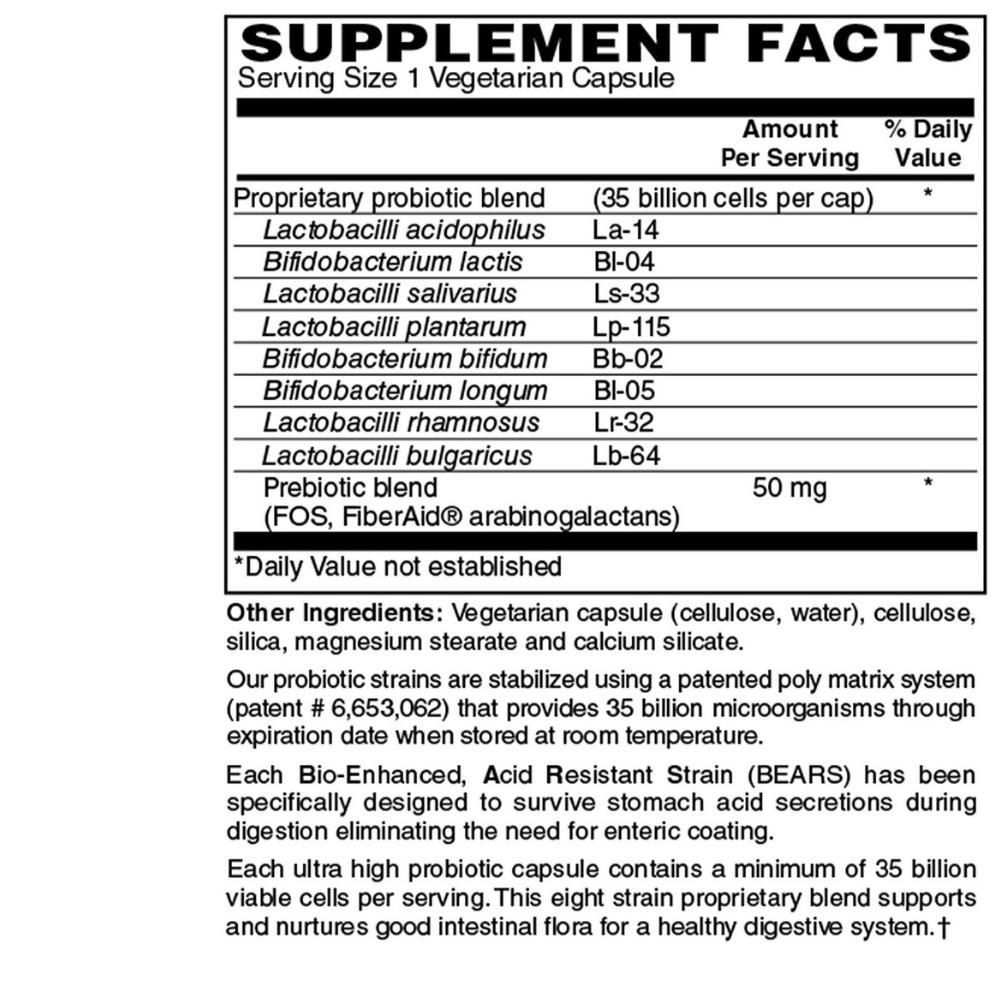
35 mil millones de probióticos
2 reviews
$65.52
$93.60
Probiótico de ultra alta potencia para un apoyo extraintestinalLas bacterias beneficiosas son fundamentales para un sistema digestivo e inmunológico saludable. Esta mezcla probiótica de alta potencia se recomienda cuando se necesita apoyo avanzado debido al uso de antibióticos, viajes o problemas digestivos. Pathway 35 Billion Probiotic presenta 8 cepas de bacterias beneficiosas que están estabilizadas para que no sea necesaria la refrigeración. Además, las bacterias están diseñadas para sobrevivir a los ácidos estomacales para que puedan funcionar eficazmente en su intestino.Uso sugerido: 1 cápsula durante las comidas
The "Goldilocks Zone"
The study found that the ideal bowel movement frequency—the "Goldilocks zone"—is around one to two poops per day. In this range, fiber-fermenting gut bacteria, known as "strict anaerobes" and associated with good health, thrive. However, Gibbons emphasized the need for further research to more precisely define this optimal range.
Lifestyle Factors for Optimal Bowel Health
Researchers identified key habits associated with the optimal bowel movement frequency. The most significant factor was a diet rich in fruits and vegetables. Additionally, drinking plenty of water, engaging in regular physical activity, and maintaining a plant-dominant diet were crucial for achieving the "Goldilocks zone."
Prebiotic and probiotic foods are useful in balancing the gut bacteria. Prebiotics fuel healthy bacteria in the gut microbiome. But if you don't already have enough healthy bacteria, probiotic foods (such as fermented foods) and supplements can supply more beneficial bacteria for the gut.
Striking the right balance in bowel movement frequency is vital for maintaining overall health. By incorporating more fruits and vegetables, staying hydrated, and engaging in regular physical activity, we can support our gut microbiome and overall well-being.
Categories
Categories
Humanized Health - NEW!
Learn about personalized health from top experts! Check out our fascinating new shows every week, available as videos, podcasts and transcripts.:
Our Bloggers
-
 Paula Gallagher
Paula is a highly qualified and experienced nutrition counselor on the staff at Village Green.
read more.. -
 Margo Gladding
Margo's impressive knowledge base is the result of a unique blend of educational and professional experience.
read more.. -
 Dr. Neal Barnard
Dr. Barnard leads programs advocating for preventive medicine, good nutrition, and higher ethical standards in research.
read more.. -
 Dr. Joseph Pizzorno
Dr. Joseph Pizzorno, ND is a pioneer of integrative medicine and a leading authority on science-based natural medicine.
read more.. -
 Debi Silber
Debi is a registered dietitian with a master’s degree in nutrition, a personal trainer, and whole health coach.
read more..
SEE ALL OF OUR BLOGGERS
Invalid password
Enter


Learning Resources
Consultas
Farmacia/Preparación de medicamentos
Salud Humanizada
Blog de Village Green
General Information
Contáctenos
Sobre nosotros
Política de privacidad
Oportunidades de Empleo
Programa de afiliados
Stay Connected
Village Green Apothecary
5415 W Cedar Ln
Bethesda, Maryland, 20814
(301) 530-0800
Toll Free: (800) 869-9159
The information provided on this site is not intended to be a substitute for advice or treatment from a qualified physician, nor is it intended to diagnose or treat a health problem or disease. Consult your physician prior to starting any new health program or if you any questions regarding a medical condition.
© 2025 Village Green Apothecary - All Rights Reserved.
