 FREE SHIPPING! Automatically Applied on Orders Over $74!




Menopause dry mouth is caused by low estrogen levels, and your saliva production decreases along with that. In addition to chronic dryness, this could mean changes in texture and sensitivity of your gums and tongue. But here's something that often comes as a surprise: you may have never been told about menopause-related oral symptoms in any kind of menopause education class or literature, so most women don't even know that menopause has anything to do with their mouth, gums, or throat. However, it's not really a dental problem, it's just a symptom of hormonal change, and once you understand that, you'll be better equipped to find the relief you need.
What Menopause Dry Mouth Actually Feels Like
This is more than a simple glass-of-water kind of thirst. It's dry, sticky, cottony, and doesn't fully resolve with fluids. Women often describe some combination of the following showing up during perimenopause or menopause:
A dry, sticky, or cottony feeling in the mouth
A burning sensation on the tongue or lips
Gums that look inflamed or bleed when brushing
Difficulty swallowing dry foods or talking for long stretches
A changed sense of taste, sometimes metallic or muted
How Falling Estrogen Dries the Mouth

Hormones like estrogen support healthy tissue in the mouth, as well as the glands responsible for producing saliva. When hormone levels decline, saliva production tends to decline with them. That reduction lessens the mouth's natural cleansing ability, which may help explain the gum inflammation and bleeding that often accompanies these hormonal shifts.
According to a review article published in 2025 in the journal Women, hormonal fluctuations were found to affect oral health, linking hormonal change to periodontal inflammation specifically. Burning mouth syndrome has been shown to occur most often in postmenopausal women and is thought to be linked to decreased saliva production.
This is where whole-body support becomes relevant. Since dryness can tie back to broader hormonal and adrenal shifts, some women look at foundational support like Adrenal Support as part of a broader routine, along with B vitamins that may help support tissue and nerve health, such as B-Complex 50.
When Dryness Reaches the Throat
This dryness usually doesn't stay confined to the mouth. The same underlying factors can also produce a burning, stinging, or tight sensation in the throat. Persistent burning has been studied as a condition in its own right, burning mouth syndrome is a recognized diagnosis, and research has found it to be most prevalent among postmenopausal women.
For gum irritation specifically, a soothing rinse like Gum Tonic may help support comfort as part of a daily oral care routine.
Why Nights Feel the Driest

Can menopause cause dry mouth at night?
Saliva production naturally decreases during sleep, and menopause tends to make nighttime dryness more pronounced than at other times of day. This becomes especially noticeable with mouth breathing caused by nasal congestion, which compounds the dryness further.
A few simple habits may help support overnight comfort:
Keep water by your bed and sip some if you do wake up
Run a humidifier in the bedroom
Address nasal congestion so breathing happens through the nose rather than the mouth
Avoid alcohol and caffeine close to bedtime
Use a saline rinse or spray if you regularly have nasal congestion at night.
When Eyes, Lips, and Nose Dry Out Too
Menopausal dry mouth rarely shows up in isolation. Dry eyes, chapped lips, and a dry nose often accompany it, since similar hormone-sensitive tissue exists throughout the body, in the tear ducts, lips, and nasal passages alike.
Chronic, body-wide dryness is worth discussing directly with a healthcare provider, since it can occasionally signal an underlying issue that deserves investigation. This is another reason oral health belongs in a whole-body approach to menopause care, a comprehensive lab review is a useful tool for a doctor to examine the fuller picture of a woman's menopausal experience.
When to See a Dentist or Doctor
Mild dryness often responds well to home care. More complex or persistent patterns warrant a dental or medical evaluation. Consult a dentist or doctor if any of the following apply:
The dryness that lasts for days
Gums that bleed or stay inflamed
Pain or persistent burning
Noticeable changes in the teeth or gums
How Hormones Dry Out the Mouth
Estrogen helps maintain the health of the mucosal lining inside the mouth. When estrogen levels decline during perimenopause, both that tissue and the salivary glands can be affected, the core mechanism behind menopause-related dry mouth. The same hormonal decline can also contribute to sore or swollen gums.
Choosing a Sugar-Free Dry Mouth Spray
The first step to try during the day is usually a dry mouth spray without any added sugar. Once your saliva production falls, the mouth has an excess of bacteria compared to what it’s used to, so adding sugar to a spray meant to hydrate the mouth only feeds these bacteria even more. A 2006 study showed that a mouth spray did provide real symptomatic relief to people with dry mouth, making this another worthwhile option to consider.
There's also the issue of pH: some of these products are so acidic that they can promote dental erosion in the long run, so you can help yourself by choosing a moisturizing spray with a more neutral pH level.
Key Takeaways
Menopause decreases estrogen levels, which may lead to less saliva being produced and cause dry mouth.
Perimenopause and menopause may also be linked to burning sensations, gum inflammation, and bleeding gums.
Saliva production decreases even more during sleep, which may explain why nights tend to be driest.
Also, sharing your perimenopause/menopause status with your dentist might help you explain certain symptoms to them.
Talk to your doctor if you have persistent painful dryness, or if dryness is bleeding or burning.
Frequently Asked Questions
What does menopause dry mouth actually feel like?
For some, dry mouth isn’t quite the sensation of thirst; it’s more like stickiness or a cottony feeling. Drinking water may provide short-term relief. A burning sensation on the tongue or lips is also common, as well as sore or bleeding gums, difficulty swallowing dry food, and a change in taste (it may be bitter or just dulled). Talk to your dentist if you experience any of these symptoms.
Why does menopause dry mouth feel worse at night?
Saliva production naturally slows during sleep, and menopause tends to make that dryness more pronounced. Nighttime discomfort is especially noticeable for anyone who breathes through their mouth due to nasal congestion. Keeping water nearby, running a humidifier, and clearing nasal congestion before bed may help support overnight comfort.
Does menopause affect eyes, lips, and nose the same way it affects the mouth?
Usually, yes. Similar hormone-sensitive tissue exists in the tear ducts, lips, and nasal passages, which is why dry eyes, chapped lips, and a dry nose often accompany dry mouth during menopause. If dryness is constant or affects multiple areas at once, it's worth mentioning to a doctor so other causes can be excluded.
Can menopause cause dry mouth and throat symptoms together?
Yes, the same tissue and saliva changes responsible for dry mouth can also make the throat feel scratchy or tight. Adequate hydration, use of a room humidifier, or treatment of nasal congestion may be helpful. Throat symptoms that persist are worth having evaluated by a doctor.
What should I look for in a dry mouth spray?
A good place to start is with a sugar-free formula, because sugar can actually help fuel the bacteria that tend to overgrow when saliva decreases. A near-neutral pH is also important because some of the products can be quite acidic and contribute to tooth erosion over time with frequent use. Studies have found that moisturizing sprays are effective for symptom relief when selected properly.
venta
PATHWAY
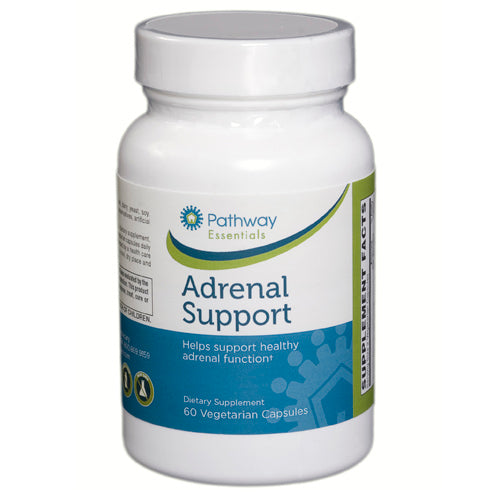
Soporte Suprarrenal
No reviews
$28.69
$40.99
Apoya Niveles Saludables de Estrés
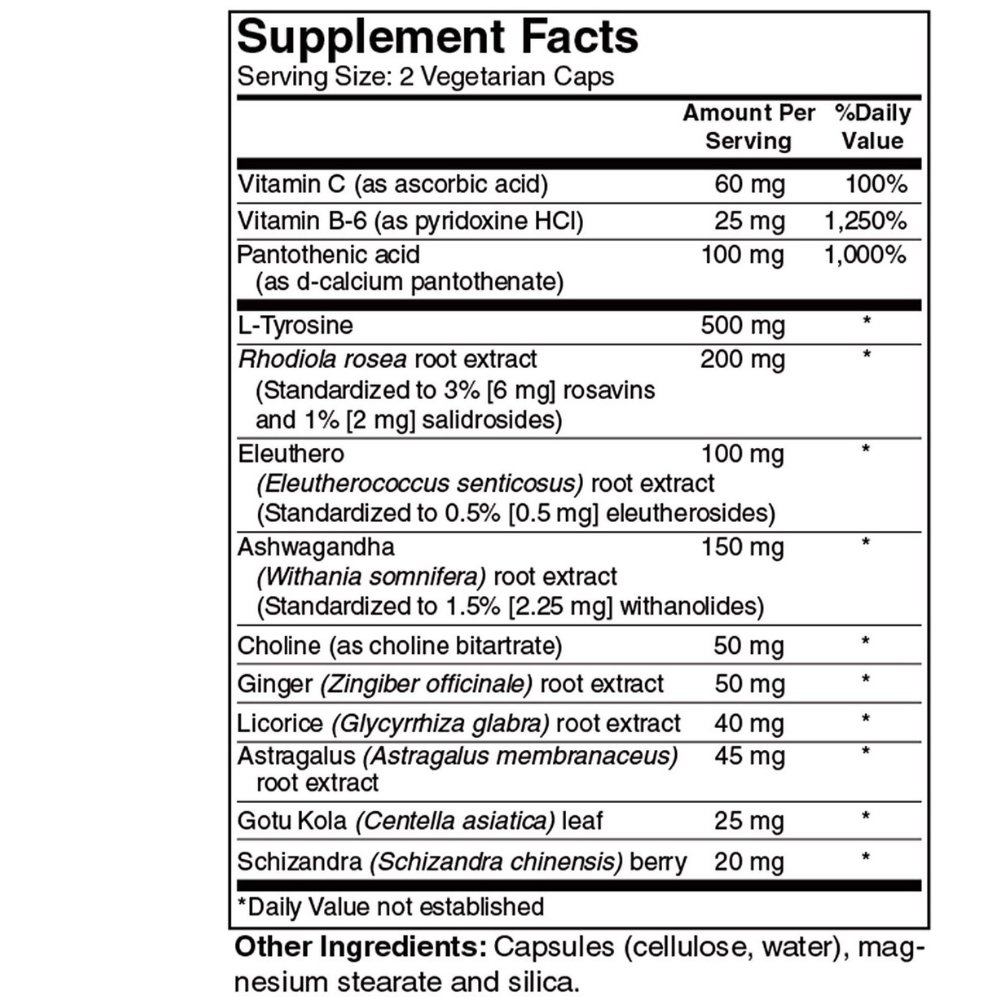
El estrés puede debilitar su salud al exigir un trabajo excesivo de los sistemas endocrino, nervioso e inmunitario. Tomar nutrientes que ayuden al cuerpo a adaptarse a los desafíos estresantes puede ayudar a restaurar la energía y la vitalidad. Pathway Adrenal Support contiene hierbas clave junto con vitaminas y aminoácidos seleccionados para apoyar la respuesta del cuerpo al estrés.
Uso sugerido: 1 cápsula 2 veces al día
venta
PATHWAY
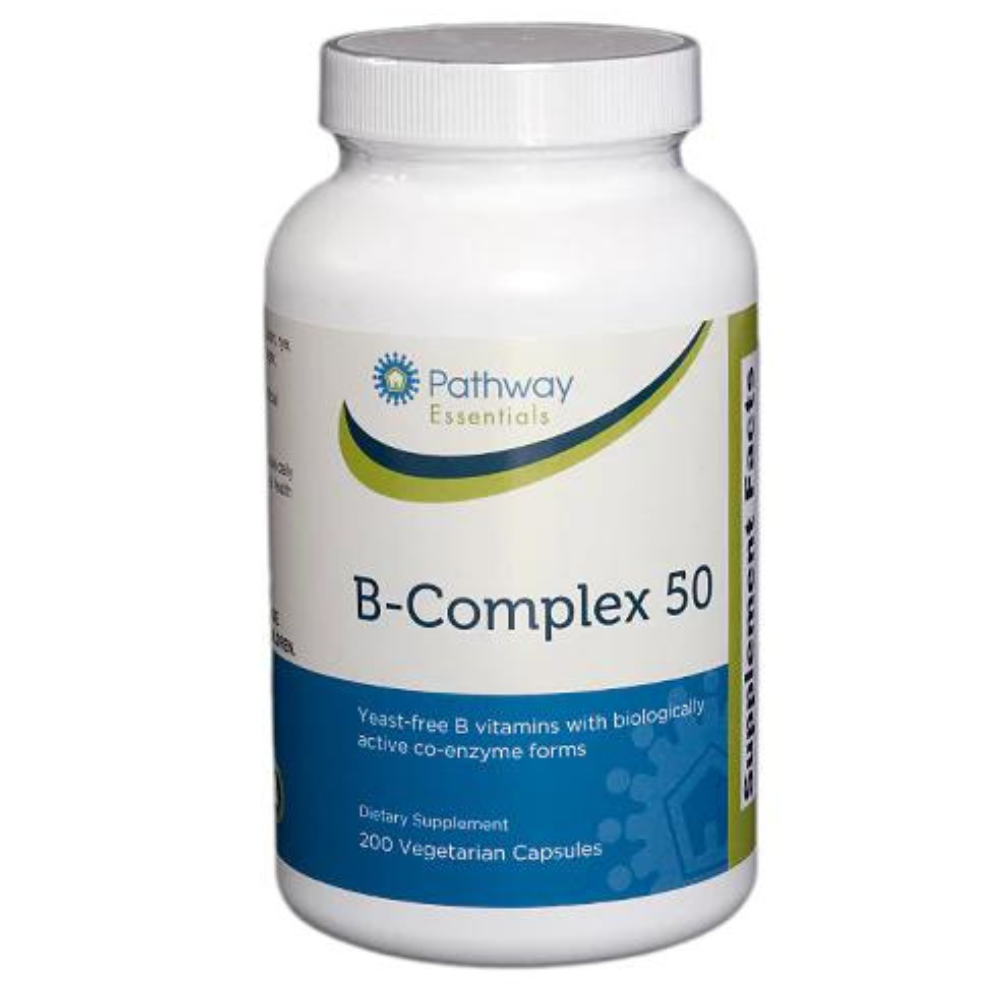
Complejo B 50
No reviews
$38.49
$54.99
Apoyo equilibrado, incluyendo formas de coenzimas
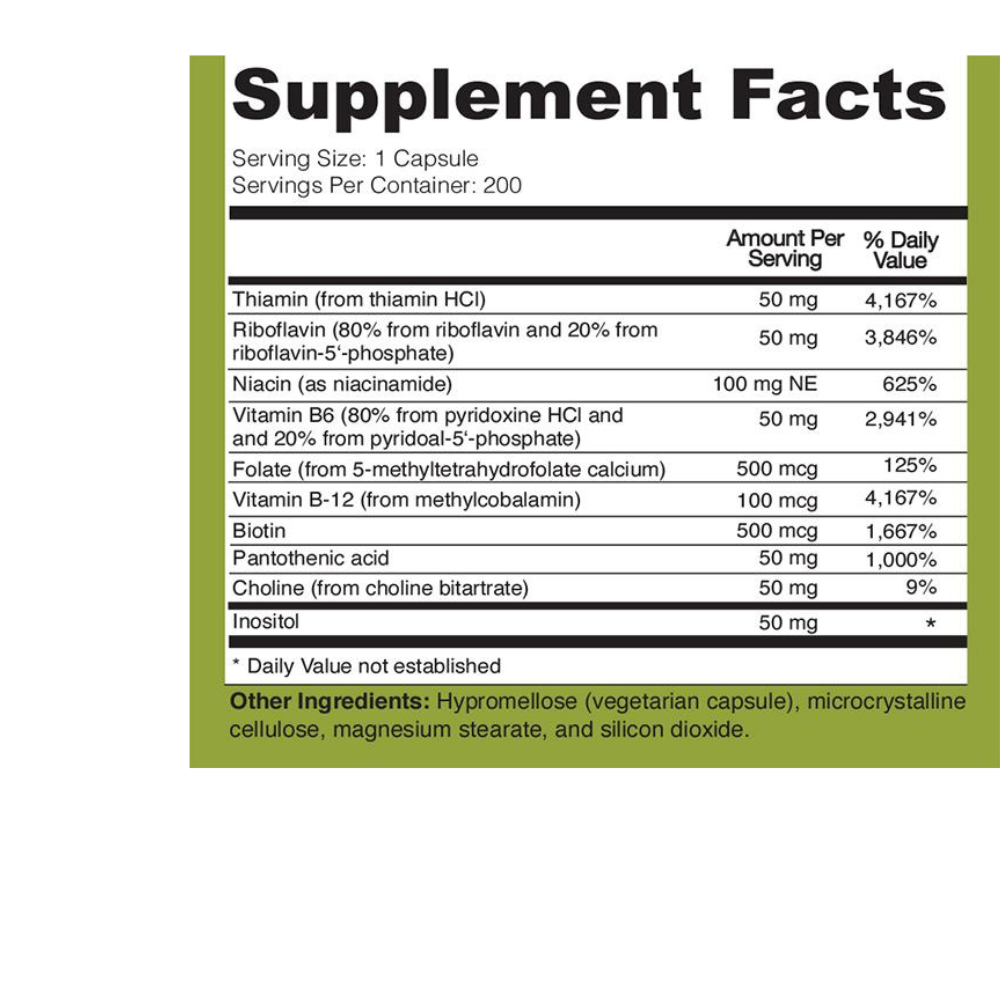
Las vitaminas B están involucradas en un grupo grande e importante de funciones metabólicas en el cuerpo humano. Deben ser repuestas diariamente porque son solubles en agua y, por lo tanto, no acumulan una reserva en el cuerpo. La forma más fácil y mejor de obtener lo que su cuerpo necesita es tomar un suplemento de complejo B como Pathway B-Complex 50. La fórmula de Pathway contiene el complemento completo de vitaminas del complejo B, así como formas de coenzimas. Las vitaminas B trabajan en equipo y siempre deben tomarse juntas en proporciones específicas como las que se encuentran en esta fórmula.
Uso sugerido: 1 cápsula al día con una comida
References
- Understanding the Link Between Hormonal Changes and Gingival Health in Women: A Review (PubMed)
- Burning Mouth Syndrome (PubMed)
- Burning Mouth Syndrome (PubMed, 2013)
- Menopause Transition: Physiology and Symptoms (PubMed)
- Onset of the Menopause Transition: The Earliest Signs and Symptoms (PubMed)
- Effect of Deferoxamine and Ferrostatin-1 on Salivary Gland Dysfunction in Ovariectomized Rats (PubMed)
- Cognition and Mental Health in Menopause: A Review (PubMed)
- The Demography of Menopause (PubMed)
- MedlinePlus: Dry Mouth
Categories
Categories
Humanized Health - NEW!
Learn about personalized health from top experts! Check out our fascinating new shows every week, available as videos, podcasts and transcripts.:
Our Bloggers
-
 Paula Gallagher
Paula is a highly qualified and experienced nutrition counselor on the staff at Village Green.
read more.. -
 Margo Gladding
Margo's impressive knowledge base is the result of a unique blend of educational and professional experience.
read more.. -
 Dr. Neal Barnard
Dr. Barnard leads programs advocating for preventive medicine, good nutrition, and higher ethical standards in research.
read more.. -
 Dr. Joseph Pizzorno
, ND is a pioneer of integrative medicine and a leading authority on science-based natural medicine.
read more.. -
 Debi Silber
Debi is a registered dietitian with a master’s degree in nutrition, a personal trainer, and whole health coach.
read more..
SEE ALL OF OUR BLOGGERS
Invalid password
Enter


Learning Resources
Consultas
Farmacia/Preparación de medicamentos
Salud Humanizada
Blog de Village Green
General Information
Contáctenos
Sobre nosotros
Política de privacidad
Oportunidades de Empleo
Programa de afiliados
Stay Connected
Village Green Apothecary
5415 W Cedar Ln
Bethesda, Maryland, 20814
(301) 530-0800
Toll Free: (800) 869-9159
The information provided on this site is not intended to be a substitute for advice or treatment from a qualified physician, nor is it intended to diagnose or treat a health problem or disease. Consult your physician prior to starting any new health program or if you any questions regarding a medical condition.
© 2025 Village Green Apothecary - All Rights Reserved.
