 FREE SHIPPING! Automatically Applied on Orders Over $74!



Iron deficiency is one of the most common nutrient deficiencies worldwide, which is why gentle iron supplements for women get so much attention, affecting women of childbearing age, pregnant individuals, vegetarians, endurance athletes, and anyone with reduced iron absorption or chronic blood loss. Yet one of the biggest barriers to treating iron deficiency isn't finding an iron supplement; it's tolerating one.
Constipation, bloating, nausea, and abdominal distress are among the top reasons patients discontinue their iron pills before their iron stores are replenished.
So here’s some good news: Not every type of iron causes digestive distress.
Knowing the differences between various types of iron supplements may help you pick one that works better for you and is less likely to upset your stomach.
Why Do Some Iron Supplements Cause Constipation?
The primary site for iron absorption is the small intestine. Excess unabsorbed iron passes through the colon, which can cause digestive irritation as well as shift the microbial environment.

This may contribute to symptoms such as:
-
Constipation
-
Bloating
-
Nausea
-
Abdominal discomfort
-
Dark stools
These side effects may or may not happen. It all depends on what kind of iron you take, the amount, and how well you absorb it.
Certain iron supplements may result in greater quantities of unabsorbed iron in the gut, which increases the risk of GI side effects.
Comparing Common Forms of Iron

Iron Bisglycinate
One of the most gentle iron supplements that is also the most well-tolerated, is iron bisglycinate (also known as ferrous bisglycinate chelate). It’s what people generally mean when they talk about iron bisglycinate gentle iron supplements.
The iron is held by two molecules of the amino acid glycine in this form. It's thought that this structure will help protect the iron on its way through the gut and facilitate better uptake with less exposure to the lining of the gut.
According to research, iron bisglycinate can:
-
Be absorbed efficiently
-
Causes less constipation than ferrous sulfate
-
Be associated with less nausea and GI disturbance
-
Be easier to put up with with long-term use
Because it’s easy on digestion, iron bisglycinate is sometimes a good choice for those who have previously had GI problems after using iron.
How much iron do you need? Research on iron bisglycinate in menstruating or pregnant women has generally used elemental iron at about 25 to 30 mg, with good uptake and tolerance. A randomized controlled trial of ferrous bisglycinate plus folinic acid in pregnant women successfully resolved their iron deficiency. This is often less than the amount of elemental iron in a regular dose of ferrous sulfate, but more than enough to shift your blood counts.
Ferrous Sulfate
Ferrous sulfate has traditionally been the most widely prescribed and OTC iron formulation.
It’s cheap and works well at fixing iron deficiency, but it is also the type most often associated with digestive issues.
Many people experience:
-
Constipation
-
Nausea
-
Stomach pain
-
Metallic taste
For some people, this is a minor nuisance. For others, it makes daily supplementation challenging.
Heme Iron
Heme iron comes from animals and is well absorbed.
As it’s absorbed through a different pathway than the more common plant-based iron, it may trigger less gastrointestinal distress for some.
However, heme iron supplements are not appropriate for vegans or vegetarians and may be costlier than alternatives.
Other Iron Forms
Other forms of iron (e.g., ferrous fumarate, ferrous gluconate, carbonyl iron, polysaccharide iron complex) may also be used as appropriate.
Both forms have their benefits and drawbacks, and no one size fits all. The best type of supplement for you depends on your digestive system, iron levels, any relevant medical conditions, and how well you tolerate each type.
How to Improve Iron Absorption Naturally
Choosing the right form is only half the battle. A few simple strategies can help boost absorption while reducing digestive side effects.
Pair Iron With Vitamin C
Vitamin C turns iron into a form more easily absorbed by the body.
Good choices include:

-
Citrus fruits
-
Strawberries
-
Kiwi
-
Bell peppers
That’s why most iron pills also contain vitamin C.
Avoid Certain Foods Around Your Iron Dose
The following food and drink may also decrease iron absorption if they are consumed at the same time as iron supplements.
These include:
-
Tea
-
Coffee
-
Calcium supplements
-
Dairy products
-
High-fiber bran cereals
Ideally, take iron 1 to 2 hours before or after you eat these items.
Consider Smaller or Alternate-Day Doses
Studies are now showing that taking iron supplements every other day may enhance absorption and decrease gastrointestinal side effects in some patients because levels of a hormone called hepcidin have time to recover between dosages.
The healthcare professional managing your care will advise you on the best dosage schedule for you.
And there’s actual science backing up this idea. Young women who are iron-deficient showed increased absorption when taking iron every other day rather than the same amount on two back-to-back days. A single daily dose taken in the morning on alternate days allowed the hepcidin hormone to return to normal levels between doses. So more often isn’t always better.
When Low Iron Symptoms Shouldn't Be Ignored
Tiredness isn’t always caused by stress or lack of sleep.
Low iron can also cause:
-
Persistent tiredness
-
Shortness of breath
-
Poor exercise tolerance
-
Frequent headaches
-
Pale skin
-
Cold hands and feet
-
Restless legs
-
Brittle nails
-
Hair thinning
Because there are many potential causes for these signs and symptoms, you shouldn't try to self-diagnose.
Blood tests such as ferritin, hemoglobin, and other iron studies can help identify if there is a deficiency and if iron supplements would be beneficial.
Who Should Be Careful With Iron Supplements?
Do not take iron supplements unless they are truly needed.
Excessive iron intake can be toxic and may build up in the body. This is especially true for individuals with hereditary hemochromatosis or some liver diseases.
Please talk with your doctor prior to taking iron if you:
-
Ferritin or iron levels are high
-
Have hereditary hemochromatosis
-
Have chronic liver disease
-
Are receiving regular blood transfusions
-
Don’t know if your symptoms are due to iron deficiency
The source of the low iron must be found just as urgently as the low iron must be corrected.
The Bottom Line
Many people have trouble staying on track with iron supplements because of constipation or stomach problems.
However, there are other forms of iron that are more easily tolerated by the body, like iron bisglycinate. Not everyone has the same reaction to iron, but these forms may be less harsh and offer iron supplementation for some.
There isn’t one “best” iron supplement; there’s only the best iron supplement for your blood work, digestive tolerance, diet, and other health conditions.
At Village Green Apothecary, we can help you understand your iron status, review your current supplements, and recommend evidence-based options that support healthy iron levels while minimizing digestive side effects.
Frequently Asked Questions
What are gentle iron supplements
“Gentle” iron usually means iron bisglycinate, which is a chelated iron in which the iron is bound to two molecules of the amino acid glycine. This structure protects the iron as it passes through your GI tract, leading to less constipation and gastric distress compared to some other forms, such as ferrous sulfate. This is the form our customers usually ask about if they had to discontinue their iron due to GI issues. It will still work to replenish iron stores while being easier on a sensitive stomach.
venta
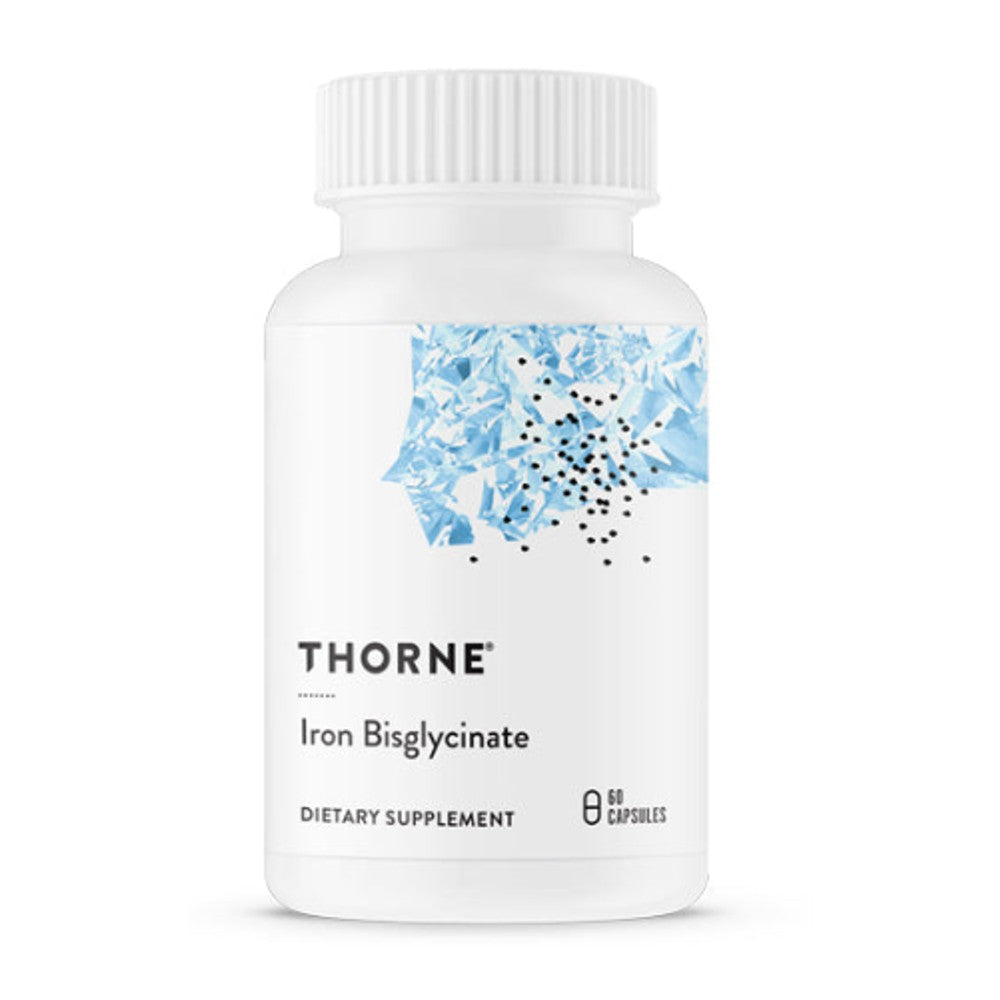
THORNE RESEARCH
Bisglicinato de hierro
No reviews
$16.00
$16.00
Hierro en una forma de absorción mejorada sin efectos secundarios gastrointestinales
El bisglicinato de hierro proporciona una forma óptima de complementar el hierro, que es esencial para la formación de glóbulos rojos. Ayuda a combatir la fatiga y otros síntomas de deficiencia de hierro en atletas y otras personas. Certificado para el deporte por la NSF
El bisglicinato de hierro de Thorne cuenta con la certificación NSF Certified for Sport. Es esencial para la formación de glóbulos rojos. Los Centros para el Control de Enfermedades de EE. UU. han determinado que la prevalencia de deficiencia de hierro es mayor entre los niños pequeños (7 % de los de 1 a 2 años) y las mujeres adolescentes y adultas que menstrúan (9 a 16 % de las personas de 12 a 49 años, sean atletas o no). La suplementación convencional con hierro, incluidas formas como el sulfato ferroso, puede causar efectos secundarios gastrointestinales, como náuseas, vómitos, estreñimiento, diarrea y heces de color oscuro, porque estas formas convencionales de hierro se absorben mal. El bisglicinato de hierro de Thorne proporciona 25 mg de hierro elemental por cápsula que ha reaccionado con glicina para una absorción óptima en el tracto gastrointestinal, lo que ayuda a disminuir los efectos secundarios gastrointestinales típicos.
Una deficiencia de hierro puede manifestarse como debilidad, fatiga, dificultad para respirar al hacer ejercicio, mareos, tinnitus, manchas ante los ojos, somnolencia, irritabilidad, menstruación infrecuente y pérdida de la libido. Los atletas necesitan aproximadamente 1.5 veces más hierro que los no atletas. Aquellos que siguen dietas vegetarianas o con bajo contenido de proteínas pueden necesitar hasta 1.8 veces más hierro dietético. La pérdida de sangre por lesiones y daño muscular, así como el sangrado gastrointestinal asociado con actividades de resistencia extremas, pueden disminuir aún más las reservas de hierro del cuerpo.
Un bajo nivel de hierro puede provocar una reducción en la absorción normal de oxígeno por parte del cuerpo hacia las células. Una reducción de oxígeno a las células puede provocar una reducción de la capacidad de trabajo y del rendimiento aeróbico. Los niveles bajos crónicos de hierro no tratados pueden provocar anemia por deficiencia de hierro.
Debido a que un atleta necesita saber que sus suplementos son confiables y cumplen con las normas, cada lote de un producto certificado por NSF Certified for Sport® se somete a pruebas para verificar el cumplimiento de las declaraciones de la etiqueta y para asegurar la ausencia de más de 200 sustancias prohibidas por muchas organizaciones atléticas importantes, incluidos estimulantes, narcóticos, esteroides, diuréticos, agonistas beta-2 y agentes enmascarantes.
Tome 1 cápsula al día o según lo recomiende su profesional de la salud.
venta
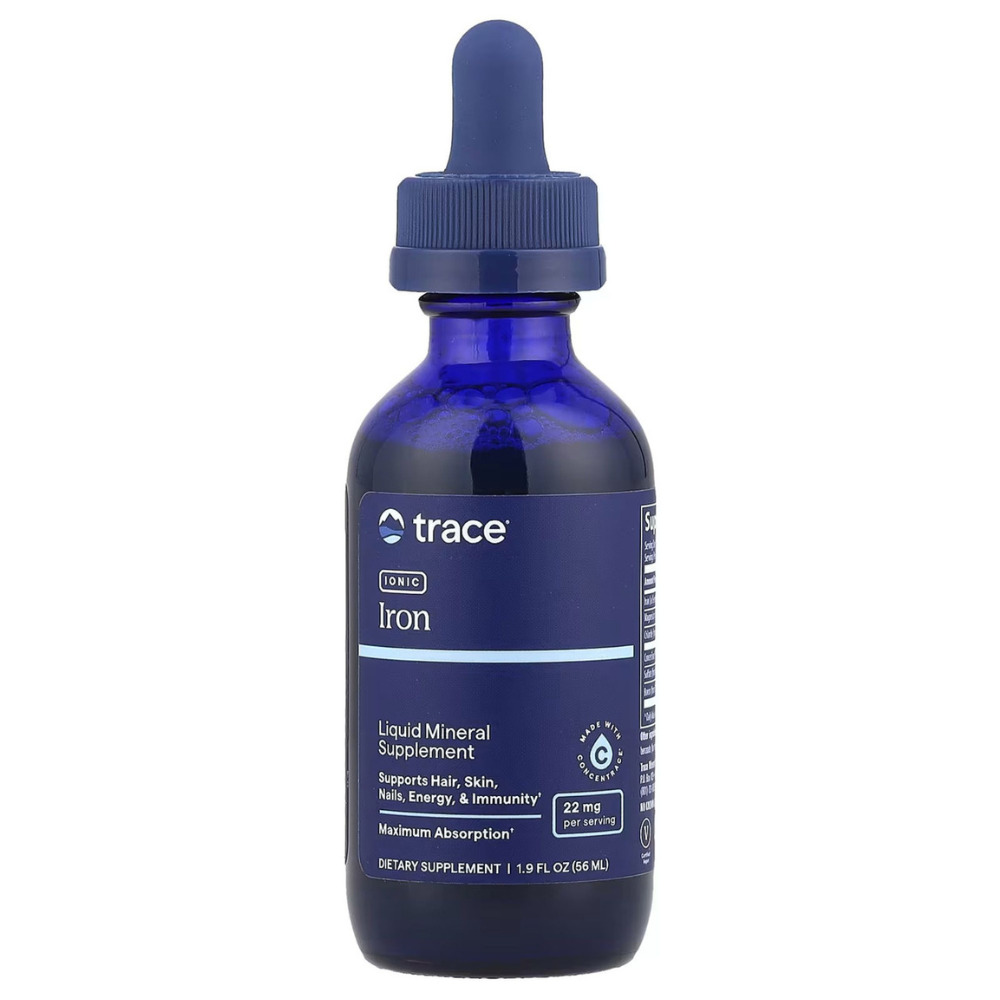
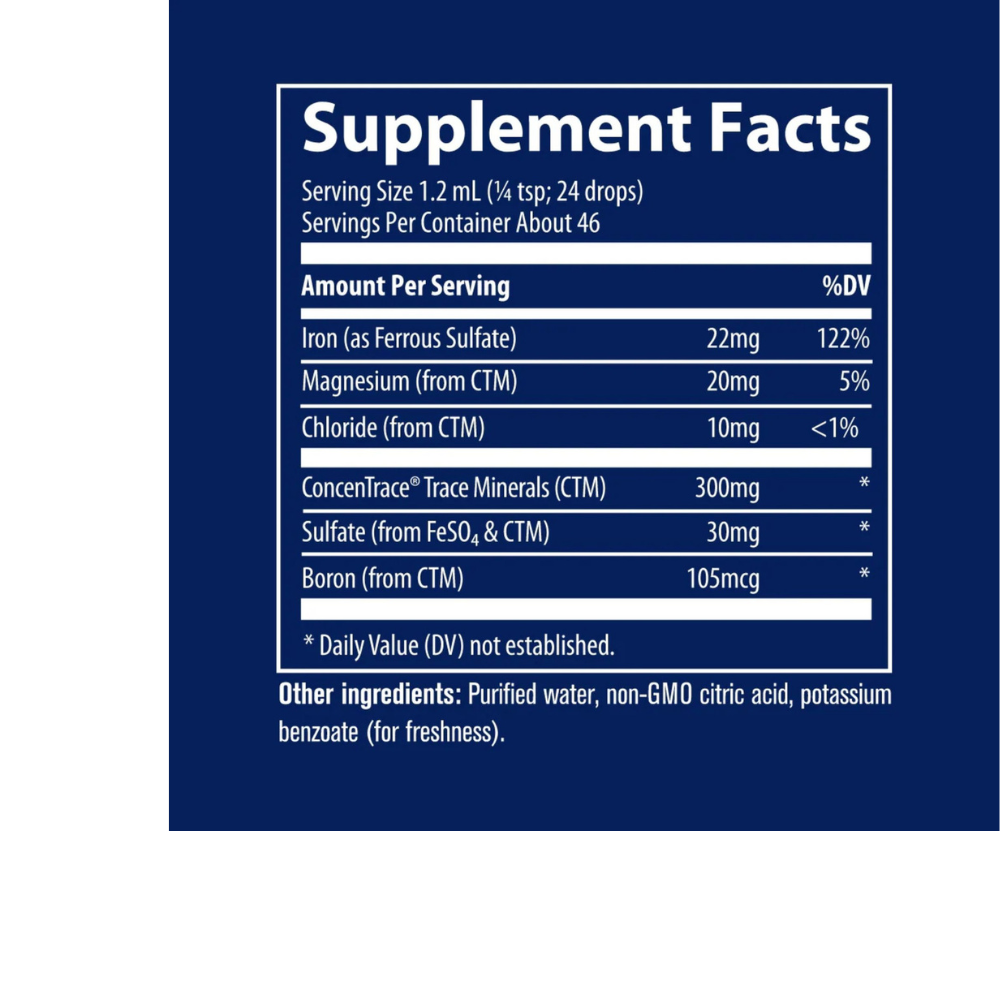
TRACE MINERALS
Hierro iónico
No reviews
$16.14
$16.99
Hierro Iónico es un suplemento dietético líquido rico y concentrado que proporciona hierro en una forma iónica y biodisponible. El hierro juega un papel importante en la función enzimática y cognitiva adecuada, la producción de energía y el mantenimiento óptimo del sistema inmunitario.
Beneficios para la salud:
Apoya la función cognitiva
Promueve niveles de energía saludables
Apoya el sistema inmunitario
Características clave:
Se obtiene de sulfato ferroso, considerado la mejor opción para los suplementos de hierro
La forma más fácilmente reconocida y absorbida por el cuerpo
Apoyado por un espectro completo de oligoelementos iónicos
Ingredientes:
Hierro: Apoya el crecimiento y el desarrollo, promueve niveles de energía saludables e inmunidad, y apoya la función cognitiva.
ConcenTrace Trace Minerals: Ofrece un espectro completo de oligoelementos iónicos para apoyar el equilibrio mineral del cuerpo.
Uso sugerido:
Agitar bien. Tomar 1.2 mL (1/4 de cucharadita) al día con jugo o comida para enmascarar el sabor concentrado de los minerales.
Repartir la porción a lo largo del día y tomar con el estómago lleno.
Comience con media porción si tiene el estómago sensible. No refrigerar.
venta
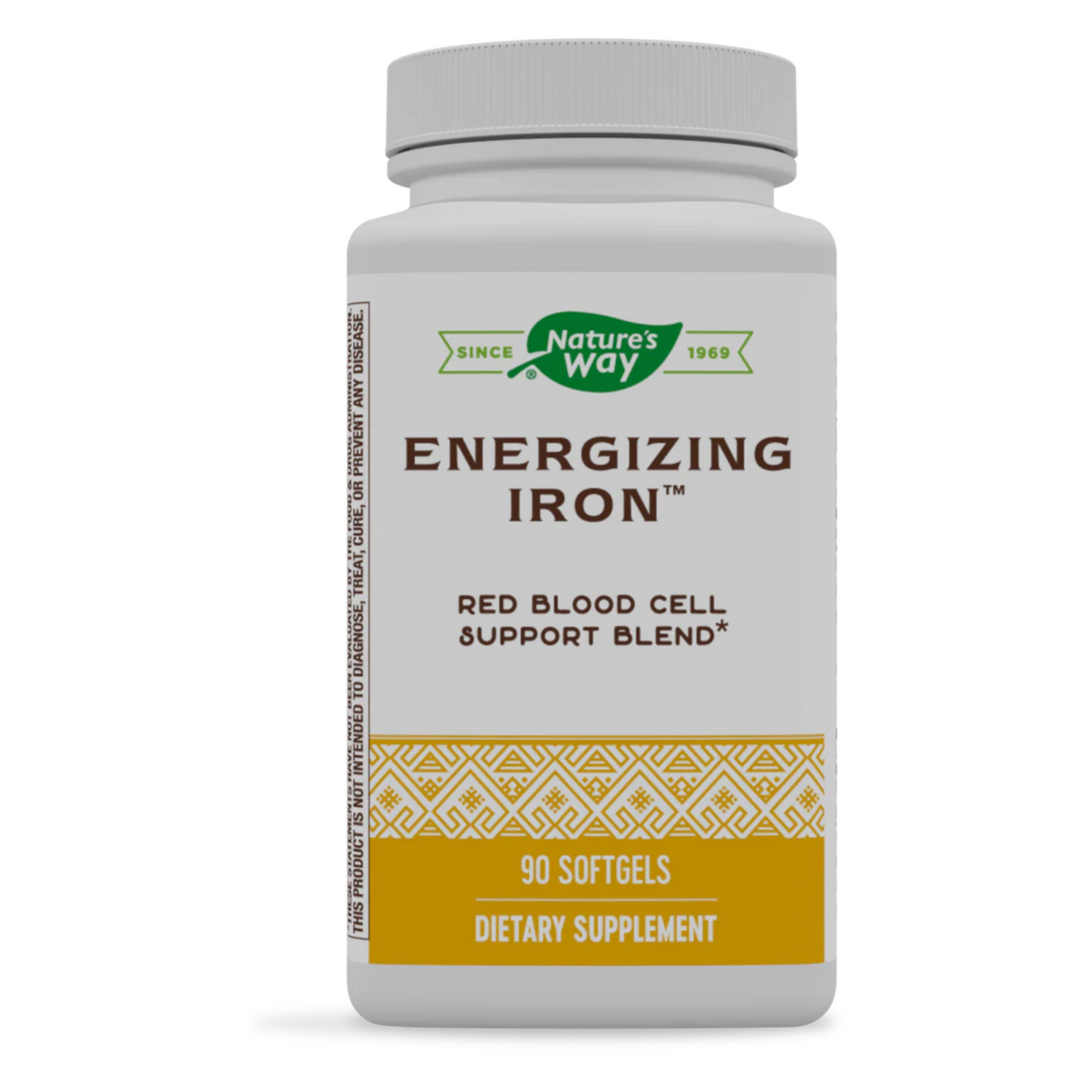
NATURE'S WAY
Hierro energizante
No reviews
$25.99
$25.99
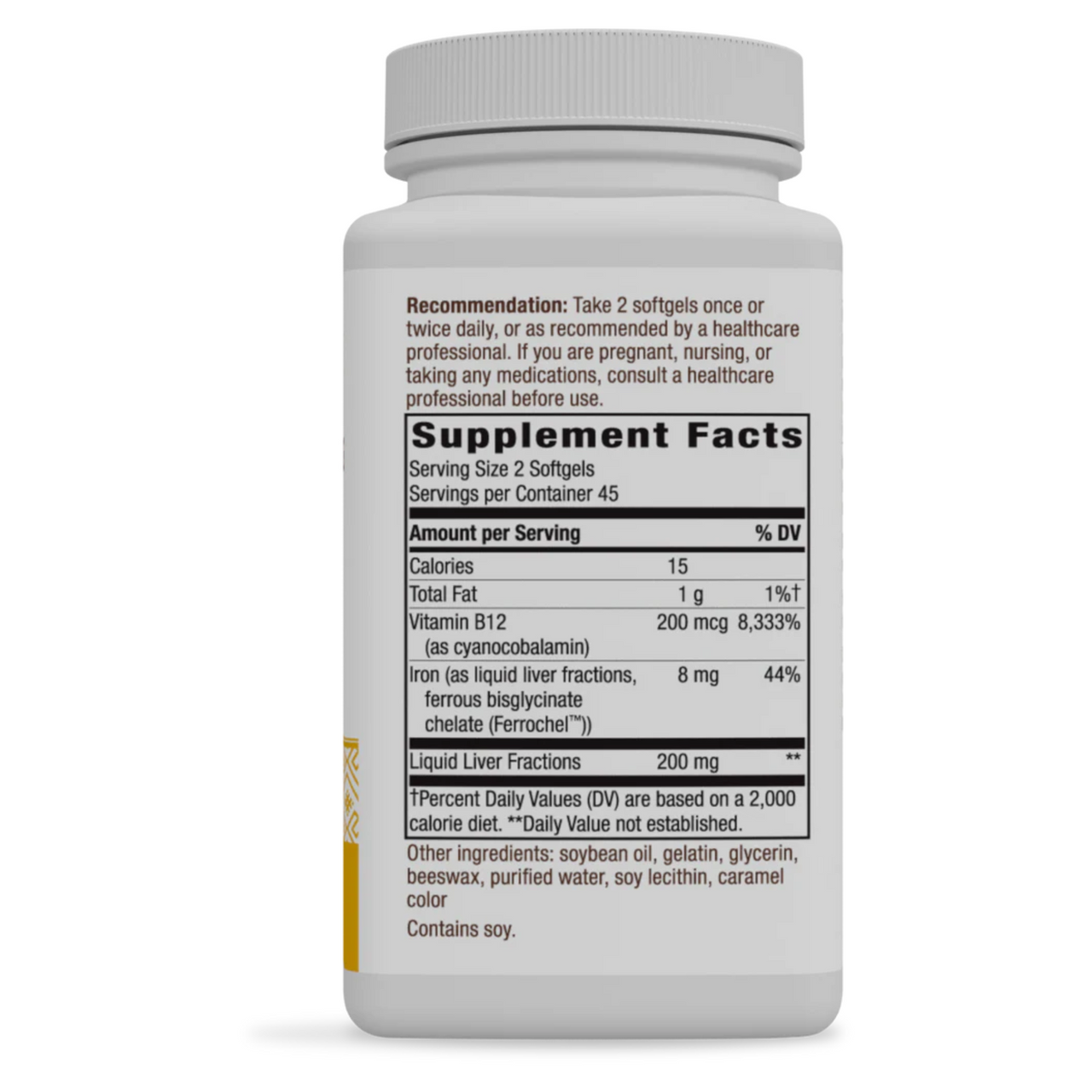
¿Por qué usar un suplemento de hierro? El hierro es un mineral esencial que transporta el oxígeno por todo el cuerpo. Sin él, su cuerpo no puede obtener suficiente oxígeno y la falta de oxígeno causa una menor energía. El hierro también es necesario para mantener sanas las células, la piel, el cabello y las uñas. ¿Por qué tomar Energizing Iron? Energizing Iron contiene dos formas de hierro, una mezcla de hierro hemo y no hemo, para que obtenga lo mejor de ambas formas: hierro no hemo Ferrochel con fracciones líquidas de hígado, hierro hemo. Reduce las molestias gástricas, las náuseas y el estreñimiento asociados con la suplementación de hierro.
Beneficios:
Fórmula de hierro dual para una energía mejorada, suave para el estómago.
Modo de uso:
Tome 2 cápsulas blandas una o dos veces al día, o según lo recomendado por un profesional de la salud.
Si está embarazada, amamantando o tomando algún medicamento, consulte a un profesional de la salud antes de usar. La sobredosis accidental de productos que contienen hierro es una de las principales causas de envenenamiento fatal en niños menores de 6 años. Mantenga este producto fuera del alcance de los niños. En caso de sobredosis accidental, llame a su médico o a un centro de control de intoxicaciones de inmediato. Mantener fuera del alcance de los niños.
venta


BLUEBONNET
HIERRO QUELADO ALBION DE MÁXIMA POTENCIA 27 mg
No reviews
$14.80
$18.50
Las cápsulas vegetales de hierro quelado extrafuerte de 27 mg de Bluebonnet están formuladas con una forma suave de hierro que no produce estreñimiento, conocida como Ferrochel, un bisglicinato ferroso quelado patentado y totalmente reaccionado de Albion. El hierro es un elemento esencial necesario para la producción saludable de glóbulos rojos, así como para la transferencia de oxígeno por todo el cuerpo.
Libre de: leche, huevo, pescado, mariscos crustáceos, frutos secos, cacahuetes, trigo, soja, sésamo, gluten, cebada y azúcar.
27 mg de hierro de bisglicinato ferroso quelado
Sin OGM, vegano, sin gluten, certificado Kosher, sin soja, sin lácteos
Instrucciones:
Como suplemento dietético, tome una cápsula al día o según las indicaciones de un profesional de la salud.
Guárdelo bien cerrado en un lugar fresco y seco.
ADVERTENCIA:
La sobredosis accidental de productos que contienen hierro es una de las principales causas de intoxicación mortal en niños menores de 6 años. Mantenga este producto fuera del alcance de los niños.
En caso de sobredosis accidental, llame a un médico o al centro de control de envenenamiento de inmediato.
References
- Cancelo-Hidalgo MJ, et al. Tolerability of different oral iron supplements: a systematic review. Current Medical Research and Opinion.
- Efficacy and Safety of Ferrous Bisglycinate and Folinic Acid in the Control of Iron Deficiency in Pregnant Women: A Randomized, Controlled Trial
- Stoffel NU, et al. Iron absorption from supplements is greater with alternate day than consecutive day dosing. The Lancet Haematology.
- Moretti D, et al. Oral iron supplements increase hepcidin and decrease iron absorption. Blood.
- Daily iron supplementation for improving anaemia, iron status and health in menstruating women
- Dietary Heme Iron: A Review of Efficacy, Safety and Tolerability
- National Institutes of Health Office of Dietary Supplements. Iron Fact Sheet for Health Professionals.
- MedlinePlus. Iron deficiency anemia.
- MedlinePlus. Hemochromatosis.
- Oral and Intravenous Iron Therapy
Categories
Categories
Humanized Health - NEW!
Learn about personalized health from top experts! Check out our fascinating new shows every week, available as videos, podcasts and transcripts.:
Our Bloggers
-
 Paula Gallagher
Paula is a highly qualified and experienced nutrition counselor on the staff at Village Green.
read more.. -
 Margo Gladding
Margo's impressive knowledge base is the result of a unique blend of educational and professional experience.
read more.. -
 Dr. Neal Barnard
Dr. Barnard leads programs advocating for preventive medicine, good nutrition, and higher ethical standards in research.
read more.. -
 Dr. Joseph Pizzorno
Dr. Joseph Pizzorno, ND is a pioneer of integrative medicine and a leading authority on science-based natural medicine.
read more.. -
 Debi Silber
Debi is a registered dietitian with a master’s degree in nutrition, a personal trainer, and whole health coach.
read more..
SEE ALL OF OUR BLOGGERS
Invalid password
Enter


Learning Resources
Consultas
Farmacia/Preparación de medicamentos
Salud Humanizada
Blog de Village Green
General Information
Contáctenos
Sobre nosotros
Política de privacidad
Oportunidades de Empleo
Programa de afiliados
Stay Connected
Village Green Apothecary
5415 W Cedar Ln
Bethesda, Maryland, 20814
(301) 530-0800
Toll Free: (800) 869-9159
The information provided on this site is not intended to be a substitute for advice or treatment from a qualified physician, nor is it intended to diagnose or treat a health problem or disease. Consult your physician prior to starting any new health program or if you any questions regarding a medical condition.
© 2025 Village Green Apothecary - All Rights Reserved.
