 FREE SHIPPING! Automatically Applied on Orders Over $74!




Are artificial sweeteners actually neutral for the body just because they're calorie-free? In short, no. There's evidence that at least a few common nonnutritive sweeteners, saccharin, sucralose, and aspartame, influence the composition of bacteria in the gut. These shifts may impair glucose tolerance in some people. While researchers are still working out exactly how this happens, the evidence consistently points in one direction.
This isn’t to say that occasional consumption of sugar substitutes is a terrible idea. It simply means that the former notion of “no calories = no consequence” has been disproven, at least in part, by scientific evidence, which suggests that the gut microbiome plays a role in this.
The Zero-Calorie Promise That Wasn't
The purpose of nonnutritive sweeteners was to sweeten food without adding calories, but these substances were never developed with the microbiome in mind, the trillions of bacteria in the gut that break down our food and control blood sugar levels.
It turns out that multiple common nonnutritive sweeteners, saccharin, sucralose, and aspartame, for example, modify the makeup of our microbiota in ways that could actually lead to poor glucose tolerance and therefore promote the type of diabetes these sweeteners are often intended to circumvent. As the chemical structure of these compounds is not altered during passage through the body, they have no caloric value. However, there is still the possibility that these molecules will react with the microorganisms they encounter in passing.
How Artificial Sweeteners Reach Your Gut
In other words, whether or not sweeteners impact your gut bacteria depends on the extent to which they're absorbed early on in the digestive process and how much of them reaches the lower part of the digestive tract, where there are large populations of diverse and active bacteria.
If the bacteria can access a sweetener, they can alter their community dynamics by favoring some bacteria over others. That’s how a calorie-free substance could impact the microbiome.
Which Artificial Sweeteners Disrupt the Gut Microbiome
Which artificial sweeteners affect gut bacteria?
The most studied sweeteners also happen to be some of the oldest and most widely used. Research shows a fairly consistent pattern across all three, though individual responses vary:
-
Saccharin, studied for changes in microbiota composition and glucose tolerance
-
Sucralose, associated with changes in gut bacteria composition
-
Aspartame, as a test of effects on the microbiome and other metabolic outcomes
The Bacteria Sucralose and Saccharin Alter

It's worth being precise about the mechanism here: these sweeteners don't appear to simply "kill" gut bacteria. What the research shows is a shift in composition, changing the ratio of different bacterial populations rather than eliminating them outright.
The current knowledge about aspartame and sucralose in particular could provide insights about how such a shift in bacteria could influence glucose homeostasis later down the road. It’s not one soda or one packet of artificial sweetener per se; it’s the long-term consumption, the daily intake, that slowly alters our metabolic response. In a 2025 review article assessing the impact of artificial sweeteners on intestinal microflora and gastro-intestinal diseases, authors came to a similar conclusion. This trend is evident in almost all papers published to date. What differs from study to study is the magnitude of the observed effect, which varies depending on the individual.
Sugar Versus Artificial Sweeteners for Gut Health
Is it true that all artificial sweeteners are beneficial for gut health? Not really. However, here are some less controversial ways to cut back on sugar that don't rely on the most studied offenders:

-
Use now and then, not every day
-
Whole-food sweetness, like fruit, which brings fiber along with it
-
Slowly desensitizing one’s taste for sugar by slowly reducing the amount of sweetness needed
-
Reading labels, because sucralose and aspartame can be in some of your favorite diet snacks
Rethinking Your Sweetener Choices
Which specific artificial sweeteners are "bad" for gut health is really a question about overall habits and patterns, not a single villain ingredient. The gut and the brain are genuinely connected, so digestive symptoms tied to diet deserve to be taken seriously rather than dismissed.
B vitamins may help support energy metabolism and a healthy nervous system while adjusting dietary habits, which is part of why many people pair gut-focused changes with a quality Basic B Complex. If microbiome or blood sugar concerns feel unresolved, reviewing actual labs is a useful next step, a lab review consultation with a clinical team is one way to get a fuller picture rather than guessing.
The short version: There’s not enough evidence yet to support the belief that nonnutritive sweeteners pose no risk because they have zero calories, but it probably doesn’t hurt to consume a little of them now and then.
The Sweeteners Easier on Your Gut
It’s one thing to have a sweetener occasionally, but quite another to consume it as a matter of course. While studies on newer sugar alcohols, such as erythritol, tend to be conducted separately from research on the nonnutritive sweeteners covered earlier, the bottom line is that none should be considered a free pass when it comes to your gut health. In general, slowly weaning yourself off sweeteners altogether is probably the safest route.
Artificial Sweeteners and Blood Sugar
Do artificial sweeteners affect blood sugar directly? Because they contain no calories, they don't raise blood glucose the same way sugar does, but that's only part of the story. If these substances alter gut microbes in ways that affect glucose tolerance, blood sugar management ends up being mediated by the gut microbiome, rather than being independent of it.
Sucralose, Saccharin, and the Bacteria They Alter
In 2020, researchers published a randomized, double-blinded crossover study on healthy adults, testing both aspartame and sucralose at doses within the acceptable daily intake. They found significant changes in both gut microbial and metabolic parameters. This is important because this is a real-world dose; this isn’t a petri dish effect.
Key Takeaways
-
Saccharin, sucralose, and aspartame have been studied for their effects on gut microbial composition.
-
These changes may contribute to impaired glucose tolerance and a greater predisposition toward metabolic dysfunction.
-
Zero calories does not mean zero impact on the gut. The artificial sweeteners have real effects on your microbiome.
-
The occasional small dose is probably not harmful, but your daily habit is something you should consider changing.
-
If you have gut symptoms or blood sugar issues that haven’t been resolved by your doctor, a lab review might give you more information.
Frequently Asked Questions
Are artificial sweeteners good for your gut?
Saccharin, sucralose, and aspartame are among the nonnutritive sweeteners that have been most studied for their potential to alter the microbiome. They seem to affect how glucose is metabolized by changing the types of bacteria in the microbiome, but the precise effect depends on the individual. The precise biological pathway isn't fully understood yet, but the overall pattern across studies is fairly consistent.
How exactly do artificial sweeteners affect the gut microbiome?
Some sweeteners reach the large intestine, where they interact with the abundant bacteria found there. They might then function as a cue that alters the ratio of various bacteria in the microbiota. As changes in the microbiota have been linked to blood sugar regulation, this is one of the ways artificial sweeteners may affect blood sugar regulation, even though they do not contain calories.
Do artificial sweeteners actually kill gut bacteria?
Not exactly, "kill" overstates what the research shows. Studies suggest saccharin, sucralose, and aspartame can change which types of bacteria are present and in what proportions, essentially disrupting balance rather than eliminating bacteria outright.
Are artificial sweeteners bad for gut bacteria overall?
The core issue is the outdated assumption that zero calories means zero effect. These compounds aren't entirely inert, they may interact with the gut microbiome in ways that contribute to glucose intolerance, one of the very metabolic issues they were originally intended to help avoid. Small, occasional amounts aren't something to worry over, but there's no strong evidence supporting the idea that they're completely risk-free either.
Can artificial sweeteners cause broader gut problems?
The research points in a fairly consistent direction: saccharin, sucralose, and aspartame have been studied for their impact on the gut microbiome, and these changes may negatively affect glucose tolerance in some people. Infrequent, small amounts likely aren't cause for concern, but daily use is worth reconsidering. Because individual responses vary, a conversation with a healthcare provider can help clarify what makes sense for a specific situation.
Do artificial sweeteners affect things like leaky gut or blood pressure?
Studies done on saccharin, sucralose, and aspartame have been mostly on the changes in microbial flora and glucose tolerance, and less on leaky gut and blood pressure. And since it varies from person to person and studies are limited in these areas, it may be best to ask your health care practitioner if you are concerned about the state of your gut lining or blood pressure.
Note: This article is written for educational purposes only and is not intended as medical advice. Discuss your diet and metabolic health with your doctor, particularly if you have pre-existing issues related to blood sugar or digestion.
venta
THORNE RESEARCH
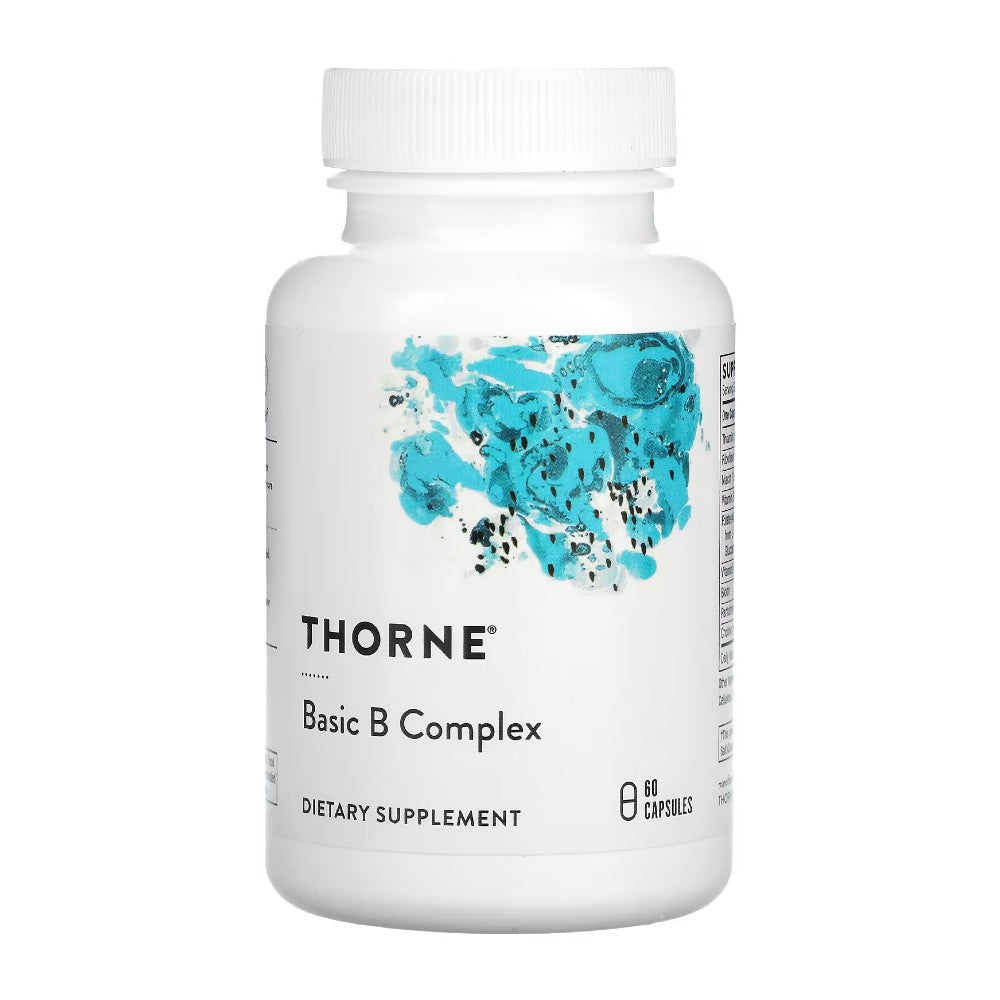
Complejo B Básico
No reviews
$27.00
$27.00
Cubre lo esencial del bienestar con un complejo equilibrado de las ocho vitaminas B8 vitaminas B de fácil absorción, más colina, en una sola cápsula para una forma sencilla de promover la función neurológica y la producción de energía celular.
Detalles del complejo Basic BLa fórmula del complejo Basic B de Thorne contiene las formas activas de las vitaminas B, lo que facilita su absorción por parte del cuerpo.Esta mezcla integral proporciona múltiples beneficios para apoyar tu estilo de vida, como ayudar a convertir los alimentos en combustible y mejorar la energía celular.*Dado que la mayoría de las vitaminas B no permanecen en el cuerpo, deben obtenerse de la dieta y los suplementos para ayudar a mantener una salud óptima.*Beneficios del complejo Basic B de Thorne:
Promueve la producción de energía celular
Apoya un sistema nervioso que funciona de manera óptima y células nerviosas sanas
Las vitaminas B promueven la conversión de carbohidratos en energía y el metabolismo de grasas y proteínas
Promueve la formación saludable de glóbulos rojos
No se deriva de la levadura, a diferencia de muchos suplementos de vitamina B en el mercado
Suplementar con vitaminas B listas para el tejido es importante para todos, especialmente para las personas que no pueden convertir las vitaminas B no activas en sus formas activas.* Los factores que pueden inhibir la capacidad del cuerpo para convertir las vitaminas no activas en sus formas activas incluyen la predisposición genética, la función hepática comprometida, las enzimas que funcionan mal, las alteraciones digestivas y el envejecimiento.
References
- PubMed: Effect of Non-Nutritive Sweeteners on the Gut Microbiota
- PubMed: The Effects of Non-Nutritive Artificial Sweeteners, Aspartame and Sucralose, on the Gut Microbiome in Healthy Adults
- PubMed: A critical review on effects of artificial sweeteners on gut microbiota and gastrointestinal health
- PubMed: Host or the Hosted? Effects of Non-Nutritive Sweeteners on Intestinal and Microbial Mechanisms of Glycemic Control
- PubMed: Sweeteners and the Gut Microbiome: Effects on Gastrointestinal Cancers
- PubMed: The Association Between Artificial Sweeteners and Obesity
- Nutrients: Dietary Guidance, Sensory, Health and Safety Considerations When Choosing Low and No-Calorie Sweeteners
Categories
Categories
Humanized Health - NEW!
Learn about personalized health from top experts! Check out our fascinating new shows every week, available as videos, podcasts and transcripts.:
Our Bloggers
-
 Paula Gallagher
Paula is a highly qualified and experienced nutrition counselor on the staff at Village Green.
read more.. -
 Margo Gladding
Margo's impressive knowledge base is the result of a unique blend of educational and professional experience.
read more.. -
 Dr. Neal Barnard
Dr. Barnard leads programs advocating for preventive medicine, good nutrition, and higher ethical standards in research.
read more.. -
 Dr. Joseph Pizzorno
, ND is a pioneer of integrative medicine and a leading authority on science-based natural medicine.
read more.. -
 Debi Silber
Debi is a registered dietitian with a master’s degree in nutrition, a personal trainer, and whole health coach.
read more..
SEE ALL OF OUR BLOGGERS
Invalid password
Enter


Learning Resources
Consultas
Farmacia/Preparación de medicamentos
Salud Humanizada
Blog de Village Green
General Information
Contáctenos
Sobre nosotros
Política de privacidad
Oportunidades de Empleo
Programa de afiliados
Stay Connected
Village Green Apothecary
5415 W Cedar Ln
Bethesda, Maryland, 20814
(301) 530-0800
Toll Free: (800) 869-9159
The information provided on this site is not intended to be a substitute for advice or treatment from a qualified physician, nor is it intended to diagnose or treat a health problem or disease. Consult your physician prior to starting any new health program or if you any questions regarding a medical condition.
© 2025 Village Green Apothecary - All Rights Reserved.
